Nana Muazin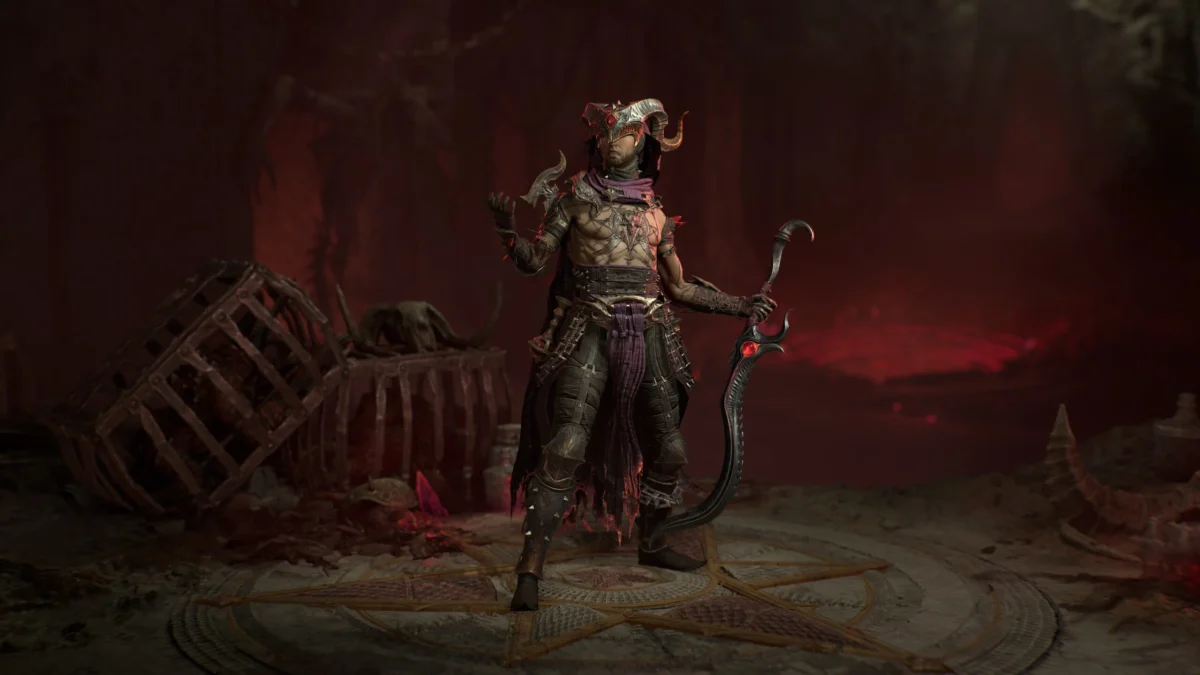
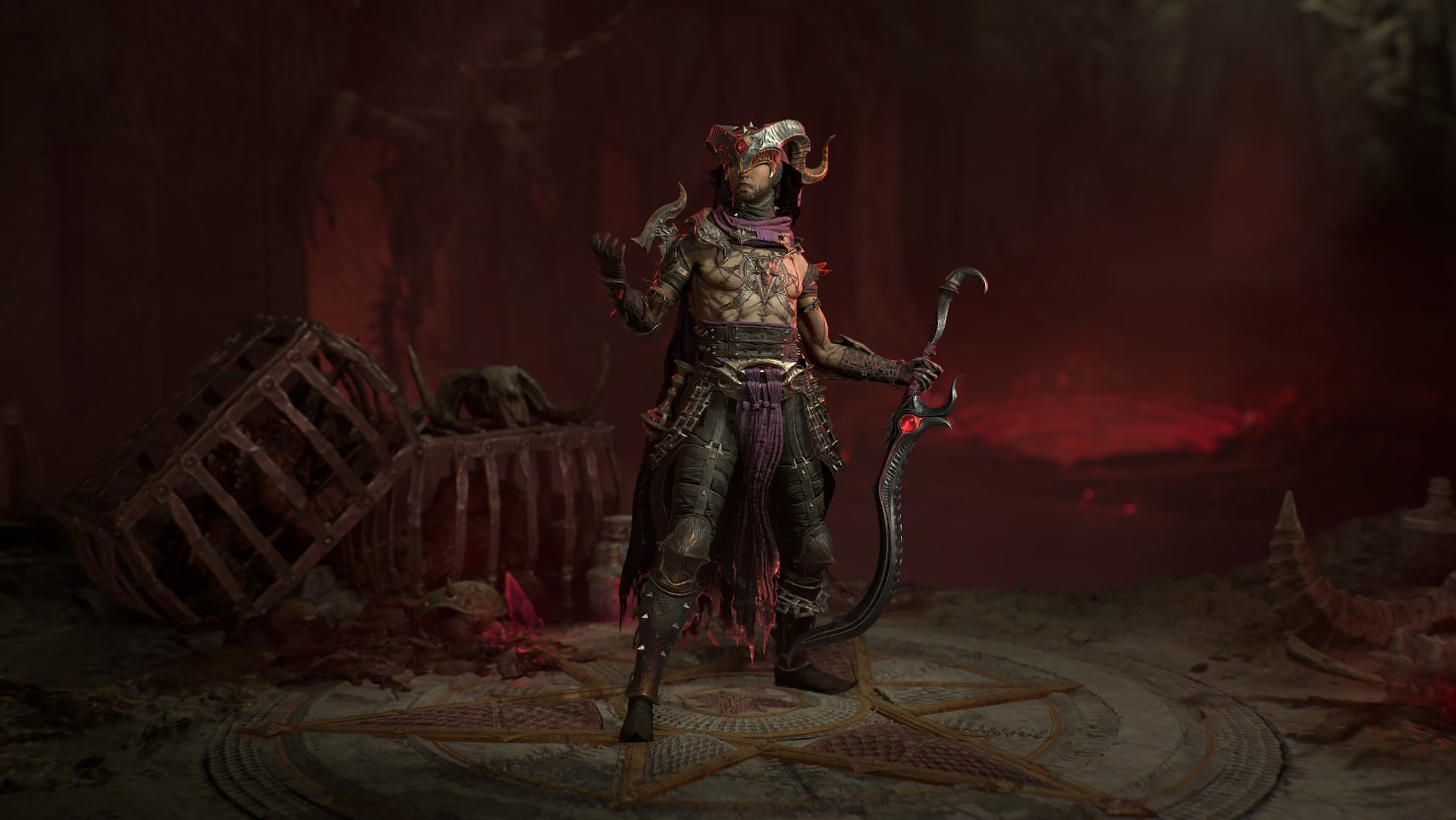
The dark, gothic corridors of Sanctuary are about to get a whole lot more sinister. Blizzard Entertainment has finally pulled back the curtain on the Warlock, the second of two new character classes arriving with the highly anticipated Lord of Hatred expansion for Diablo 4. While the Paladin—the expansion’s holy warrior—has been accessible to pre-purchasers for some time, the Warlock remained a shroud of mystery until a comprehensive developer deep-dive finally showcased the class in action.
Scheduled for release on April 28, Lord of Hatred promises to shift the meta of Diablo 4 significantly. The introduction of the Warlock, a practitioner of forbidden arts, offers a stark, pragmatic contrast to the holy rigidity of the Paladin, providing players with a complex, resource-heavy playstyle that embraces the very demonic forces they are tasked with destroying.
The Core Identity: Pragmatism Meets Forbidden Power
The Warlock does not seek salvation through light or prayer; rather, it seeks dominance through the mastery of Hell’s own hierarchy. In the narrative tapestry of Diablo 4, the Warlock occupies a unique space. Where the Sorcerer commands the elements and the Necromancer manipulates the lifecycle of the dead, the Warlock is a hybrid pet-caster that acts as a conduit for the Burning Hells.
The fundamental design philosophy behind the class is "pragmatic corruption." Developers explained that the Warlock’s toolkit is built upon the utilization of shadow arts and the binding of demonic entities. Unlike previous pet-based classes in the franchise, the Warlock requires a delicate balancing act of two distinct resource pools: Wrath and Dominance.
- Wrath: This serves as the primary resource for traditional spellcasting, fueling the Warlock’s shadow-based damage abilities.
- Dominance: This is the strategic resource. It is the fuel that allows the Warlock to summon, sustain, and eventually sacrifice demons to turn the tide of battle.
A Chronology of the Reveal
The journey to the Warlock’s reveal has been a calculated drip-feed of information designed to sustain engagement throughout the pre-launch window.
- Initial Expansion Tease: At the announcement of Lord of Hatred, Blizzard confirmed two new classes would join the roster. The Paladin was immediately highlighted as the expansion’s frontline defender.
- The February Reveal: After months of community speculation and datamining rumors, Blizzard officially unveiled the Warlock in February. The reveal focused on lore, establishing the Warlock as a rogue faction of mages who dared to delve into the forbidden texts of the Prime Evils.
- The Developer Update (The "Deep Dive"): Following the initial reveal, players were left wanting gameplay. The recent Developer Update finally provided the technical breakdown, showcasing combat loops, skill trees, and the unique class-specific mechanics that differentiate the Warlock from the existing roster.
Mastering the Four Archetypes
A standout feature of the Warlock class is its specialization system. Upon reaching level 30, players unlock the core class mechanic: the infusion of Soul Shards into the Warlock’s own body. These shards act as conduits, allowing the player to specialize into one of four distinct archetypes. This choice is permanent, necessitating careful build planning.
1. The Legions (Summoning Masters)
The Legions archetype is the quintessential summoner build. Players focused on this path can field a large number of lower-tier demons, creating an overwhelming swarm that blocks pathways and tanks incoming damage for the player. It is a "quantity over quality" approach, ideal for players who enjoy managing a small army.
2. The Vanguards (Frontline Casters)
For those who prefer a more aggressive, up-close style, the Vanguard archetype mimics the durability and damage output of a Sorcerer, but with a dark twist. They utilize shadow-infused melee strikes and close-range area-of-effect spells. They are the "battle-mages" of the Warlock class, often darting into the fray to deliver devastating bursts of damage.

3. The Masterminds (Shadowcraft Specialists)
Masterminds eschew brute force in favor of attrition. This build relies on complex shadow-crafting skills that apply stacking debuffs to enemies. They are the masters of battlefield control, slowly draining the life force of high-value targets while ensuring they remain at a safe distance.
4. The Ritualists (Demonic Overlords)
The Ritualist is the most specialized path, focusing on the summoning of high-tier, singular demons. By expending large amounts of Dominance, these players can summon entities of significant power—demons that mirror the bosses seen throughout the Diablo series. This is a high-risk, high-reward playstyle that focuses on single-target burst damage and sustained DPS from a singular, powerful source.
The Soul Shard Mechanic: An Evolving Gameplay Loop
The Soul Shard system is the heartbeat of the Warlock. By fusing these artifacts into their gear, players effectively "tune" their abilities. Each shard is intrinsically tied to a specific type of demon or shadow affinity.
During the developer demonstration, it was clear that the system is designed to provide horizontal progression. As players find new, higher-tier shards throughout the endgame, their playstyle can shift dramatically. A player might start their journey as a Ritualist, only to find a rare "Legion-focused" Soul Shard that incentivizes them to pivot their entire gear set and talent tree to maximize summon count. This flexibility is intended to keep the endgame loop fresh for players who enjoy theory-crafting.

Implications for the Meta
The arrival of the Warlock is poised to disrupt the Diablo 4 power hierarchy. For seasons, the Sorcerer and Necromancer have dominated the caster/summoner space. By introducing a hybrid class that excels in both, Blizzard is effectively creating a new "mid-range" archetype.
Industry analysts and community experts suggest that the Warlock’s ability to "undermine" enemies via shadow-crafting could make them essential for high-tier dungeon pushing, particularly in content where survivability and crowd control are at a premium. Furthermore, the introduction of class-specific Uniques—which Blizzard confirmed will be available at launch—will likely enable "broken" builds that could dominate the seasonal leaderboards early on.
Looking Toward the Future
As the April 28 release date approaches, excitement among the player base is at an all-time high. The Lord of Hatred expansion is viewed by many as a make-or-break moment for Diablo 4’s long-term viability. The inclusion of two distinct, highly thematic classes suggests that Blizzard is listening to the demand for more build diversity.
While the community waits for the expansion, the upcoming "Season of Slaughter" will serve as a temporary playground. With its focus on killstreaks and high-octane action, it is designed to provide the "mindless fun" necessary to bridge the gap between the current state of the game and the massive structural changes arriving in late April.

The Warlock represents a maturation of the Diablo design philosophy. By embracing the darker, more morally ambiguous aspects of the lore and translating them into a complex, rewarding gameplay loop, Blizzard is signaling that they are willing to take risks with their established formula. Whether the Warlock will become the new king of Sanctuary remains to be seen, but one thing is certain: in the world of Diablo 4, the only thing more dangerous than the forces of Hell is the one who learns how to control them.


 Asro
Asro
 Muslim