

As the 20th Asian Games descend upon Aichi and Nagoya from September 19 to October 4, 2026, the region is bracing for an influx of athletes and spectators from across the globe. While the focus will undoubtedly be on the high-octane performances at venues like the Aichi SkyExpo, visitors are being encouraged to look beyond the stadium gates. Tokoname, a city defined by its ancient ceramic heritage and its proximity to Chubu Centrair International Airport, offers a seamless fusion of sporting adrenaline and traditional Japanese charm.

Main Facts: The Asian Games in Tokoname
The 2026 Asian Games mark a significant milestone for Japan, returning to the nation for the first time in 32 years. Under the banner "IMAGINE ONE ASIA: One Here," the event aims to foster international solidarity through 43 distinct sports and 460 medal events.

Tokoname City, specifically the Aichi SkyExpo, stands as a critical pillar of the tournament infrastructure. The venue is slated to host some of the most dynamic and modern competitions of the games, including:
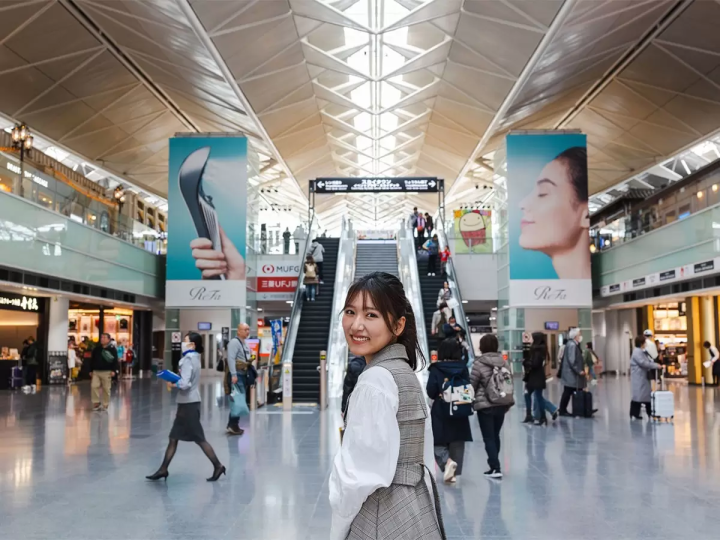
- Breaking: The high-energy debut sport.
- BMX Freestyle: A test of precision and gravity.
- eSports: Representing the digital evolution of competitive play.
- Fencing: A classic display of tactical prowess.
- Skateboarding: Showcasing urban athleticism.
The strategic choice of Aichi SkyExpo highlights the tournament’s commitment to sustainability, utilizing existing world-class facilities rather than relying on new, carbon-heavy construction.
Chronology: Navigating Your Itinerary
For those planning their trip, timing is everything. The tournament runs for 16 days of intense competition. To maximize your experience, we recommend an "Arrival-to-Event" strategy:
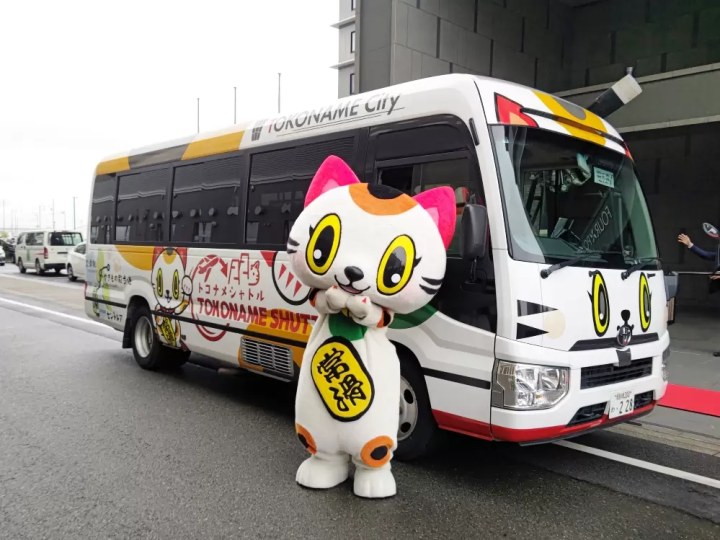
- Arrival Day: Utilize the "TOKONAME SHUTTLE," a free, convenient bus service that connects the airport and SkyExpo to the historic downtown.
- Mid-Tournament: Dedicate your "rest days" (or hours between matches) to the Pottery Footpath.
- Closing: Cap off your visit with a sunset view at Rinku Beach, where the horizon meets the silhouettes of landing aircraft.
The Cultural Landscape: Tokoname’s Heritage
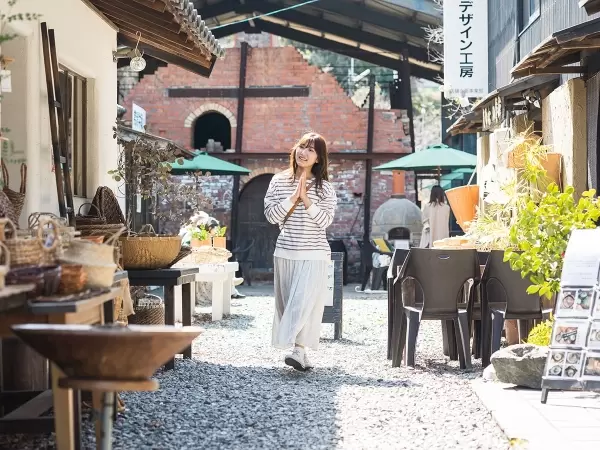
Tokoname is not merely a transit point; it is one of the "Six Ancient Kilns of Japan." Its history is etched into every brick of the Pottery Footpath.
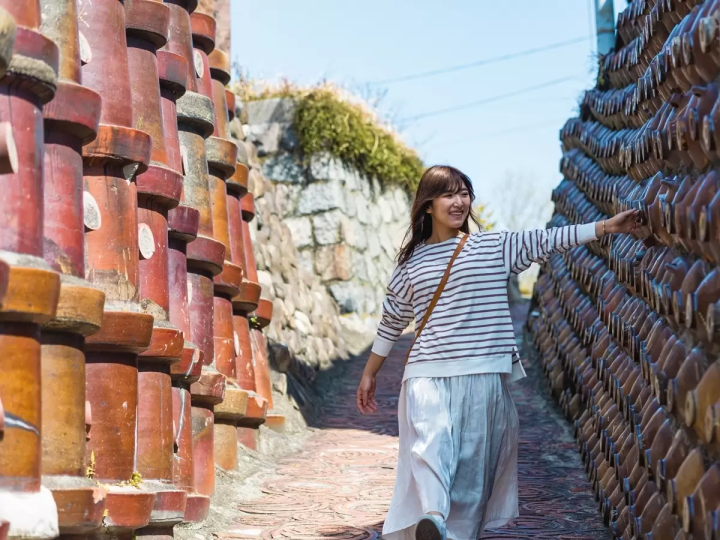
The Pottery Footpath (Tokoname Yakimono Sanpomichi)
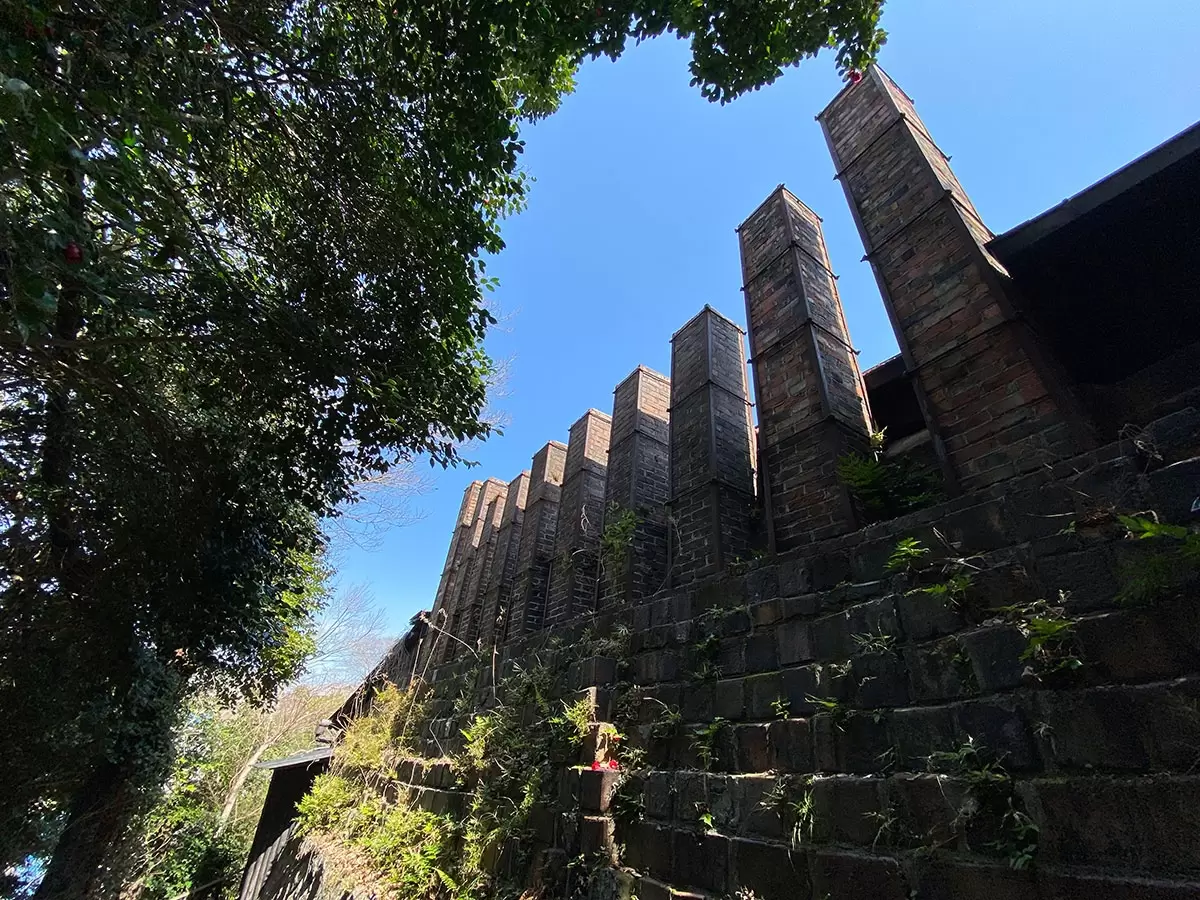
This circuit is the heartbeat of the city. Walking these paths, you are effectively walking through 1,000 years of ceramic history. The landscape is dotted with decommissioned brick chimneys and paths paved with discarded kesawa (clay pipe rings) that create a unique, non-slip texture. The Dokan-zaka (Clay Pipe Slope) is the most iconic visual, where walls are lined with shochu bottles and clay pipes from the Meiji and Showa eras, creating a retro-aesthetic perfect for photography.
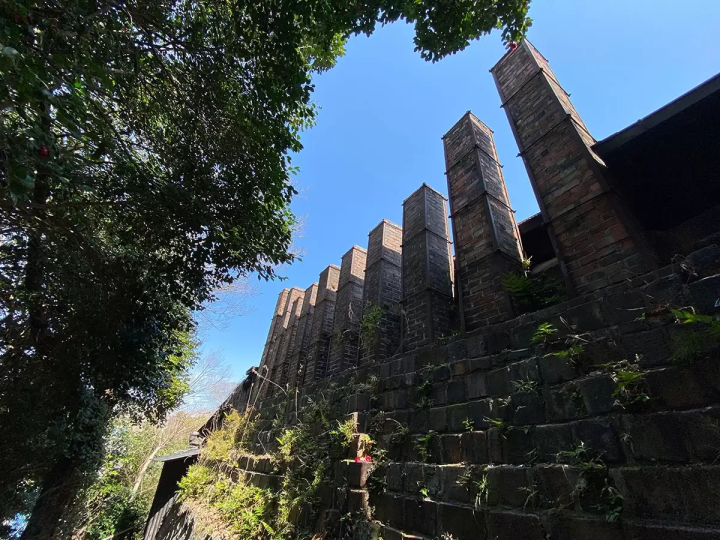
Noborigama (The Climbing Kiln)
Standing as a testament to industrial innovation, the Toei Kiln, built in 1887, is one of the largest climbing kilns still in existence. With its eight distinct chambers and ten chimneys, it was designated as an Important Tangible Folk Cultural Property in 1982. It serves as a reminder of the sheer scale of production that defined the region’s economic growth.

The Guardian of the City: Tokonyan
2026 is a milestone year: it marks the 20th anniversary of "Tokonyan," the massive 3.8-meter-tall, 6.3-meter-wide beckoning cat statue that watches over the city. Located near the Pottery Footpath, it serves as the ultimate local landmark. Along the nearby "Manekineko Street," visitors can find 39 unique, smaller cat statues, each designed by a local artist with a specific blessing.
Supporting Infrastructure: Travel Ease
Recognizing the surge in international visitors, the city has implemented a robust "hands-free" tourism policy.

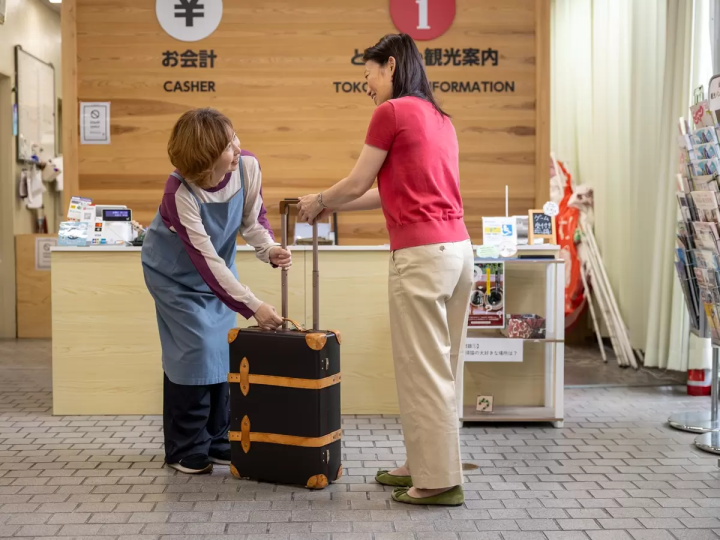
- Luggage Storage: Available at the Tourist Information Center (9:00 AM – 4:00 PM) for 500 yen, allowing for stress-free exploration of the steep, cobblestone paths.
- Connectivity: Mobile battery sharing services are available throughout the city via mobile apps, ensuring your smartphone remains charged for navigation and photo opportunities.
- Multilingual Support: The city has released comprehensive, multilingual brochures available at all major hubs to ensure that language is no barrier to enjoying local specialties.
- Dietary Inclusivity: Recognizing the diversity of the Asian Games audience, local restaurants have expanded their offerings to include vegan, vegetarian, and Muslim-friendly menu options.
Educational and Interactive Experiences
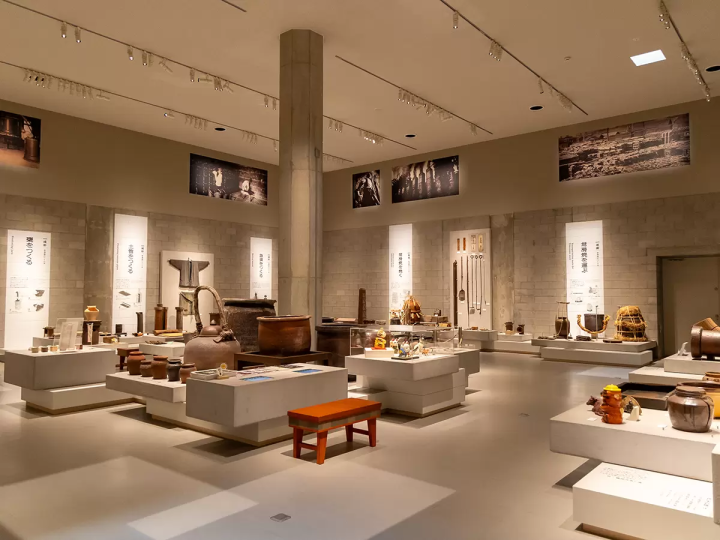
For those looking to engage deeper, the Tokoname Tou no Mori Museum and the INAX Live Museum provide context to the artistry. The INAX Live Museum, in particular, offers an immersive dive into the science and aesthetics of tiles and clay. Visitors can participate in workshops to craft their own ceramic pieces—a tangible souvenir of their time in Aichi.
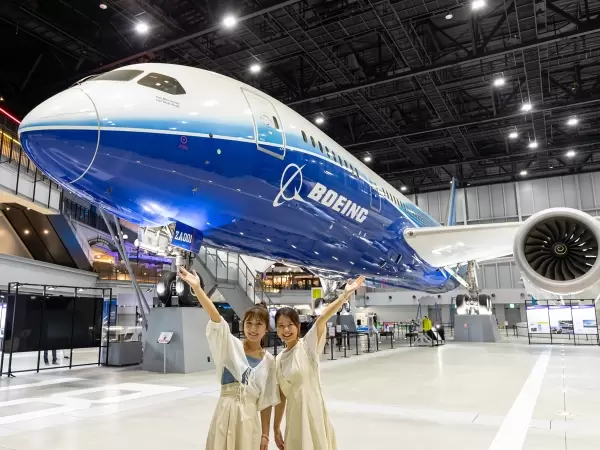
For those seeking a more modern aviation connection, the Flight of Dreams facility at the airport features a permanent display of the Boeing 787. It is a breathtaking experience that underscores the role of the airport as a gateway to the region.

Implications: The "Asian Games Atmosphere"
The impact of the 2026 Games on Tokoname extends beyond the scoreboard. The city is transforming into a vibrant hub of international exchange. Local businesses, through the "Omotenashi (Hospitality) Coupon" system, are inviting visitors to sample local cuisine—from "TOKONAME BEER" to the fragrant "Onizaki Nori" seaweed—at discounted rates.
The Rinku area, particularly the artificial Rinku Beach, serves as the cooling-off point of the trip. As the sun dips below the Ise Bay, casting an orange glow over the arriving planes and the sea, the contrast between the high-speed intensity of the skateboarding or BMX events and the quiet, rhythmic lapping of the waves provides a balanced travel experience.

Official Perspective and Future Outlook
Tournament organizers have emphasized that the success of the 2026 Asian Games will be measured not only by the records broken in the arena but by the cultural bridges built in host cities like Tokoname. By integrating existing historical landmarks with modern, sustainable sporting venues, the region hopes to set a new standard for future international games.

As you plan your journey, remember that Tokoname is a city of layers. It is a place where you can experience the high-tech precision of an eSports match in the morning, touch the raw clay of a thousand-year-old kiln at noon, and watch the sun set over the sea by evening. Whether you are a dedicated sports fan or a curious traveler, the 2026 Asian Games provide the perfect excuse to explore the deep, ceramic-infused soul of Aichi.

For more information on the competition schedules, transportation, and ticketing, visitors are encouraged to visit the official website for the 20th Asian Games (2026/ Aichi, Nagoya) and the Aichi SkyExpo Visitor Guide.











