Muslim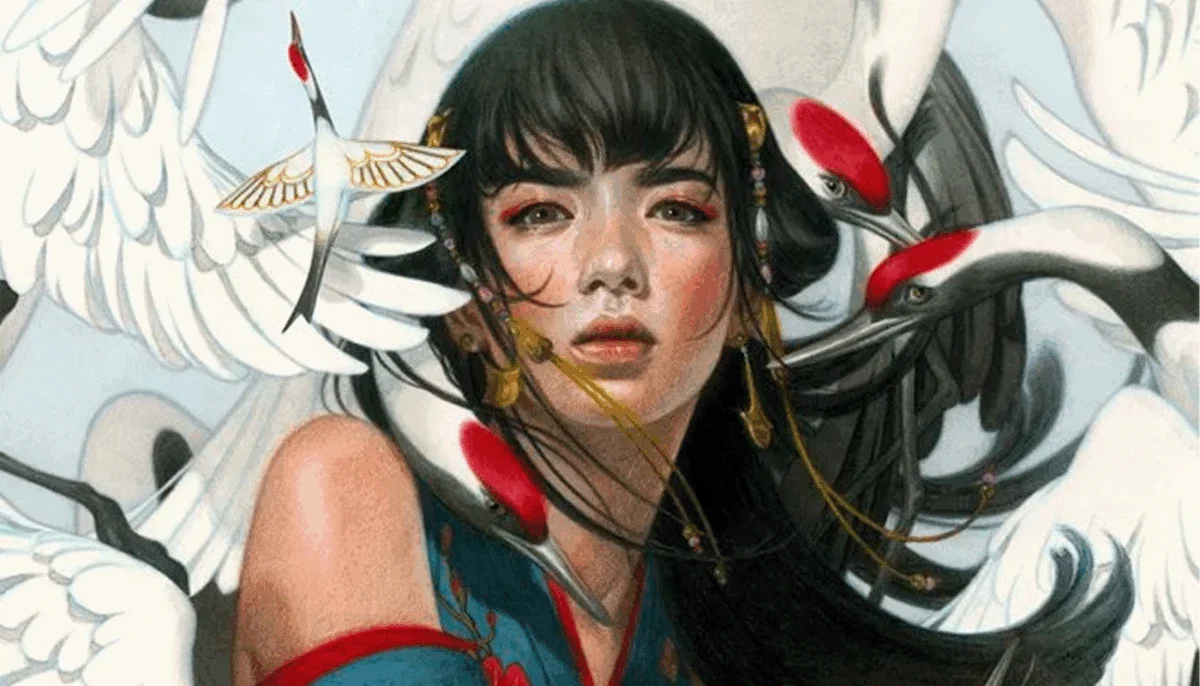
There is an undeniable, primal magnetism to the fairy tale. Whether encountered as the grotesque moral parables of old, the ethereal wanderings of folklore, or the iconic, whimsical adaptations immortalized by figures like the late Shelley Duvall, these narratives serve as the bedrock of our collective cultural consciousness. They are the stories we know by heart: the rebellious princess, the untamed magic, the misunderstood beast, the harrowing dragon, and the shadow of the wicked stepmother.
Yet, there is a paradox at the heart of the fairy tale: they feel simultaneously ancient and urgent, well-loved and brand-new. The most compelling iterations of these myths do not merely retell the past; they leave deliberate gaps. They invite the reader and the writer to participate in the act of creation, updating, expanding, and subverting expectations. In an era of literary saturation, "fractured" fairy tales—those that take the conventions of the genre and dismantle them for parts—have emerged as a dominant force. Here are eight essential works that masterfully deconstruct these timeless tropes.
1. One For the Morning Glory by John Barnes
The Premise of Paradox
In this intricate narrative, the infant Prince Amatus suffers a catastrophic metaphysical accident: he drinks the Wine of the Gods, causing his entire right side to vanish. His caretakers are executed for their failure, and their replacements are four enigmatic strangers.

Chronology and Narrative Flow
As Amatus reaches maturity, the story follows his quest to reclaim his missing physical form. Barnes constructs a world where all myths are historical record and all stories are literal truth. The genius of the work lies in the characters’ self-awareness; they exist within a world that operates on narrative logic, and they must constantly struggle to stay one step ahead of the "story" itself to survive.
Implications
This is a profound examination of the meta-fictional burden. It posits that the true goal of a life is not the traditional "happily ever after," but rather the pursuit of an ending that is simply "happy enough."
2. Howl’s Moving Castle by Diana Wynne Jones
The Subversion of Expectation
In this classic, Sophie, a hatmaker’s daughter, is cursed by the Witch of the Wastes and transformed into an old woman. Her subsequent employment as a housekeeper for the vain, elusive Wizard Howl serves as the catalyst for a narrative that dances between biting satire and genuine magical stakes.

Supporting Data
Jones’s work is characterized by a "cockeyed" approach to world-building. By highlighting the absurdity of characters who act according to pre-ordained tropes, Jones provides a masterclass in genre-bending. Her later guide, The Tough Guide to Fantasyland, serves as a companion piece that further dismantles the infrastructure of fantasy literature.
Official Stance on Genre
The narrative is often cited by critics as a primary influence for the "cozy fantasy" movement, yet it remains distinct for its refusal to treat the dangers of magic as mere background noise.
3. The Enchanted Forest Chronicles by Patricia C. Wrede
Revising the Princess Trope
Princess Cimorene does not want to be rescued. In a sharp reversal of the "damsel in distress" motif, she takes up residence with a dragon named Kazul, preferring the intellectual rigors of treasure-sorting to the tedium of court life.

Implications
Wrede introduces a modern, pragmatic magic system that serves as the foundation for the series’ enduring appeal. By using slapstick humor to buffer the high-fantasy stakes, the series effectively critiques the passivity of traditional fairy-tale heroines while celebrating the virtues of independence.
4. Uprooted by Naomi Novik
Darkness and Transformation
Novik’s Uprooted functions as an atmospheric evolution of the genre. When Agnieszka is chosen by the cold, distant wizard known as "The Dragon" as a sacrifice—instead of the expected candidate—the narrative shifts into a high-stakes struggle against the corruptive influence of an ancient Wood.
Key Themes
Novik’s work is a testament to the power of "wild magic." It takes the established framework of the "deal with the devil" and infuses it with ecological dread and personal growth, proving that the most terrifying villains are often those born of a misunderstood environment.

5. Six Crimson Cranes by Elizabeth Lim
The Intersection of Folklore and Flair
Princess Shiori’s story is one of relentless chaos. Cursed to silence and forced to watch as her brothers are transformed into cranes, Shiori must navigate a landscape of high-stakes court politics and volatile enchantment.
Chronology
Lim weaves together Eastern-influenced folklore with a distinctly modern pacing. The narrative trajectory is defined by Shiori’s effort to regain her voice and her throne, balancing the aesthetic beauty of the setting with the visceral reality of her magical trials.
6. Bridge of Birds by Barry Hughart
The Irreverent Detective
Set in "an ancient China that never was," the story follows the simple-minded Number Ten Ox and his mentor, the brilliant but morally ambiguous Master Li Kao. Together, they embark on a quest to save a village of comatose children.

Supporting Data
Hughart’s writing is a unique cocktail of pulp adventure and dark comedy. By forcing his characters to stumble through established folktales and ghost stories, he actively disrupts the sanctity of these myths, causing visible confusion among the "divine" authorities. It is a work of intellectual wit and deep, strange emotion.
7. Sea Change by S.M. Wheeler
The Grotesque and the Sincere
Sea Change presents a narrative that is as beautiful as it is unsettling. The story of Lilly and her companion, a baby kraken named Octavius, evolves into a dark, violent exploration of loss and the high cost of deals made with the supernatural.
Implications
The text is notable for its willingness to embrace the "unnerving." By refusing to sanitize the darker impulses of the fairy tale—abuse, isolation, and the loss of self—Wheeler offers a mature, poignant reflection on the nature of friendship.

8. Misery’s Wife by Joan Tierney
The Post-Apocalyptic Fairy Tale
Tierney’s novel takes place in a world where the old order has collapsed and humans dwell within the ribcages of massive, extinct whales. The story of Elixane, a trans fisherman’s daughter seeking her missing sisters, is a masterclass in world-building.
Main Facts
Tierney treats the "new weird" as an extension of the classic fairy tale. By populating a desolate, post-apocalyptic landscape with gods, walking forests, and speaking animals, she creates a narrative that feels both deeply familiar and entirely alien. It is a bold, essential addition to the modern canon of fractured folklore.
The Future of the Once Upon a Time
The enduring popularity of these works suggests that we are currently living in a golden age of reimagined myth. These authors understand that a story is not a static object to be preserved in amber; it is a living entity that requires the friction of new perspectives to stay relevant.

By analyzing the structure of these eight novels, we can identify a clear trend: the most effective fairy tales are those that respect the power of the original archetype while simultaneously refusing to be constrained by it. Whether through the meta-fictional playfulness of John Barnes, the dark, grounded ecological themes of Naomi Novik, or the irreverent, post-apocalyptic world-building of Joan Tierney, these stories ensure that the "Once Upon a Time" will continue to evolve.
As we look toward the future of speculative fiction, it is clear that the fairy tale remains our most vital tool for processing the complexities of the human condition. It is a genre that thrives on the tension between what we have been told and what we choose to believe, and as long as there are storytellers willing to fracture the glass slipper, we will continue to find new, beautiful ways to see ourselves reflected in the shards.
We invite our readers to consider: what is it about these fractured tales that resonates most with our modern, fragmented lives? Is it the promise of agency in an uncontrollable world, or simply the comfort of knowing that, no matter how strange the woods get, there is always a path home? Share your thoughts and your own favorite "Once Upon a Time" adaptations in the comments below.

 Jia Lissa
 Asro
Asro