

As May draws to a close, the literary world turns its eyes once again to the Self-Published Fantasy Blog-Off (SPFBO). Now in its 11th year, this landmark competition continues to serve as a vital platform for indie authors, providing visibility in an increasingly crowded marketplace. Today, we witness the "Third Five to Fall"—a pivotal moment in the first round of the contest where five distinct titles have been eliminated from the running.
The SPFBO process is famously rigorous and intentionally subjective. By design, the judges do not read the entries in a linear fashion, nor do they rank them from "worst to best." Instead, the competition functions as a series of curated filters, whittling down a massive pool of 300 entries into a final selection of semi-finalists. As the competition progresses, we are reminded that a "cut" is not an indictment of quality, but rather a reflection of the specific panel’s current reading trajectory and stylistic preferences.
The Mechanics of Selection: A Chronology of the Contest
The SPFBO 11, founded by Mark Lawrence, remains the gold standard for independent fantasy recognition. The journey for these 300 books began earlier this year, with phase one serving as the crucible. The judges—a diverse panel of fourteen experienced readers and critics—tackle these titles with an eye toward narrative innovation, character depth, and worldbuilding prowess.
As we move toward the final selection, the elimination process remains transparent. Every book dismissed in this "Third Five" batch has undergone significant scrutiny. While these specific titles did not advance to the semi-finalist stage, the organizers emphasize that the "subjectivity of reading" remains the core tenet of the contest. A book that fails to resonate with one group of judges may well be the standout favorite for a reader with different tastes.

Detailed Review: The Third Five to Fall
The following five titles were evaluated by our panel, and while they each brought unique elements to the table, they ultimately did not meet the specific criteria required to advance in this year’s iteration of the SPFBO.
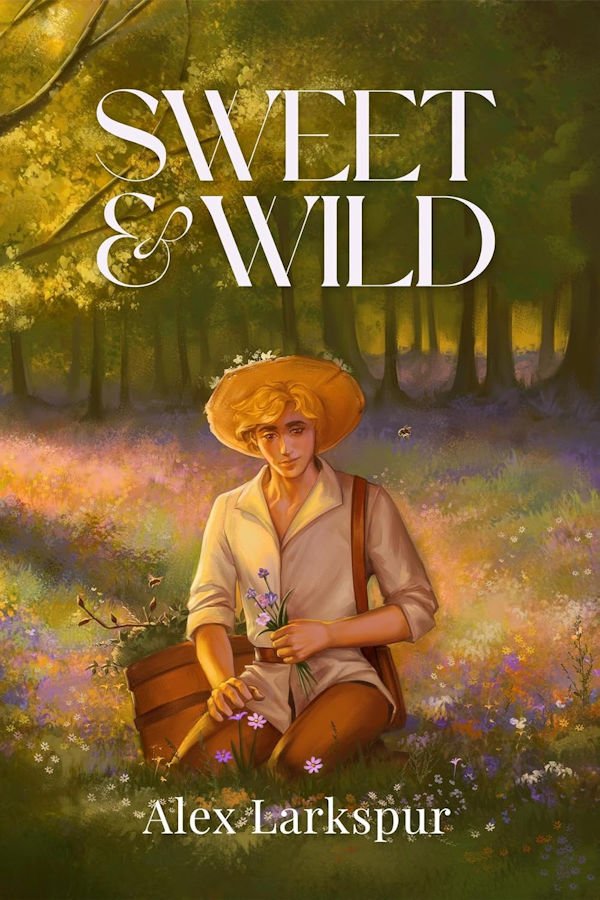
Sweet & Wild by Alex Larkspur
Sweet & Wild introduces us to Micah Harlow, a man seeking a fresh start in the remote town of Roseyard. Upon venturing into the local woods, he encounters a guardian spirit. The premise promises a blend of folk-horror and romantic fantasy, as the townspeople’s fear of the "beast" clashes with Micah’s growing intimacy with the entity.
The Verdict: The panel found the central dynamic problematic. While the "spirit meets human" trope is a staple of the genre, the execution here faltered due to a perceived lack of chemistry and, more critically, uncomfortable power dynamics regarding the age disparity between the characters. For our judges, this hindered the emotional payoff of the romance.
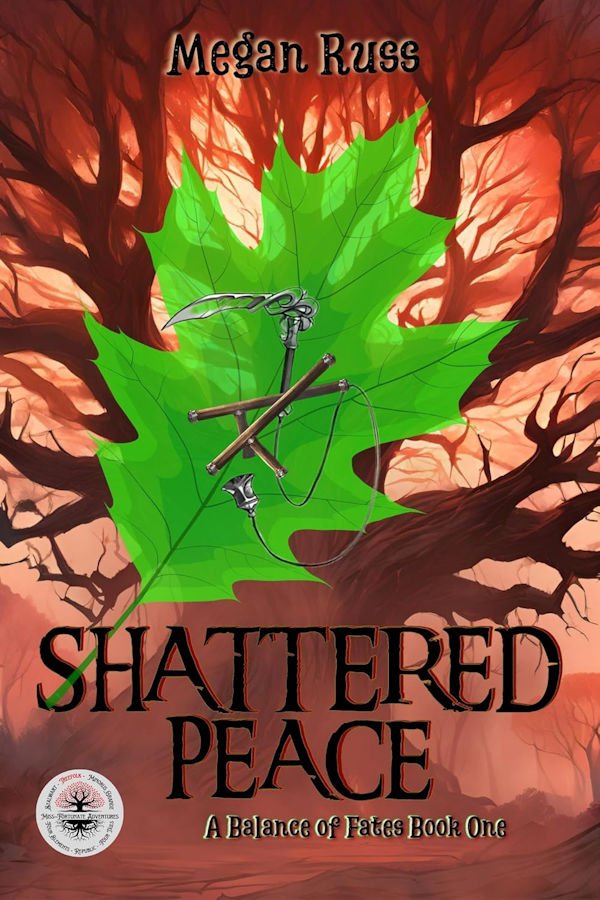
Shattered Peace by Megan Russ
Set in the world of Aearth, where gods have long since abandoned a fractured reality, Shattered Peace follows two young monks—an elven outcast and a rare free human—as they graduate from the Monastery of the Leaf. The world-building, which posits a world where magic is sealed into the very earth, is a compelling foundation for an epic narrative.
The Verdict: The judges praised the premise and the character work. However, the narrative momentum proved to be the primary point of contention. The pacing was described as sluggish, and the plot failed to maintain the necessary tension to propel the story into the next round of the contest.
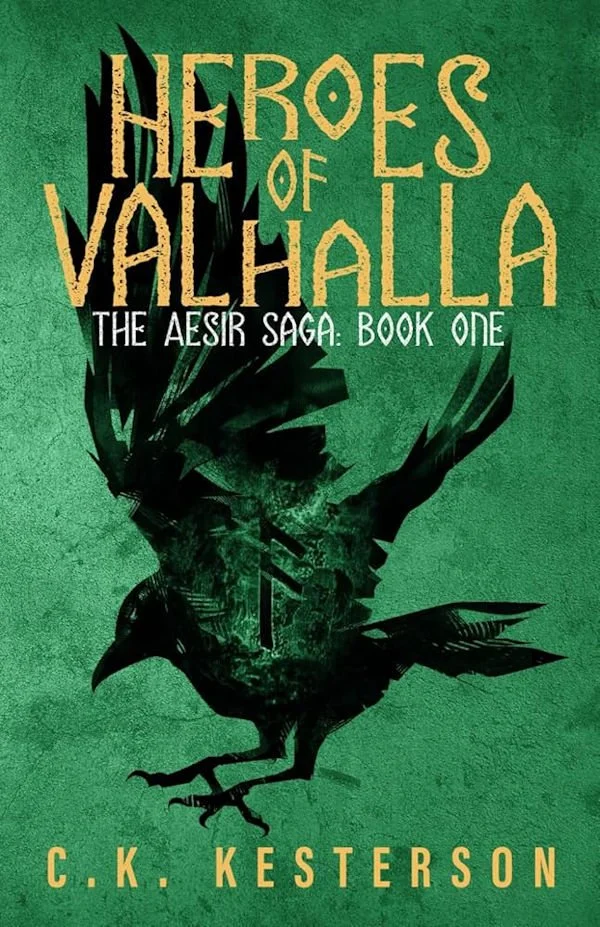
Heroes of Valhalla by C. K. Kesterson
Utilizing the rich tapestry of Norse mythology, Heroes of Valhalla focuses on the Kingdom of Asgard, a beacon of civilization in a dying north. As war looms, King Odin searches for a champion to avert total destruction.
The Verdict: This title was noted for being a competent, well-written entry that respected the established tropes of Norse-inspired fantasy. However, it suffered from a lack of distinguishing characteristics. While the judges found no specific flaws to criticize, they also failed to find the "spark" of originality needed to elevate the book above its peers in an intensely competitive field.
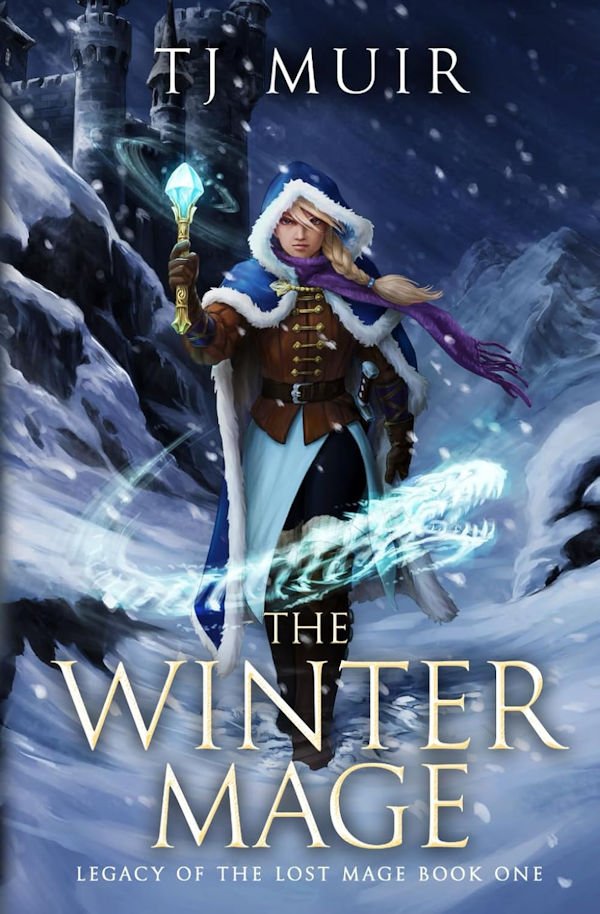
The Winter Mage (Legacy of the Lost Mage #1) by TJ Muir
In a world still reeling from the "Night of Ashes," Kadaris, a young woman desperate to master outlawed magic, embarks on a quest that leads her to an ancient, dangerous relic.
The Verdict: The split perspectives between the mage and a martial-arts-focused warrior were initially engaging. However, the panel found that the density of the world-building, paired with a noticeable frequency of editing errors, ultimately disrupted the reading experience, preventing the story from reaching its full potential.
Legacy Bound (Legacies #1) by Elizabeth Daly
This epic fantasy/romantasy blend tracks three interconnected lives: a sister and brother navigating a kingdom that executes unbound mages, and a prince struggling with his own mortality.
The Verdict: This was perhaps the most divisive entry of the group. The panel was split on character likability, though the sibling relationship was a highlight for many. The ultimate reason for its exclusion was the ending, which featured a twist that polarized the judges and may prove similarly controversial for fans of the romantasy subgenre.
Supporting Data and Panel Dynamics
The panel of fourteen judges—including Adawia Asad, Eva Geraghty, and Robert Max Freeman, among others—represents a wide spectrum of the fantasy community. Their feedback serves as a microcosm of the broader literary market.
When evaluating these titles, the judges looked for:
- Pacing and Narrative Drive: Crucial for sustaining interest over the course of an entire novel.
- Character Agency: Whether protagonists felt like active participants in their own fates.
- Originality: The ability to take well-worn tropes and provide a fresh, compelling perspective.
- Technical Proficiency: A standard of editing and prose that allows for total immersion.
The Implications for Independent Authors
The "Third Five to Fall" serves as a reminder of the brutal nature of literary competition. For independent authors, the SPFBO acts as a stress test for their work. The feedback provided by the judges—whether positive or negative—is a valuable resource for future revisions or future projects.
For the reader, these eliminations serve as a discovery tool. Just because a book was not selected for the semi-finals does not mean it lacks value. On the contrary, readers who enjoy specific niches—such as Norse mythology or character-driven romance—are encouraged to explore these titles. The "failure" to advance is often simply a matter of the specific panel’s current threshold for pacing or tone.
Looking Ahead: The Road to the Finals
With these five departures, the competition continues. There are 15 books remaining to be reviewed in this phase before the semi-finalists are announced. The complete list of the 300 entrants, as well as ongoing updates, can be monitored on the official SPFBO website and the personal blog of Mark Lawrence.
As the tournament moves toward its conclusion, the level of scrutiny will only increase. We look forward to seeing which titles possess the narrative endurance to survive the upcoming rounds. The authors who have fallen today are encouraged to continue their craft; the history of the SPFBO is filled with authors who used this experience as a stepping stone to greater success.
For those interested in following the remaining journey, please stay tuned to Fantasy Faction’s ongoing coverage. Any inquiries regarding the judging process or the competition structure should be directed to editor Jennie Ivins via Bluesky or Threads.
Happy reading, and may the best of the remaining stories find their way to your bookshelf.









No comments yet. Be the first to join the conversation!