


Science fiction has always served as the mirror of the human condition, reflecting our deepest fears, our loftiest technological dreams, and the existential questions that haunt our progress. As the genre continues to evolve—buoyed by a landmark 2025 that saw the release of high-profile entries like Avatar: Fire and Ash and Predator: Badlands—critics and audiences alike are looking back at the pillars of the genre.
True "ambition" in science fiction is defined by more than just a high budget or a star-studded cast. It is characterized by the audacity to push the boundaries of narrative structure, visual fidelity, and philosophical inquiry. Whether through the creation of entirely new languages, the pioneering of revolutionary practical effects, or the structural risk of crafting sprawling, multi-generational epics, these ten films stand as the most ambitious projects ever committed to celluloid.

The Evolution of the Speculative Epic: A Chronological Overview
To understand the trajectory of science fiction, one must look at how filmmakers have consistently sought to redefine the limits of the medium.
1968: 2001: A Space Odyssey
Stanley Kubrick’s masterpiece remains the gold standard for ambition. By moving away from the "B-movie" tropes of the 1950s, Kubrick utilized Arthur C. Clarke’s visionary concepts to explore human evolution. Its lack of traditional dialogue and its reliance on visual storytelling and classical music challenged the very definition of what a blockbuster could be.
1977: Star Wars
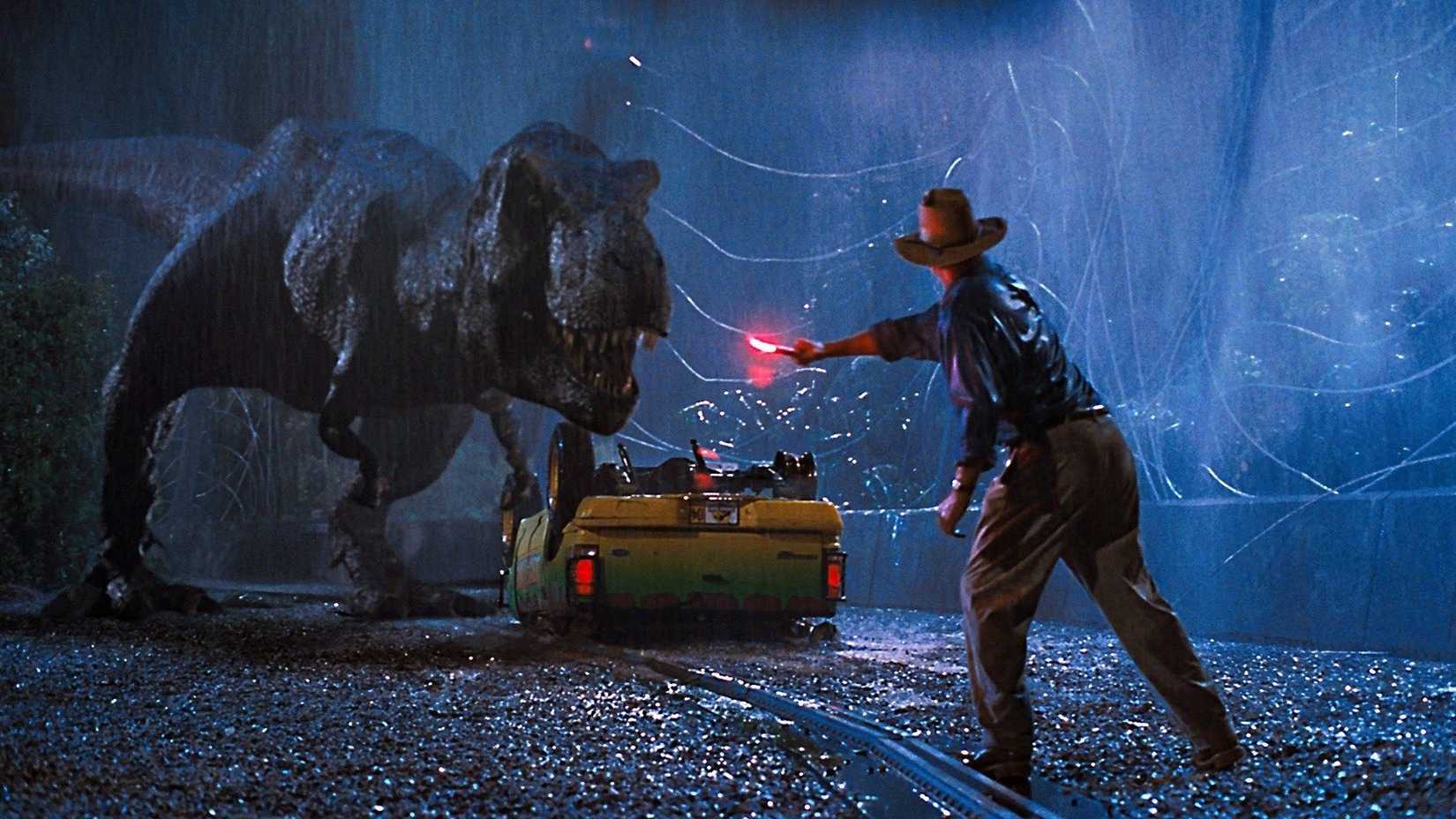
George Lucas looked to the past to define the future. By blending the serial adventure aesthetics of Flash Gordon with the thematic depth of Akira Kurosawa’s The Hidden Fortress, Lucas created a mythology that felt ancient yet cutting-edge. Its technical achievement in visual effects created a tactile, "lived-in" galaxy that set the blueprint for modern franchise building.
1993: Jurassic Park
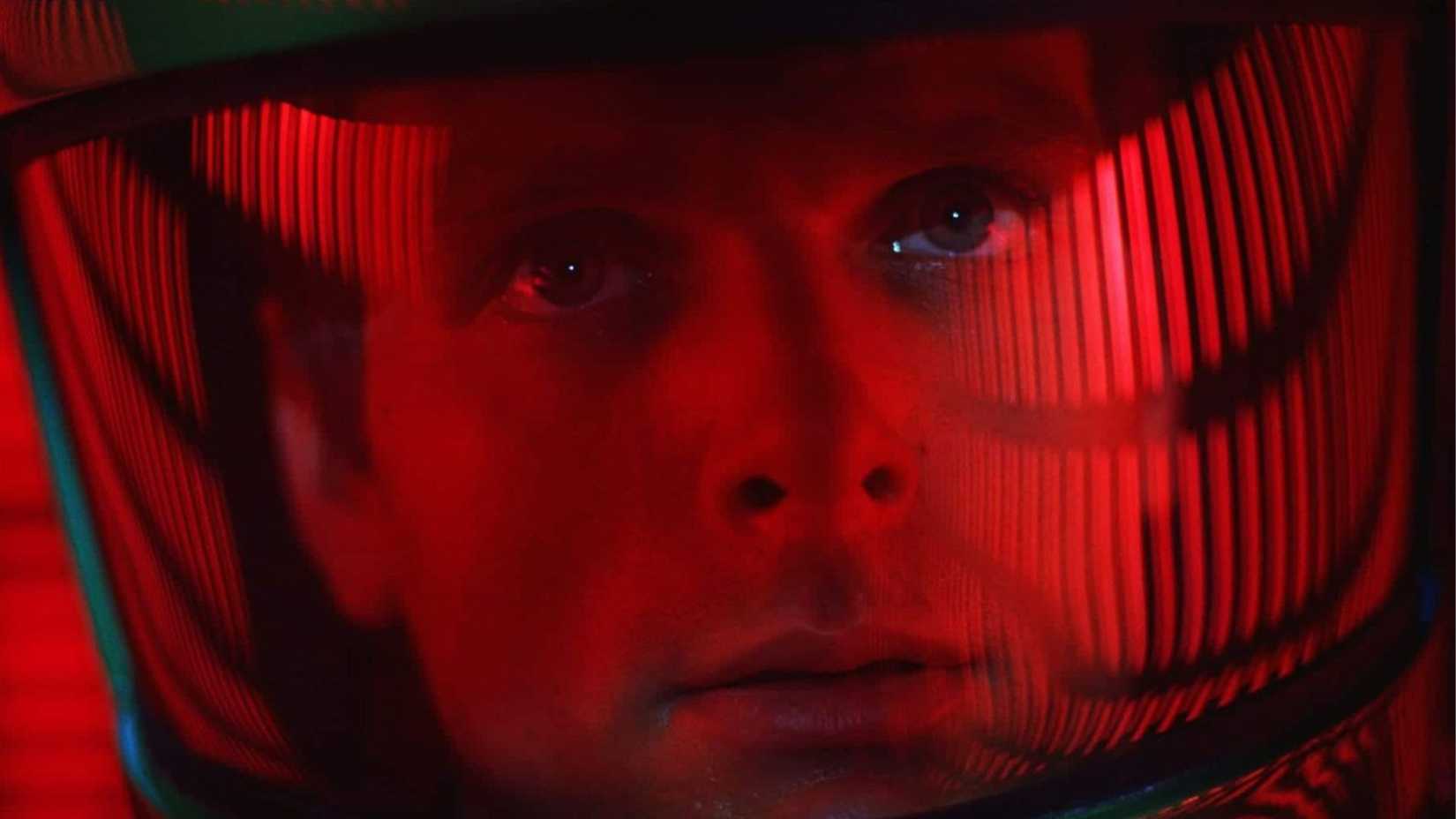
Steven Spielberg, already a titan of cinema, attempted to achieve the impossible: bringing extinct giants to life with photo-realistic detail. By balancing pioneering CGI with intricate animatronics, Jurassic Park didn’t just tell a story about science—it became a scientific breakthrough in the art of filmmaking.
1999: Star Wars: Episode I – The Phantom Menace
While often debated, the sheer scale of the prequel trilogy’s inception was unprecedented. Lucas waited years for technology to catch up to his vision, ultimately expanding the lore to include the political complexities of the Galactic Republic and the tragic arc of Anakin Skywalker.
2009: Avatar
James Cameron has made a career of breaking records, but Avatar represented his creative zenith. Developed over years of R&D, the film’s use of performance capture and 3D immersion turned Pandora into a tangible world, setting a new precedent for visual storytelling that arguably has yet to be surpassed.

2012: Cloud Atlas
The Wachowskis’ adaptation of David Mitchell’s "unadaptable" novel was a massive narrative risk. By weaving six stories across vastly different time periods with a recurring cast, the film attempted to bridge the gap between reincarnation, fate, and the interconnected nature of human souls.
2012: The Avengers
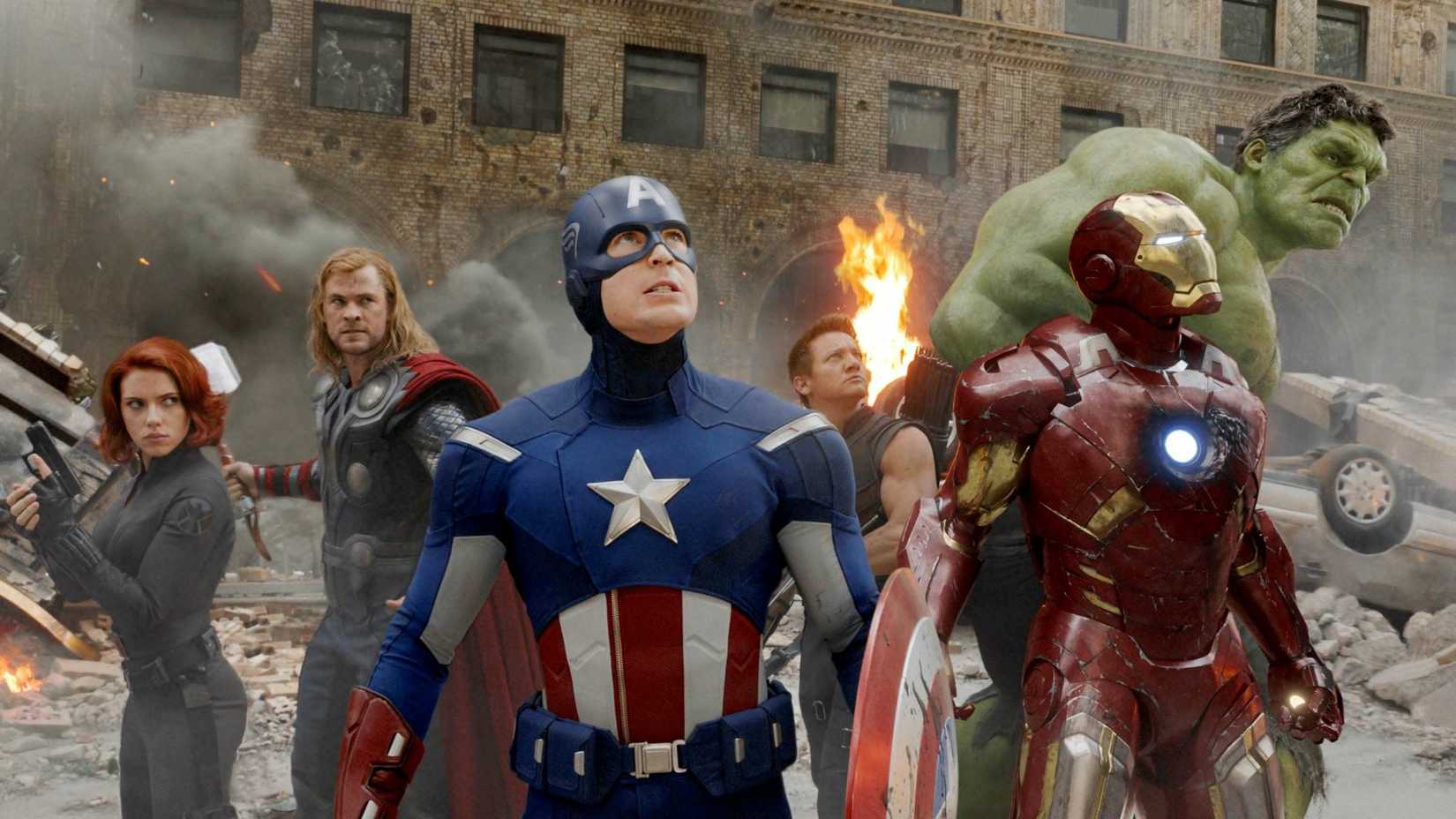
The Marvel Cinematic Universe changed the landscape of Hollywood by proving that a "shared universe" model could work on a grand scale. The Avengers was the culmination of this, forcing multiple distinct film franchises to collide in a cohesive, high-stakes narrative event.

2017: Blade Runner 2049
Legacy sequels are rarely as bold as Denis Villeneuve’s follow-up to Ridley Scott’s 1982 classic. With a $150–180 million budget, it was a slow-burn, meditative piece of high art that refused to succumb to the frantic pacing of typical modern blockbusters.
2021: Dune
Denis Villeneuve’s second entry on this list highlights his commitment to scale. Tackling Frank Herbert’s seminal work—a book famously difficult to adapt—Villeneuve managed to craft a world that felt both alien and intimately grounded, proving that "hard" science fiction could still capture the global box office.
2024: Megalopolis
Francis Ford Coppola’s magnum opus represents the ultimate in auteur ambition. Self-financed at a cost of $120 million, this surreal, allegorical look at the fall of empires is a testament to a director’s uncompromising vision, even when it defies traditional commercial expectations.
Supporting Data: The Economics of Ambition
The financial history of these films tells a story of high risk and high reward. While The Avengers revolutionized the "cinematic universe" model, leading to billions in revenue, others like Blade Runner 2049 and Megalopolis serve as cautionary tales regarding the disconnect between critical acclaim and the general box office.

- The Budget-to-Legacy Ratio: Avatar remains the highest-grossing film of all time, demonstrating that when high-concept technology meets universal themes, the financial return is exponential.
- The "Unadaptable" Threshold: Cloud Atlas and Dune both faced labels of "unadaptable" due to their dense source material. The success of Dune serves as a modern proof-of-concept that audiences are increasingly hungry for complex, slow-burn science fiction.
- The Legacy Gap: Blade Runner 2049 featured a 35-year gap between the original and the sequel. While it failed to recoup its production budget, its cultural footprint is massive, suggesting that "ambition" is often measured in longevity rather than opening-weekend box office numbers.
Official Responses and Critical Receptions
The critical reception to these films has generally trended toward "reappraisal." The Phantom Menace, initially met with intense scrutiny regarding its pacing and tone, has seen a resurgence in popularity among a generation that grew up with the prequel trilogy. Similarly, Megalopolis has polarized critics; some view it as a sprawling, self-indulgent failure, while others hail it as the most daring creative experiment of the 21st century.
Industry analysts often point to Jurassic Park as the pivot point where studio executives began prioritizing "spectacle-first" filmmaking. This has led to a ongoing industry-wide debate: Is the pursuit of groundbreaking technology (like that used in Avatar) detrimental to the development of character-driven stories? The consensus among scholars of the genre is that the best sci-fi films—2001 and Dune included—manage to bridge this gap by anchoring their spectacle in a core, human truth.
Implications for the Future of the Genre
What do these ten films tell us about the future of science fiction?
- The Rise of the Auteur: Even in an era of corporate-mandated franchises, directors like Villeneuve and Coppola prove that the vision of a single creator remains the most powerful tool in sci-fi.
- Technological Integration: We have moved beyond the "wow factor" of CGI. Modern audiences now demand that technology serves the atmosphere, as seen in the brutalist, sweeping desert landscapes of Dune.
- The Shrinking Middle Class: There is a growing divide in the genre between low-budget, high-concept indie sci-fi and massive, billion-dollar IP-driven epics. The most ambitious films of the future will likely be those that find a way to thrive in this space, balancing the intellectual depth of a novel with the visual scale of a blockbuster.
In conclusion, the history of science fiction is a record of people attempting to build worlds that were previously unimaginable. From the animatronic dinosaurs of 1993 to the spice-drenched sands of Arrakis in 2021, these films challenge the audience to not just watch, but to think, feel, and dream of what lies beyond the current limits of our reality. As the genre continues to mature, we can expect the definition of "ambition" to continue its upward trajectory, pushing us toward the next frontier of human storytelling.











No comments yet. Be the first to join the conversation!