

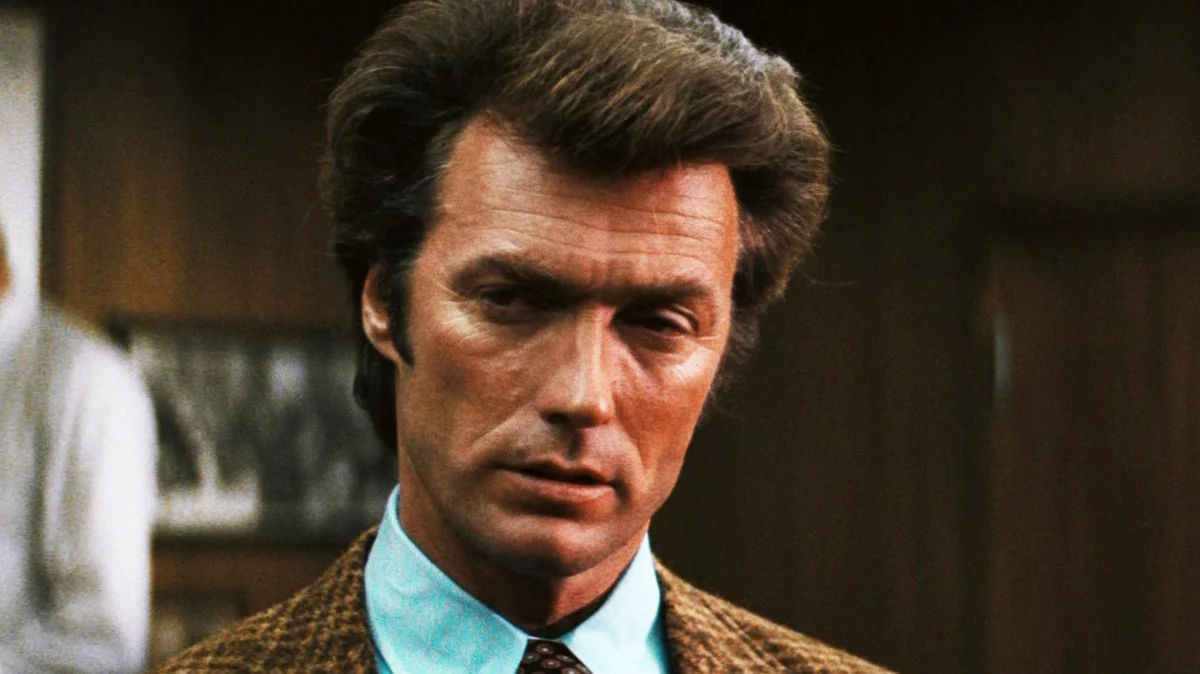
In the annals of Hollywood history, few actor-director pairings have proven as consequential as the union of Clint Eastwood and Don Siegel. Their collaborations—spanning gritty westerns to the definitive urban thriller Dirty Harry—helped define the masculine archetype of the late 20th century. Yet, beneath the veneer of their polished cinematic output lies a surprising origin story: a volatile, ego-driven confrontation in a producer’s office that nearly derailed their professional relationship before it had even begun.
The genesis of this partnership was not a meeting of the minds, but a clash of them. During the development of the 1968 crime thriller Coogan’s Bluff, Eastwood, then a rising star looking to solidify his domestic standing, found himself at odds with Siegel over the fundamental narrative direction of the project. This article examines how that initial spark of hostility was extinguished, paving the way for one of cinema’s most enduring creative alliances.
The Context: Eastwood’s Hollywood Ascent
To understand the friction between the two men, one must consider their positions in 1968. Clint Eastwood was, by that time, an international sensation thanks to Sergio Leone’s "Dollars" trilogy. However, he remained an outsider in the American studio system. Having cut his teeth on the television series Rawhide, he had spent years laboring under the rigid structures of network television and foreign independent production. He was eager to prove his viability as a bankable Hollywood lead, but he was also acutely aware of the power dynamics in the industry.
Unlike many of his contemporaries who deferred entirely to the "auteur" vision of their directors, Eastwood possessed an early inclination toward producing and directing. He was known for "riding herd" on his projects—a colloquialism for his hands-on, often micromanaging approach to script development and on-set logistics. He wasn’t merely looking for a director; he was looking for a partner who would respect his instincts.
Don Siegel, conversely, was an established veteran. Having helmed high-tension projects like Invasion of the Body Snatchers (1956), Siegel operated with a distinct, location-centric philosophy. He believed that the setting informed the narrative, and he was not accustomed to being told how to write or direct by his leading men.
A Chronology of the Clash: The Coogan’s Bluff Development
The trouble began with the script for Coogan’s Bluff, which followed an Arizona deputy sheriff tasked with extraditing a prisoner from the labyrinthine streets of New York City. Universal Pictures had commissioned several drafts of the screenplay, and Eastwood had taken a personal interest in the material.
The Initial Disagreement
According to Eastwood’s own accounts, specifically those recorded in Conversations with Clint: Paul Nelson’s Lost Interviews with Clint Eastwood, 1979-1983, the actor had identified a draft by writer Roland Kibbee that he felt captured the essence of the character. When Siegel was brought on to provide his own iteration, he retreated to New York to write, adhering to his belief that immersion in the location was essential for authentic storytelling.
Upon reviewing Siegel’s draft, Eastwood was deeply unimpressed. In a pivotal meeting held in the office of producer Jennings Lang, the tension reached a boiling point. Eastwood, characteristically blunt, informed Siegel that he did not care for the direction the story had taken. Siegel, protective of his process and his creative vision, reacted with characteristic ferocity, reportedly snapping back at the star with the blunt dismissal: "Well, screw you. If you don’t like it, too bad."
The Intervention: Jennings Lang’s Diplomacy
The standoff threatened to stall the production of what would become a key film in Eastwood’s transition to American superstardom. The intervention of Jennings Lang was the crucial catalyst that prevented a total collapse of the project. Rather than taking sides, Lang urged both men to set aside their bruised egos and collaborate.
The resolution was simple yet transformative: Lang suggested they sit down together to synthesize the best elements of all the available drafts. By merging their perspectives rather than choosing one over the other, they arrived at a version of Coogan’s Bluff that satisfied both the studio’s commercial requirements and the creative standards of both the actor and the director.
Philosophical Divides: Location vs. Concept
The argument between Eastwood and Siegel was more than a mere personality clash; it was a fundamental disagreement on the craft of filmmaking.
Eastwood maintained a pragmatic, story-first approach. In his view, a strong narrative was portable; if the bones of the story were sound, it could be set anywhere from India to the American Southwest without losing its integrity. He viewed the script as a fixed entity that could be refined in any environment.
Siegel, however, relied on the sensory experience of the location. For him, the city of New York was a character in itself, and the dialogue and pacing had to emerge from the streets where the action occurred. This methodological divide was the "fatal flaw" that could have ended the relationship before it started. It is a testament to their professional maturity that they were able to bridge this gap, eventually establishing a rhythm where Eastwood’s star-power and producer-like oversight complemented Siegel’s gritty, location-based direction.
The Implications: A Legacy of Collaboration
The reconciliation in Jennings Lang’s office did more than just salvage a single film; it laid the foundation for a series of masterpieces that defined the 1970s. Had the confrontation ended differently, cinema history would look drastically different.
Following the success of Coogan’s Bluff, which served as a crucial bridge between Eastwood’s Western roots and his future in urban police dramas, the pair embarked on a run of films that solidified their reputations:
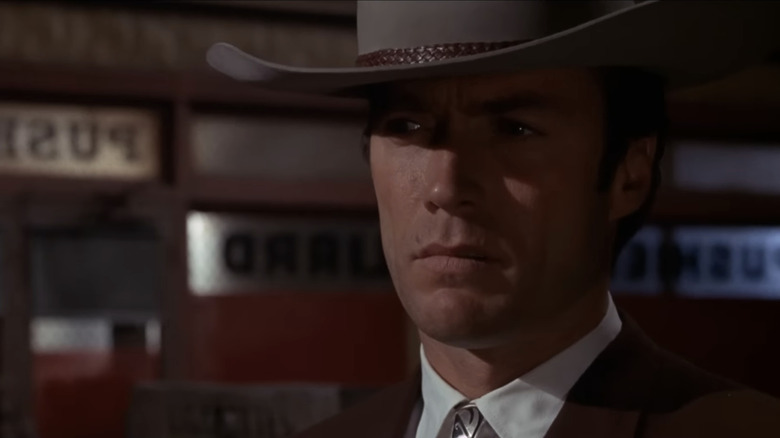
- Two Mules for Sister Sara (1970): A continuation of their successful working relationship in the Western genre.
- The Beguiled (1971): A daring, gothic psychological thriller that showcased the depth of their creative range.
- Dirty Harry (1971): Arguably their most famous collaboration, this film transformed the police procedural and created a cultural icon in Harry Callahan.
- Escape from Alcatraz (1979): A taut, minimalist prison break film that stands as one of the most critically acclaimed entries in both of their filmographies.
The importance of this partnership cannot be overstated. Siegel provided a template for the "tough, pragmatic professional" that Eastwood would continue to refine for decades. In many ways, Eastwood’s later directorial career—marked by efficiency, a focus on performance, and a respect for the "old school" of Hollywood filmmaking—can be traced back to the lessons learned while working under the tutelage of Don Siegel.
Conclusion: The Value of Creative Friction
Looking back at the explosive start of the Eastwood-Siegel partnership, one is reminded that great art often emerges from the heat of disagreement. Had they been in total alignment from day one, they might have produced a safe, conventional picture. Instead, the necessity of negotiation forced them to innovate, ensuring that the finished product was greater than the sum of its parts.
The story of their early quarrel serves as a poignant reminder that in the volatile world of filmmaking, the most fruitful partnerships are often forged in the fires of conflict. By learning to navigate their differing visions, Eastwood and Siegel not only saved their first project but secured their places in the cinematic pantheon, leaving behind a body of work that continues to influence directors and actors to this day. Through this lens, the "heated argument" in Jennings Lang’s office becomes not a footnote, but a cornerstone of their shared legacy.










