

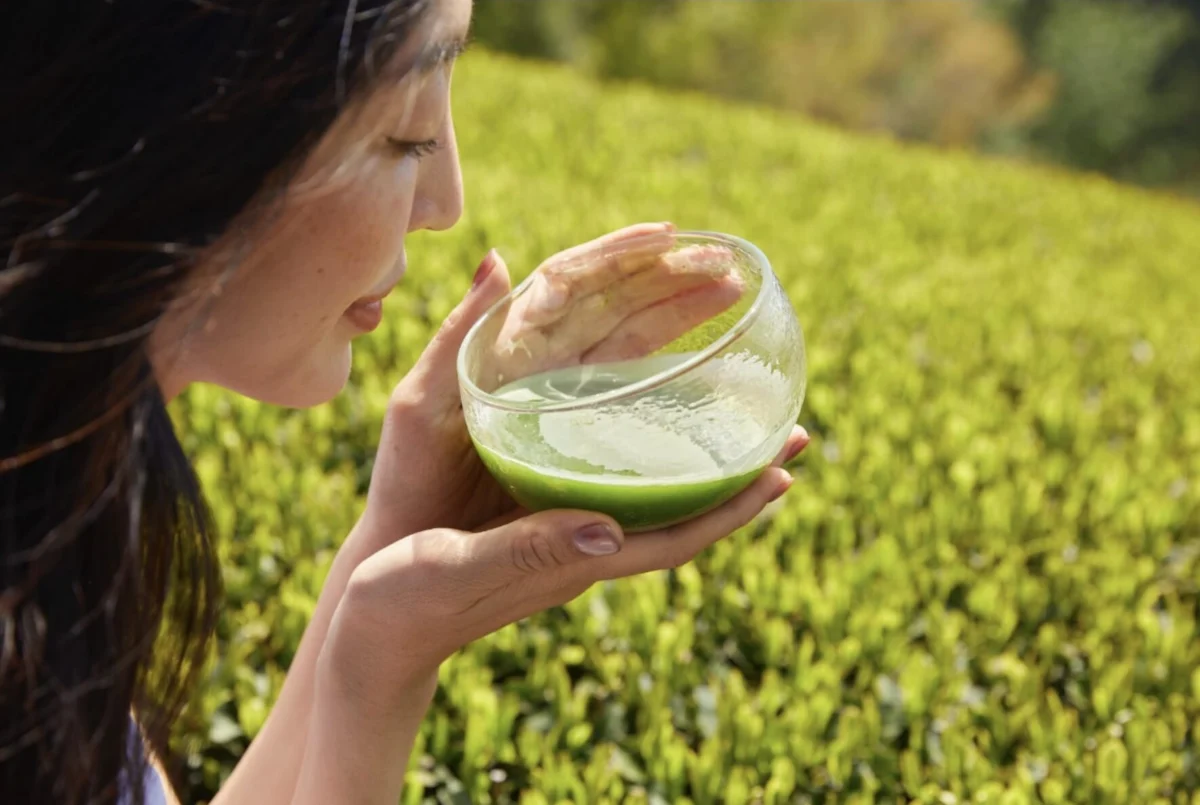
Long before matcha became the ubiquitous, neon-green star of social media feeds and artisanal cafe menus, Yuri Yasuda was quietly navigating the complex, centuries-old corridors of the Japanese tea industry. As a certified tea sommelier, Yasuda spent nearly two decades refining her palate and cultivating deep, symbiotic relationships with Japan’s most respected tea farmers. Today, she stands at the helm of Sayuri, a brand that is attempting to do something far more radical than simply selling tea: it is attempting to reclaim the cultural soul of a product that has been largely stripped of its context by the global "matcha boom."
The Evolution of an Industry Expert
The story of Sayuri is not one of a sudden pivot, but rather the culmination of a lifelong dedication to tea. Before the advent of the current matcha craze, Yasuda ran her company, Wonderlily, which served as a bridge between East and West. At the time, her mission was to introduce Western tea sensibilities—specifically those of Harney & Sons—into the Japanese market. It was a bold endeavor that required a nuanced understanding of both consumer cultures.
About six years ago, Yasuda made a strategic decision to reverse the flow of her business. Recognizing the growing global curiosity regarding Japanese tea, she launched Sayuri with the intent of exporting high-quality, authentic matcha to Western markets. However, the landscape she entered was drastically different from the one she had anticipated.
As Instagram reels and lifestyle influencers transformed matcha into a "meme"—a photogenic, aesthetic accessory for the modern urbanite—the brand’s mission underwent a profound evolution. Yasuda realized that matcha no longer needed an introduction; it needed a reclamation. "I think other brands want to make matcha fun and Instagrammable, which is great," Yasuda tells Tokyo Weekender, "but with our brand, we take it a few steps further. We want to highlight the Japanese culture at the core of green tea."
Chronology of a Visionary Brand
- The Early Years (Pre-2018): Yasuda operates Wonderlily, focusing on the importation of Western tea brands into Japan, establishing a reputation as a trusted importer and industry expert.
- The Strategic Shift (Circa 2018): Yasuda identifies a global gap in the quality and authenticity of exported Japanese tea. She founds Sayuri to bring authentic, high-grade matcha to Western consumers.
- The Matcha Boom (2019–2022): Matcha enters the mainstream consciousness. While the brand sees a surge in visibility, Yasuda identifies a disconnect between "aesthetic" matcha and traditional craftsmanship.
- Refinement and Education (2023–Present): Sayuri moves beyond being a mere supplier. Through workshops, educational outreach, and a diversified product line, the brand pivots toward establishing itself as a modern, holistic Japanese tea house.
Supporting Data: The Cost of Global Demand
The rapid growth of the global matcha market has brought with it a host of challenges. According to industry reports, the demand for green tea powder has grown exponentially, putting unprecedented pressure on traditional tea-growing regions in Japan.
Yasuda notes that this demand often encourages mass-production techniques that prioritize volume over quality. For Sayuri, sustainability is not merely an environmental buzzword—it is a production philosophy. "I don’t want to be a trendy matcha brand," Yasuda asserts. "I want to be a modern Japanese tea brand." This commitment manifests in a supply chain that prioritizes the longevity of tea production, ensuring that farmers are supported and that the traditional methods of cultivation, harvesting, and stone-grinding are preserved despite the pressures of global commercialization.

Today, millions of cups of Sayuri’s teas are served annually in premium hospitality settings, including luxury hotels and boutique cafes worldwide. This scale, however, has not come at the expense of Yasuda’s original vision. The brand’s online store serves as a secondary classroom, providing the tools and knowledge necessary for consumers to replicate the authentic experience at home.
Official Perspectives: The Philosophy of Respect
Central to Yasuda’s leadership is the concept of respect. In her view, the commodification of matcha often ignores the human element—the farmers who spend years tending to tea bushes, the masters who oversee the drying process, and the history that dictates how the tea is whisked and consumed.
"It’s a fun, everyday drink," Yasuda explains, "but it makes such a world of difference to actually have a bit of awareness and knowledge of where matcha comes from." By focusing on this educational component, Sayuri is attempting to foster a "third-wave" tea movement. Much like the specialty coffee industry, which pushed consumers to care about the origin, altitude, and processing method of their beans, Yasuda wants tea drinkers to care about the terroir of their matcha.
Implications for the Future of Tea
The implications of Sayuri’s approach are significant for the broader tea industry. As climate change threatens traditional growing regions and the cost of labor rises, the "fast-matcha" model faces a precarious future. Brands that rely solely on trends are susceptible to the fickle nature of social media, whereas brands that invest in cultural education and supply chain integrity are building long-term, loyal communities.
By diversifying beyond matcha—offering high-quality sencha and hojicha—Sayuri is encouraging a broader appreciation for the Japanese tea category. This diversification helps stabilize the market for farmers who might otherwise be forced to monocrop their land for high-demand, low-quality matcha powders.
Curated Excellence: The Sayuri Collection
To support this educational journey, Sayuri has developed a range of products designed to cater to both the novice and the connoisseur.
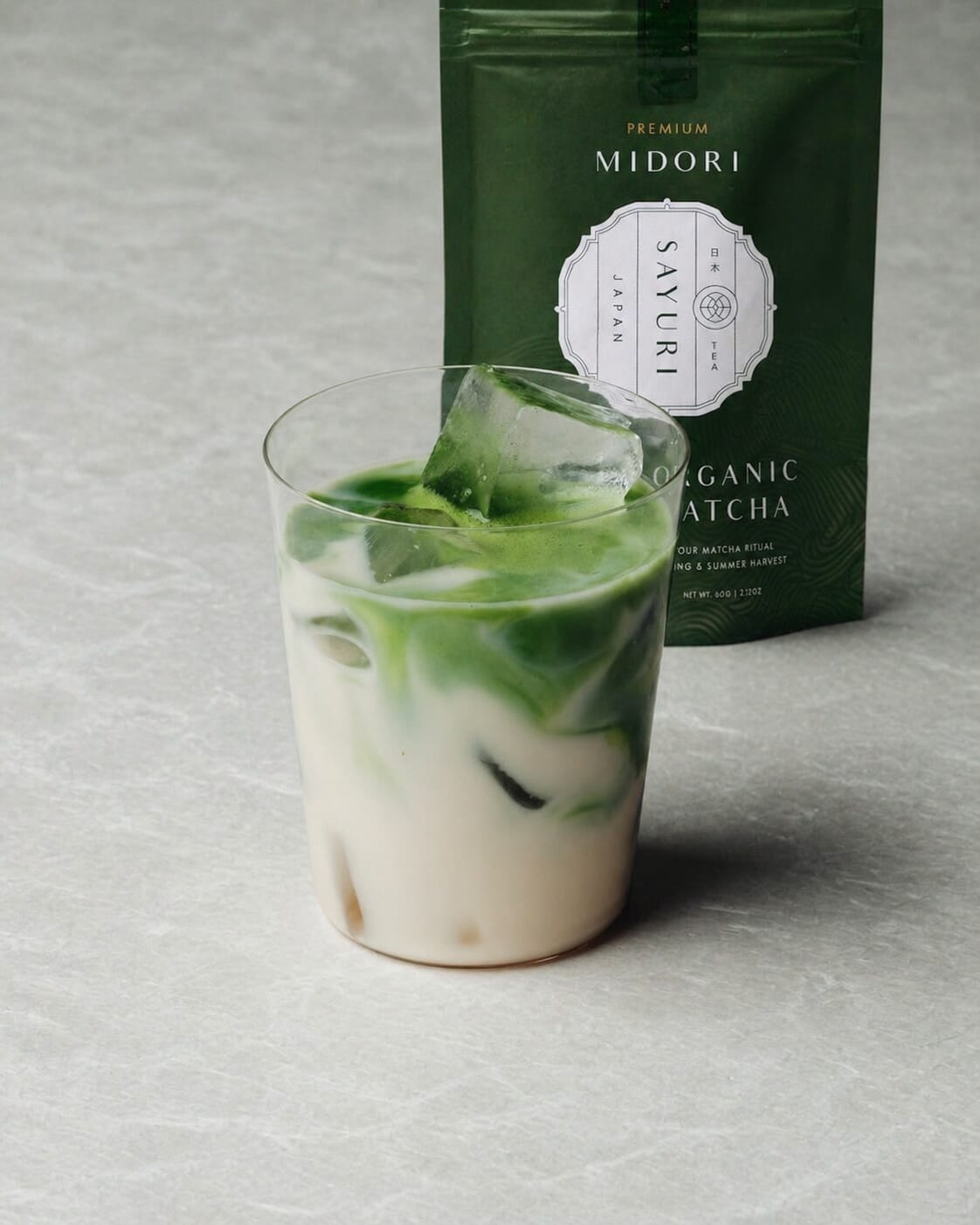
Midori Premium Organic Matcha
The Midori blend represents the intersection of accessibility and excellence. Combining spring and summer harvests, this organic, premium-grade matcha offers a vibrant green hue and a smooth, grassy profile. It is specifically formulated to be versatile, holding its own in modern applications like lattes and smoothies while retaining the complex flavor notes expected of a higher-grade tea.
Ceremonial Matcha Sticks
Recognizing the fast-paced nature of modern life, Sayuri introduced these pre-portioned sachets. Each contains 2 grams of spring-harvested, ceremonial-grade matcha. These sticks solve the "measuring problem" that often deters beginners, ensuring that every bowl is prepared with the correct ratio of powder to water, guaranteeing a consistent, full-bodied experience.
The Ritual Kits: Elevating the Daily Habit
Perhaps the most significant aspect of the Sayuri brand is its emphasis on the act of tea preparation. The Deluxe Matcha Ritual Kit includes 30 grams of Ceremonial Organic Matcha Haru, a bamboo whisk (chasen), a bamboo spoon (chashaku), a matcha strainer, a handmade ceramic bowl, and a whisk holder. This kit is more than a purchase; it is an invitation to pause. Similarly, the Sayuri Traditional Matcha Kit provides a streamlined, portable version of this experience, complete with a traditional furoshiki cloth for storage and travel.
Conclusion: A New Standard for Authenticity
As the global obsession with matcha continues to mature, consumers are beginning to seek more than just a vibrant drink. They are seeking the story, the craftsmanship, and the cultural history behind the powder. Through two decades of expertise and an unwavering commitment to respect, Yuri Yasuda and Sayuri are not just selling tea; they are curating a bridge between ancient tradition and modern life.
In a world that demands everything to be faster and louder, Sayuri offers a quiet, green counter-narrative. It serves as a reminder that the most profound experiences are often found in the simplest of rituals—provided one takes the time to understand the care and history that went into the cup. Whether through their carefully sourced leaves or their commitment to sustainable farming, Sayuri is setting a new standard for what it means to be a modern, global tea brand.












No comments yet. Be the first to join the conversation!