Pevita Pearce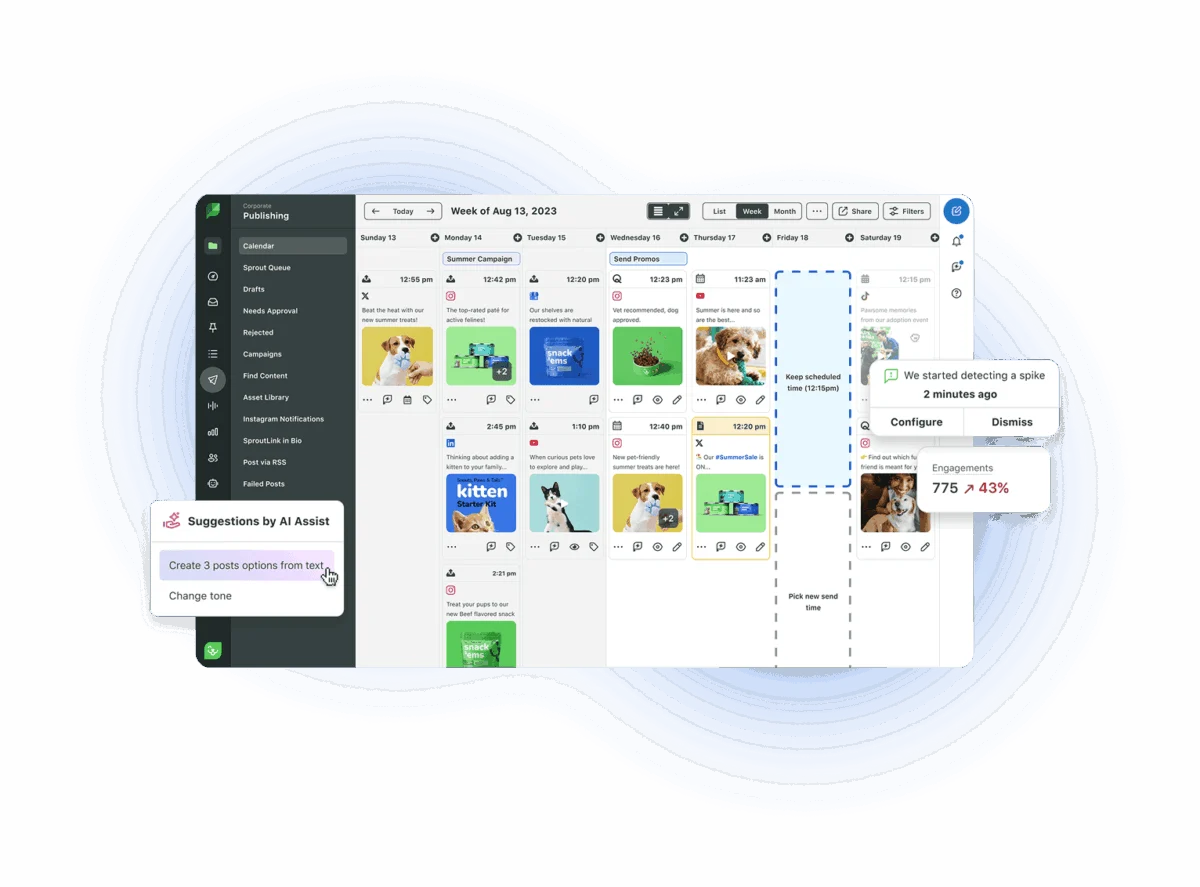
For the modern small business owner, the daily grind is a relentless balancing act. Between managing supply chains, balancing spreadsheets, and ensuring day-to-day operations run smoothly, marketing often slips to the bottom of the priority list. It isn’t a lack of ambition or an underestimation of marketing’s importance; it is a simple reality of resource scarcity. Most small enterprises lack the luxury of dedicated ad budgets, creative agencies, or sprawling marketing departments.
However, the digital landscape has shifted. Social media has effectively leveled the playing field, providing a high-impact channel that is accessible, scalable, and—crucially—cost-effective. As data indicates that social platforms now drive 60% of product discovery, the question for small businesses is no longer if they should use social media, but how they can use it to survive and scale.
The Evolution of Social Commerce: A New Reality
The paradigm of how consumers interact with brands has fundamentally changed. We have moved from an era of traditional advertising to an era of "social discovery." Consumers are no longer waiting for commercials to find products; they are actively using social platforms as search engines.
The Numbers Behind the Shift
The latest data underscores a critical transition in consumer behavior. In 2026, social platforms have solidified their status as the primary touchpoint for product research. For the small business owner, this means that a lack of social presence is equivalent to being invisible.
Furthermore, the 2025 Sprout Social Index™ highlights that personalized customer service has become the single most important expectation for consumers. Brands that ignore comments or delay responses are not just losing a single interaction; they are driving potential customers into the arms of competitors. In fact, 73% of social media users report that they would switch to a competitor if a brand fails to engage with them promptly on social channels.
Strategic Framework: How to Build Your Presence
Navigating the digital space requires more than just posting photos; it requires a deliberate, data-backed strategy. For businesses operating with limited bandwidth, the key is to prioritize quality over quantity.
1. Defining the Target Audience
Marketing dollars are most effective when they are focused. Before publishing a single post, business owners must build a comprehensive profile of their ideal customer.
- Demographics: Who are they? Where do they reside? What is their professional background?
- Psychographics: What are their values, hobbies, and interests?
By leveraging tools like Meta Audience Insights and TikTok Audience Insights, businesses can move beyond guesswork and tailor their content to the specific cultural and personal drivers of their audience.
2. Platform Selection: Less is More
One of the most common pitfalls for small businesses is the attempt to maintain a presence on every platform. This "spray and pray" approach often results in burnout and inconsistent branding. Instead, entrepreneurs should align their industry with the platform’s core strength.
- Professional and Tech-Centric: Platforms like X (formerly Twitter) remain hubs for industry conversation.
- Visual and Retail-Driven: Instagram and TikTok are the premier engines for product discovery, particularly for Gen Z audiences.
- Community and Demographic-Specific: Facebook remains a vital tool for reaching older demographics and fostering local community groups.
Chronology of an Effective Content Strategy
Building a successful social media engine is not an overnight task; it is a process of consistent, iterative improvement.

- Phase 1: Planning and Batching: Avoid the "winging it" mentality. Allocate specific blocks of time—perhaps every Monday morning—for ideating, drafting, and scheduling content. Batch-creating content allows for a steady stream of output, ensuring the brand remains top-of-mind without requiring daily manual intervention.
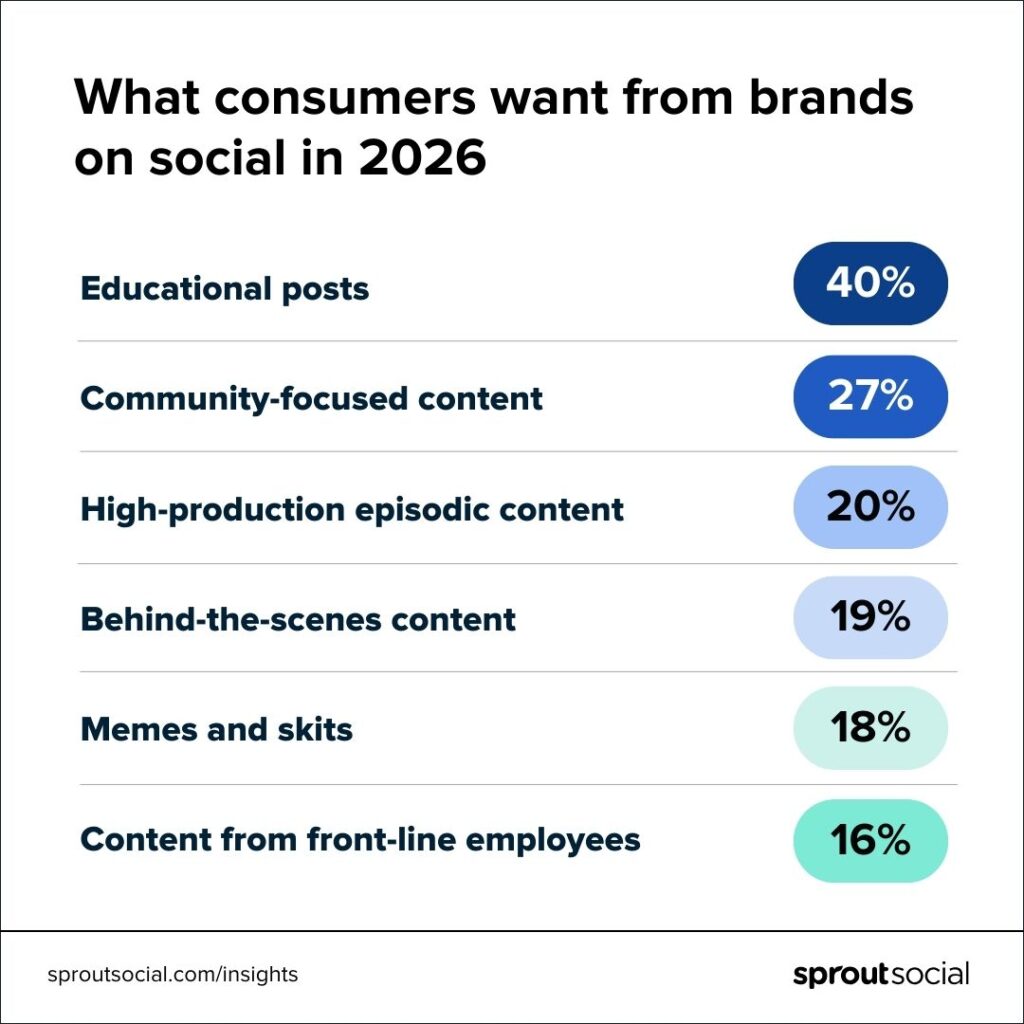
- Phase 2: The Rise of Short-Form Video: Data from the 2026 Social Media Content Strategy Report is clear: short-form video (under 60 seconds) is the highest-converting content format. Whether it is behind-the-scenes footage, educational tips, or participation in trending audio, short-form video captures attention in a way static images no longer can.
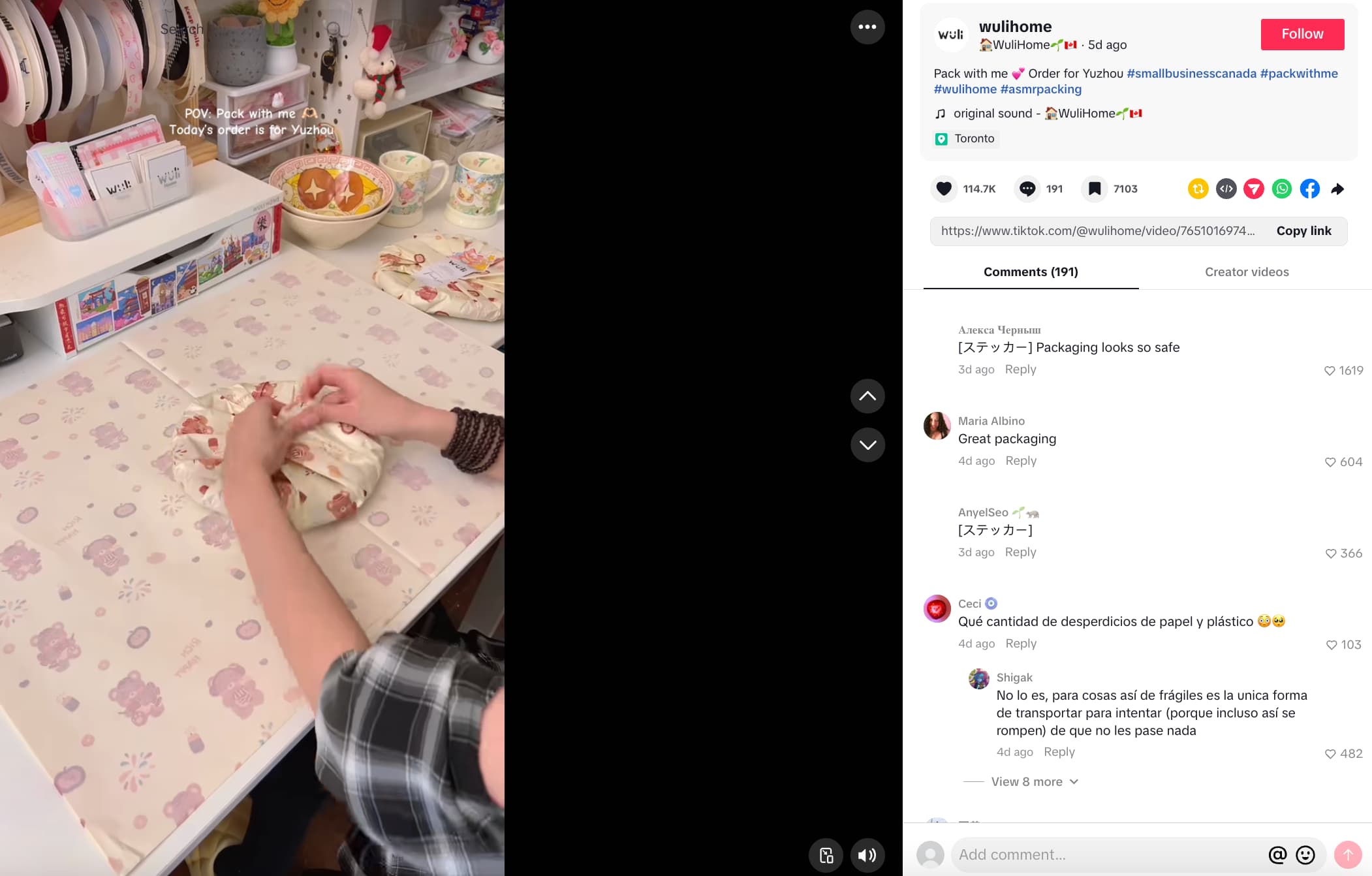
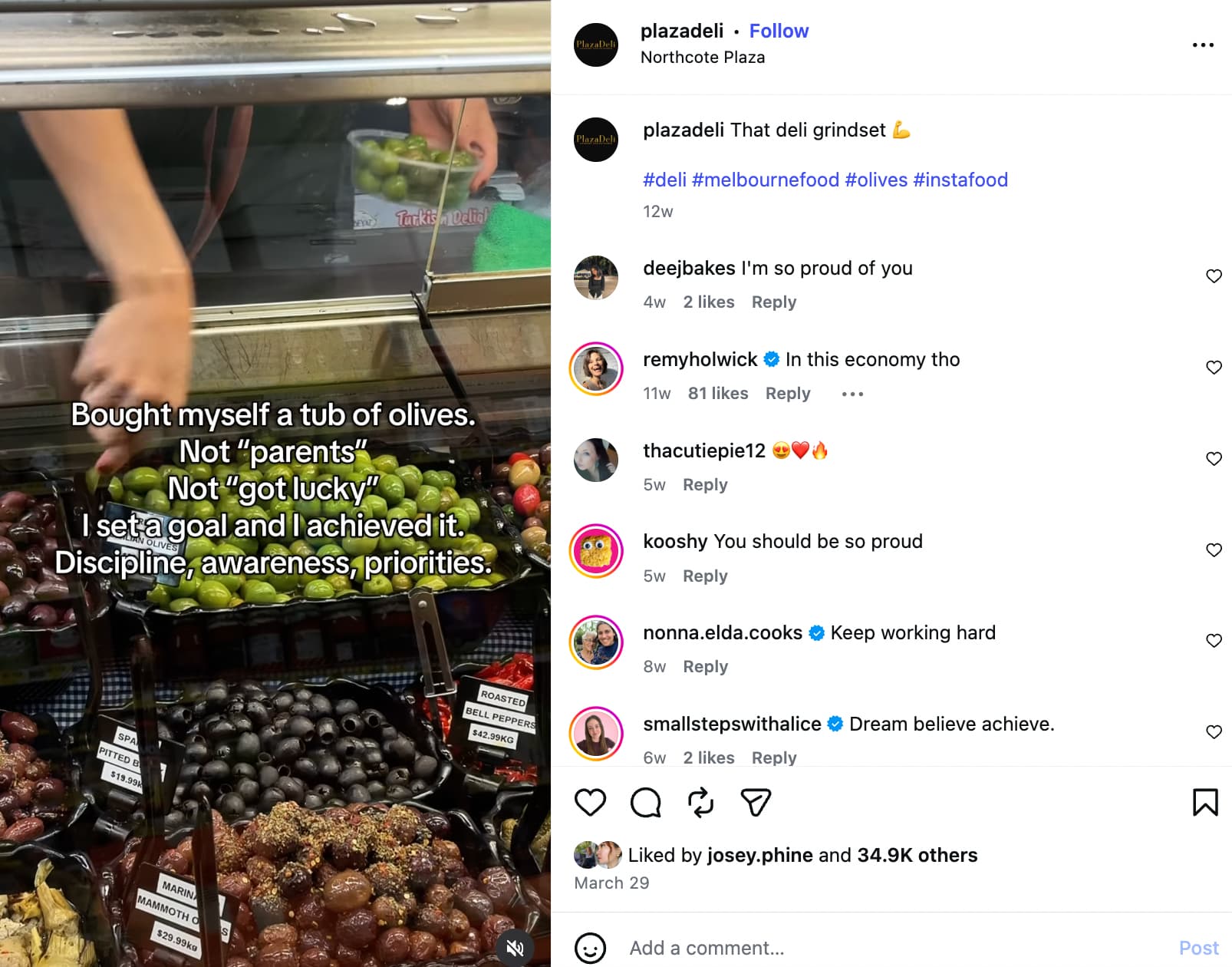
- Phase 3: Community Engagement: This is the phase where customer loyalty is won. By treating the comment section as a two-way dialogue rather than a broadcast channel, businesses can humanize their brand. Responding to questions, acknowledging feedback, and injecting humor—as seen in the success of accounts like Plaza Deli—builds a lasting community.
Leveraging Social Proof: The Power of the Crowd
In the digital age, trust is the currency of the realm. Potential customers are far more likely to trust the opinion of a peer than the polished advertisement of a corporation. This is why User-Generated Content (UGC) is a non-negotiable component of a modern strategy.
By encouraging customers to share their own photos and reviews, businesses can foster authentic connections. When a brand reposts a customer’s content—with permission—it acts as a powerful endorsement. Furthermore, partnering with local micro-influencers (those with 1k to 10k followers) offers a high-ROI alternative to celebrity endorsements. These creators have deep, hyper-local trust that often translates into direct sales for small businesses.
Data-Driven Decision Making
The beauty of digital marketing is that it is measurable. When resources are tight, every post must work for its keep. Business owners should rely on native analytics to track:
- Engagement Rates: Which posts trigger the most conversation?
- Saves and Shares: These are "high-intent" metrics that indicate a piece of content is valuable enough to be saved for later or shared with a friend.
- Optimal Send Times: Posting when the audience is active is the easiest way to improve organic reach.
By auditing these metrics monthly, businesses can pivot away from what isn’t working and double down on content formats that resonate with their specific audience.
Implications for the Future of Small Business
The digital shift has profound implications for the future of commerce. We are seeing a decentralization of the "marketing funnel." Previously, companies had to spend thousands on traditional advertising to build a brand. Today, a single viral, authentic post can generate more revenue than a month-long billboard campaign.
However, this accessibility comes with the challenge of time management. As business owners juggle administrative and operational tasks, the manual burden of managing multiple social accounts can become a bottleneck. This is where the integration of management tools becomes essential.
Modern platforms, such as Sprout Social, allow businesses to automate the "heavy lifting." By utilizing visual calendars, scheduling tools, and centralized analytics dashboards, owners can effectively put their social media on "autopilot." This does not mean removing the human touch; it means optimizing the process so that the human element—the actual engagement and community-building—can take center stage.
Conclusion: Working Smarter
The narrative that social media is too complex or too time-consuming for the small business owner is a relic of the past. Today, the tools exist to turn social media into an engine for growth rather than a drain on resources. By identifying the right audience, focusing on high-quality short-form video, fostering genuine engagement, and utilizing data to refine their approach, small businesses can achieve a reach that once required a corporate-level budget.
In an economy where visibility is synonymous with viability, social media is no longer an optional "extra"—it is the foundation upon which the next generation of successful small businesses will be built. The winners will not necessarily be the businesses with the biggest budgets, but those who are the most authentic, the most consistent, and the most responsive to their community.



 Asro
Asro