

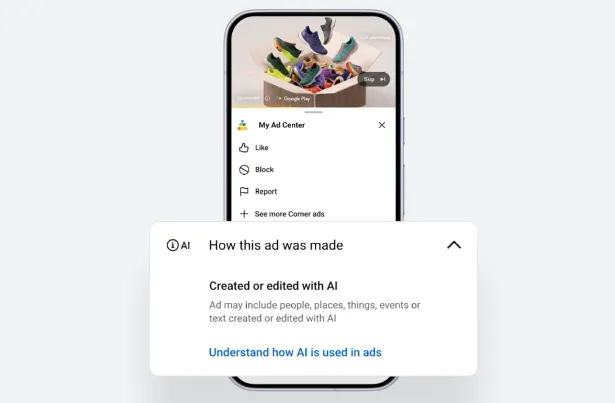
In an era where the boundary between human-crafted marketing and synthetic content is blurring, Google has taken a decisive step toward industry-wide accountability. The search giant recently announced a comprehensive initiative to implement "AI transparency labels" across its sprawling advertising ecosystem. This move, designed to empower consumers and provide clarity in an increasingly automated digital landscape, marks one of the most significant regulatory shifts in online advertising history.
As generative artificial intelligence (AI) tools become standard utilities for marketers, the potential for misinformation and the erosion of consumer trust has prompted this proactive measure. By integrating sophisticated detection technologies and user-facing disclosure panels, Google is setting a new precedent for how brands interact with their audiences.
The Core Mechanics of the New Disclosure System
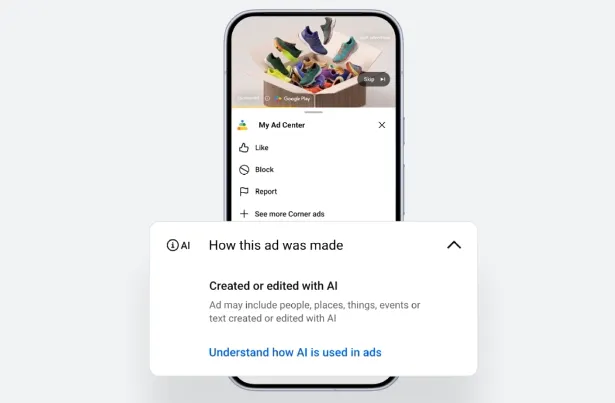
At the heart of Google’s new policy is the "How this ad was made" information panel. Accessible via the ubiquitous three-dot menu found on all Google advertisements, this feature acts as a diagnostic tool for the end user. When a viewer interacts with an ad, they can now discern whether the imagery, copy, or video components were synthesized or augmented by generative AI.
Automated and Manual Compliance
Google has designed this system to be bi-directional to ensure high levels of compliance:
- Native AI Integration: When advertisers utilize Google’s own suite of generative AI advertising tools, the platform will automatically append the disclosure label to the ad’s "My Ad Center" panel.
- Third-Party Tooling: For brands using external AI platforms—such as Midjourney, DALL-E, or other proprietary models—Google is introducing a manual control within the ad setup process. This allows advertisers to proactively indicate the presence of AI, ensuring that transparency is not limited solely to Google-native tools.
Chronology of the Shift: From Novelty to Necessity
The path to this announcement has been marked by a rapid escalation in AI adoption across the marketing sector.
- Early 2023: The "Generative AI Boom" began, with brands rushing to adopt tools to optimize creative workflows, reduce costs, and iterate ad campaigns at unprecedented speeds.
- Mid-2023: Concerns regarding "hallucinations," deepfakes, and consumer deception began to dominate industry discourse. Regulatory bodies worldwide began signaling that digital transparency would soon be a requirement, not an option.
- Late 2023: Google began testing internal watermarking technologies through its DeepMind division, laying the groundwork for automated detection.
- 2024: Google formally launched its transparency initiative, moving beyond experimental phases to mandate disclosures, aligning its policies with emerging international standards on digital content integrity.
Supporting Data and Detection Technology: SynthID and C2PA
Google’s ability to enforce these disclosures relies on a two-pronged technological approach that balances proprietary innovation with industry-standard protocols.
The Role of SynthID
Central to this initiative is SynthID, a sophisticated watermarking technology developed by Google DeepMind. Unlike traditional digital watermarks that are easily stripped by resizing or re-encoding, SynthID embeds imperceptible changes directly into the pixels of AI-generated images or the waveforms of audio files. This allows Google’s systems to scan, detect, and categorize content as "AI-originated" even if the file has been modified after the initial generation.
Integrating C2PA Metadata
Recognizing that a single proprietary solution is insufficient, Google is also embracing the Coalition for Content Provenance and Authenticity (C2PA). This open technical standard acts as a "digital nutrition label," attaching tamper-evident metadata to content. By supporting C2PA, Google ensures that its platform can recognize AI markers generated by cameras, software, and creative suites that adhere to this global standard, creating a more cohesive ecosystem of verification.
Official Responses and Regulatory Context
Google’s official stance, as articulated in their recent blog posts, focuses on the balance between innovation and user empowerment. "We want to make managing AI disclosures as simple as possible for advertisers," a Google spokesperson stated. By streamlining the disclosure process, the company aims to reduce the "friction of compliance" that often discourages smaller brands from adhering to strict ethical standards.
The Regulatory Landscape
This move does not occur in a vacuum. The European Union’s AI Act and ongoing inquiries by the U.S. Federal Trade Commission (FTC) into deceptive advertising practices have applied significant pressure on Big Tech. By self-regulating, Google is positioning itself as a proactive partner to regulators, potentially forestalling more draconian legislation that could stifle the generative AI market.
Implications: The Future of Digital Advertising
The impact of this transparency mandate will be felt across the entire marketing value chain, from content creators to the average consumer.
1. The Erosion of the "Uncanny Valley"
For years, the marketing industry has struggled with the "uncanny valley"—the discomfort felt when AI-generated human faces or voices appear almost, but not quite, real. Transparency labels serve as a psychological "release valve." When a consumer knows they are looking at an AI-generated asset, their expectations adjust, potentially reducing the negative sentiment associated with synthetic content.
2. A Shift in Creative Workflow
Brands will need to rethink their content pipelines. Previously, AI was a "black box" tool used to save time. Now, it is a transparent part of the brand’s identity. Companies that are honest about their AI usage may find themselves building higher levels of brand trust compared to competitors who attempt to hide their reliance on synthetic media.
3. Ethical Advertising and Liability
By mandating these disclosures, Google is effectively shifting the burden of truth onto the advertiser. If an ad contains AI-generated material that is not labeled, the responsibility for potential legal or reputational fallout rests firmly with the brand. This will likely lead to a surge in demand for "content provenance" software, which helps marketing teams track and manage the metadata of every asset in a campaign.
Challenges and Future Outlook
Despite the progress, the initiative faces significant hurdles. One primary concern is enforcement consistency. While Google can mandate labels for ads running on its own network, the internet remains a vast, decentralized space. If an ad is generated using AI and then distributed through non-Google channels, the transparency link is broken.
Furthermore, there is the risk of "label fatigue." As consumers are bombarded with more warnings, privacy notices, and disclosure tags, there is a risk that they will begin to ignore the "How this ad was made" panel entirely. Google’s design team will need to iterate on how these disclosures are presented—perhaps moving toward more visual, intuitive iconography rather than text-heavy menus.
The Path Forward
As we look toward the future, the integration of AI transparency is likely to become as standard as the "Sponsored" label on search results. We are entering a "Post-Truth" era in digital media, where the authenticity of a pixel is no longer guaranteed. Google’s latest transparency measures are the first line of defense in a long-term battle to maintain the sanctity of information.
For advertisers, the message is clear: transparency is no longer a PR strategy—it is a technical requirement. Those who lean into this shift by being transparent about their AI usage will likely find themselves ahead of the curve. Those who attempt to obfuscate the use of generative tools face the dual risk of platform de-prioritization and the loss of consumer trust—a commodity that is increasingly difficult to regain once lost.
As Google continues to refine its SynthID capabilities and broaden the scope of its C2PA support, the industry must prepare for a more authenticated internet. The "How this ad was made" panel is more than just a menu; it is a digital signpost pointing toward a more accountable, transparent, and honest future for global commerce.











