

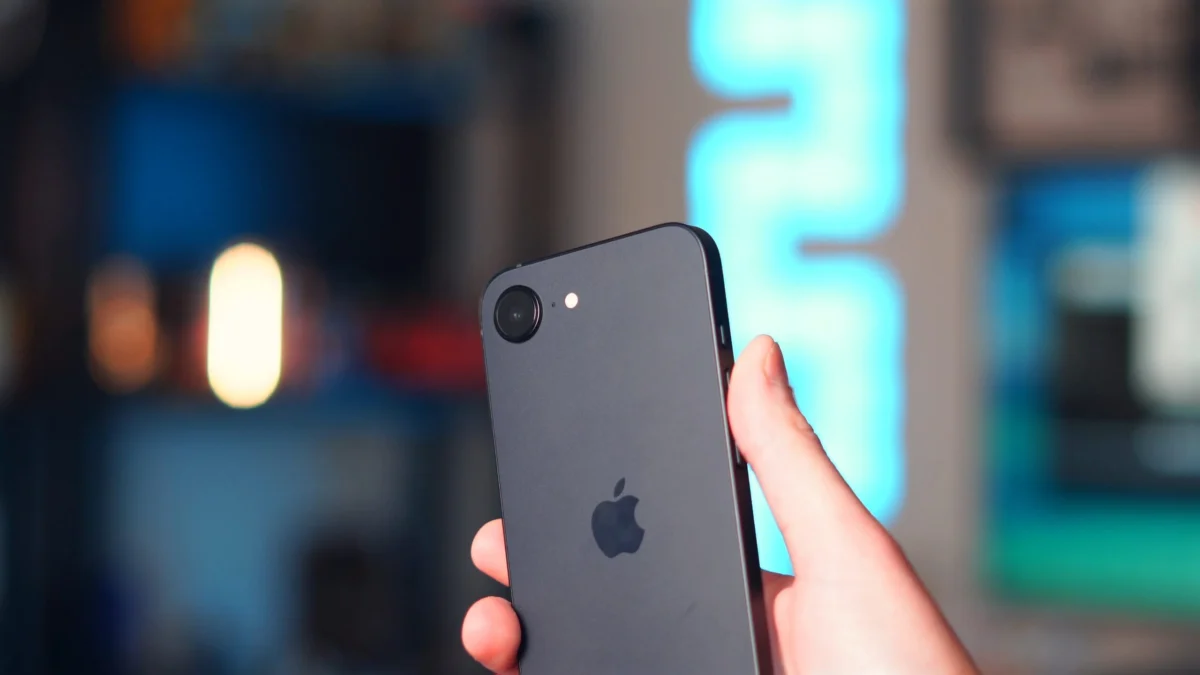
The current strategy of the Apple iPhone "e" series is defined by a predictable, iterative cycle. When Apple debuted the iPhone 16e last year at a $599 price point, the reception was lukewarm. It was, by all accounts, an "okay" phone. While this year’s refresh—featuring the A19 chipset, expanded storage, and the long-awaited inclusion of MagSafe—brought it up to modern standards, the device remains trapped in a safe, uninspiring middle ground. It is a functional smartphone at a functional price, but it lacks the disruptive "killer app" appeal necessary to meaningfully erode the Android market share.
As we look toward the future of Apple’s mobile strategy under the leadership of CEO John Ternus, it is becoming increasingly clear that the "e" series—now evolving into the iPhone 17e—is missing a crucial spark. To truly challenge the dominance of Android in both developed and emerging markets, Apple must look toward its own success story from earlier this year: the MacBook Neo.
The Disparity: iPhone 16e vs. MacBook Neo
The launch of the MacBook Neo was a masterclass in product positioning. Unlike the iPhone 16e, which felt like a collection of leftover parts assembled to meet a price target, the MacBook Neo shattered expectations. It was not merely a "cheaper laptop"; it was a compelling, high-value machine that offered a premium experience at a price point that made the competition look stagnant.

The core issue with the iPhone 16e and its successor, the 17e, is that they adhere strictly to the "Apple tax" formula—they are simply cheaper iPhones. They offer no "magical" quality that forces a consumer to reconsider their allegiance to the Android ecosystem. A consumer switching from a high-end Samsung or Google Pixel device to an iPhone 16e often feels as though they are making a compromise, not a trade-up. The MacBook Neo, conversely, made users feel as though they were getting a "great" laptop, not just a "good" one.
Chronology of Apple’s Budget Strategy
To understand why the iPhone 16e/17e strategy is stalling, we must look at the timeline of Apple’s budget-conscious offerings:
- 2016-2022 (The SE Era): Apple relied on the iPhone SE series, utilizing older chassis designs with updated processors. This served the "budget" crowd but eventually became synonymous with dated design, particularly regarding bezels and screen technology.
- 2025 (The Shift to ‘e’): The introduction of the iPhone 16e marked an attempt to modernize the entry-level tier. It provided a more contemporary aesthetic but remained tied to the "parts-bin" philosophy—using recycled components to keep margins healthy.
- 2026 (The Refinement): The iPhone 17e refresh added the A19 chip and improved connectivity, but the market positioning remained static. Sales are steady but unremarkable, failing to move the needle in the competitive landscape.
- The Future (The Neo Potential): The industry is now waiting for the next paradigm shift. With John Ternus taking the helm, rumors are circulating about whether Apple will pivot from a "cheaper iPhone" to a "purpose-built value device."
Supporting Data: The Case for the $399 Price Point
The smartphone market is bifurcated. In the United States and parts of Western Europe, the sticker price of a device is often obfuscated by carrier subsidies, financing plans, and trade-in credits. Consequently, an extra $100 or $200 on the upfront cost matters less to the consumer than the monthly bill.
However, in the global market—specifically in Latin America, Southeast Asia, and parts of Africa—the $599 price point of the iPhone 17e is a massive barrier to entry. In these regions, Android dominates because it offers a sliding scale of quality and price that Apple has historically ignored.
If Apple were to manufacture an "iPhone Neo" at a $399 price point, it would effectively neutralize the primary advantage of mid-range Android devices. To reach this, Apple would need to be radical:
- Display Tech: Moving from high-cost OLED to a high-quality, efficient LCD panel could significantly reduce the bill of materials (BOM).
- Optics: A single, high-quality 12MP sensor would likely suffice for the target demographic, avoiding the complexity and cost of multi-lens arrays.
- Silicon: Leveraging an older, proven chip like the A18—which is already mature in the production cycle—would drive costs down while maintaining the fluid iOS experience that users demand.
- Form Factor: A smaller, 5.8-inch footprint would not only be cost-effective but would also cater to the "small phone" enthusiast market that is currently being abandoned by most major manufacturers.
Official Responses and Strategic Shifts
While Apple has not officially commented on an "iPhone Neo," the shifting winds under John Ternus suggest a more pragmatic approach to hardware. Analysts note that Ternus’s engineering-first background may lead to a reorganization of how Apple approaches component modularity.

Industry insiders suggest that Apple is currently conducting "aggressive feasibility studies" on a sub-$400 device. While previous leadership prioritized high-margin flagship sales, there is a growing consensus within Cupertino that market saturation in the premium sector requires a new growth engine. By creating a device that sits beneath the 17e in the lineup, Apple would not cannibalize its existing sales; instead, it would open a new funnel for the Services ecosystem—Apple Music, iCloud, and Apple TV+—which have become the company’s primary long-term revenue drivers.
Implications for the Global Ecosystem
The implications of an entry-level "iPhone Neo" are profound. First, it would force Android manufacturers to stop competing on price and start competing on innovation. Currently, many mid-range Android phones survive simply because they are the only option for price-sensitive buyers. If Apple enters that space with its superior software support, integration, and ecosystem longevity, the "value" proposition of a budget Android device evaporates.
Second, for the consumer, this represents a democratization of the Apple experience. Currently, the "entry cost" to the Apple ecosystem is high. By lowering this barrier to $399, Apple would convert millions of users who are currently "locked out" of the ecosystem due to financial constraints. Once a user is in the ecosystem—using iMessage, FaceTime, and Find My—the probability of them upgrading to a more expensive iPhone in the future increases exponentially.

Conclusion: A Change in Philosophy
The iPhone 17e is not a failure, but it is a missed opportunity. It is a product of cautious, incremental evolution in a market that is crying out for a bold, structural change. The MacBook Neo proved that Apple can build high-quality hardware at a disruptive price point without damaging its brand image.
If Apple intends to capture the next generation of smartphone users, it must stop treating its budget devices as "discounted iPhones" and start treating them as a distinct, strategic pillar. With a $399 price target and a design philosophy focused on essentialism, an "iPhone Neo" would do more than just sell units—it would fundamentally redefine the global smartphone hierarchy. Under John Ternus, the question is no longer whether Apple can build such a phone, but whether they have the vision to redefine their own market boundaries.










No comments yet. Be the first to join the conversation!