At the 2026 Annecy International Animation Film Festival, the global animation community witnessed a pivotal moment for Indian cinema. Acclaimed director S. S. Rajamouli, the visionary behind the earth-shattering Baahubali live-action franchise, took to the stage to unveil a project that promises to push the boundaries of both medium and mythology: Baahubali: The Eternal War Part 1.
Positioned as an ambitious animated expansion of his cinematic universe, the project represents a departure from traditional adaptations, opting instead for a bold, mythic exploration of the afterlife. With a global team of eight studios and a stylistic approach that bridges the gap between painterly aesthetics and high-octane sakuga anime, The Eternal War is poised to be a landmark in international animation.
The Core Concept: A Mythological Odyssey
The narrative of The Eternal War functions as a canonical bridge, set specifically between the events of Baahubali: The Beginning and Baahubali: The Conclusion. While the live-action films grounded the legend of the Mahishmati kingdom in a heightened, operatic reality, this animated iteration dives headfirst into the surrealist realms of Indian cosmology.
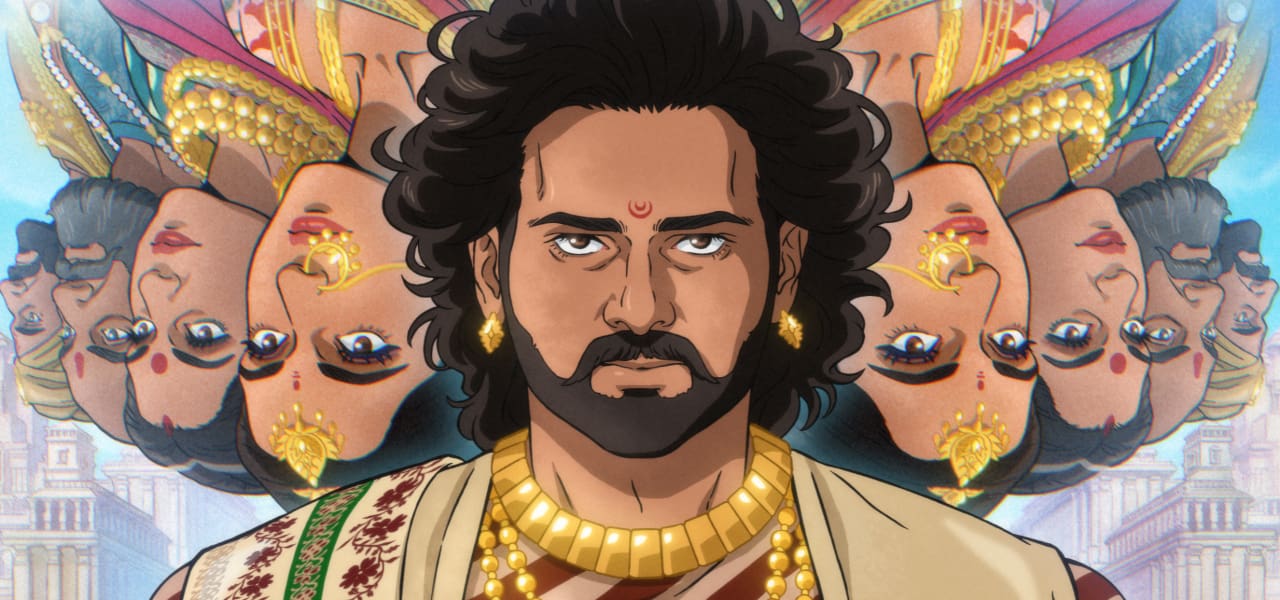
Director Ishan Shukla describes the film as an "alternate universe" that avoids the pitfalls of franchise fatigue. Rather than simply retelling the story of the live-action protagonist, the film follows Baahubali in the immediate aftermath of his death as he traverses the 14 realms of the Indian afterlife. This journey is not merely a travelogue of the divine; it is a war-torn odyssey where the hero must navigate encounters with gods and existential threats that defy human comprehension.
By embracing the supernatural, the creative team has been granted the freedom to visualize concepts that were previously impossible to execute on a live-action budget. Shukla highlights the inclusion of giant eagles, multi-headed elephants, and Vimāna—flying palaces that evoke a sense of ancient, celestial technology. This is not a retread of the original; it is a thematic escalation of the "superhuman" elements that made the original films such a global phenomenon.
A Chronology of Vision and Development
The development of Baahubali: The Eternal War has been a meticulous process of balancing reverence for the source material with the demands of a new medium.
.png)
- Initial Conception: Following the conclusion of the live-action films, Rajamouli sought a way to keep the spirit of the franchise alive without retreading familiar ground. He found a kindred spirit in director Ishan Shukla, who proposed a narrative set in the afterlife.
- Research Phase: Co-writer Sowmya Sharma led an exhaustive effort to synthesize complex Indian mythological texts. While the source material was familiar to the team as cultural folklore, adapting it into a cohesive narrative structure required months of deep-dive research into Vedic and Puranic literature.
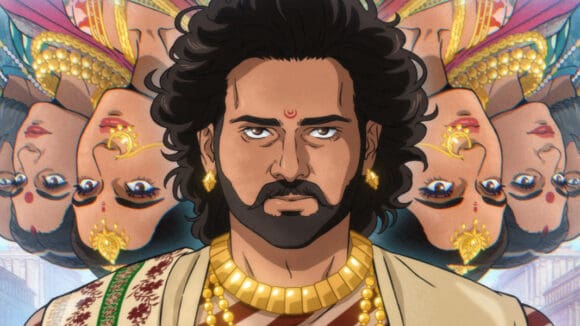
- Stylistic Iteration: The animation team, led by Antoine Charreyron, faced the daunting task of character design. Translating the likeness of lead actor Prabhas into an animated format required numerous revisions—the most notable hurdle being the character’s iconic, voluminous hair, which required sophisticated physics modeling to maintain its gravity-defying presence.
- The Annecy Reveal: The June 2026 presentation at Annecy served as the official global coming-out party for the film, where the team shared early concept art, high-fidelity trailers, and the announcement of a groundbreaking collaboration with Japan’s Studio Khara.
Supporting Data: A Global Collaborative Effort
One of the most remarkable aspects of The Eternal War is its decentralized production model. To manage the sheer scale of the animation, the production has tapped into the expertise of eight specialized studios across Scotland, France, India, and Japan.
The inclusion of Studio Khara, the powerhouse behind the Rebuild of Evangelion series, has generated significant buzz within the industry. Their involvement in a 2D sequence marks a high-profile marriage between Indian mythological epics and the precision of Japanese animation. Shukla confirmed that the team at Khara was given "complete creative freedom," resulting in a sequence that feels both authentic to their signature style and additive to the film’s overall aesthetic.
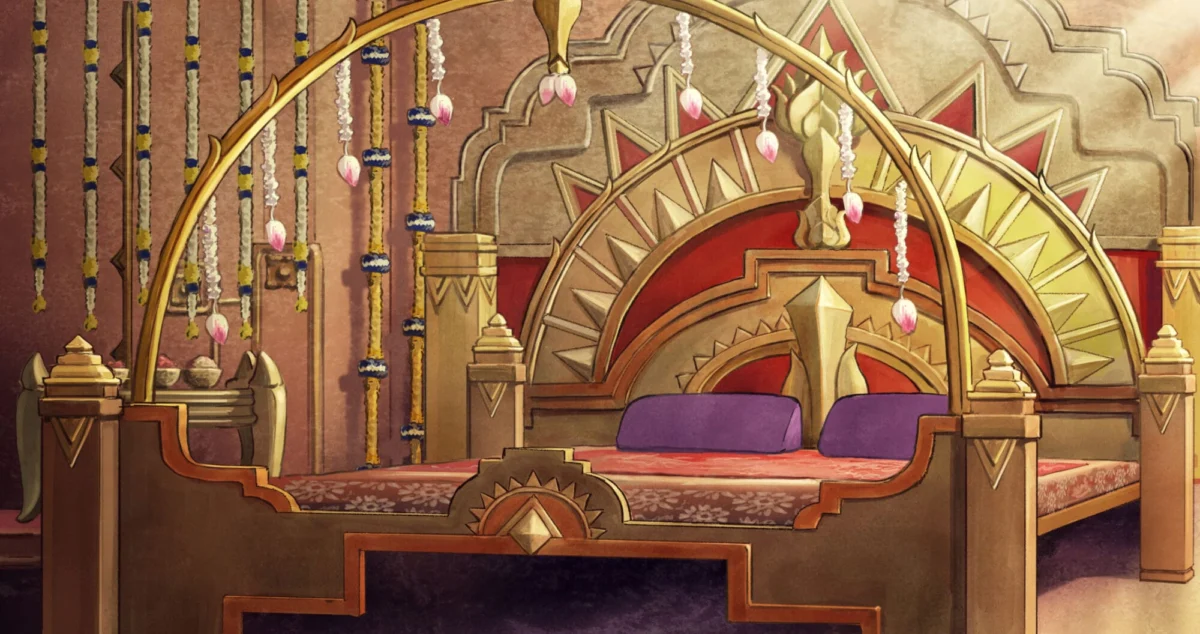
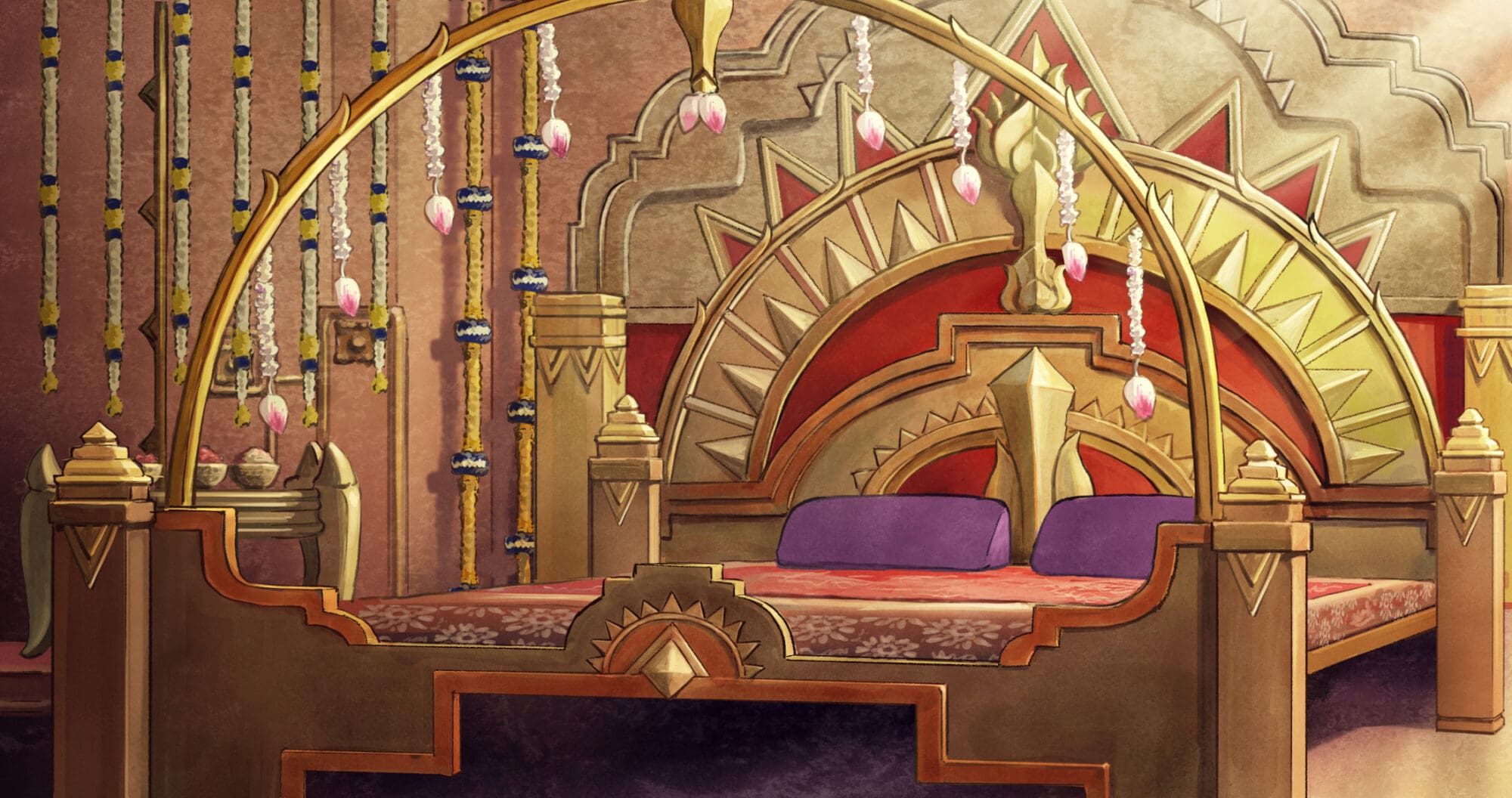
The film’s visual language is a calculated choice. Rather than pursuing a hyper-realistic CG aesthetic—which the team believes dates quickly—the directors opted for a "painterly" style. This aesthetic aims to honor the texture and color palette of the initial concept art, ensuring that the final frame feels like a moving painting. The infusion of sakuga-style sequences is specifically intended to elevate the combat scenes, particularly those involving the gods, where the fluidity of movement is paramount.
Official Responses and Creative Intent
The reception of the Work in Progress (WIP) presentation at Annecy has been overwhelmingly positive, with critics noting the project’s ambition to tell a "story deeply rooted in India but told through the universal medium of animation."
"The exciting thing is to explore this as an alternate universe," Ishan Shukla noted during his Cartoon Brew interview. "I wanted to make sure it feels like a genuine expansion of the franchise, not a milking of it. If it feels too much like the original, you’ve lost the point of the medium."
Sowmya Sharma added perspective on the writing process: "I thought it would be a quick process because these stories are my bedtime stories. But once I opened the books, it was endless nights of navigating the complexity of these realms. We had to respect the mythology while ensuring it served the arc of Baahubali."
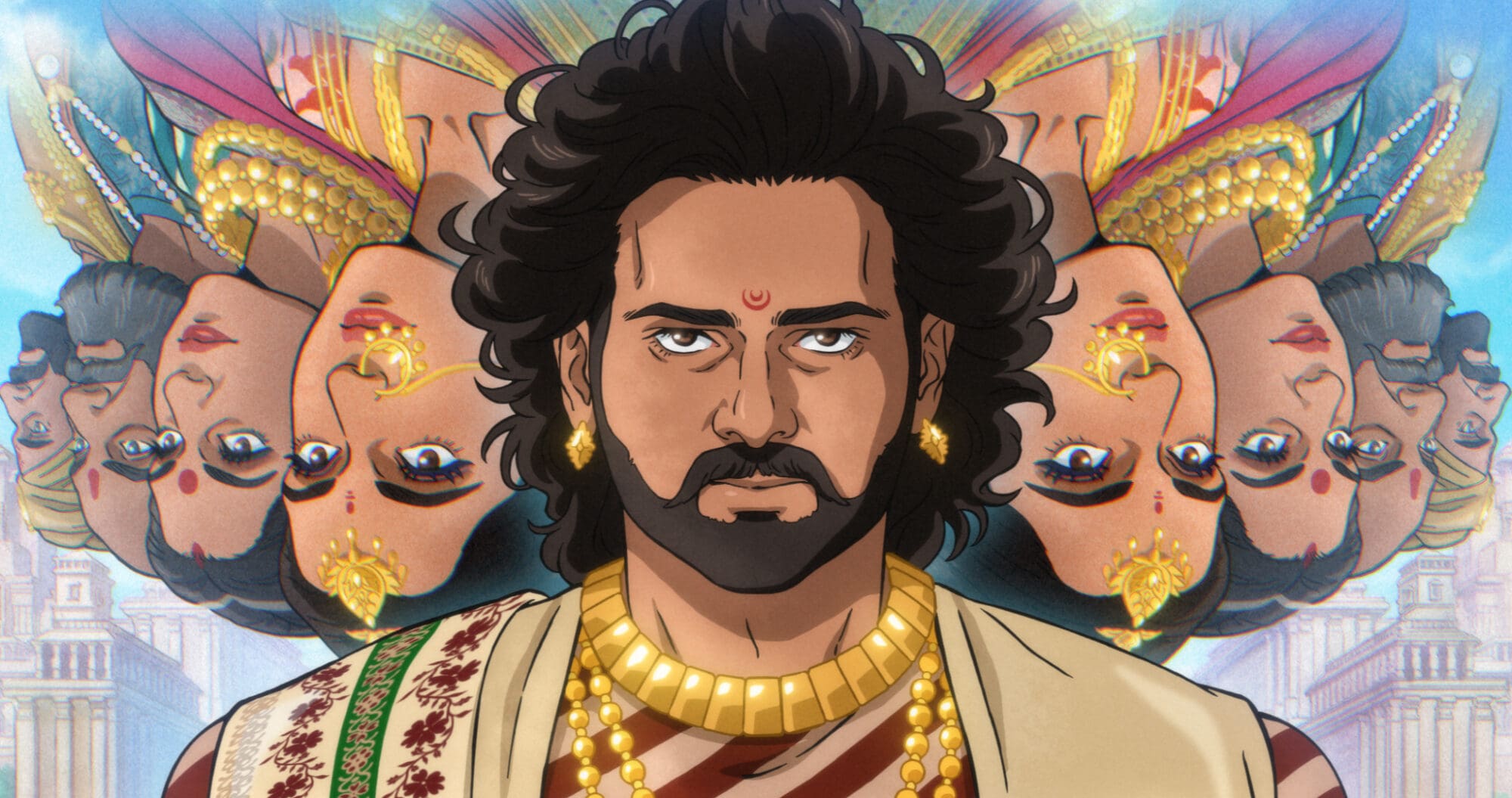
Antoine Charreyron emphasized the technical difficulty, particularly regarding character consistency. "We wanted to stylize him, but he still had to be the Baahubali the audience knows and loves. It was a long process of finding the balance between artistic interpretation and the physical presence of the original star."
Cultural Specificity in Motion
Beyond the fantasy elements, the film is deeply grounded in Indian cultural performance arts. The action choreography is not derived from generic stunt work; it is meticulously built upon the foundations of Kalaripayattu, one of the oldest fighting systems in existence. Similarly, the movement of the characters—particularly in non-combat scenes—is informed by traditional dance forms such as Chhau and Kuchipudi. This integration of classical arts into an animated action feature provides a cultural authenticity that distinguishes it from Western-produced fantasy.
Implications for the Future of Indian Animation
The success of Baahubali: The Eternal War could serve as a blueprint for the future of Indian animation. For years, the Indian industry has struggled to produce animated content that rivals the scale and cultural impact of its live-action counterparts. By leveraging a world-renowned intellectual property and coupling it with international expertise, the project is effectively breaking the ceiling of what has been deemed "possible" for Indian animation.
If The Eternal War performs well, it may usher in a new era of "prestige animation" in India, where the medium is treated as a viable alternative to live-action for high-fantasy storytelling. It challenges the stigma that animation in India is solely for children or low-budget television, positioning it instead as a sophisticated, global-facing cinematic art form.
As the production continues, the eyes of the world are fixed on the 14 realms of the afterlife. Whether the film can translate the raw, visceral energy of Rajamouli’s live-action work into the limitless canvas of animation remains to be seen, but the initial evidence suggests a project that is not only ambitious in scope but profound in its cultural mission. Baahubali: The Eternal War is not just a film; it is an experiment in global storytelling, and it may well define the next decade of cross-cultural cinematic exchange.