

WASHINGTON — In a major escalation of its “maximum pressure” campaign, the U.S. Treasury Department announced on Monday a sweeping new round of sanctions targeting a sophisticated global network of front companies and individuals. The move, aimed at severing the financial lifelines of the Islamic Revolutionary Guard Corps (IRGC), specifically targets entities in Hong Kong, the United Arab Emirates (UAE), and Oman that have been instrumental in funneling Iranian crude oil to Chinese markets.
The announcement, delivered by the Office of Foreign Assets Control (OFAC), marks a significant intensification of efforts to drain the resources of the Iranian regime. This action arrives just days before a high-stakes summit between U.S. President Donald Trump and Chinese President Xi Jinping, where the issue of Iranian regional destabilization and the security of the Strait of Hormuz is expected to dominate the diplomatic agenda.
The Scope of the Sanctions: A Global Web of Deception
The latest designation targets three individuals and nine corporate entities, effectively freezing any assets they may hold within U.S. jurisdiction and barring American citizens and businesses from engaging in transactions with them.
Treasury officials revealed that these entities functioned as the logistical and financial architecture for the IRGC’s “Shahid Purja’fari” oil headquarters. By employing a complex series of shell companies, the IRGC has successfully circumvented international sanctions to offload massive quantities of oil, providing the regime with the hard currency necessary to fund its nuclear ambitions and its network of regional proxies.
The Targeted Entities
The geographic distribution of the sanctioned firms underscores the global nature of the illicit trade:
- Hong Kong: Four firms, including Hong Kong Blue Ocean Ltd, Hong Kong Sanmu Ltd, Jiandi HK Ltd, and Max Honor International Trade Co Ltd. These entities were instrumental in signing high-value purchase agreements and coordinating shipping logistics.
- United Arab Emirates: Four companies, including Ocean Allianz Shipping LLC (Dubai), Atic Energy FZE (Sharjah), Blanca Goods Wholesaler LLC (Dubai), and Universal Fortune Trading LLC (Dubai). These companies utilized a "shadow fleet" of tankers to move cargo under the radar.
- Oman: Zeus Logistics Group, which played a critical role in chartering vessels to transport Iranian crude.
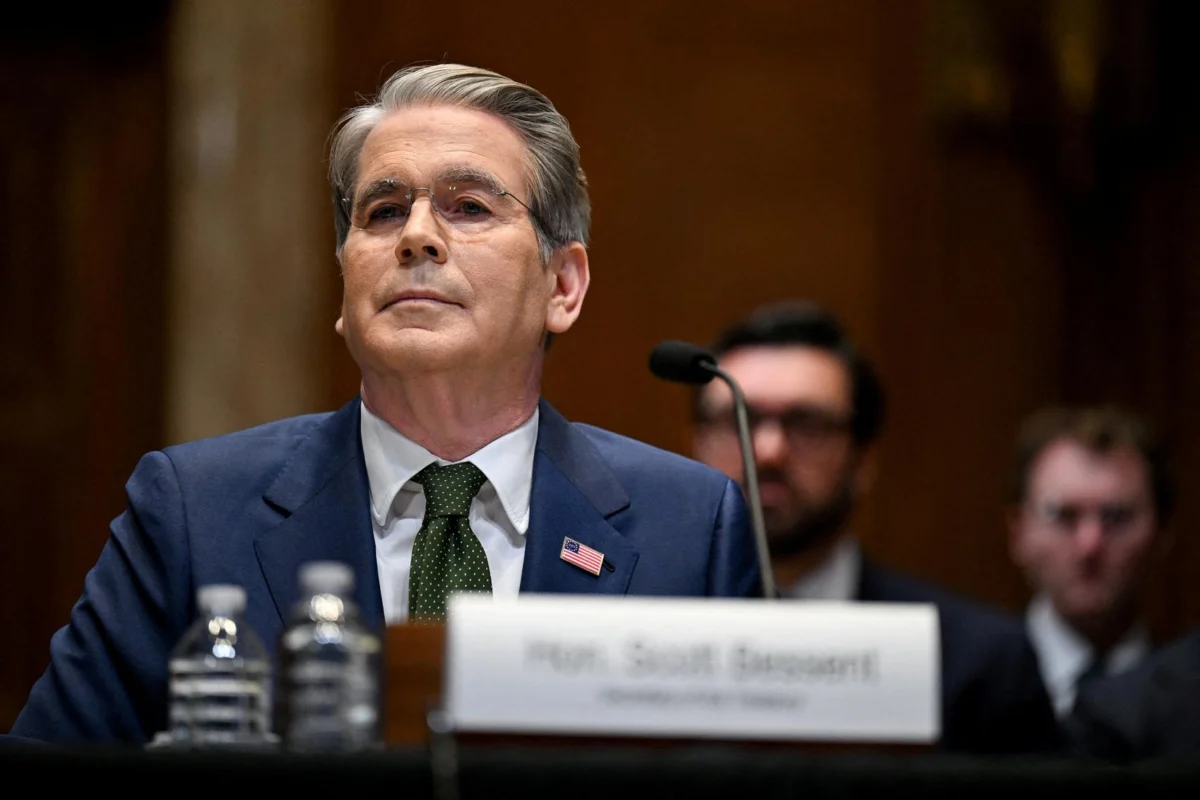
Treasury Secretary Scott Bessent was unequivocal regarding the administration’s stance. “Treasury will continue to cut the Iranian regime off from the financial networks it uses to carry out terrorist acts and to destabilize the global economy,” Bessent stated. “This administration is committed to ensuring that the IRGC cannot utilize the global financial system to fund its malign activities, whether those involve ballistic missile proliferation or the support of terror proxies.”
Chronology of the Pressure Campaign
The Monday announcement does not exist in a vacuum; it is part of a deliberate, phased strategy implemented by the Trump administration to constrict Iran’s economic capacity.
- July 2025: The Treasury Department imposed sanctions on Golden Globe, a Turkey-based entity identified as a primary conduit for hundreds of millions of dollars in IRGC oil sales. Monday’s action directly builds upon the intelligence gathered during the investigation into Golden Globe, as the three sanctioned individuals were found to be coordinating payments through that very channel.
- Friday, Preceding Monday’s Announcement: The U.S. government announced a separate tranche of sanctions targeting individuals and entities involved in the procurement of components for Iranian drones and ballistic missile programs.
- Monday, 2026: OFAC designations finalized for the nine companies and three individuals listed above, marking the latest attempt to break the chain of custody for Iranian oil reaching China.
Official Responses and the $15 Million Bounty
In tandem with the sanctions, the U.S. State Department has taken the unusual step of announcing a reward of up to $15 million for information leading to the disruption of the IRGC’s financial mechanisms. This incentive program is designed to encourage whistleblowers, maritime industry insiders, and international financial intelligence professionals to come forward with actionable data regarding the “shadow fleet” of tankers and the shell companies that support them.
The IRGC, which remains designated by Washington as a foreign terrorist organization, has long relied on opacity to sustain its operations. By targeting the financial intermediaries—the accountants, the shipping brokers, and the logistics managers—the U.S. government aims to make the cost of doing business with the IRGC prohibitively high.
Implications: The Looming Trump-Xi Summit
The timing of these sanctions is widely viewed by geopolitical analysts as a tactical move ahead of the upcoming meeting between President Trump and President Xi Jinping.
For months, the U.S. has pressured Beijing to curtail its appetite for Iranian oil, which Washington argues provides the essential capital for Tehran to challenge the status quo in the Middle East. With the Strait of Hormuz remaining a flashpoint for global energy security, the U.S. is signaling that its patience for Chinese-Iranian trade is wearing thin.
Diplomatic Leverage
President Trump is expected to present the evidence collected by the Treasury Department to President Xi as proof that Chinese companies are acting as willing accomplices in circumventing international law. The diplomatic goal is to create a "cost-benefit" shift for Beijing, forcing a choice between maintaining energy imports from Iran and preserving stable, uninterrupted access to Western financial and trade markets.
The Energy Market Impact
The inclusion of firms in the UAE and Oman highlights the challenges of enforcing oil sanctions in the Persian Gulf. As the U.S. targets these regional hubs, the shipping industry faces increased scrutiny. Insurance companies and maritime registries are likely to distance themselves from any vessels associated with the sanctioned entities, potentially leading to a "chilling effect" that could temporarily reduce the volume of Iranian oil reaching the global market.
Supporting Data: The Mechanics of the Shadow Fleet
The use of a "shadow fleet" has become the primary method for Tehran to evade detection. These vessels often operate with disabled AIS (Automatic Identification System) transponders, engage in ship-to-ship transfers in international waters, and utilize falsified documentation to mask the origin of their cargo.
The sanctioned companies, particularly those based in Hong Kong, have been identified as the "paper trail" layer of this operation. By acting as the buyer of record, these shell companies create a veneer of legitimacy that allows oil to be sold to third-party refineries in China.
The Treasury Department’s recent reports suggest that these operations are not merely opportunistic but are highly organized, with the IRGC maintaining direct oversight of the Shahid Purja’fari oil headquarters. This central command structure oversees:
- Contract Negotiation: Establishing shell entities to sign supply agreements.
- Payment Processing: Routing funds through intermediary banks and currency exchange houses to avoid direct links to sanctioned Iranian financial institutions.
- Logistics: Securing tankers and navigating maritime insurance hurdles.
Conclusion: A New Phase of Economic Warfare
As the U.S. government pivots toward this more aggressive enforcement strategy, the international community remains divided. While Washington argues that these measures are essential to global security and the prevention of regional conflict, critics point to the potential for humanitarian impacts and the risk of further destabilizing global energy prices.
However, the tone from the Treasury Department is clear: the administration intends to continue systematically dismantling the networks that allow the IRGC to operate in the shadows. By raising the stakes for every company involved—from the brokers in Dubai to the logistics providers in Oman and the buyers in Hong Kong—the U.S. is signaling that the era of "business as usual" for those facilitating Iranian oil exports is coming to a definitive end.
With the upcoming summit in sight, the world watches to see whether these economic maneuvers will yield the diplomatic breakthroughs the White House seeks, or whether they will further entrench the standoff between the world’s major powers and the Iranian regime.
© Thomson Reuters 2026.












No comments yet. Be the first to join the conversation!