

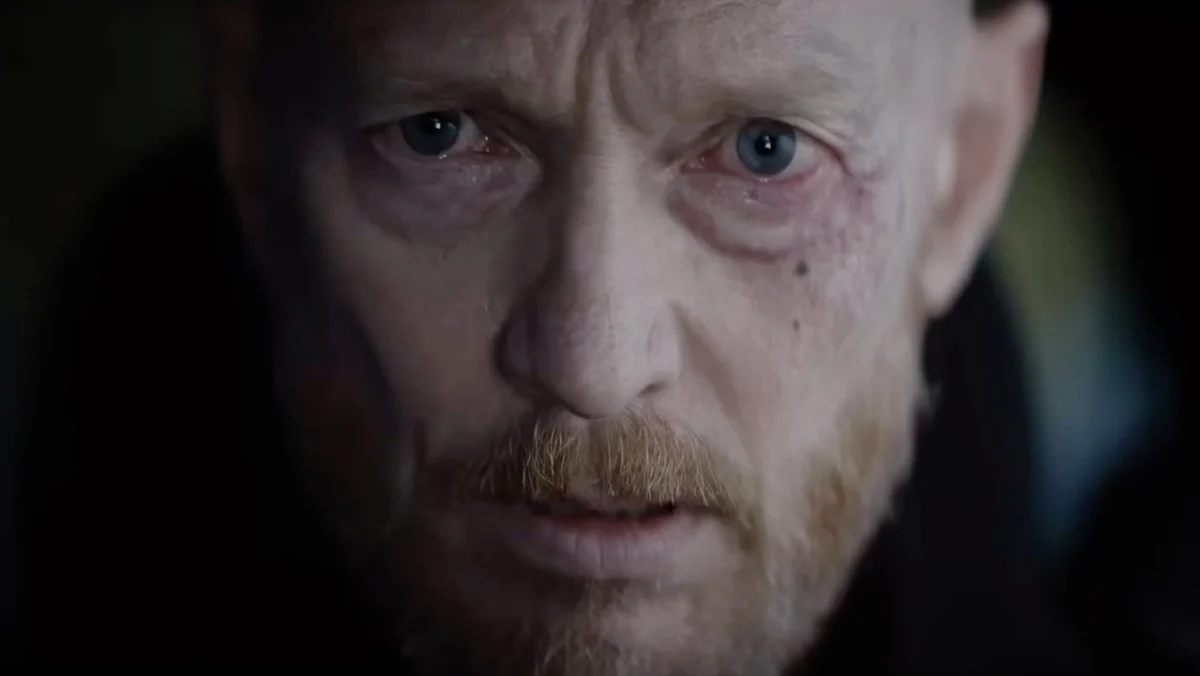
For over four decades, the Evil Dead franchise has existed as an anomaly in the landscape of Hollywood horror. Since Sam Raimi unleashed his low-budget masterpiece in 1981, the series has operated with a fluid, almost dreamlike approach to continuity. Fans have long accepted that while the legendary Ash Williams (Bruce Campbell) provided a connective thread, the rules of the Deadites—and the Necronomicon ex Mortis itself—often shifted to suit the needs of the narrative.
However, with the arrival of Evil Dead Burn, the franchise is undergoing a seismic shift. Under the direction of Sébastien Vaniček, the latest installment does something that seemed impossible in this chaotic universe: it establishes a definitive, linear connection to its predecessor, Evil Dead Rise (2023). By moving away from the anthology-style "reboot" format that has defined the series’ recent entries, Evil Dead Burn is successfully building a cohesive mythology that threatens to change the stakes of the franchise forever.
The Evolution of the Deadite Threat: From Random Chaos to Calculated Design
To understand the magnitude of what Evil Dead Burn achieves, one must first appreciate the history of the series. The original Evil Dead trilogy was defined by the singular presence of Ash Williams. While Army of Darkness (1992) leaned into high-fantasy elements, the narrative core remained firmly rooted in Ash’s survival. When Fede Alvarez rebooted the series in 2013, the film functioned as a standalone terror piece, followed by Lee Cronin’s Evil Dead Rise, which utilized Easter eggs and a vocal cameo from Campbell to signal its place in the universe without tethering itself to a strict timeline.
Historically, Deadites have been agents of pure, unadulterated chaos. Once the Book of the Dead was opened or the incantations were played, the result was a violent, unrelenting slaughter. Whether it was the Abomination in the 2013 film or the Marauder in Evil Dead Rise, these entities were summoned by prophecy or carelessness.
Evil Dead Burn discards this "accidental awakening" trope. Instead, the film introduces a calculated, tactical layer to the demonic possession. The Deadites are no longer just mindless monsters; they are seeking a specific objective: the recovery of a Kandarian dagger. This artifact, historically associated with the series’ lore, is revealed to possess the ability to de-possess victims. By establishing a tangible, recurring weapon that both sides of the conflict covet, Evil Dead Burn transforms the franchise from a series of vignettes into an ongoing, high-stakes game of cat and mouse.
A Chronological Shift: Connecting the Threads
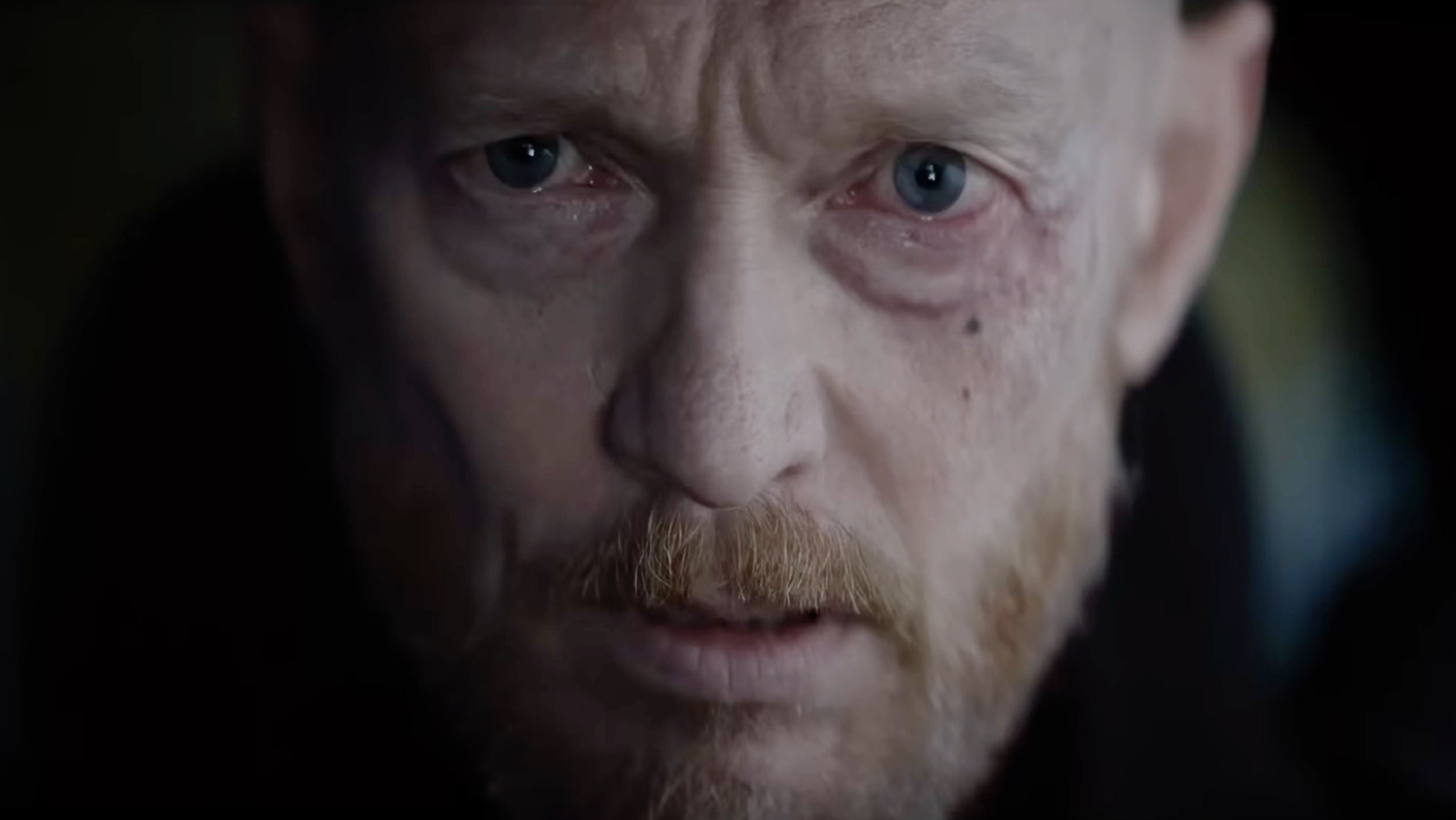
The most striking departure in Evil Dead Burn is its direct acknowledgment of the events of Evil Dead Rise. In previous iterations, the "Evil" was a universal force that simply happened to descend upon a new set of victims. In Burn, the outbreak is sparked by a direct consequence of the previous film’s finale.
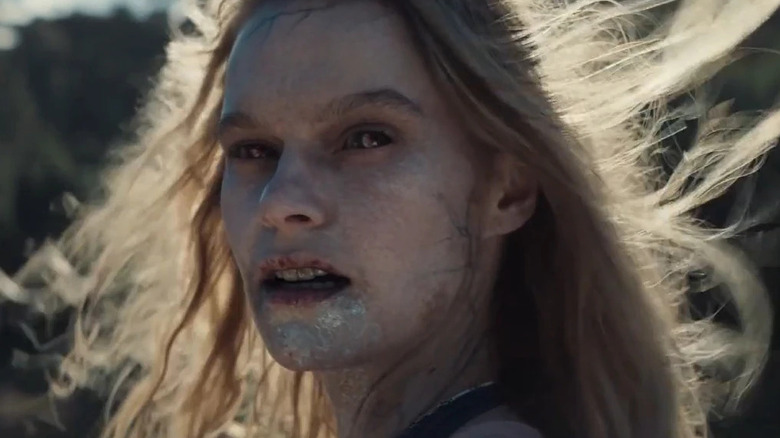
The resurrection of Deadite Jessica (Greta Van Den Brink) is a watershed moment for the franchise. In the opening sequences, we witness the return of a character previously lost to the lake at the end of Rise. This is the first time in the history of the series that a Deadite from a previous film has returned to serve as a catalyst for a new sequel. It echoes the structure of 1980s slasher franchises, yet it feels entirely fresh within the Evil Dead context.
Furthermore, the presence of the corpse of Teresa (Mirabai Pease) reinforces the notion that the world of Evil Dead is no longer a collection of isolated nightmares. The narrative is now a tapestry where the consequences of one film ripple into the next. This structural choice suggests that the "Evil" is not just a localized curse, but an evolving antagonist that learns from its past failures.
Implications for the Future: The Mythology of the Dagger
As the plot of Evil Dead Burn unfolds, the focus shifts to the Price family. Joseph (Hunter Doohan) discovers that his late grandfather, Benjamin Price, had hidden the Kandarian dagger to keep it from the reach of the forces of darkness. The involvement of the Price family adds a layer of generational trauma and legacy that has been largely absent from the series’ more frantic, survivalist roots.
The central conflict—where Deadites possess the human, Will (George Pullar), specifically to infiltrate the Price household and secure the dagger—mimics the hunt for the Necronomicon seen in Army of Darkness. By bridging the gap between the original films’ lore and the modern sensibilities of the new trilogy, the filmmakers are creating a unified theory of Evil Dead.
Is the presence of the dagger confirmation that all films occupy the same timeline? While an official statement remains elusive, the breadcrumbs are impossible to ignore. A photograph of Bruce Campbell hanging in the Price residence serves as more than a simple meta-joke; it functions as a potential narrative anchor. Whether this implies Ash Williams is a known historical figure in this world or simply a legendary survivor whose shadow looms over all subsequent events, the ambiguity is now a deliberate feature rather than a byproduct of inconsistent production.
Official Stances and Industry Context
The shift toward a more connected universe is not accidental. Behind the scenes, stakeholders at Warner Bros. and New Line Cinema are clearly looking toward a future where Evil Dead can serve as a cornerstone of their horror portfolio. Following the commercial success of The Conjuring universe, there is a clear appetite for interconnected horror franchises that can sustain multiple sequels, spin-offs, and prequels.
The announcement of Evil Dead Wrath, currently slated for 2028 and set in 1972, further suggests a concerted effort to flesh out the historical timeline of the Necronomicon. If Burn serves as the bridge, Wrath may serve as the foundation, providing the origin stories that explain why the Kandarian dagger became the ultimate prize for the Deadite hordes.
Director Sébastien Vaniček has been vocal about his desire to respect the series’ roots while expanding its scope. By integrating the "Uber-Deadite" concept—represented by the burning, corrupted version of Will—Vaniček has signaled that he is willing to push the boundaries of what these creatures can do, both physically and psychologically.
Conclusion: A New Era of Possession
Evil Dead Burn is a masterclass in evolving a legacy franchise without stripping it of its identity. It maintains the visceral, blood-soaked horror that fans expect, but it augments it with a narrative discipline that has been absent for decades. The decision to make the Deadites more intelligent, goal-oriented, and connected to the franchise’s past is a gamble that appears to be paying off.
For the casual viewer, the film remains a terrifying, high-octane experience. For the dedicated devotee of the series, however, Evil Dead Burn is a revelation. It transforms the franchise from a collection of "cabin-in-the-woods" stories into a sprawling, epic battle between the living and the dead. As we look toward the horizon—and the inevitable mysteries that Evil Dead Wrath will bring—it is clear that the Deadites have only just begun their work.
The lesson of Evil Dead Burn is simple: the book may be closed, but the story is far from over. As the franchise prepares to enter its fifth decade, it is finally finding its footing in a shared universe, proving that even after forty years, there are still ways to terrify, surprise, and evolve. Whether you are a fan of the original cabin terror or the modern apartment-block hauntings, one thing is certain: in the world of Evil Dead, the only thing more dangerous than the past is what it’s coming back to finish.










