

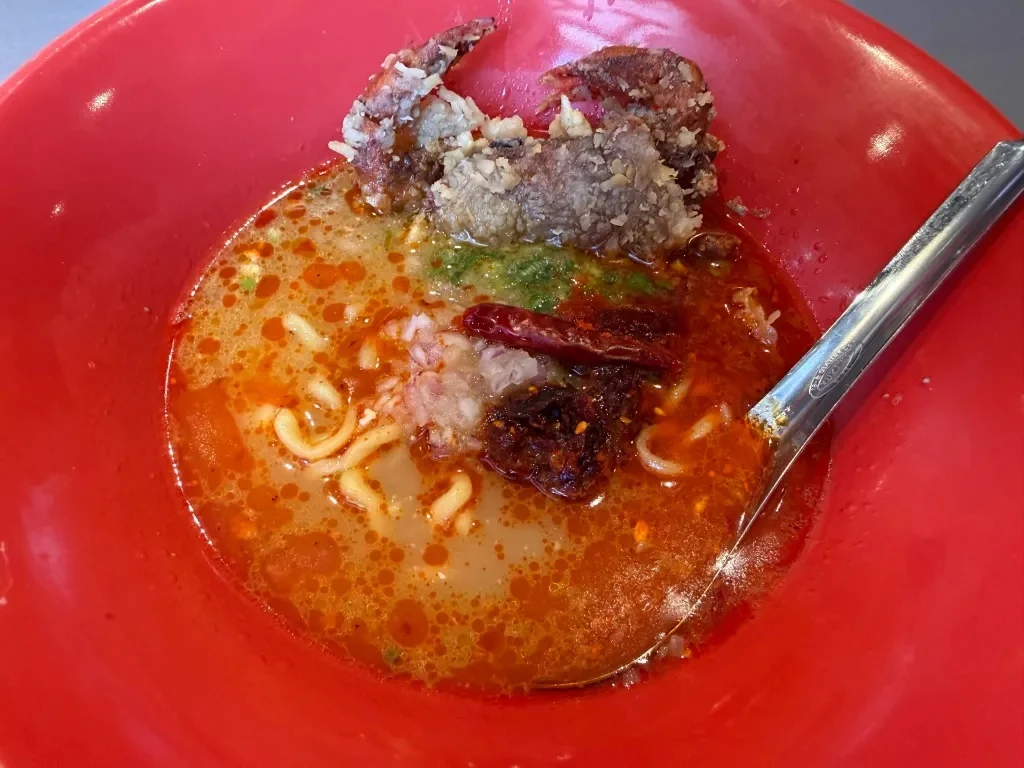
In the heart of Asakusa, a district steeped in the traditional aesthetics of old Tokyo, a new culinary player has emerged, sparking a debate that transcends mere gastronomy. Kani O, a ramen establishment that opened its doors on May 4, has become the epicenter of a fierce, polarized discourse within Japan’s vibrant food scene. At the center of the controversy is a single, striking menu item: a bowl of ramen priced at 2,000 yen (approximately US$6.50 at the time of writing).
While ramen has long been the quintessential "people’s food"—a reliable, affordable, and soul-warming staple of Japanese dining—the rising tide of inflation has placed immense pressure on local shops. As many establishments struggle to keep prices under the symbolic 1,000-yen threshold, Kani O’s decision to launch with a 2,000-yen price point for its signature dish, "The Claaaaab," is a bold, if not provocative, strategic gamble.
The Anatomy of the Debate: A Divided Digital Landscape
Since its inception, Kani O has been caught in a vortex of online vitriol and influencer-driven praise. The internet, often a harsh judge of culinary innovation, has split into two distinct camps. One side, fueled by skepticism, condemns the pricing as an elitist departure from the egalitarian roots of ramen culture. Conversely, another camp—often comprised of social media influencers with personal ties to the owner, mixed martial artist Komeo—has touted the dish as a transformative, must-try experience.
The discourse has become so fragmented that much of the criticism appears to stem from individuals who have never stepped foot inside the restaurant. This phenomenon of "review bombing" has created a challenging environment for the establishment, making it difficult for genuine diners to discern the true quality of the meal. To cut through the noise, we turn to the firsthand account of reporter P.K. Sanjun, who visited the shop to evaluate whether the flavor profile justifies the hefty price tag.
A Chronology of the Experience
The visit to Kani O began under a bright, clear Saturday sky, with the restaurant already commanding attention long before the 11:30 a.m. opening time.
- 11:10 a.m.: A queue of nearly a dozen eager patrons had already formed, indicating that despite the online controversy, the restaurant’s curiosity factor is high.
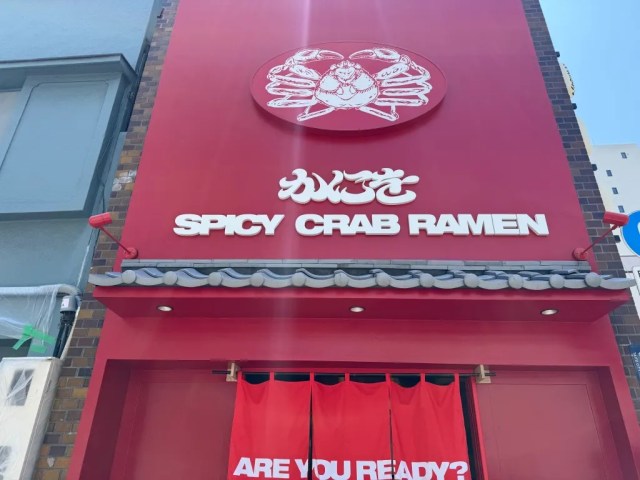
- 11:30 a.m.: The doors opened, revealing an interior adorned with bold signage. The storefront, marked with the hiragana for "Kani O," also features the assertive English slogan, "ARE YOU READY?" across the noren curtain, setting a tone of defiance.
- 11:45 a.m.: The order was placed. P.K. Sanjun opted for "The Claaaaab," the restaurant’s flagship bowl. A unique feature of the ordering process is the ability to select a spiciness level on a scale from 0 to 10. A mid-range selection of level 5 was chosen to gauge the base profile of the broth.
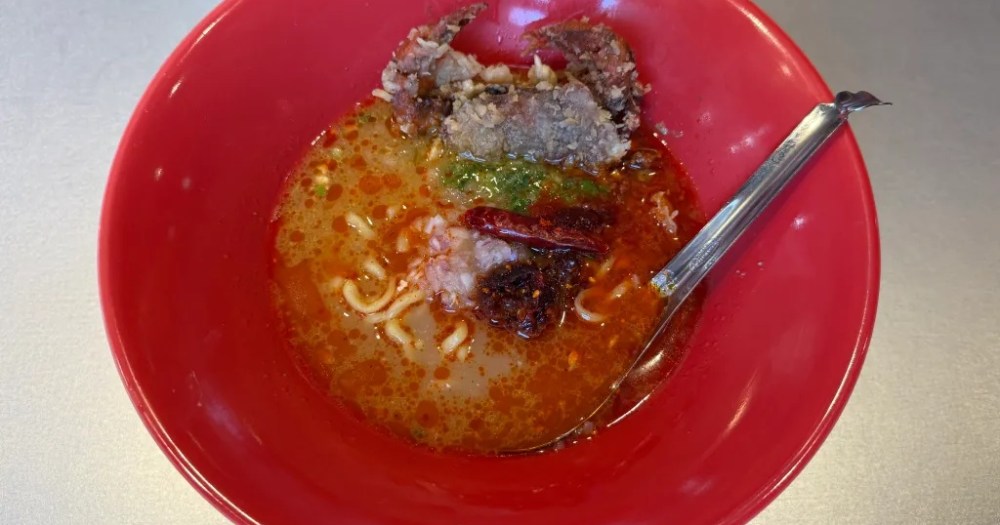
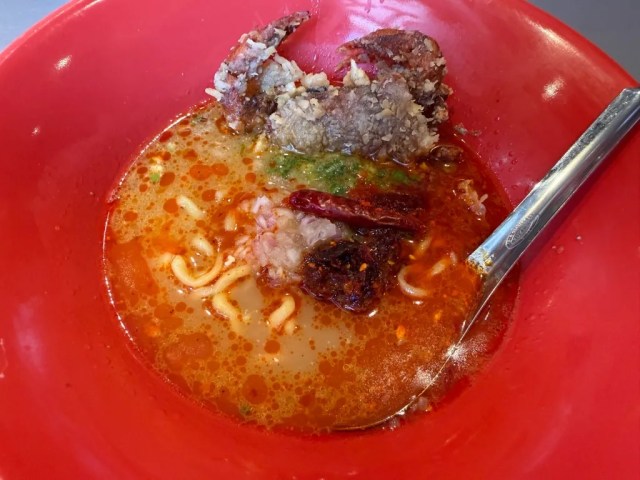
- 12:00 p.m.: The meal arrived. The presentation was, undeniably, striking. A full, deep-fried soft-shelled crab rested atop the noodles, providing a visual spectacle that immediately distinguishes the dish from traditional pork-based tonkotsu or soy-based shoyu ramen.
The Culinary Evaluation: Beyond the Aesthetics
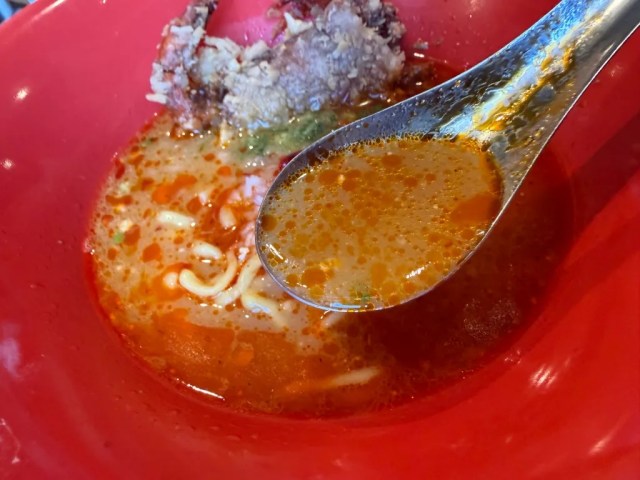
The primary criticism leveled against Kani O in online forums has been that the broth is "bland." Upon tasting the broth, it becomes clear that this assessment may be a misunderstanding of intent rather than a failure of execution.
The Broth: A Delicate Umami Equilibrium
The broth is not an aggressive, salt-laden concoction designed to assault the senses. Instead, it relies on nuanced, oceanic umami notes, likely derived from the shellfish used in the base. It is a refined, delicate flavor profile. While some diners may mistake this lack of immediate, overwhelming intensity for "blandness," it appears that the chef intended for the broth to be sipped in its entirety. The mildness encourages the diner to finish the bowl, a feat that is often impossible with heavier, saltier broths.
The Components: The "Claaaaab" and the Noodles
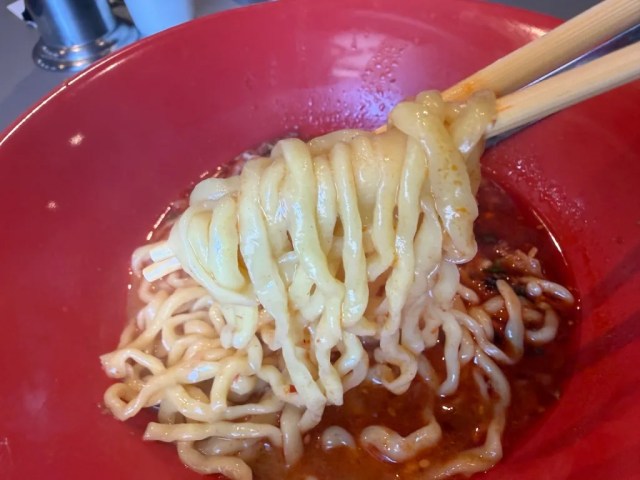
The centerpiece, the soft-shelled crab, is imported from China. Deep-fried to perfection, the crab adds a distinct textural contrast and a rich, aromatic bouquet that permeates the bowl. It is a substantive piece of protein that justifies, in part, the premium pricing. The noodles themselves are standard-issue—neither thin nor thick—occupying the middle ground of the Japanese ramen spectrum. They serve as a reliable vessel for the broth, though they do not necessarily elevate the dish to a "gourmet" level.
Implications for the Ramen Industry
The existence of Kani O and the "Claaaaab" controversy highlights a fundamental shift in the Japanese restaurant industry. For decades, the implicit social contract of ramen was simple: it must be affordable. However, as the cost of ingredients, energy, and labor rises, restaurateurs are faced with a difficult choice: sacrifice quality to maintain low prices, or innovate and charge a premium to sustain a viable business model.
Kani O’s pricing model tests the limits of this contract. Is the Japanese consumer ready to accept ramen as a high-end, luxury experience, or will the "1,000-yen ceiling" remain an unbreakable psychological barrier?
The Verdict: A Middle-of-the-Road Innovation
For the discerning diner, Kani O presents a complex value proposition. The ramen is certainly not "bad," but at 2,000 yen, it fails to deliver a "transcendent" experience that would justify the price tag for a repeat visit. It is an interesting experiment in branding and presentation, yet it falls short of creating a new standard for flavor.
The restaurant survives, and perhaps thrives, on the novelty of its presentation. The "love-it-or-hate-it" polarization acts as a marketing engine, drawing in those who are curious enough to see for themselves. Whether this model is sustainable in the long term, once the initial wave of curiosity wanes, remains to be seen.
Supporting Data and Official Context
The rise of high-priced ramen is not an isolated incident. Recent market data from the Japanese Ministry of Internal Affairs and Communications suggests that the price of dining out in Tokyo has seen a steady uptick, driven by the weak yen and rising import costs for staples like flour and cooking oil. Kani O’s decision to lean into this trend by positioning itself as a "premium" experience—complete with the "ARE YOU READY?" branding—suggests a pivot toward a more experiential, social-media-focused dining culture.
While Komeo, the owner, has not issued a formal statement regarding the criticism, the success of the shop’s opening weekend suggests that his personal brand, combined with the visual appeal of the "Claaaaab," is enough to overcome the initial resistance. The challenge moving forward will be to transform one-time curious visitors into a loyal base of repeat customers.
Conclusion: A New Era for the Bowl?
Kani O serves as a microcosm of the modern Tokyo food scene. It is a place where tradition clashes with modern marketing, where the desire for culinary novelty meets the harsh reality of inflationary pressure. Whether "The Claaaaab" will be remembered as a pioneer of high-end, crab-centric ramen or as a flash-in-the-pan curiosity remains to be seen.
For now, the lines continue to form in Asakusa. The restaurant is a testament to the fact that even in a city as saturated with ramen as Tokyo, there is always room for a new, bold, and highly debated idea. If you are prepared to pay the 2,000-yen entry fee and are curious about the delicate, shellfish-infused broth, Kani O is ready for you. But, as with all polarizing culinary trends, it is best to manage expectations: you are paying for the spectacle as much as the soup.
Restaurant Information
- Establishment: Kani O
- Location: 2-22-8 Asakusa, Taito-ku, Tokyo
- Operating Hours: 11:30 a.m. – 9:30 p.m.
- Note: Prices and menu items are subject to change based on seasonal availability and market fluctuations.












No comments yet. Be the first to join the conversation!