

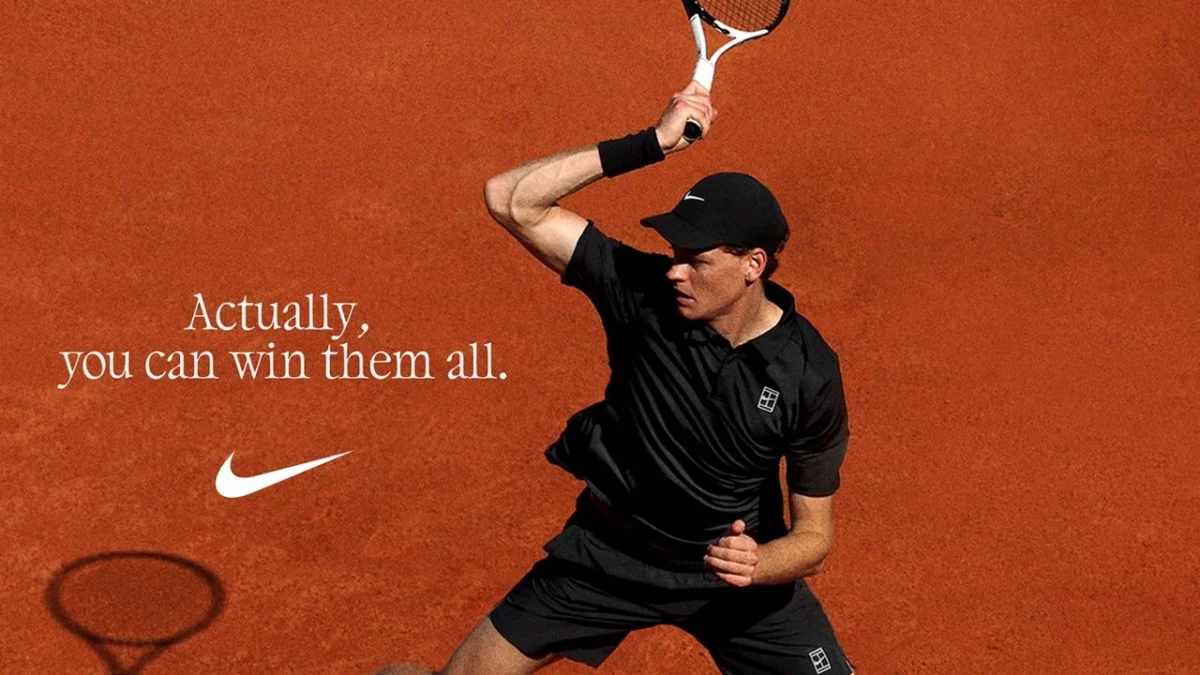
In the rapidly evolving landscape of digital content, the line between human creativity and machine-generated output has become increasingly blurred. As generative AI tools like ChatGPT, Claude, and Gemini become ubiquitous, a peculiar form of "AI-paranoia" has taken root. It is no longer enough for content to be coherent, compelling, or grammatically correct; today, if a piece of writing is too polished or utilizes specific stylistic flourishes, it faces immediate suspicion.
The latest casualty in this cultural witch hunt? The humble em dash.
The Nike Controversy: When Punctuation Becomes Evidence
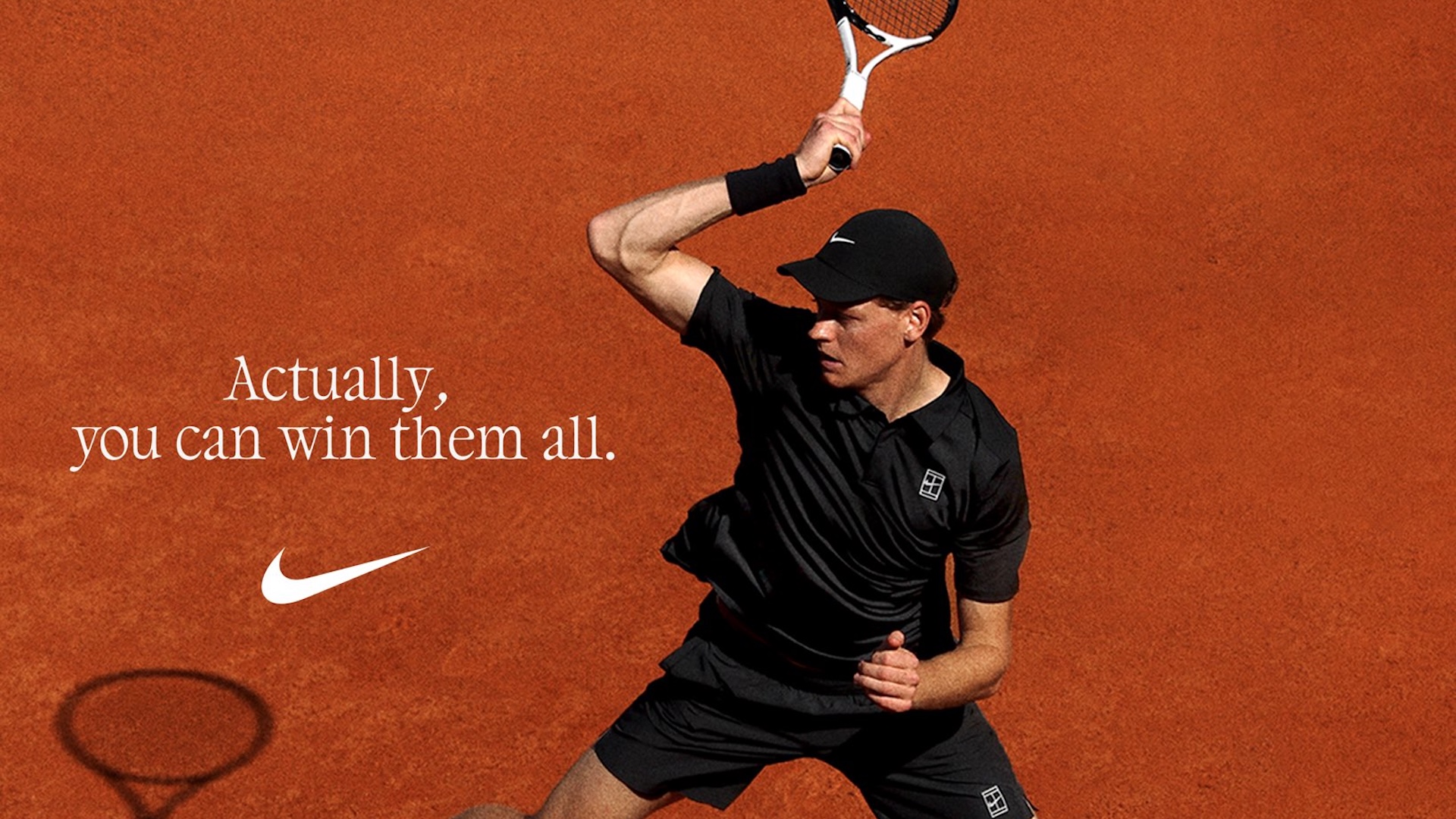
This week, a viral post on X (formerly Twitter) ignited a firestorm of speculation regarding a Nike promotional campaign for tennis star Jannik Sinner. The advertisement, featuring the copy, "Actually, you can win them all," was met with immediate backlash from users claiming the text bore the unmistakable hallmarks of a "GPT AI-ism."
The primary evidence presented by the accusers? The presence of an em dash—a punctuation mark used to denote a break in thought or emphasis. Critics argued that the specific cadence and structural choices in the copy were tell-tale signs that a marketing team had offloaded their creative duties to a large language model.
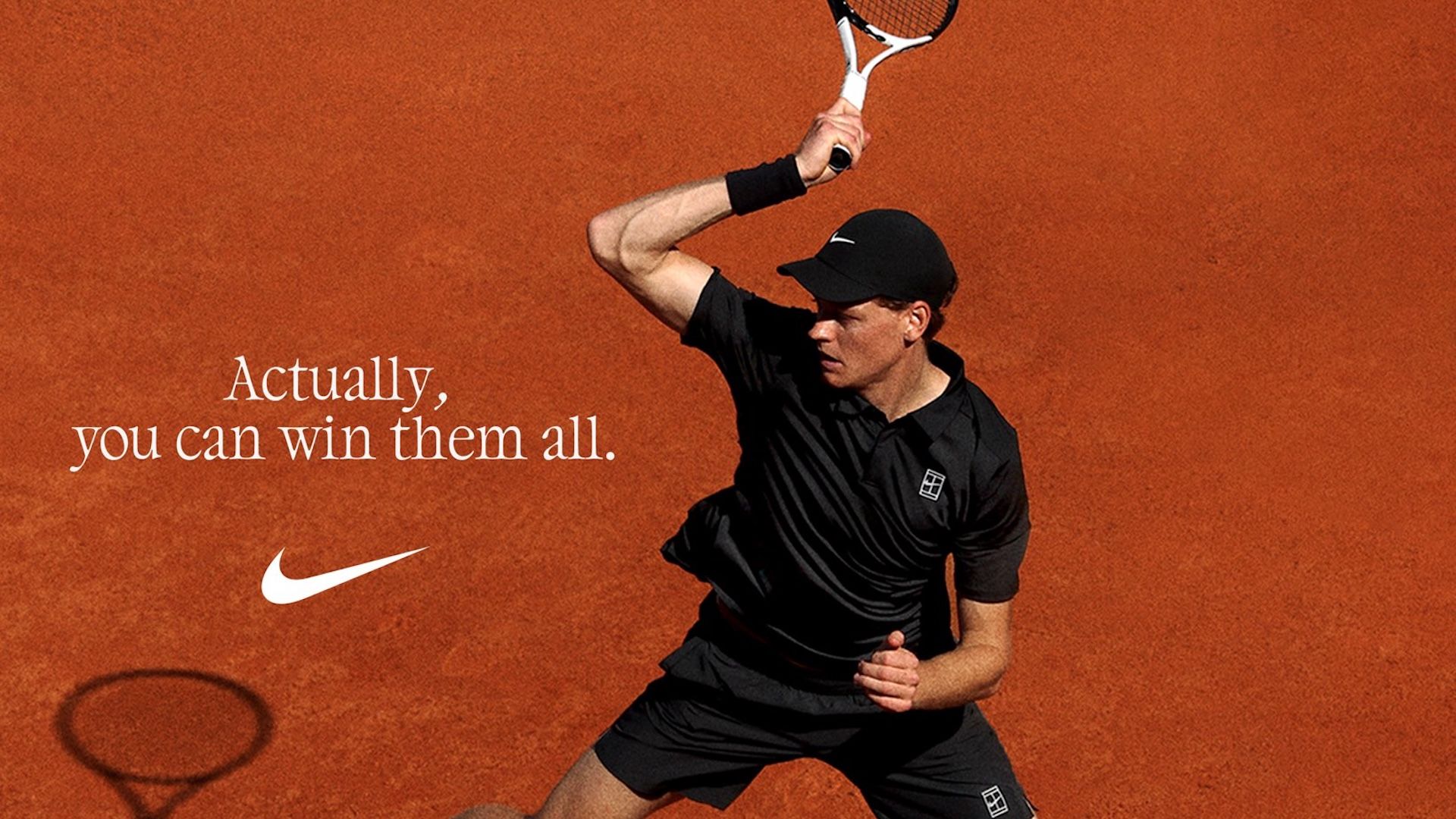
The social media response was swift and unforgiving, with a chorus of digital detractors labeling the move as lazy, soulless, or—most damningly—"synthetic." This incident highlights a growing, yet fundamentally flawed, trend: the tendency to diagnose professional copywriting as "AI-generated" based on superficial stylistic traits rather than evidence of automation.
A Chronology of the "AI-Spotting" Phenomenon
To understand how we reached a point where punctuation is treated as digital forensic evidence, one must look at the timeline of the generative AI explosion.
- Early 2023: The "AI-slop" era begins. Users become adept at identifying low-effort, repetitive LinkedIn posts characterized by staccato sentence structures, overuse of adjectives like "transformative," and phrases such as "In today’s fast-paced digital landscape."
- Late 2023: The rise of AI-detection tools. Companies and educational institutions begin experimenting with software designed to sniff out machine-generated prose. These tools, however, prove notoriously unreliable, often flagging human-authored academic papers as synthetic.
- Early 2024: The "Deepfake Era." Following high-profile AI image scandals, public anxiety shifts from text to visual and auditory media. The "three-finger test" and other viral heuristics emerge to help the public identify deepfakes.
- 2025–Present: The "Polished-is-Suspicious" inflection point. As AI models improve, they become more capable of mimicry. Consequently, the public begins to view any writing that is too clear or structurally "correct" as suspect. The Nike em dash incident represents the apex of this paranoia, where standard grammatical conventions are now being weaponized against human authors.
The Hypocrisy of AI Criticism
There is a profound irony in the current discourse surrounding AI-generated writing. In the world of visual arts, there is a widely accepted consensus that AI models have been trained on the backs of human creators, effectively "stealing" styles and aesthetics. There is a robust, justified movement advocating for artists’ rights and the recognition of human labor in visual media.
However, the same nuance is conspicuously absent when discussing writing. When a critic claims that an em dash or a clean sentence structure is "AI-generated," they are effectively erasing the history of human literature. Em dashes have been a staple of professional writing for centuries, utilized by everyone from Victorian novelists to mid-century essayists.
By labeling these tools as "AI-isms," we are not protecting human creativity; we are actively devaluing it. We are suggesting that human writers are incapable of sophisticated sentence structures or that clarity is a machine-only attribute. As one observer noted, "Just because writing is bad, it doesn’t mean AI made it—bad writers have been around for a long time."
The Rise of the "Human-Authored" Disclaimer
The paranoia surrounding AI has manifested in tangible, and perhaps dystopian, industry shifts. We are now seeing the emergence of "Human Authored" badges—labels placed on book covers and articles to assure readers that the content was birthed by a biological brain.
The UK Society of Authors, among other organizations, has begun exploring ways to certify human-written works. While this may seem like a necessary consumer protection measure in a flooded marketplace, it also signals a bleak future for literary trust. When the authenticity of a text requires a stamp of approval, the act of writing becomes commodified, shifting from an art form to a verified product.
Furthermore, authors are increasingly including "No AI" disclaimers in the front matter of their books. While these disclaimers serve as a badge of honor for many, they also underscore the profound lack of trust between the creator and the reader. We are entering an era where the burden of proof has shifted entirely onto the human author.
Implications: What Are We Losing?
The obsession with identifying AI in every piece of professional copy carries severe implications for the creative industry:
- The Stigmatization of Competence: If we continue to label polished, well-structured writing as "AI-generated," we encourage a race to the bottom. Writers may feel pressured to intentionally introduce typos, awkward phrasing, or erratic punctuation simply to prove their humanity. This does not elevate discourse; it degrades it.
- The Misallocation of Scrutiny: By focusing on the presence of an em dash or a "professional" tone, critics are missing the forest for the trees. The real danger of AI in journalism and marketing isn’t that it uses good grammar; it’s the potential for mass-produced, low-quality misinformation. We are policing the wrong things.
- The Erosion of Professional Standards: Copywriting has historically been a craft of clarity and rhythm. If those qualities are now viewed as "synthetic," we risk losing the standards that make professional communication effective.
Conclusion: A Call for Nuance
The anxiety surrounding AI is, in many ways, valid. The flood of synthetic content on social media, the threat to creative jobs, and the dilution of the information ecosystem are legitimate concerns. However, the solution cannot be an "Inquisition of Style."
We must resist the urge to declare war on punctuation, clarity, and competence. Human writing has always been characterized by the very structures that AI now mimics—precisely because those structures were designed by humans.
As we move forward, we should hold brands and media outlets accountable for the transparency of their processes, but we should stop policing the rhythm of their sentences. If we define "human" as only that which is flawed, hurried, and broken, we are setting a standard that eventually, nobody will be able to meet. The em dash is not a sign of a machine; it is, and has always been, a tool of the human writer’s trade. Let us keep it that way.









No comments yet. Be the first to join the conversation!