Suro Senen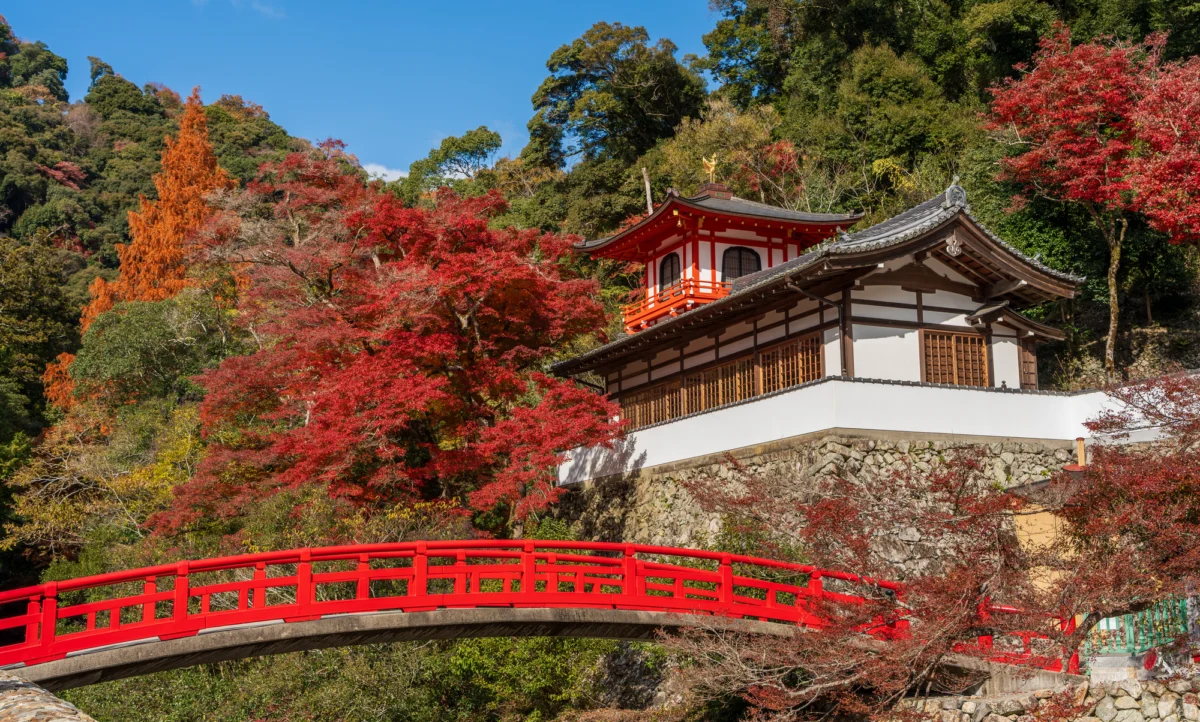
When most travelers envision Osaka, their minds immediately conjure images of the kinetic energy of Dotonbori: the blinding neon signs of Glico Man, the sizzling aroma of street-side takoyaki, and the relentless, bustling crowds of the Namba district. Yet, a mere 30-minute train ride north of this concrete sprawl lies an entirely different reality. Tucked against the lush, mountainous spine of northern Osaka Prefecture is Minoh—a serene, verdant retreat where the city’s frantic tempo gives way to the rhythmic crunch of gravel trails, the soft tolling of temple bells, and the therapeutic warmth of mountain hot springs.
For those looking to peel back the layers of the Kansai region, Minoh offers more than just a reprieve; it provides a profound connection to Japan’s natural and spiritual heritage.
The Geography of an Urban Escape: Main Facts
Minoh is defined by its dramatic topography. Situated within the Meiji-no-Mori Minoh Quasi-National Park, the area is characterized by deep, forested valleys carved by the Minoh River. The region serves as a "green lung" for the Osaka metropolitan area, attracting hikers, history buffs, and those seeking the quintessential Japanese experience of shinrin-yoku (forest bathing).
The focal point of the region is the Minoh Waterfall—a majestic 33-meter cascade that holds the distinction of being named one of Japan’s Top 100 Waterfalls. Unlike remote wilderness peaks, Minoh’s terrain is remarkably accessible. A paved, gentle incline leads visitors from the train station deep into the heart of the valley, making it one of the few places in Japan where world-class natural beauty is within easy reach of a major urban transit hub.
A Chronological Journey Through Minoh’s History
The cultural significance of Minoh spans well over a millennium, rooted in the deep spiritual traditions of the Kansai region.
- 7th Century (658 AD): The founding of Ryuanji Temple marks the early spiritual development of the valley. According to tradition, it is home to Japan’s oldest statue of Benzaiten, the goddess of music, arts, and prosperity.
- 8th Century: The establishment of Katsuoji Temple, or the "Temple of Winning Luck," begins a long tradition of military leaders and emperors visiting the site to pray for victory in battle and personal success.
- 1997: The modern era of Minoh’s cultural identity is bolstered by the founding of the Minoh Beer Company, which would go on to gain international acclaim and help revitalize the area’s local economy.
- 2024–2026: A new chapter in accessibility opens with the extension of the Osaka Metro into northern Osaka, specifically with the launch of Minoh-Kayano Station, providing a direct gateway for modern commuters and international tourists alike.
Navigating the Valley: Getting There and Around
The logistics of reaching Minoh are a testament to the efficiency of Japanese urban planning. Travelers have two primary arteries at their disposal: the traditional Hankyu Minoh Line, which deposits visitors at the historic gateway of the valley, and the newly integrated Osaka Metro extension.
For the casual day-tripper, the Hankyu Minoh station remains the most convenient starting point. From here, the waterfall promenade is a simple, pleasant walk. For those prioritizing a visit to the mountainous Katsuoji Temple, the newer Minoh-Kayano Station serves as the superior transit hub, offering streamlined bus connections that bypass the steep climbs of the interior roads.
Deep Dive: The Sacred and the Scenic
The Waterfall Promenade
The walk to Minoh Waterfall is an exercise in changing perspectives. As you depart from the urban station, the sounds of the city fade, replaced by the rushing water of the Minoh River. Along the path, visitors pass historical markers, small shrines, and local vendors selling the region’s signature snack: momiji tempura—maple leaves harvested, coated in a light, sweet batter, and fried to a delicate, golden crisp.
The Temple of Winning Luck (Katsuoji)
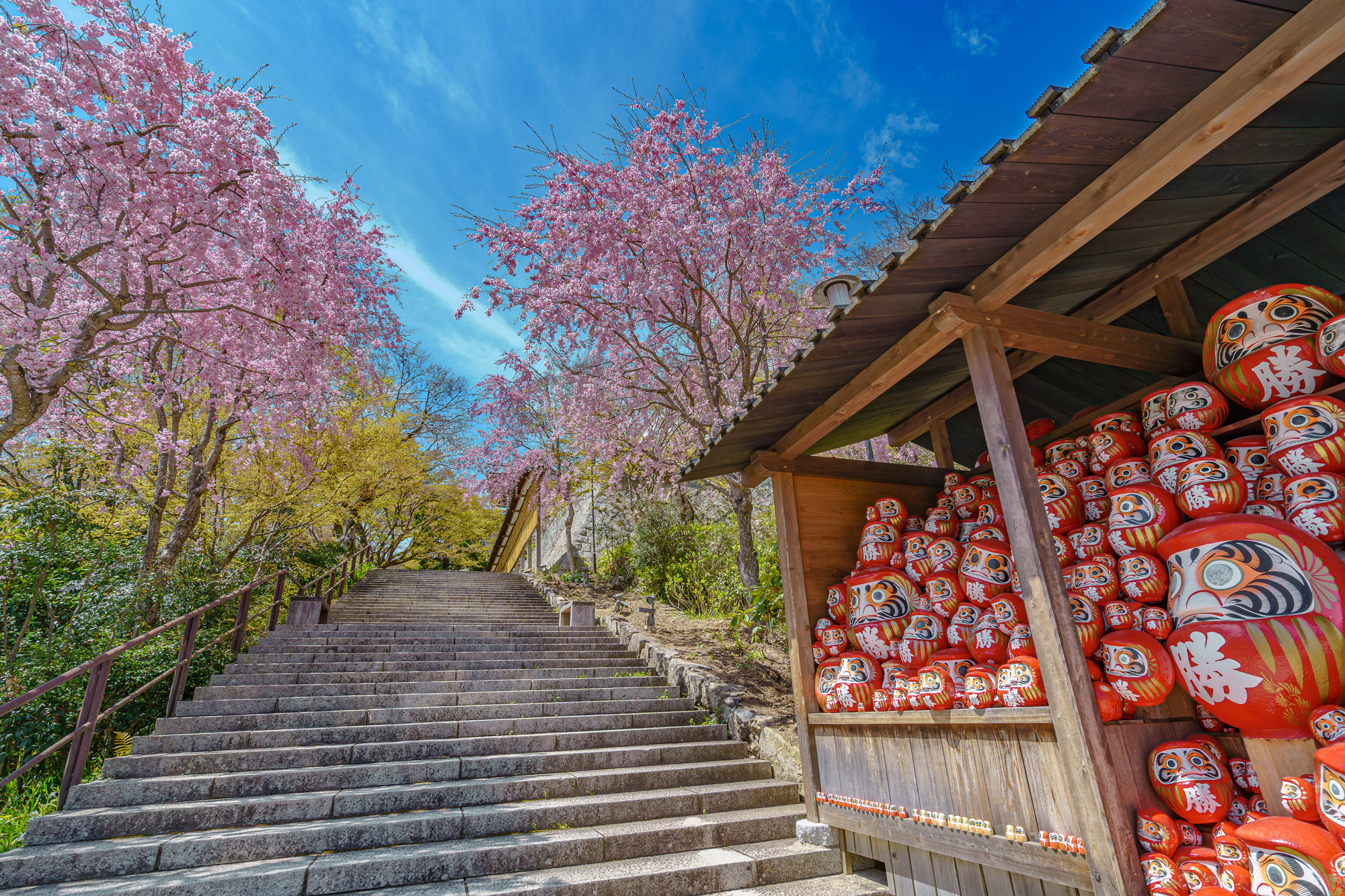
Perched in the mountains, Katsuoji is perhaps the most visually striking location in the region. The temple grounds are famous for their thousands of Kachi-Daruma (Winning Daruma) dolls. The sight of these red, wide-eyed figures tucked into every nook and cranny of the temple’s stone walls is both whimsical and deeply spiritual. Visitors are encouraged to paint the first eye on a daruma when making a wish, and the second upon its fulfillment—a practice of patience that defines the temple’s enduring appeal.
Ryuanji Temple: A History of Fortune
Ryuanji provides a more intimate, reflective experience. Beyond its status as a temple of wisdom, it claims the unique historical distinction of being the birthplace of the Japanese lottery. The annual "Minoh Tomi" lottery event, held every October 10th, continues a centuries-old tradition that connects the temple to the common people’s hopes for prosperity.
Supporting Data: Economic and Ecological Impact
Minoh is not merely a tourist destination; it is a critical ecological site. The park acts as a refuge for diverse wildlife, including the Japanese macaque. However, the interaction between tourism and ecology is managed with extreme care. The paved trail system minimizes soil erosion, while strict waste management protocols ensure the pristine condition of the river.
Economically, Minoh serves as a model for regional branding. The success of Minoh Beer—consistently ranked among the best in the world for their Imperial Stout and Yuzu White ales—has created a "culinary tourism" ripple effect. Local businesses have pivoted to highlight high-quality, craft-focused goods, distancing the region from the generic souvenir traps found in major tourist hubs.

Official Perspectives and Future Development
Local municipal authorities in Minoh have been vocal about the need for "sustainable tourism." With the recent expansion of the Osaka Metro, officials are preparing for an increase in foot traffic. The goal is to distribute visitors more evenly throughout the year, promoting the "off-season" beauty of the valley during the lush, humid summer months and the serene, snow-dusted winter period.
Current renovations to the historic Minoh Spa Garden and Kanko Hotel, slated for completion in late 2026, represent a significant investment in the region’s hospitality infrastructure. The municipal government has emphasized that these upgrades are designed to respect the traditional aesthetics of the area while meeting the modern standards of comfort required by international travelers.
Implications for the Modern Traveler
What does Minoh offer the modern, often jaded traveler? It offers a lesson in the "Third Way" of travel. It is neither the total seclusion of a remote village nor the overwhelming density of the metropolis. Instead, it occupies a vital middle ground.
For those traveling to Osaka, the implication is clear: your itinerary is incomplete without a day dedicated to the north. Whether you are seeking to improve your luck at Katsuoji, looking for the perfect pint of craft beer, or simply needing to clear your head in the shadow of a 33-meter waterfall, Minoh serves as a reminder that the most rewarding discoveries are often found just beyond the reach of the neon glow.
As urban centers globally become increasingly homogenized, places like Minoh—with their specific culinary delicacies, ancient folklore, and preserved landscapes—become essential anchors of identity. To visit Minoh is to step into a quieter, deeper, and more authentic version of Japan, one that rewards the curious and the patient with memories that extend far beyond the photograph.
Final Recommendations for Your Visit
- Timing: While autumn (mid-to-late November) is the peak season for the brilliant red maple foliage, the valley is arguably more peaceful in early spring, when the mountain flora begins to bloom.
- Logistics: Check the latest status of the Minoh Spa Garden and Kanko Hotel before your trip to ensure the facility has completed its planned renovation.
- Cultural Etiquette: When visiting Katsuoji, remember to respect the silence of the temple grounds. While the daruma dolls make for excellent photos, ensure you do not disrupt the prayer spaces of local visitors.
- Beyond the Trail: Don’t hesitate to explore the craft beer scene. The "Derailleur Brew Works" taproom is a fantastic example of how local heritage is being reinterpreted by a younger generation of entrepreneurs.
Minoh is waiting. Just thirty minutes away, the neon fades, and the forest begins.


 Neng Nana
 Asro
Asro