

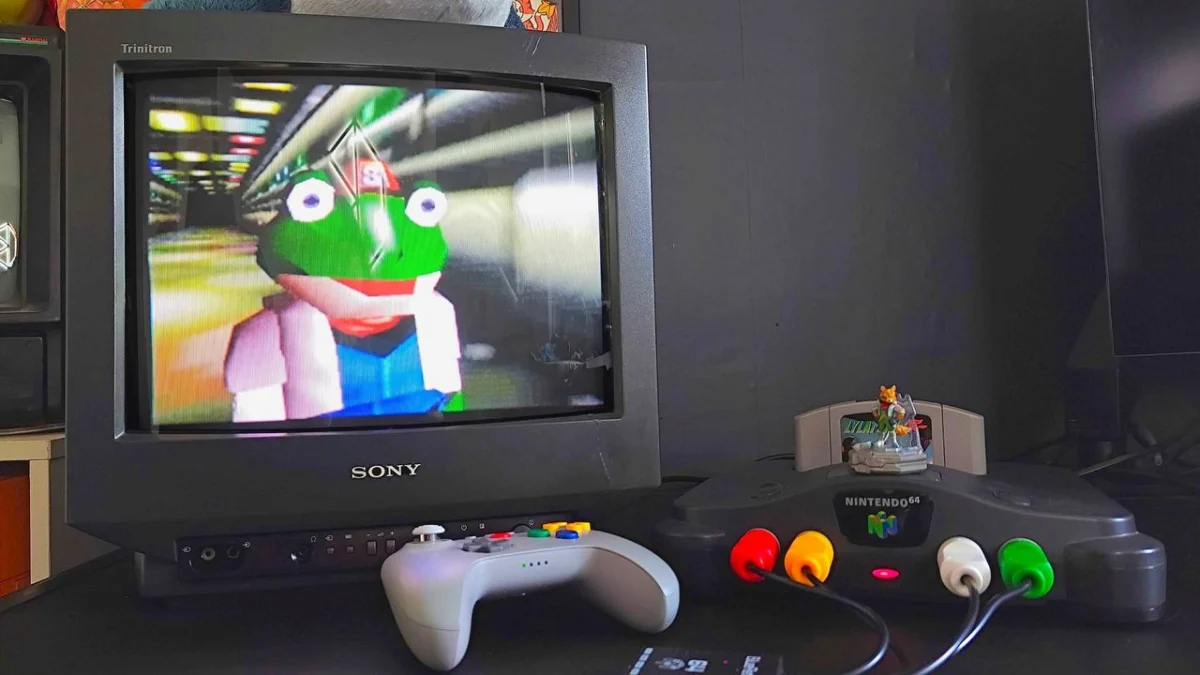
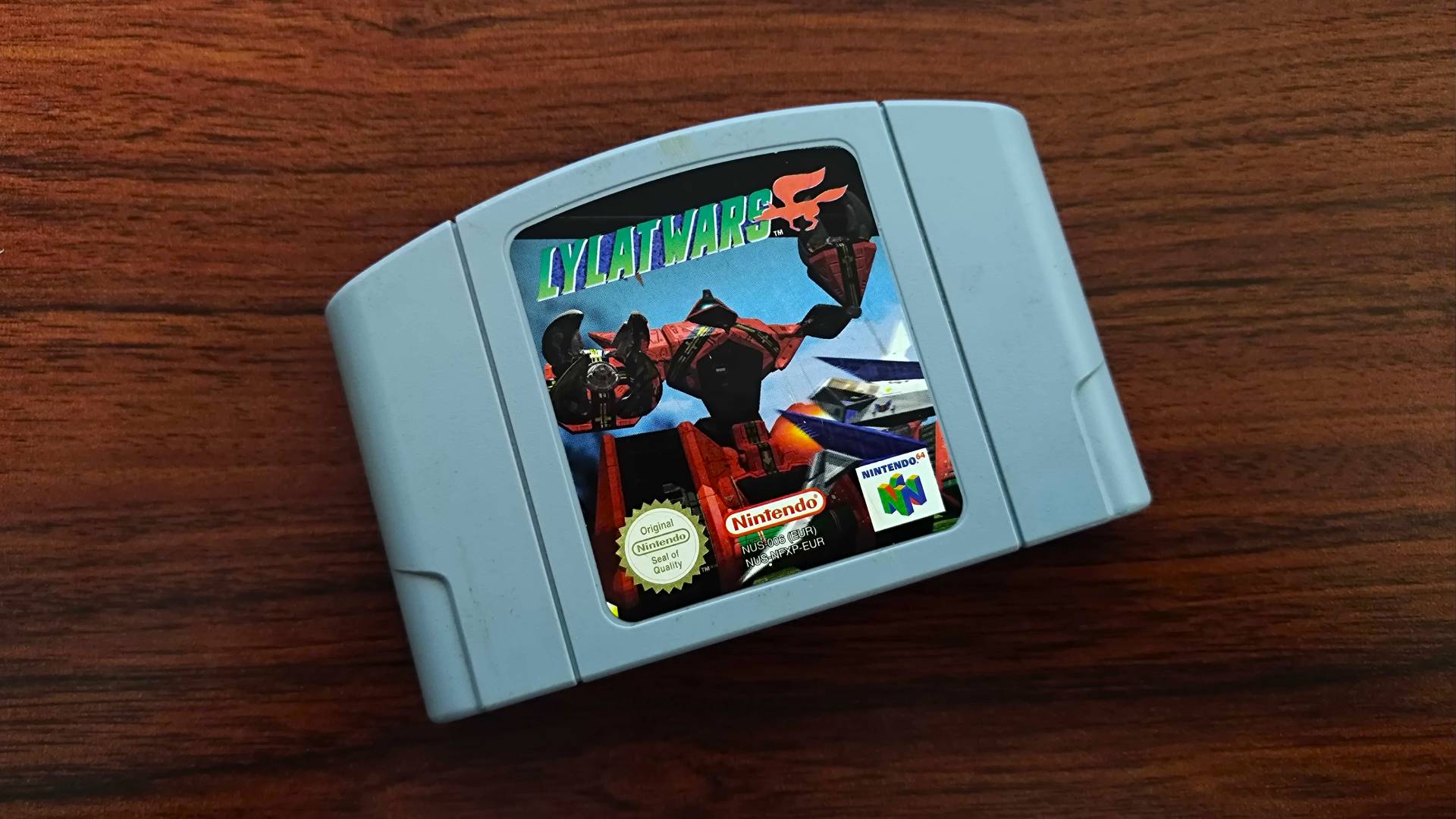
While the gaming world turns its collective gaze toward the horizon, eagerly anticipating the rumored capabilities of the upcoming "Switch 2" and the potential for a modern Star Fox reimagining, there is a quieter, more tactile revolution taking place in living rooms across the globe. For those of us who never truly abandoned the 1990s, the Lylat System has never left our side. The original Star Fox 64—known to many in Europe as Lylat Wars—is not merely a relic of a bygone era; it remains the definitive on-rail shooter experience.
As we approach a new generation of hardware, the question is not just about what the future holds for Fox McCloud and his crew, but why the original, jagged-polygon charm of the Nintendo 64 (N64) is still worth preserving, maintaining, and playing today.
The Chronology of an Icon: From 1997 to Today
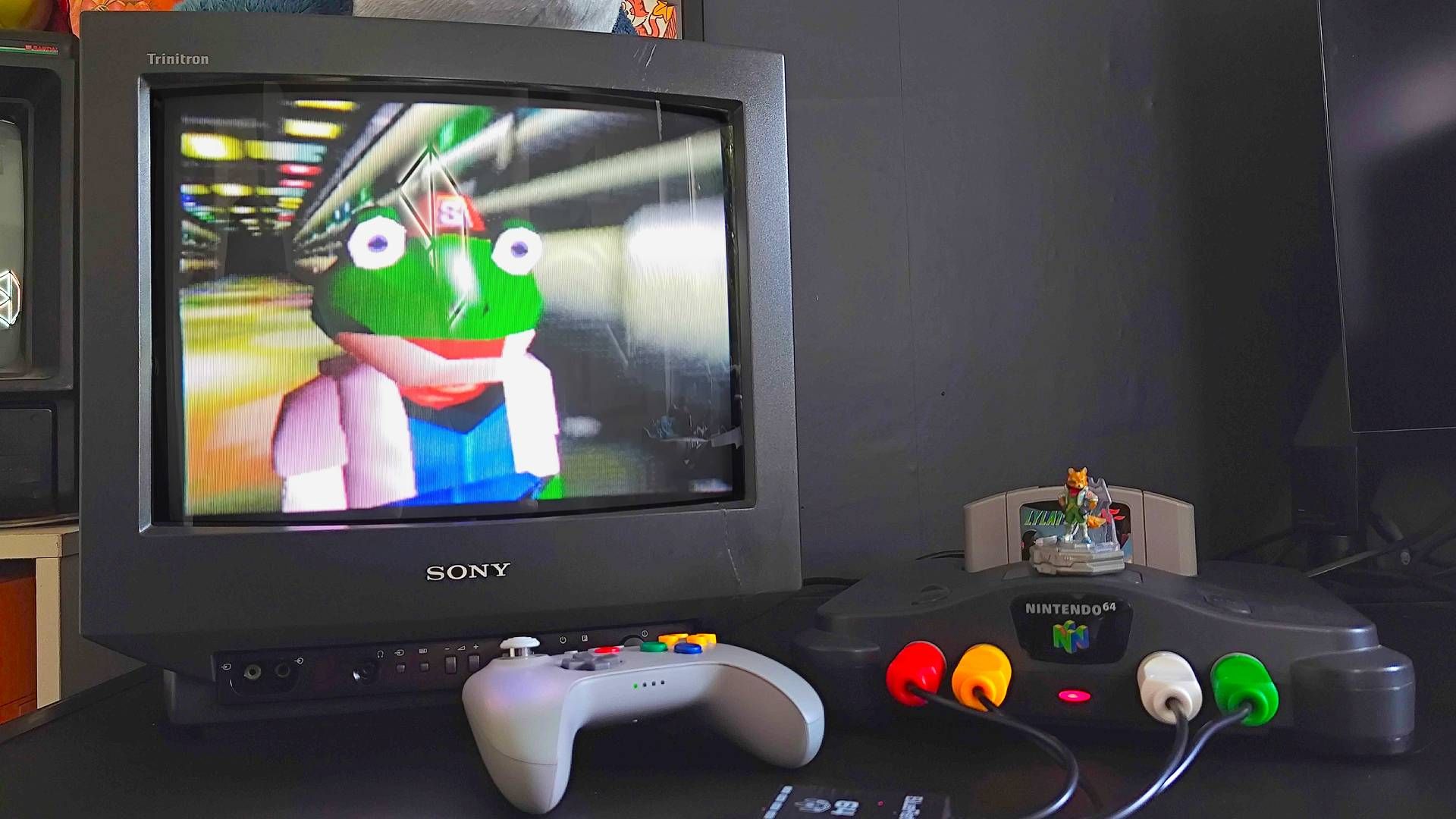
When Star Fox 64 launched in 1997, it was a technical marvel. It was the first game to utilize the Nintendo 64 Rumble Pak, a peripheral that changed gaming immersion forever. The game pushed the hardware’s capabilities to their absolute limit, delivering a cinematic, branching narrative that felt like playing through a high-budget sci-fi film.
Over the last 27 years, the game has seen various ports and remasters, most notably the Star Fox 64 3D release for the Nintendo 3DS in 2011. Yet, for enthusiasts, there is a distinct difference between the emulated, polished versions found on modern subscription services and the raw, unfiltered signal of an original N64 console connected to a cathode-ray tube (CRT) television. The "crunch" of the original joystick, the unique glow of the phosphor screen, and the specific audio mix of the N64’s sound chip create a sensory experience that modern upscaling often struggles to replicate with perfect fidelity.
The Architecture of Authenticity: Setting Up Your N64
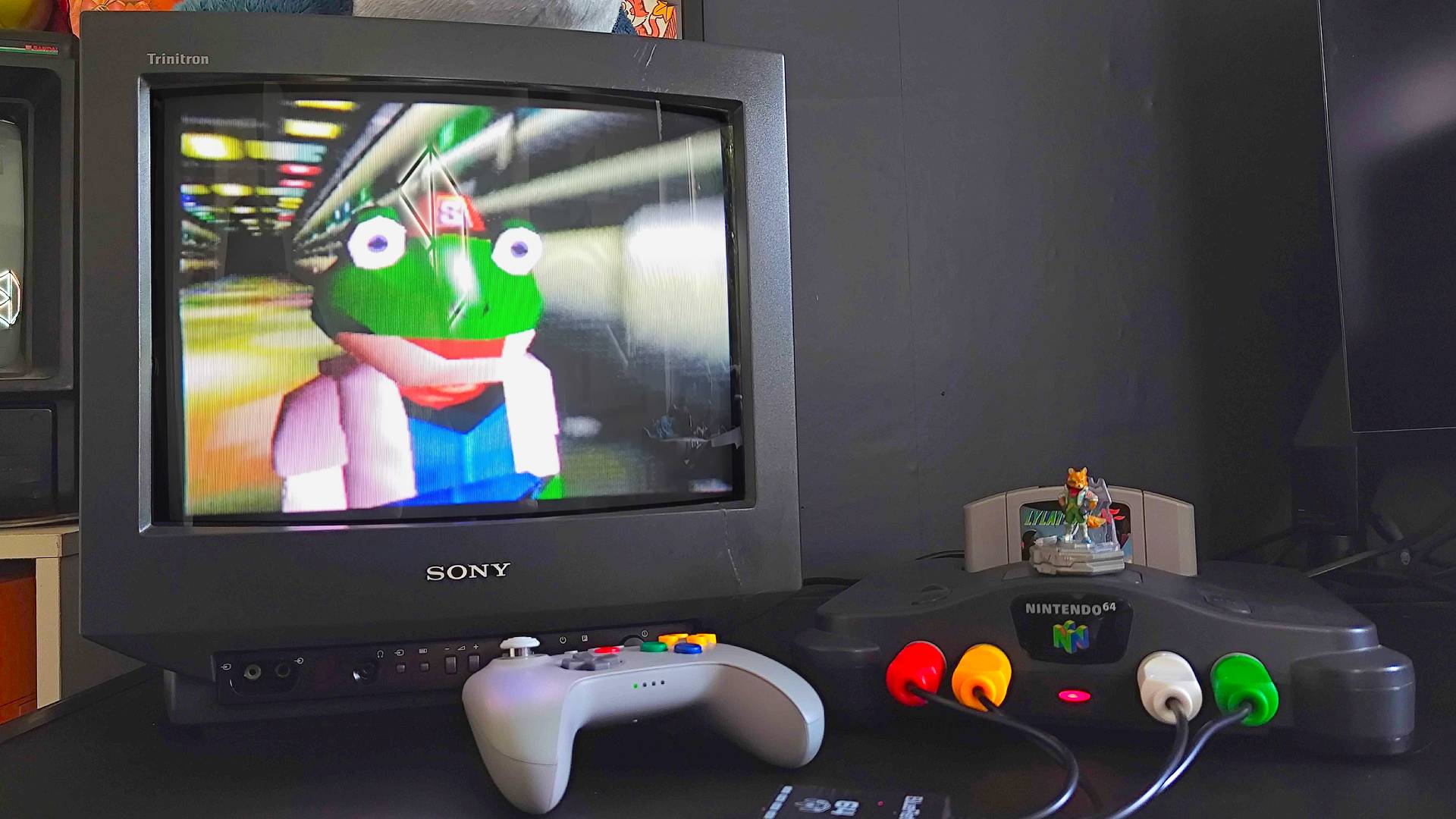
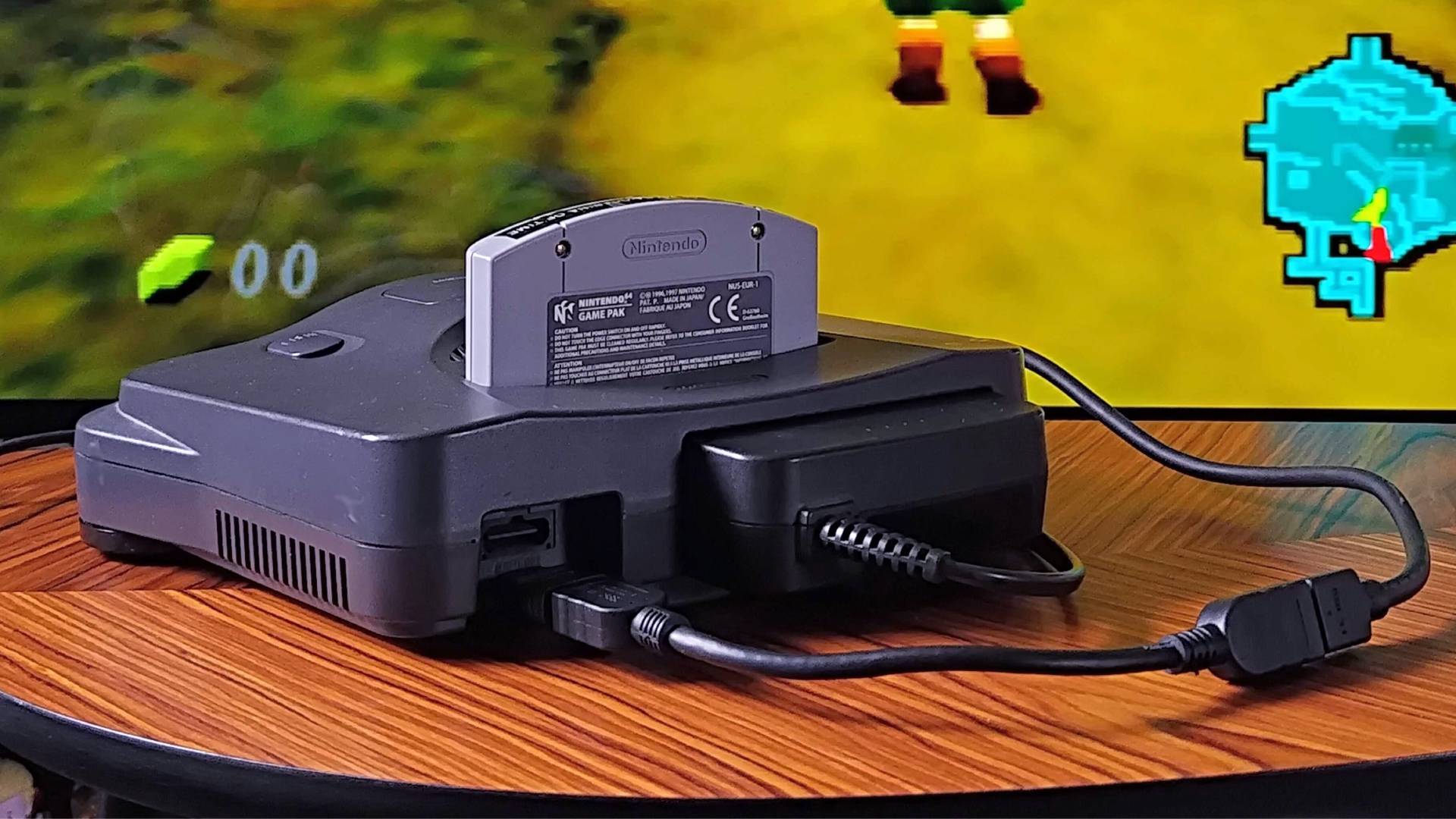
For those looking to experience the game as it was intended, the barrier to entry is surprisingly low, provided you know how to navigate the used hardware market. An original Nintendo 64 console, stripped of cables, can frequently be found on platforms like eBay for under $70. However, the true cost lies in the supporting infrastructure.
The Power Supply Conundrum
The original N64 power supply unit (PSU) is a proprietary piece of tech that is now nearly three decades old. While many remain functional, relying on aging internal components can be a gamble for your console’s longevity. While third-party alternatives exist, they are often hit-or-miss in terms of build quality. The burgeoning market for modern, efficient USB-C power mods—some available for as little as $18—is a game-changer for retro preservationists. These allow users to power their consoles with modern, reliable adapters, significantly reducing the risk of a power-related hardware failure.
The Display Challenge: HDMI vs. CRT
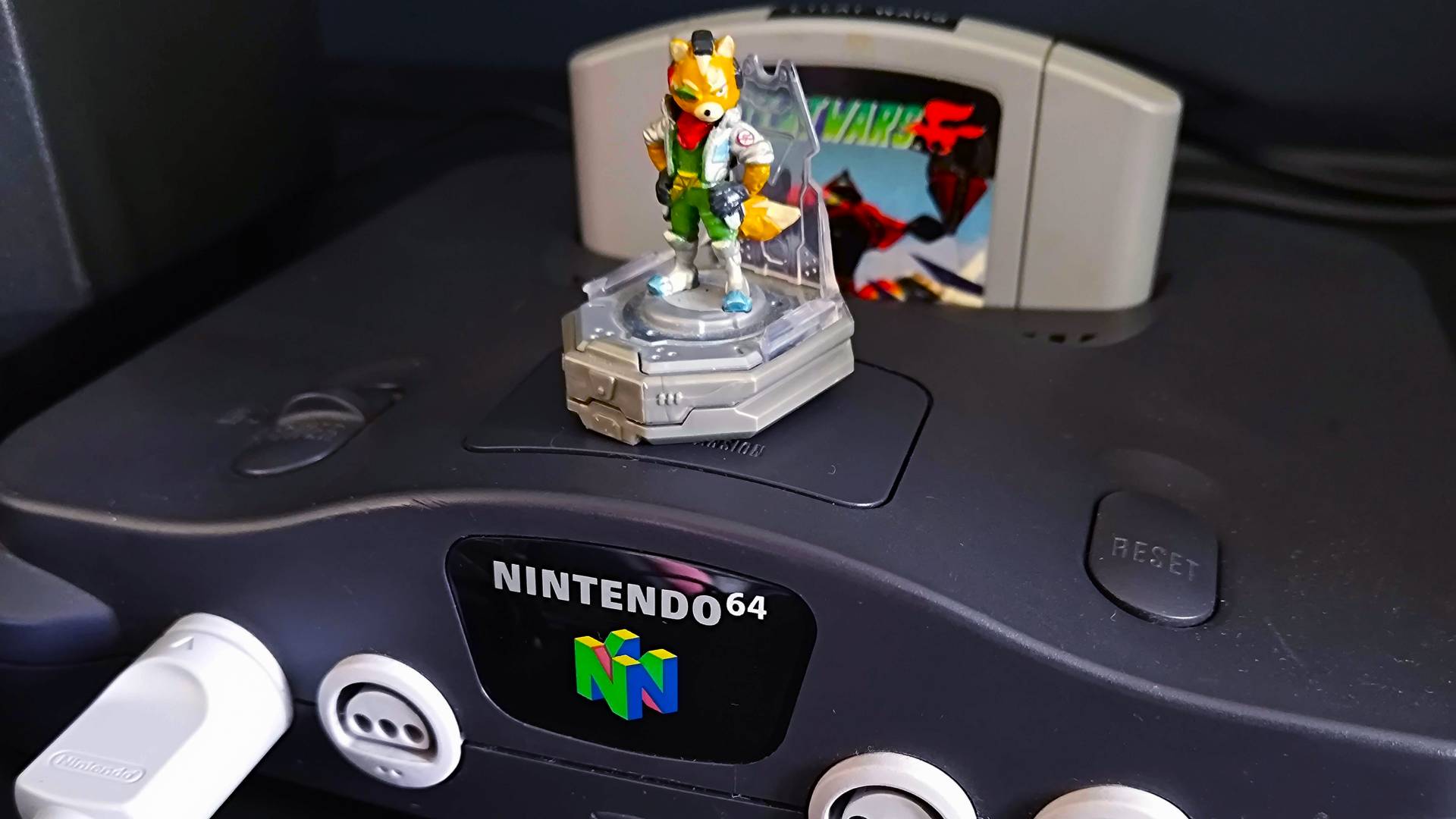
The most significant hurdle for the modern N64 player is the display output. Nintendo originally designed the system for analog signals—specifically, composite (RCA) or S-Video. Modern 4K and 1080p televisions are not natively equipped to handle these signals, leading to a blurry, "Vaseline-smeared" image when using cheap, generic HDMI converters.
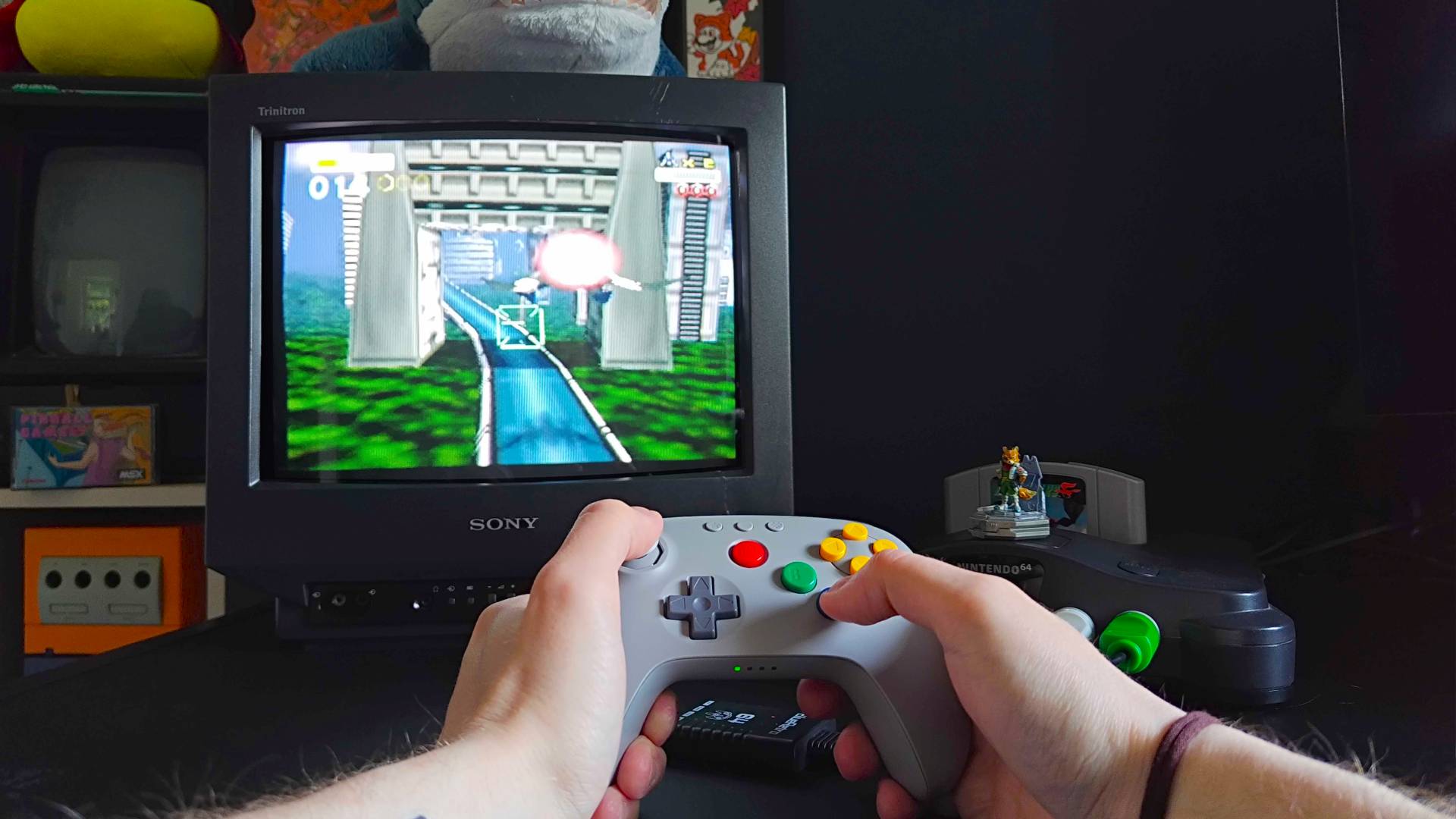
For the purist, a Sony Trinitron CRT remains the "holy grail" of display hardware, providing zero-latency performance and a natural image softness that masks the low-resolution textures of 90s-era 3D models. For those who prefer modern screens, the solution requires more investment:
- RGB Modding: Installing a board like the Tim Worthington RGB kit allows the console to output a clean, high-definition-ready signal.
- HDMI Modding: High-end boards like the "UltraHDMI" or more accessible, albeit technically demanding, custom solutions allow for a direct digital-to-digital signal pull from the PPU. This bypasses the analog noise entirely, delivering a razor-sharp 720p or 1080p image.
- The Analogue 3D: For those who want the "best of both worlds," companies like Analogue offer FPGA-based consoles (like the Analogue 3D). These systems do not use emulation; they replicate the original hardware architecture at a hardware level, allowing for 4K output and scanline filters that make games look exactly like they did on a vintage CRT.
The Controller Debate: Original Trident vs. Modern Precision
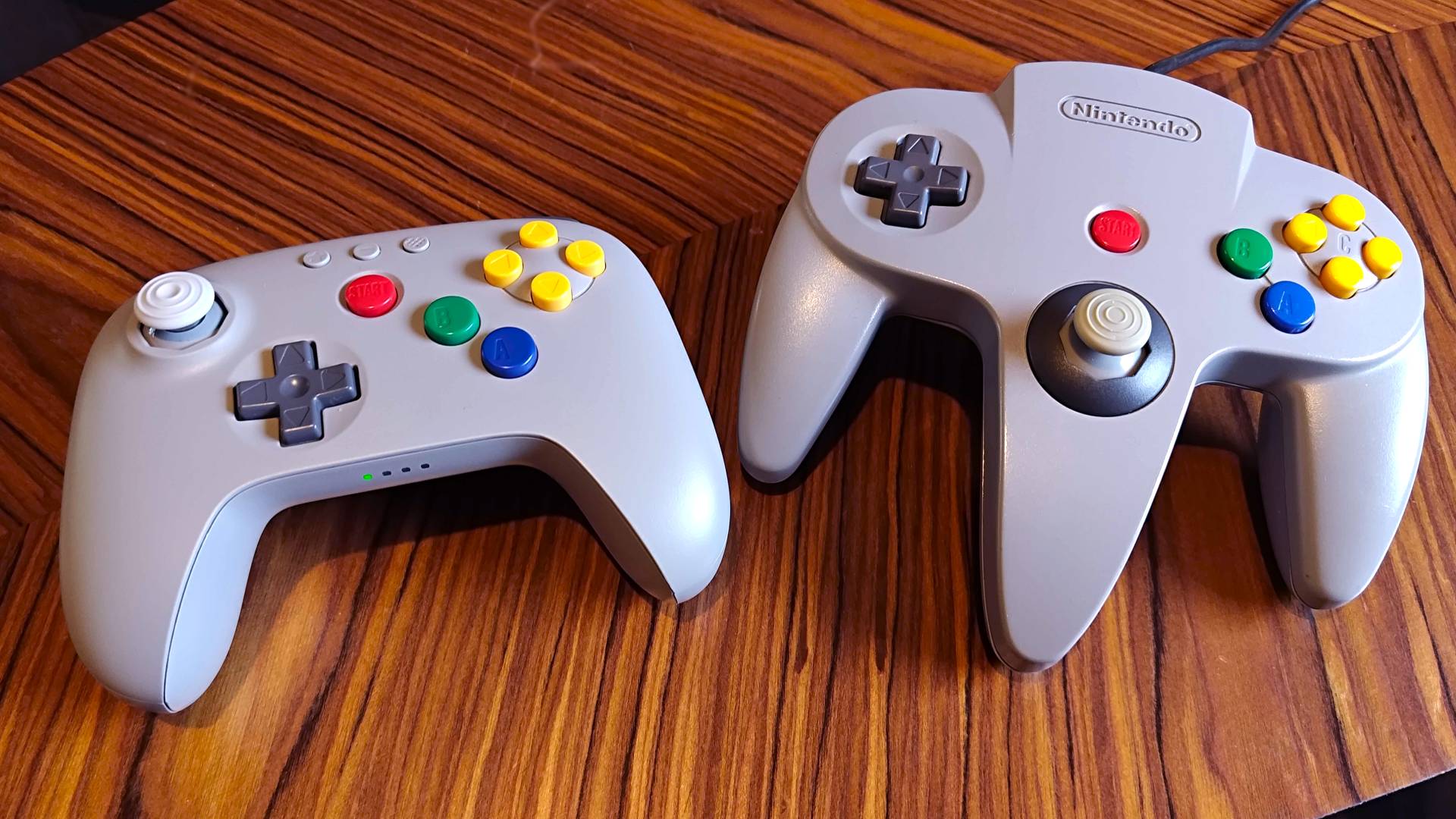
Fighting Andross is an exercise in reflexes, and the controller is your primary weapon. The original N64 "trident" controller is iconic, but it is notoriously prone to "joystick grind." The optical-mechanical sensors within the stick wear down over time, leading to the infamous "loose" feeling that makes precision flying in Star Fox 64 nearly impossible.
Fortunately, the market has responded. Enthusiasts now have access to:
- Hall-Effect Thumbstick Modules: These magnetic sensors never wear out and can be swapped into original controllers to provide modern-day precision with a vintage feel.
- 8Bitdo 64 Bluetooth Controllers: For those who find the original trident design ergonomically challenging, 8Bitdo has released a modern wireless controller that retains the exact N64 layout but houses it in a chassis resembling a modern Pro Controller. This is arguably the best way for a modern player to experience the game without the physical strain of the original hardware.
Implications for the Future of Retro Gaming
Why does this matter? Why go to the trouble of soldering, hunting for old hardware, and calibrating upscalers when you could simply boot up Star Fox 64 via Nintendo Switch Online?
The answer lies in the "digital preservation" movement. Subscription-based emulation is convenient, but it is ephemeral. The games are subject to license changes, UI alterations, and, in many cases, a loss of the original "vibe" due to the way emulators handle lighting and texture filtering. By maintaining original hardware, we are not just playing games; we are preserving a specific moment in technological history where 3D gaming was in its infancy.
Furthermore, playing the original title serves as a perfect benchmark. When a developer eventually releases a "Switch 2" remaster or a full-blown remake, those who have played the original on its native hardware will be the first to identify where the "soul" of the game has been preserved—and where it has been sacrificed for modern aesthetics.
Conclusion: A Training Mission for the Next Generation
Whether you are a seasoned pilot who has logged hundreds of hours in the Lylat System or a newcomer curious about the roots of 3D gaming, the effort to play Star Fox 64 on original hardware is a rewarding one. It provides an unparalleled, lag-free experience that connects the player directly to the creative intent of the developers at Nintendo in 1997.
As we look toward the future, let the original Star Fox 64 serve as your training mission. It is a masterclass in pacing, level design, and challenge. Even if you eventually transition to the latest hardware, the lessons learned in the cockpit of the original Arwing will ensure you are ready for whatever the Lylat System throws at you next. Keep your joysticks tight, your connections clean, and your CRT—or high-end upscaler—warmed up. The galaxy is waiting.











No comments yet. Be the first to join the conversation!