The global entertainment landscape is undergoing a seismic shift, driven by the explosive growth of South Korean webtoons. Once a niche digital format characterized by vertical scrolling and mobile-first accessibility, these web-based comics have evolved into a formidable intellectual property goldmine. At the center of this transformation is Big See, a critically acclaimed webtoon from Lezhin Comics that is currently being adapted into an ambitious hybrid digital drama by Kakao M. This project represents more than just another adaptation; it is a creative experiment in blending live-action storytelling with sophisticated animation to push the boundaries of how we consume narrative content on our smartphones.
The Core Narrative: A Poignant Exploration of Mortality
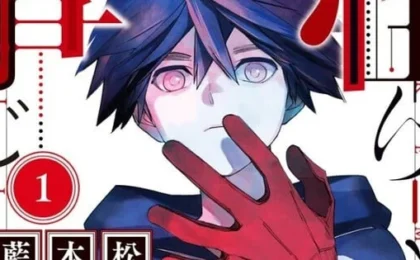
At the heart of the adaptation is the source material by creator Kim Botong, a visionary whose work has consistently challenged the thematic boundaries of the medium. Big See is not a typical genre piece; it is a deeply human, often harrowing exploration of a young man navigating the final stages of a terminal cancer diagnosis.
The story’s emotional resonance—having garnered over 20 million views worldwide—earned it the prestigious "Manhwa of the Day" award in South Korea, a significant honor in a country with a thriving, highly competitive literary scene. By focusing on the intersection of reality and the ethereal, the story provides a unique canvas for the upcoming adaptation. The production aims to capture the protagonist’s internal journey as he confronts his mortality, utilizing visual metaphors that bridge the gap between his waking life and his dreams.
Chronology of the Production
The journey of Big See from a digital comic to a cross-platform media sensation has been marked by strategic development and high-profile partnerships.
- Initial Success: Following its release on Lezhin Comics, Big See rapidly accumulated a dedicated fanbase, establishing Kim Botong as a prominent voice in contemporary webcomics.
- The Lezhin-Kakao M Alliance: In early August 2020, Lezhin Entertainment, under the leadership of CEO Lee Sung Eob, formally announced the partnership with Kakao M to bring the property to the screen.
- Strategic Casting: The project secured the involvement of Ji Soo, a veteran of digital-first dramas like My First First Love, alongside Lee Seol, signaling the studio’s commitment to high-caliber talent.
- Production Development: With Lezhin Studio—the production house acquired by Lezhin Entertainment in 2018—taking the helm, the series began a development process focusing on a hybrid visual language, blending the work of live-action director Kim Dong-ha with the acclaimed animator Han Ji-won.
- The 2020 Launch: The series was scheduled for a late 2020 release, optimized specifically for the KakaoTalk platform, targeting a demographic that prizes short-form, high-quality mobile content.
The Technical Synthesis: Live-Action Meets Animation
One of the most compelling aspects of the Big See adaptation is its structure. Eschewing the traditional 30-to-60-minute television format, the project consists of ten episodes, each running under 15 minutes. This duration is perfectly calibrated for the mobile viewing habits of modern audiences.
However, it is the stylistic approach that sets this project apart. The production team, led by Lezhin Studio, has opted for a "hybrid reality." While director Kim Dong-ha manages the grounded, emotional weight of the live-action segments, animator Han Ji-won provides the surrealist, atmospheric sequences that define the protagonist’s dreamscapes.
"We’re excited to see the performances by Lee Seol and Ji Soo combined by the fantastic atmospheres and environments only possible through animation," a Lezhin Studio representative stated. "This creates a new reality that dives deep into the horizon between the real world and dreams." This deliberate juxtaposition allows the show to visualize the protagonist’s psychological state in ways that would be impossible, or prohibitively expensive, to achieve through live-action visual effects alone.
Lezhin Studio’s Strategic Expansion
Lezhin Studio’s involvement is a testament to the company’s broader strategy of vertical integration. Since its 2018 acquisition, the studio has been tasked with bridging the gap between static digital comics and moving images. Their portfolio is impressive, including dramas for TVN such as Method and Chomi’s Interest.
The studio is currently operating as a powerhouse of development, with several high-profile projects in the pipeline, including Method: A Second Attempt and the much-anticipated Netflix original series Hell. By positioning themselves as a hub for both creative development and production, Lezhin is effectively creating a self-sustaining ecosystem where their own intellectual property is nurtured from the digital page to the global screen.
Supporting Data and Industry Context
The success of Big See cannot be viewed in isolation. It is part of a larger trend where South Korean webtoons serve as the primary source material for the nation’s television and film output.
- The "Webtoon Effect": Webtoons have become the premier source of "pre-sold" content for streaming services. With millions of built-in readers, adaptations carry significantly less risk than original screenplays.
- Kim Botong’s Track Record: Big See is the second of Kim Botong’s works to be greenlit for adaptation, following the high-profile D.P Dog’s Day, which is currently being developed for Netflix. This suggests a growing trust in Botong’s ability to write stories that translate seamlessly across mediums.
- Mobile-First Content: The partnership with Kakao M, a giant in the mobile messaging and content space, highlights the industry’s pivot toward "snackable" media. With 10-episode runs at 15 minutes each, the series is designed to be consumed during commutes or downtime, catering to a global mobile audience estimated in the tens of millions.
Implications for the Future of Digital Media
The adaptation of Big See serves as a bellwether for the future of digital entertainment. It suggests that the future of streaming will be increasingly fragmented and specialized, with short-form content playing a larger role than ever before.
Furthermore, the integration of animation into live-action series is a technique that could revolutionize the adaptation of fantasy, science fiction, and psychological dramas. By lowering the barriers between these two visual languages, creators can explore more abstract, interior narratives that traditional filmmaking often struggles to articulate.
If Big See succeeds in its hybrid approach, it will likely set a blueprint for future adaptations. We can expect to see more studios experimenting with mixed media to bring the surreal, imaginative, and deeply internal worlds of webtoons to life. As global audiences continue to migrate away from cable and toward mobile-optimized streaming, the success of this project could pave the way for a new genre of "digital-native" drama that feels less like condensed television and more like a unique, immersive experience.
Conclusion: A New Horizon for Narrative Adaptation
The adaptation of Big See is a landmark project that encapsulates the current trajectory of South Korean entertainment. By combining the emotional depth of Kim Botong’s writing with the technical innovation of hybrid animation and live-action, Lezhin Studio and Kakao M are pushing the medium into uncharted territory.
For fans of the original webtoon, the adaptation promises to be a respectful yet transformative experience. For the industry at large, it serves as a masterclass in leveraging existing digital intellectual property to create high-quality, mobile-optimized content. As the line between the "real world" and the "digital dream" continues to blur in our daily lives, Big See arrives as a timely reflection of our own shifting reality, proving that the next great leap in storytelling will not come from traditional networks, but from the pocket-sized screens where the next generation of narratives is already being written.