Raul Delapena Setiawan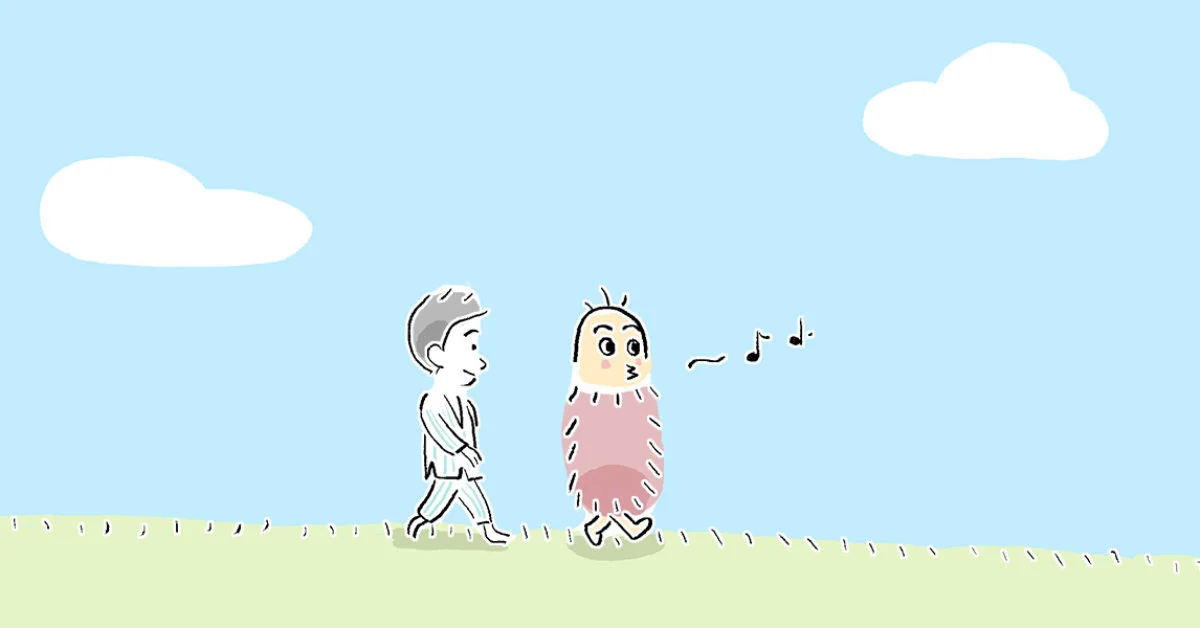
The landscape of global entertainment is undergoing a seismic shift, and at the epicenter of this transformation is the South Korean webtoon. With its distinctive vertical-scrolling format optimized for the ubiquitous smartphone, the medium has transcended its origins to become a powerhouse of intellectual property. Leading this charge is Lezhin Entertainment, which recently announced that one of its most acclaimed titles, Big See, is set for a high-profile digital drama adaptation by Kakao M. This project represents more than just a simple screen translation; it is a pioneering experiment in merging live-action performance with avant-garde animation to redefine how digital audiences consume narrative content.
The Genesis of a Digital Phenomenon
Webtoons—South Korea’s answer to traditional comics—have revolutionized digital storytelling. By utilizing a vertical-scrolling dynamic, they have bypassed the limitations of physical print, allowing creators to pace their narratives specifically for mobile devices. This accessibility has garnered a global readership in the tens of millions, turning local artists into international celebrities and turning webtoon platforms into the primary hunting grounds for major streaming services and production houses.
Big See, created by the visionary Kim Botong, stands as a testament to the emotional depth and cultural impact of this medium. As the first title to ever be awarded South Korea’s prestigious "Manhwa of the Day" prize, the series is not merely a piece of entertainment; it is a poignant exploration of the human condition. The narrative centers on a young man grappling with the late stages of a terminal cancer diagnosis, a subject handled with profound sensitivity and artistic nuance. With over 20 million views worldwide, the webcomic has already cemented its status as a cultural milestone, proving that digital comics can carry the same gravitas as traditional literary works.
A Chronology of Adaptation
The road from comic panel to screen is rarely straightforward, but Big See follows a deliberate, strategic path set by Lezhin Entertainment. Following the success of Kim Botong’s other major work, D.P. Dog’s Day—which is currently in pre-production for a high-budget Netflix adaptation—the industry has kept a close watch on his bibliography.
The timeline of the Big See project began with the strategic acquisition of the intellectual property rights by Lezhin Studio, a subsidiary of Lezhin Entertainment. Since its inception in 2018, Lezhin Studio has operated with a singular goal: to leverage the massive library of Lezhin Comics to create a broader user base through multimedia expansion.
The announcement on August 4th, 2020, confirmed that the project was moving into active development. Under the stewardship of Kakao M, a media giant known for its dominance in the South Korean digital landscape, the project secured a production team capable of blending two distinct visual mediums. The series is slated for release in the latter half of 2020, consisting of ten episodes, each running under 15 minutes—a format specifically optimized for the KakaoTalk video platform.
Production Synergy: The Hybrid Approach
What sets the Big See adaptation apart from conventional dramas is its unique technical architecture. The production team has opted for a hybrid format, weaving together live-action performances with animated segments.
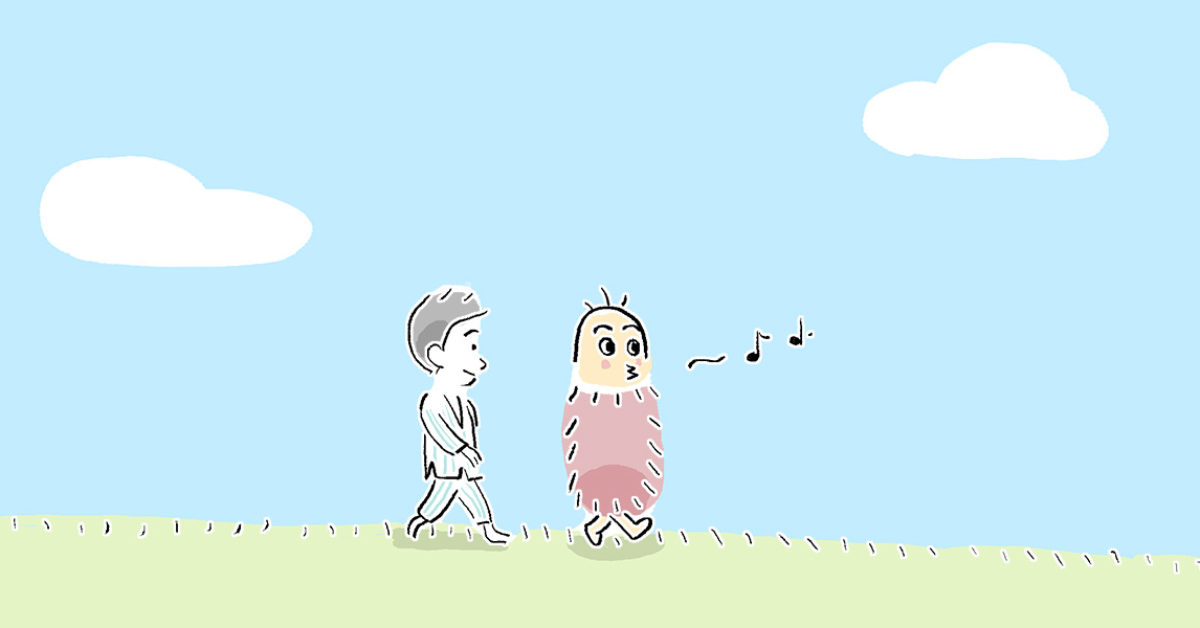
Directing the live-action sequences is Kim Dong-ha, a filmmaker tasked with grounding the deeply emotional story in reality. To complement these performances, the production has enlisted Han Ji-won, arguably South Korea’s foremost animator, to spearhead the animated portions of the series. This choice is deliberate; the animation is not intended as a stylistic flourish, but as a narrative tool used to illustrate the protagonist’s internal world—the "horizon between the real world and dreams."
The casting of Ji Soo—known for his breakout performance in My First First Love—alongside Lee Seol, suggests that the production is prioritizing high-caliber acting to carry the weight of the story’s heavy themes. By contrasting the stark reality of a hospital room with the fluid, subjective beauty of animation, the producers aim to create a visual language that mirrors the protagonist’s descent into the unknown.
Official Perspectives and Industry Strategy
Lezhin Studio has been vocal about its vision for this project. A representative from the studio noted:
"We’re excited to see the performances by Lee Seol and Ji Soo combined with the fantastic atmospheres and environments only possible through animation. We aim to create a new reality that dives deep into the horizon between the real world and dreams."
This statement highlights a broader strategy within the Korean media industry: the "Transmedia" approach. By transforming webtoons into live-action, animation, or hybrid dramas, companies like Lezhin are creating an ecosystem where users are constantly engaged with the intellectual property, whether they are reading the original source material or watching the adaptation on their phones during a morning commute.
Lezhin Studio’s portfolio serves as a roadmap for this strategy. Having already produced dramas for tvN, such as Method and Chomi’s Interest, and currently working on Method: A Second Attempt and the highly anticipated Netflix original series Hell, the studio has transitioned from a comic publisher to a multifaceted media conglomerate. Their acquisition of film production capabilities in 2018 was a clear signal that the company no longer views itself as a distributor, but as a content creator in the competitive global streaming market.
The Broader Implications for Global Media
The adaptation of Big See is a microcosm of the changing global entertainment industry. Several factors make this project significant for future media trends:
1. The Death of the "Niche"
Once considered a niche product for tech-savvy youth, the webtoon is now a mainstream juggernaut. The success of Big See confirms that serious, dramatic, and emotionally heavy subject matter is just as viable in the webtoon format as it is in traditional prestige television.
2. Micro-Content as the Future
With ten episodes under 15 minutes each, Big See is catering to the "snack culture" of mobile consumption. As attention spans shift, the ability to tell a complete, impactful story in a short format will become a critical skill for screenwriters and directors. This format is not just a compromise; it is an evolution in pacing that forces creators to strip away filler and focus entirely on the emotional core of the narrative.
3. The Democratization of Visual Storytelling
The collaboration between a digital comic platform and a mobile-first video platform like KakaoTalk represents a new vertical of power in the media world. Traditional networks are being bypassed in favor of platforms that already house the audience. When a fan finishes a chapter of Big See on their phone, the jump to the video adaptation is a seamless, frictionless experience.
Conclusion: A New Frontier
As Big See prepares for its late 2020 debut, the eyes of the international production community are firmly fixed on South Korea. The success of this hybrid drama will likely dictate the next wave of investments in webtoon-to-screen adaptations.
By pushing the boundaries of what a "drama" can look like—blending the gritty, grounded performances of Ji Soo and Lee Seol with the ethereal, imaginative capabilities of animation—Big See is poised to do more than just entertain. It is poised to define the next generation of storytelling. In an era where the lines between reality, memory, and digital media are increasingly blurred, Big See offers a poignant reflection of our times, proving that even in the smallest screens, we can find the most profound truths.


 Nana Wu
 Sagoh
Sagoh