Lina Irawan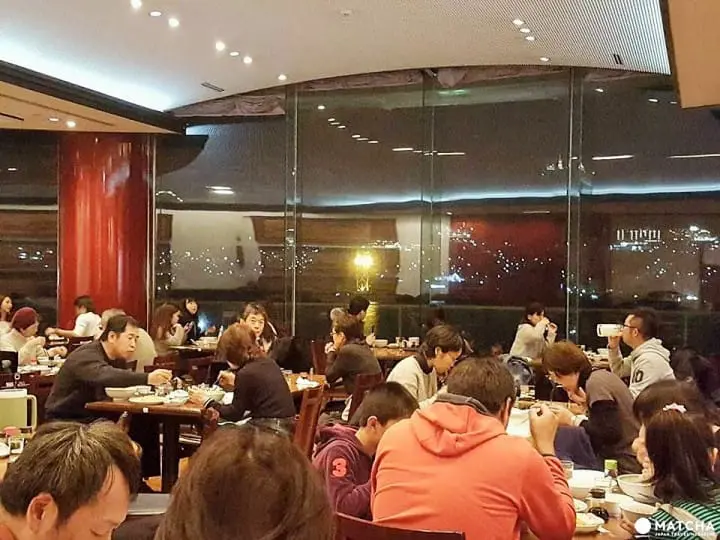
Nagasaki, a city defined by its position as Japan’s historical gateway to the world, offers a culinary landscape that is as complex and vibrant as its storied past. For the discerning traveler, the city’s identity is best understood not through its architecture alone, but through its unique gastronomy. Two dishes, in particular—Champon and Turkish Rice—serve as the cornerstones of the local dining scene. To understand Nagasaki is to taste the fusion of cultures that defines the "Wakaran" (a blend of Japanese, Chinese, and Western influences) heritage.
The Birthplace of a Legend: Shikairo and the Origins of Champon
When discussing Nagasaki’s culinary history, the name Shikairo is inseparable from the narrative. Located near the historic Oura Church, the restaurant is housed in a striking, Chinese palace-style structure that stands as a testament to the city’s long-standing connection with mainland China. Established in 1899, this century-old institution is officially recognized as the birthplace of Nagasaki Champon.

A Legacy Born of Compassion
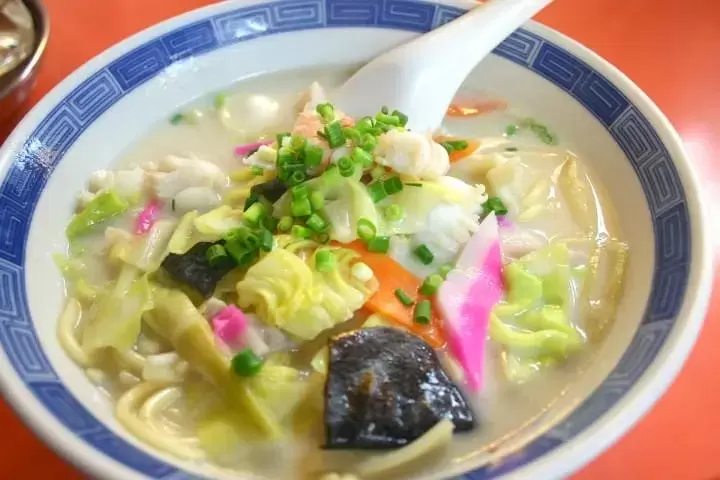
The origins of Champon are rooted in a gesture of profound humanitarianism. At the turn of the 20th century, the founder of Shikairo observed that many Chinese students residing in Nagasaki were struggling financially, unable to afford the high cost of local Japanese cuisine. Seeking to provide these students with a meal that was both affordable and nutritionally dense, the head chef developed a hearty noodle soup. By combining fresh local seafood, vegetables, and wheat noodles into a savory, bone-broth-based dish, he created a meal that was more than just sustenance—it was a symbol of cross-cultural solidarity.

Over the decades, this humble student meal evolved into the city’s premier signature dish, eventually gaining national acclaim. Today, the restaurant remains a bustling hub for locals celebrating milestones, proving that its appeal has transcended its origins as a student-focused canteen.

The Anatomy of the Perfect Champon
What sets the Shikairo Champon apart is its commitment to tradition. The broth is meticulously crafted by simmering a blend of pork and chicken bones, resulting in a soup that is rich yet remarkably lighter than the heavy tonkotsu ramens found elsewhere in Japan. The dish is topped with a vibrant medley of approximately nine ingredients, including cabbage, wood ear mushrooms, bean sprouts, succulent shrimp, squid, fish cake, and savory pork. The signature flourish—a garnish of finely shredded egg—provides a vibrant splash of color that has become synonymous with the Shikairo brand.

Cultural Context: Nagasaki’s Chinese Influence
The architectural and culinary presence of Shikairo is not accidental. During Japan’s period of national isolation (1633–1853), Nagasaki served as the sole port through which foreign trade and cultural exchange could occur. Consequently, the city became a melting pot of Chinese, Dutch, and Japanese traditions.

This influence is most visible today during the annual Nagasaki Kunchi festival. Central to the celebration is the dragon dance, a tradition that differentiates Nagasaki from the rest of Japan. While many Japanese festivals feature lion dances, the dragon dance here is a distinct local evolution, reflecting the deep-rooted integration of Chinese cultural motifs into the fabric of Nagasaki life.

Beyond the Noodle: Expanding the Culinary Horizon
While Champon is the primary draw, Shikairo’s menu offers a masterclass in Chinese-influenced Japanese cooking. The Happosai (stir-fried vegetables and meat) is a prime example. Despite the kanji for "eight" in its name, the dish is not restricted to eight ingredients; rather, it represents a bounty of seasonal produce. A typical serving features a complex arrangement of pork, shrimp, wood ear mushrooms, carrots, green peppers, Chinese cabbage, and quail eggs, all stir-fried and seasoned with soy sauce and Shaoxing wine to produce a depth of flavor that is both nostalgic and sophisticated.

For those visiting, a trip to the second-floor museum is essential. The museum chronicles the history of the restaurant’s tableware and the evolution of the Champon dish, providing a deep dive into the cultural significance of the restaurant’s role in Nagasaki’s history. From the dining room, guests are treated to panoramic views of Mount Inasa, which offers one of the most celebrated nightscapes in the world.

The Western Influence: Meijiya and the Mystery of Turkish Rice
If Shikairo represents the Chinese influence on Nagasaki, Meijiya serves as the standard-bearer for Western-influenced "Yoshoku" (Western-style Japanese) cuisine. Located along the bustling Kanko-dori, Meijiya is a warm, wood-toned establishment that epitomizes the neighborhood family restaurant.

Understanding the Turkish Rice Phenomenon
The centerpiece of the Meijiya menu is "Turkish Rice"—a dish that frequently confounds first-time visitors due to its name. Despite the moniker, the dish has no actual roots in Turkey. Instead, it is a quintessential example of post-war Japanese culinary fusion. It is a "three-in-one" plate featuring:

- Curry-seasoned fried rice: Providing a savory, aromatic base.
- Tomato-cheese spaghetti: Adding a tangy, creamy counterpoint.
- Pork cutlet (Tonkatsu): Drizzled with a rich demi-glace sauce.
Meijiya’s version is particularly lauded by critics for its dry-fried rice, which avoids the heaviness of gravy-drenched versions found in other establishments. This focus on texture and balanced aromatic profiles has secured Meijiya’s status as a local favorite.

Catering to the Modern Appetite
For those seeking an even more substantial experience, the restaurant offers the "Yokubari" (Greedy) Turkish Rice. This variant adds a thick, juicy hamburger steak atop the standard pork cutlet. In Japanese culture, the hamburger steak is a symbol of comfort, and the combination of the crispy pork and the soft, savory beef patty creates a harmonious, albeit indulgent, meal that exemplifies the "big-plate" dining culture of Nagasaki.

Implications for Culinary Tourism
The enduring success of establishments like Shikairo and Meijiya illustrates the resilience of Nagasaki’s food culture. These restaurants do not simply serve food; they preserve a history of trade, migration, and adaptation.
Economic and Cultural Impact
The "Wakaran" style of cuisine—a portmanteau of Wa (Japanese), Ka (Chinese), and Ran (Western)—is the defining feature of Nagasaki’s tourism appeal. By maintaining traditional recipes while adapting to modern tastes, these restaurants contribute significantly to the local economy. Official tourism data indicates that visitors to Nagasaki frequently prioritize "food experiences" above other activities, confirming that the city’s culinary history is its greatest asset.
Conclusion: A City Defined by Its Plate
Nagasaki’s culinary scene is a living archive. From the humble, compassionate origins of Shikairo’s Champon to the bold, playful fusion of Meijiya’s Turkish Rice, the city’s food tells a story of a port that opened its doors to the world and, in return, created something entirely its own. For anyone traveling through Japan, a visit to these two landmarks is not merely a recommendation; it is a vital part of understanding the complex, multi-layered identity of Nagasaki. Whether you are a historian, a foodie, or a casual traveler, these dishes offer a taste of history that is as comforting as it is culturally profound.


 Neng Nana
 Asro
Asro