For decades, the mention of Japanese ski resorts conjured images of powder snow, neon-lit night skiing, and the cozy après-ski culture of Hokkaido and Nagano. However, a significant transformation is currently underway. As global temperatures rise and the demand for "cool-cationing" intensifies, Japan’s mountainous regions are pivoting. What were once dormant facilities during the warmer months are now vibrant, multi-seasonal leisure hubs.
By leveraging high-altitude geography and existing infrastructure like gondolas and ropeways, these resorts are successfully shedding their "winter-only" reputation, offering a refreshing alternative to the sweltering heat of Japan’s urban lowlands.
The Shift in Seasonal Strategy
The transition of ski resorts into summer destinations is not merely a creative whim; it is a strategic response to changing travel patterns. Traditional summer getaways in Japan—often focused on beaches or crowded mountain temples—are increasingly being supplemented by the "resort-in-the-sky" concept.
The primary draw is climate. At elevations ranging from 1,400 to nearly 2,000 meters, temperatures are consistently several degrees lower than in metropolitan areas like Tokyo or Osaka. This natural air conditioning, combined with expansive terrain that allows for social distancing and outdoor immersion, has turned these facilities into premier retreats for families, adventure seekers, and city dwellers looking for a respite from the humidity.
Ryuoo Mountain Resort: A Gateway to the Clouds
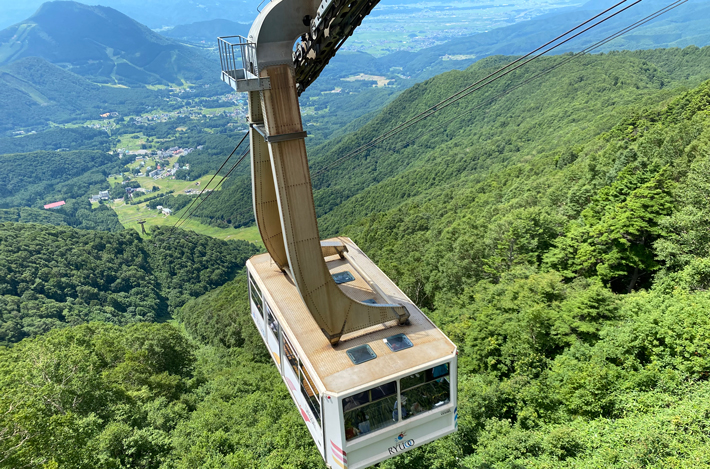
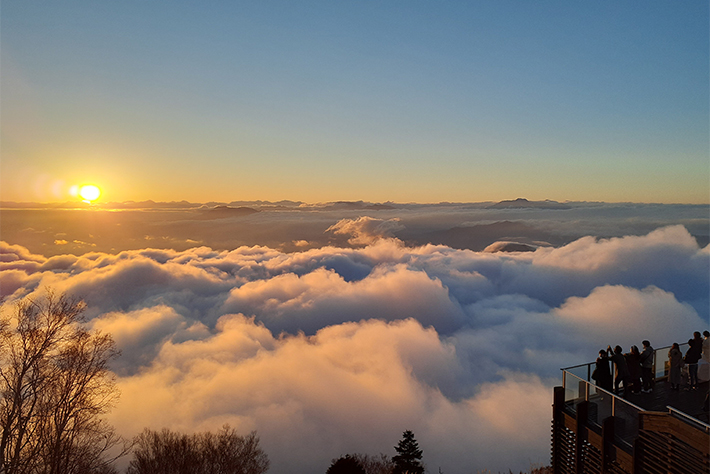
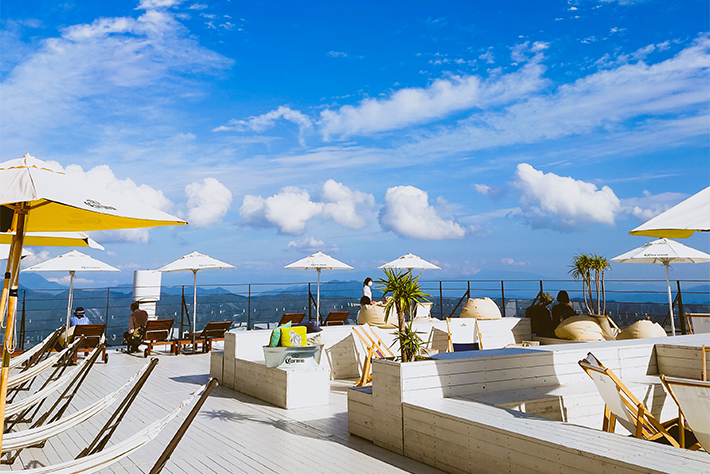
Located in the Kitashiga Highlands of Nagano Prefecture, the Ryuoo Mountain Resort has mastered the art of the "cloud-top experience." The centerpiece of the resort is the SORA terrace, accessible via one of the world’s longest ropeway systems.
Chronology of the SORA Experience
- The Ascent: Visitors board a massive ropeway, rising rapidly from the valley floor to 1,770 meters.
- The Phenomenon: The SORA terrace is designed to offer a front-row seat to the "sea of clouds" (unkai).
- The Peak Window: While the occurrence of unkai is weather-dependent, data from 2022 indicates a remarkable 65.9% success rate.
Data and Implications
Interestingly, meteorological patterns at Ryuoo defy traditional expectations. The sea of clouds appears with greater frequency during the evening hours rather than the early dawn, a fact that has encouraged the resort to extend its operating hours. This has significant implications for local tourism, as it shifts visitor spending from brief daytime trips to longer, evening-inclusive stays.
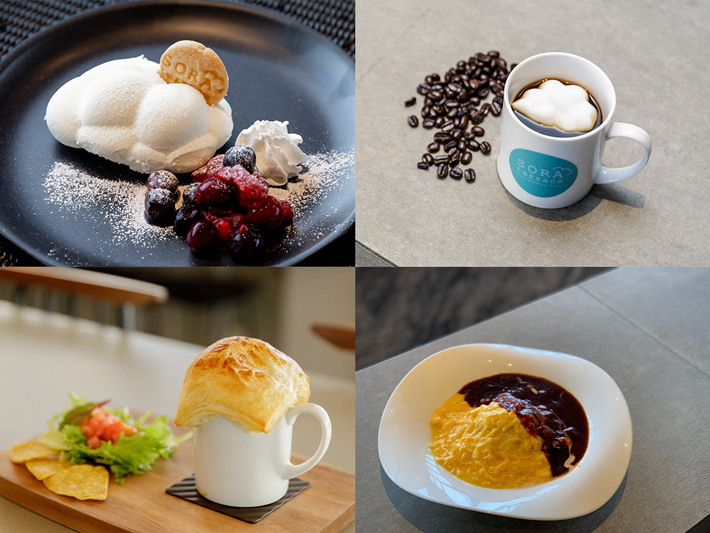
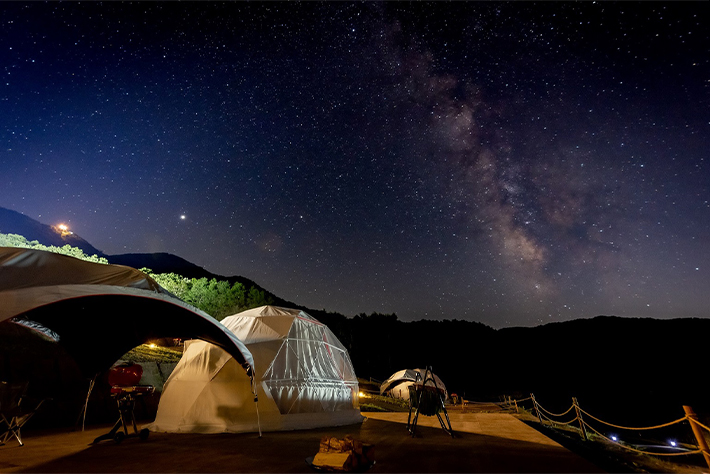
The culinary offerings at the café have also evolved to match the landscape. With menus utilizing locally sourced Nagano fruits and photogenic, cloud-themed desserts, the resort taps into the "Instagrammable" travel trend. Furthermore, the introduction of high-end glamping facilities at the mountain’s base allows visitors to transition from the café’s sunset views to a night under a pristine, light-pollution-free sky.
Hakuba Happo-One: The Alpine Playground
Hakuba, long considered the "mecca" of Japanese winter sports, has rebranded itself as an all-season alpine sanctuary. Unlike the high-octane atmosphere of winter, the summer season at Happo-One emphasizes tranquility and accessible exploration.
The Trekking Advantage
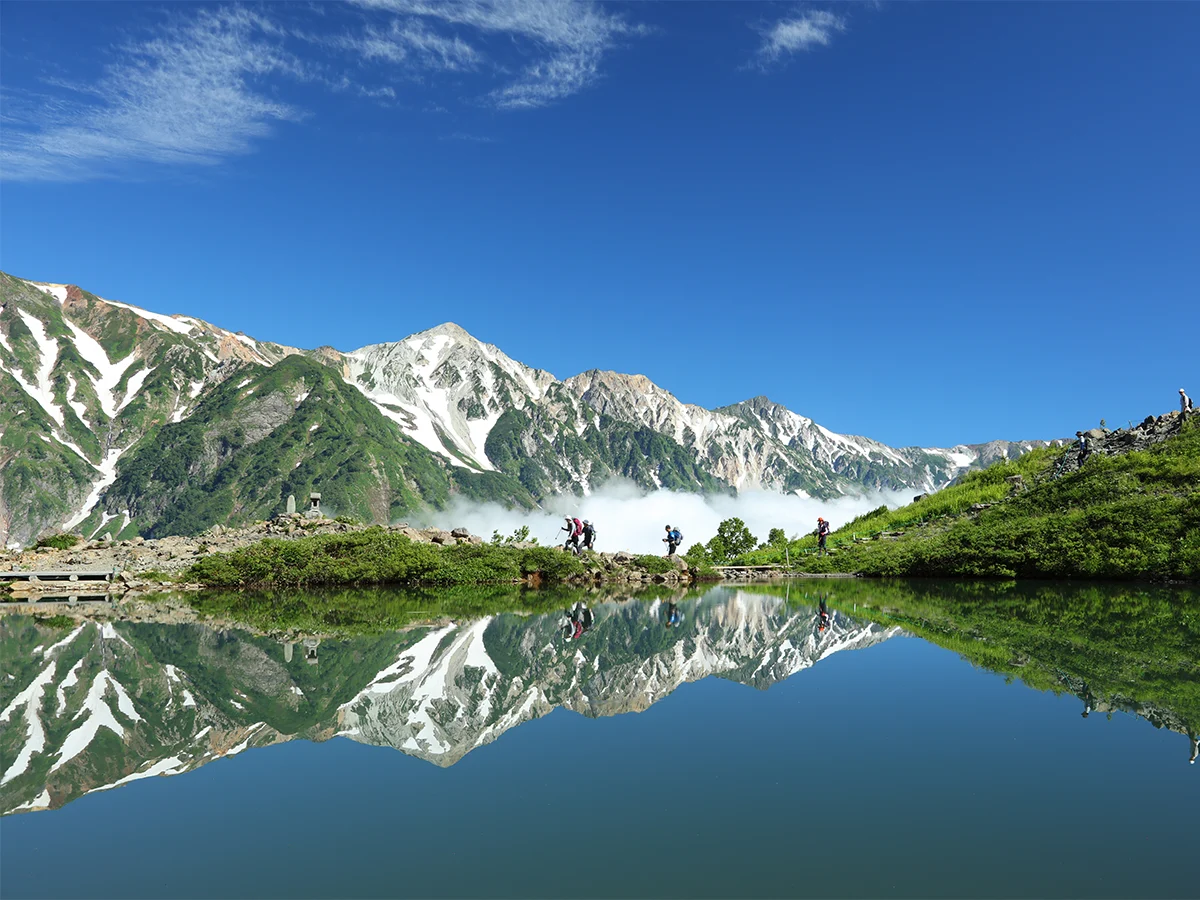
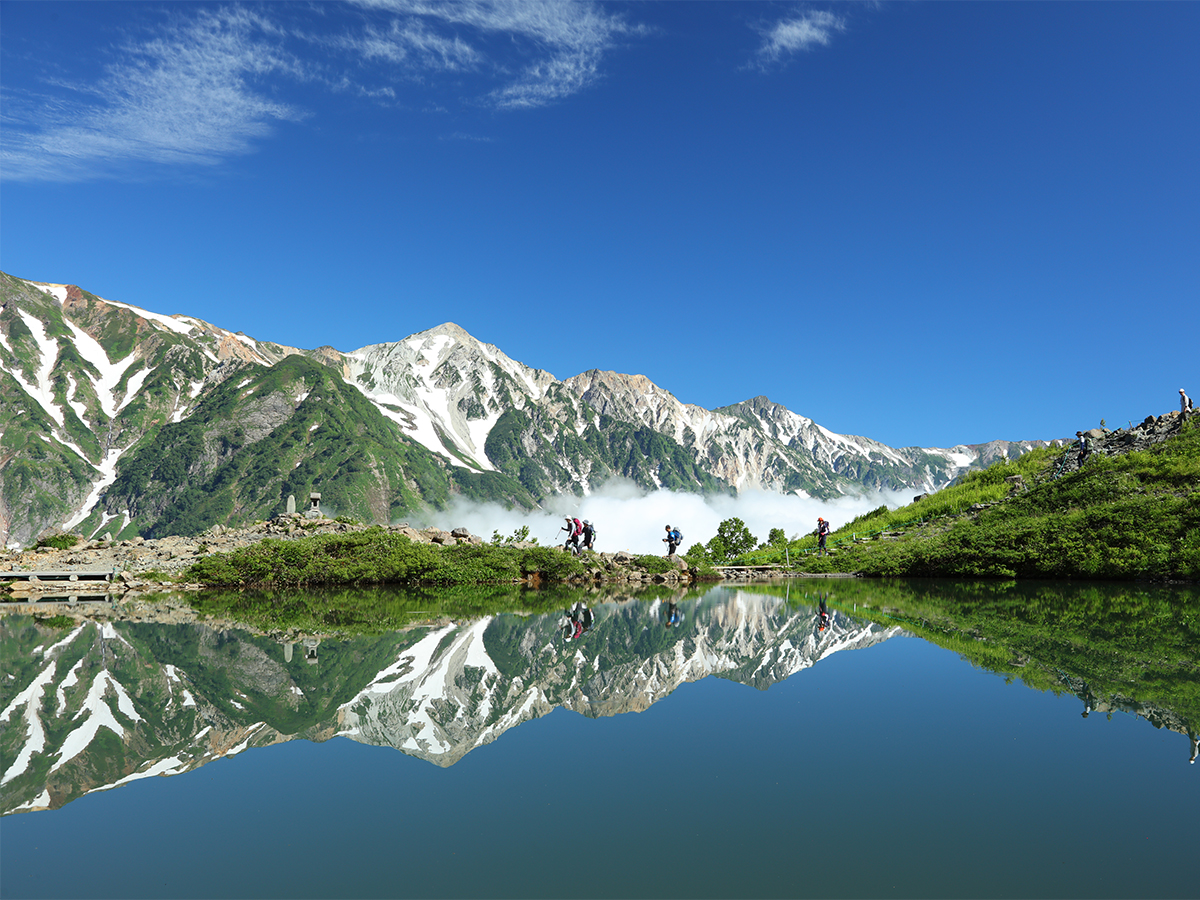
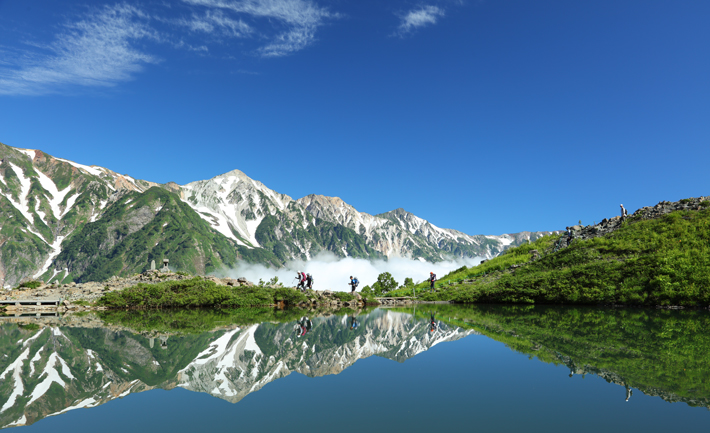
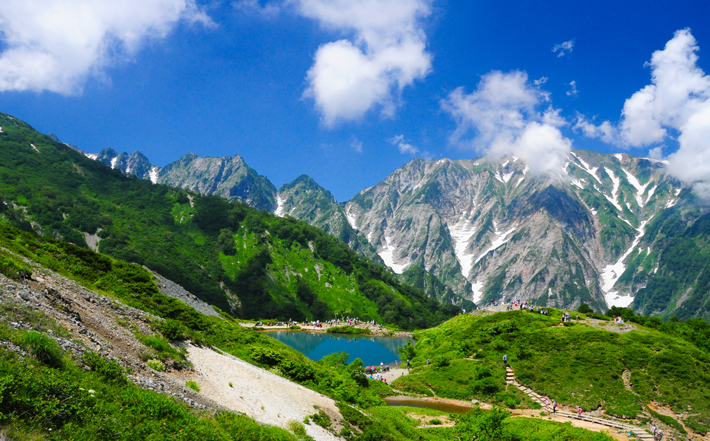
The resort facilitates a unique "high-altitude hike" that requires minimal mountaineering experience. By utilizing the gondola and lift network, guests can reach the 1,800-meter mark with ease. From there, a well-maintained trail leads to the iconic Happo Pond.
- The Reflection: On clear days, the pond acts as a perfect mirror for the Hakuba mountain range, creating a visual spectacle that draws photographers and nature enthusiasts alike.
- Accessibility: The timberline in this region is relatively low, ensuring that the path is unobstructed and suitable for beginners, children, and the elderly.
Modern Leisure: HAKUBA MOUNTAIN BEACH
For those who prefer relaxation over trekking, the resort has introduced "HAKUBA MOUNTAIN BEACH." This facility mimics a coastal resort, complete with sun loungers and beach-inspired cuisine. The integration of high-altitude saunas—a booming trend in Japan—offers a unique wellness experience. The contrast of the crisp mountain air with the heat of an outdoor sauna and jacuzzi provides a physiological "reset" that is increasingly sought after by stressed professionals from Japan’s urban centers.
Tsugaike Mountain Resort: Adventure at Scale
If Ryuoo is for the dreamer and Hakuba is for the hiker, Tsugaike Mountain Resort is for the adrenaline enthusiast. As the largest outdoor park in the Hakuba area, Tsugaike has invested heavily in "adventure infrastructure."
The "WOW!" Factor
The resort’s "WOW!" facility is a masterclass in modern leisure design. It features:
- Cogidas: Aerial bicycle rides that simulate flight above the tree line.
- Tobidas: A 12-meter high launch ramp where thrill-seekers slide down on rubber tubes before leaping into the air.
- Comprehensive Facilities: Bouldering, zip-lining, and mountain biking tracks ensure that guests of all ages find an activity suited to their skill level.
Beyond the thrills, Tsugaike maintains its connection to nature through the high-altitude wetlands accessible via further ropeway travel. At 1,900 meters, visitors can explore one of Japan’s most important alpine ecosystems, observing rare flora and fauna in a protected environment. This juxtaposition of high-energy adventure and quiet environmental education makes Tsugaike a versatile destination for diverse group dynamics.
Implications for the Future of Japanese Tourism
The shift toward summer-use ski resorts is not merely a local success story; it is a vital economic evolution. By utilizing existing infrastructure—gondolas, lodges, and restaurants—these resorts avoid the environmental and financial costs of building new tourist attractions.
Official Perspectives and Regional Impact
Local tourism boards in Nagano report that the integration of summer activities has smoothed out the "off-season" revenue troughs that previously plagued these municipalities. By creating a 12-month calendar of events, these resorts provide year-round employment for local staff, reducing the reliance on seasonal migrant labor and strengthening community stability.
Furthermore, the ease of access via the Shinkansen and extensive highway bus networks ensures that these mountain retreats are viable for international travelers and domestic tourists alike. The "overnight trip" model—where a visitor can theoretically sample all three resorts in a single weekend—is becoming a popular itinerary for those looking to maximize their exposure to the Japanese Alps.
Conclusion: A New Way to Experience the Alps
The transformation of Japan’s ski resorts into summer playgrounds represents a thoughtful marriage of infrastructure and environment. No longer restricted by the calendar of the seasons, these regions are proving that the mountains are not just for the winter enthusiast.
Whether it is watching the clouds roll over the SORA terrace, trekking to the mirror-like waters of Happo Pond, or testing one’s limits at the Tsugaike adventure park, the Japanese Alps have positioned themselves as the country’s premier summer escape. For the traveler seeking a blend of comfort, adventure, and natural beauty, the answer to "where to go this summer" is increasingly clear: head for the heights.