

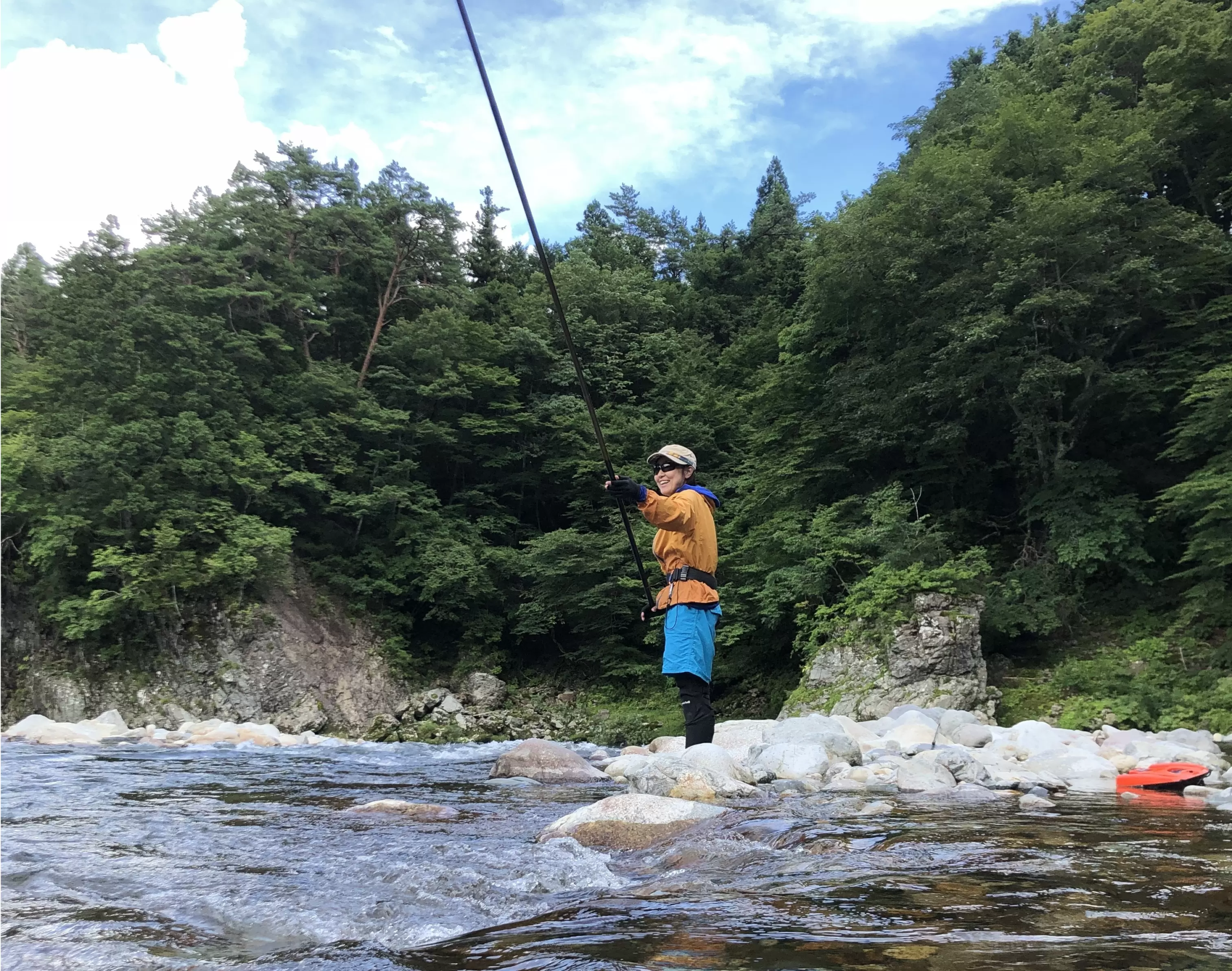
Japan’s geography is defined by its dramatic topography—towering mountain ranges that feed pristine, crystal-clear rivers carving their way toward the sea. While millions of visitors flock to the neon-lit streets of Tokyo or the historic temples of Kyoto, a vast portion of the Japanese landscape remains largely inaccessible to the international traveler.
Language barriers, complex local licensing regulations, and the specialized nature of traditional Japanese outdoor crafts have historically kept these treasures hidden. Today, RiverLabo is changing that narrative. With the announcement of its upcoming service launch in 2027, and a series of exclusive test operations beginning in 2026, the organization is opening the gates to the soul of rural Japan: its traditional river fishing culture.

The Essence of the Experience: A Deep Dive into Tradition
RiverLabo provides more than just a day out; it offers an immersive cultural education through two distinct, historically significant fishing methodologies: Tomozuri and Tenkara.
1. Tomozuri: The Art of Territorial Defense
Tomozuri is a sophisticated fishing technique specifically for ayu (sweetfish). First documented in 1697, this method is a testament to the Japanese mastery of biological observation. Ayu are notoriously territorial; they graze on algae covering river stones and aggressively attack any intruder entering their domain.

In Tomozuri, anglers use a live decoy fish equipped with a special hook rig. When the decoy enters the territory of a wild ayu, the wild fish strikes to defend its home, effectively hooking itself. It is a thrilling, high-stakes game of cat-and-mouse that requires patience, precision, and an intimate understanding of the riverbed. Under the guidance of RiverLabo’s licensed instructors, guests learn the techniques passed down through generations—a skill set that bridges the gap between master and apprentice.
2. Tenkara: The "Zen" of Fly Fishing
Often referred to as "Zen Fishing," Tenkara is a minimalist approach to angling that originated over 400 years ago during the Edo period. Developed by commercial fishermen in the mountain streams of Japan, it was designed to catch yamame (trout) and iwana (char) with maximum efficiency and minimal gear.

Stripping away the complexity of modern Western fly-fishing reels, Tenkara relies solely on a rod, a line, and a fly. For the modern visitor, it offers a meditative, simplified connection to nature. By removing the "noise" of modern technology, the angler is invited to focus entirely on the movement of the water and the grace of the fish, making it an increasingly popular pursuit for those seeking mindfulness in the wild.
Location: The Hidden Gem of Gujo Hachiman
The stage for these experiences is Gujo Hachiman, a picturesque castle town tucked deep within the mountains of Gifu Prefecture. Often described as the heart of Japan’s river culture, the town is famous for its namesake castle—the oldest reconstructed wooden castle in Japan—and its vibrant, centuries-old Bon Odori dance festival.

Fishing excursions primarily take place on the Nagara and Yoshida Rivers. These waterways are renowned for their purity, providing a stunning visual backdrop of translucent blue-green currents. The town’s atmosphere is one of timelessness, where the sound of the river is a constant companion to the rhythm of local life.
Chronology of Service Rollout
RiverLabo has adopted a meticulous, phased approach to ensure the highest quality of service and environmental stewardship:

- 2025–2026 (Testing Phase): Limited test operations are currently being conducted to refine the guest experience, safety protocols, and guide-to-guest ratios. Interested parties are invited to apply for these early slots via the official Application Form.
- 2027 (Official Launch): Full-scale operations will commence, integrating a broader range of dates and expanded logistical support.
Supporting Data: Why "All-Inclusive" Matters
For international visitors, the prospect of navigating local fishing laws, renting specialized gear, and securing transportation can be daunting. RiverLabo’s "All-Inclusive" model removes these friction points. Each excursion includes:
- Professional Guidance: Licensed, English-speaking guides who provide safety briefings and technical instruction.
- Comprehensive Equipment: High-quality rods, tackle, specialized clothing, and safety gear (including life jackets).
- Local Gastronomy: A lunch featuring locally sourced ingredients, allowing guests to taste the region they are exploring.
- Legal Compliance: All mandatory recreational fishing licenses are handled by the organization.
- Digital Memories: To ensure the experience is captured without the distraction of a camera, staff provide instant sharing and sales of professional photos and video footage of the day.
Pricing and Safety Protocols
RiverLabo places a premium on safety and personalized attention. Because of this, groups are capped at four participants, with a strict two-guest-per-guide ratio.

- Adults: 30,000 JPY (tax included)
- Children (13+): 5,000 JPY (tax included)
Payments are accepted on-site via cash, credit card, or QR code.
Implications: Sustainability and Cultural Preservation
The introduction of this service is not merely a commercial venture; it is a contribution to the sustainability of Japan’s freshwater ecosystems. RiverLabo operates with a strict code of ethics:

- Catch and Release: The Tenkara program emphasizes strict catch-and-release management to ensure fish populations remain stable.
- Resource Management: In Tomozuri, only the minimum amount of fish required for consumption is taken, preventing the over-harvesting of the river’s bounty.
By turning traditional fishing into an educational, high-value experience, RiverLabo is creating a new incentive for local communities to protect their rivers. When international travelers visit to appreciate these ecosystems, the economic value of a "living, healthy river" becomes apparent to local stakeholders, fostering long-term environmental protection.
Official Perspective: Bridging the Gap
"Japan has beautiful mountains, rivers, and oceans, but currently, there are few services that allow foreigners to enjoy this natural environment in a deep, meaningful way," a spokesperson for RiverLabo noted.

The initiative aims to move away from "drive-by tourism" and toward "participation tourism." By providing a safe, guided, and comfortable path into the wilderness, RiverLabo hopes to leave guests with more than just a story—it aims to leave them with a profound respect for the Japanese connection to the natural world.
Whether you are a seasoned angler looking to master the Tenkara fly or a curious traveler wanting to stand in the clear, rushing waters of the Nagara River, the invitation is clear: immerse yourself in the traditions that have shaped the Japanese landscape for centuries.

For those interested in participating, early applications for 2026 test dates are now open. Visit the RiverLabo Application Form to secure your place in this unique cultural experience.












No comments yet. Be the first to join the conversation!