Nana Wu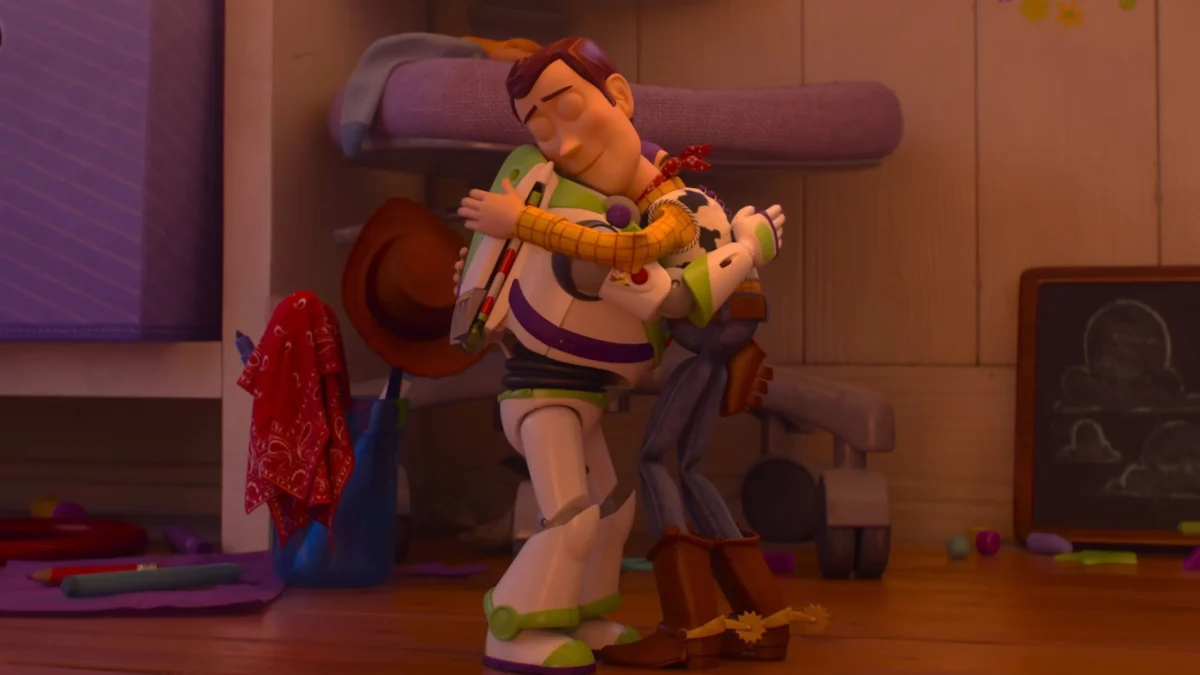
As Pixar Animation Studios prepares for the highly anticipated release of Toy Story 5 on June 19, 2026, the discourse surrounding the legendary franchise has shifted from a retrospective celebration to a forward-looking inquiry. For decades, the Toy Story series has been the crown jewel of Pixar, serving as the benchmark for computer-animated storytelling. However, with the upcoming sequel placing our favorite playthings in a high-stakes battle against the encroaching tide of modern technology, fans are asking the inevitable question: Could there be more?
In a recent interview with ScreenRant, co-creator and director Andrew Stanton addressed the status of the franchise, refusing to rule out the possibility of a Toy Story 6. As the studio navigates a new era of box office volatility and creative reinvention, the potential for further installments has become a subject of intense industry speculation.
The Narrative Evolution: From Andy’s Room to the Digital Age
The Toy Story franchise has always been defined by its ability to mirror the real-world passage of time. Toy Story 3 (2010) famously captured the poignant transition of childhood’s end as Andy Davis prepared for college, resulting in a tear-jerking conclusion that many felt served as a definitive finale. Yet, the series persisted. Toy Story 4 (2019) pushed the narrative boundaries further, focusing on Woody’s existential search for purpose beyond being a "child’s toy," ultimately seeing him reunite with Bo Peep to help lost toys find new homes.
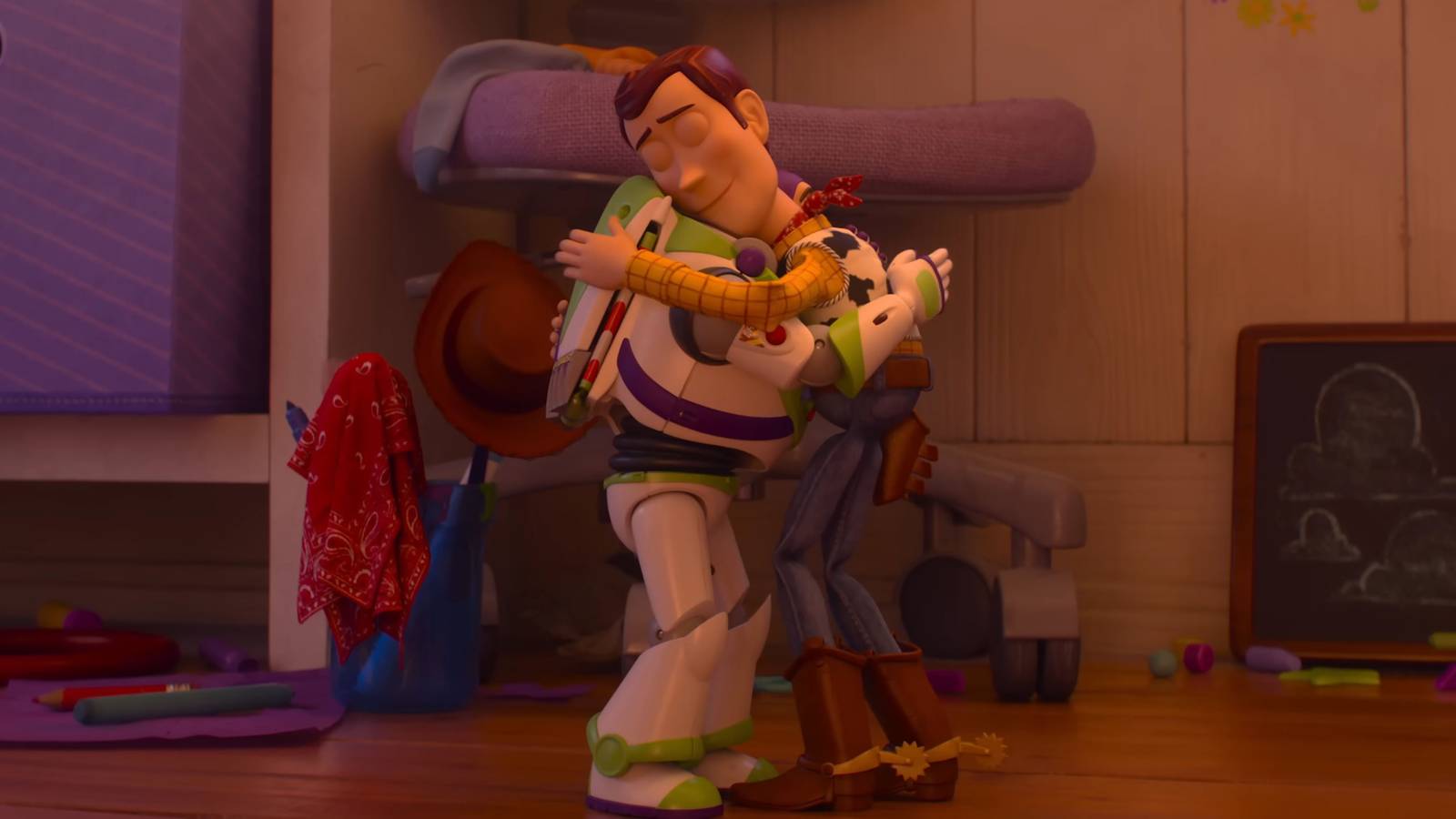
Toy Story 5 arrives with a fresh, albeit cautionary, premise. The plot centers on Bonnie—the current owner of the iconic gang—as she becomes increasingly distracted by a "Lilypad" tablet. This device represents a broader cultural shift, acting as a wedge between the physical play that defined previous generations and the digital engagement that dominates modern childhood. With Jessie and Buzz Lightyear facing the threat of obsolescence, Woody returns to the fray, bridging the gap between his past experiences and this new, technologically saturated reality.
The "Bonnie Years" and the Philosophy of Continuity
When asked if Toy Story 5 is designed to be the final chapter, Andrew Stanton’s response was characteristically nuanced. "You can never say never," Stanton noted, emphasizing that the structure of the franchise has always been built to accommodate longevity.
Stanton’s perspective on the series’ longevity is rooted in the concept of "handing off the badge." He explained that when the team crafted the transition from Andy to Bonnie, it was not merely a plot device but a realization that the toys’ existence is defined by the children they serve. By focusing on "the Bonnie years," Pixar has created a framework that allows for continuous storytelling.
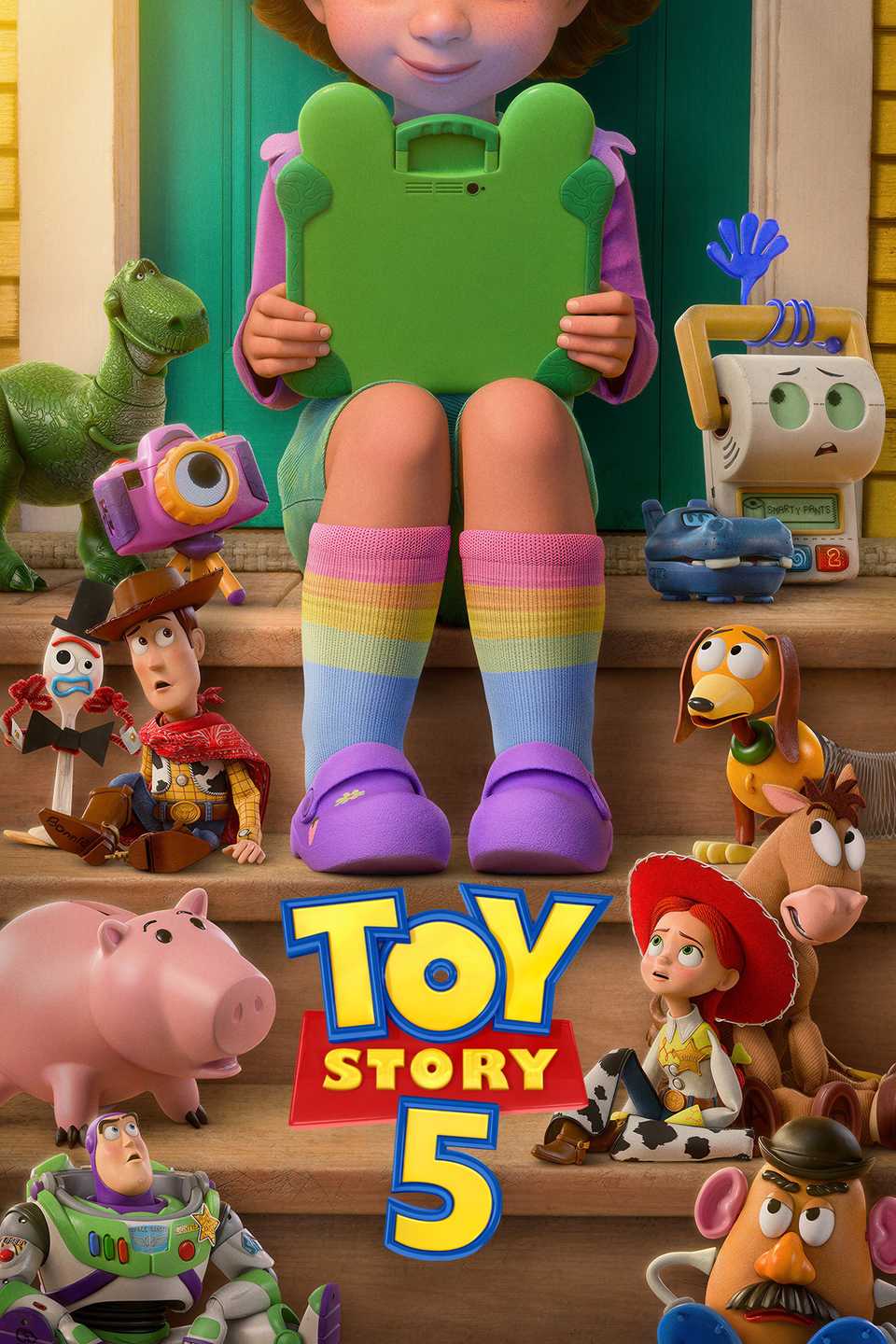
"I always knew that there was a natural possibility to just follow Bonnie," Stanton revealed. "We’ve passed the badge on from Woody to Jessie at the end of [the fourth film], just in case it keeps going. It’s like a series that doesn’t know if it’s going to get picked up for the next season. We’d always end it like it could end here, but the door remains open."
A Historical Context: The Illusion of Finality
The perception that every Toy Story film is the "last one" has become something of a running gag in Hollywood. Following the emotional resolution of the third film, audiences were convinced the story had concluded. When the fourth film was announced after a nearly decade-long development period, Tom Hanks, the voice of Woody, famously described it as the final chapter of the saga.
This expectation of finality has been a consistent marketing pillar for Pixar. However, the studio’s internal philosophy has clearly evolved. After a period of focusing on original IP—such as Turning Red, Elemental, and the sci-fi adventure Elio—Pixar has returned to its established heavy hitters. This shift is not merely creative; it is a calculated response to the changing landscape of theatrical distribution. With the studio also confirming The Incredibles 3 and Coco 2, it is evident that Pixar is leaning into its most successful franchises to ensure consistent audience engagement.

Critical Reception and the Challenge of Legacy
Toy Story 5 currently holds a 93% "Certified Fresh" rating on Rotten Tomatoes. While this is technically the lowest score for a mainline entry in the franchise, it remains an objectively stellar achievement in the world of film criticism. Jordan Williams, writing for ScreenRant, awarded the film 9/10, highlighting the studio’s ability to balance nostalgia with modern relevancy.
The success of Toy Story 5 lies in its ability to address the "aging" audience. By using Buzz and Woody as vehicles for exploring the anxieties of adult milestones, the film appeals to the original generation of fans who grew up alongside the series. This multi-generational appeal is what keeps the franchise relevant. If the narrative can continue to evolve—moving from the innocence of play to the complexities of digital distraction and, eventually, to the inevitable point where Bonnie herself outgrows her toys—the "leg" of the franchise could indeed extend far beyond a sixth film.
The Economic Engine: Box Office Projections
While creative passion drives the story, the cold reality of the box office dictates the future. Pixar’s recent financial history has been a rollercoaster. Inside Out 2 shattered records, cementing its status as one of the highest-grossing animated films in history and proving that the hunger for high-quality sequels is stronger than ever. Conversely, films like Elio struggled to find a foothold, and Hoppers provided a middling return of $415 million.

Early projections for Toy Story 5 are overwhelmingly positive, with analysts predicting a domestic opening of at least $150 million. If these figures hold, it would mark the highest opening for the franchise to date. For Disney and Pixar, such numbers provide the necessary justification to greenlight further projects. In an industry where original IP faces an uphill battle for visibility, the Toy Story brand remains the ultimate "safe harbor."
Implications for the Future of Pixar
The possibility of Toy Story 6 raises an interesting question about the nature of animation as an art form. Is it better to let a story conclude with a perfect bow, or should it be allowed to grow alongside its audience?
Andrew Stanton’s comments suggest that Pixar views the Toy Story universe less as a static series and more as a living archive of childhood. As long as there are children, there are stories to be told about the toys that inhabit their world. The implications of this are significant:

- Iterative Storytelling: Pixar may move toward a model of "cycles," where the toys remain a constant while the human cast changes every few years.
- Technological Integration: The franchise will likely continue to address the encroachment of digital media, using it as a thematic antagonist to reinforce the value of physical, imaginative play.
- The "Legacy" Balancing Act: The studio must continue to balance the nostalgia of the older demographic with the needs of new, younger viewers who are experiencing these characters for the first time.
Conclusion: A Never-Ending Story?
As we approach the premiere of Toy Story 5, the excitement is palpable. Whether or not the film serves as the definitive end of the journey for Woody, Buzz, and the rest of the gang remains to be seen. What is clear, however, is that the creative team behind the scenes has built a world capable of infinite expansion.
Andrew Stanton’s "never say never" sentiment is more than just a cautious PR statement—it is a reflection of the reality of modern filmmaking. When a franchise has the heart, the technical prowess, and the commercial viability of Toy Story, the only thing that can truly bring it to an end is a lack of stories to tell. Given the depth of human experience that these toys have explored over the last three decades, it is hard to imagine a world where they run out of things to say.
For now, audiences can look forward to the next chapter of the Toy Story saga on June 19, 2026. Whether it is the penultimate adventure or the start of a new, long-term arc, one thing is certain: as long as the toys are loved, the story will continue.


 Layla Zulfa