

In the bustling, neon-drenched district of Harajuku, Tokyo—a neighborhood globally recognized as the epicenter of kawaii (cute) culture and experimental street fashion—a quiet revolution in hospitality is unfolding. The "Moshi Moshi Rooms" project, spearheaded by the creative agency Asobi System, has redefined the concept of short-term lodging by blurring the lines between a traditional boutique hotel, an art installation, and an immersive cultural experience. Among their most celebrated offerings is the "Origami" room, a penthouse suite that serves as a masterclass in blending Japan’s deep-rooted artisanal history with the hyper-modern aesthetic of 21st-century Harajuku.
Main Facts: A Convergence of Craft and Kawaii
The Moshi Moshi Rooms project was born from a singular mission: to export the vibrant, uninhibited spirit of Harajuku pop culture to the world. Asobi System, a powerhouse in Japanese youth culture and talent management, realized that the typical hotel room—often sterile and standardized—failed to capture the kaleidoscopic energy of the neighborhood.
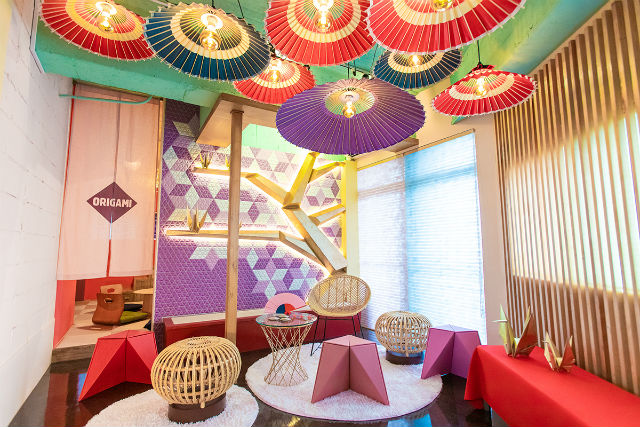
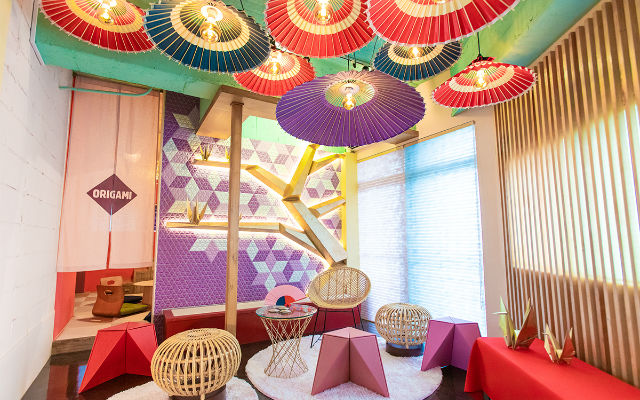
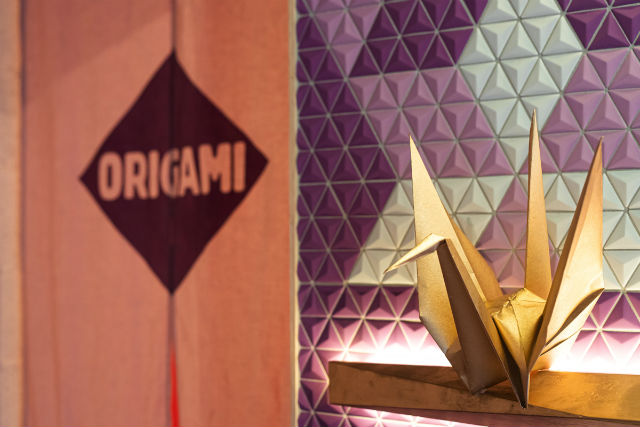
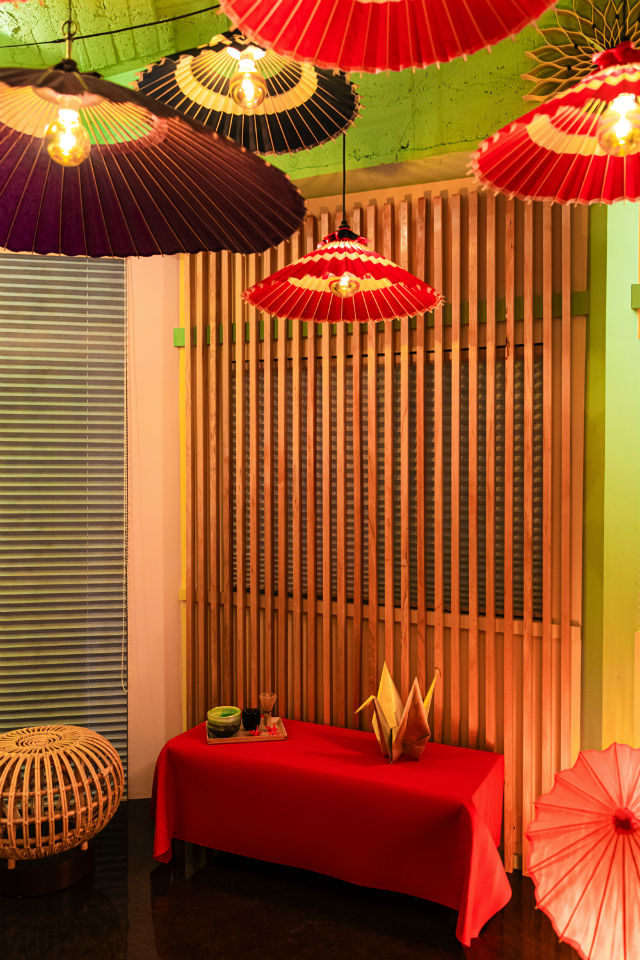
The Origami suite stands as the organization’s flagship commitment to this vision. Spanning a generous floor plan in the heart of the Jingumae district, the suite is a structural tribute to the ancient Japanese art of paper folding. However, it is not a museum piece. The designers have meticulously integrated origami motifs into every functional element of the space—from the intricate patterns adorning the walls to the sculptural geometry of the furniture.
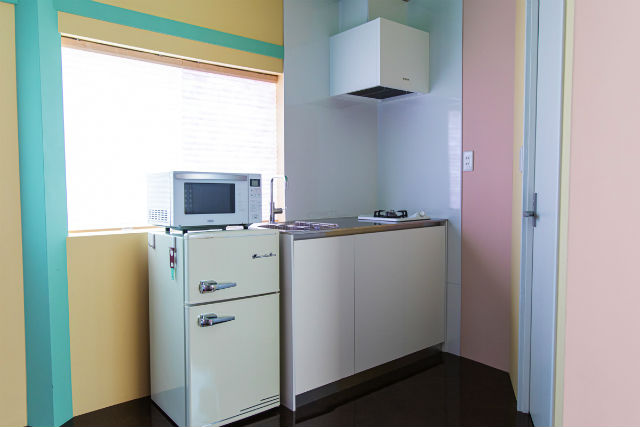
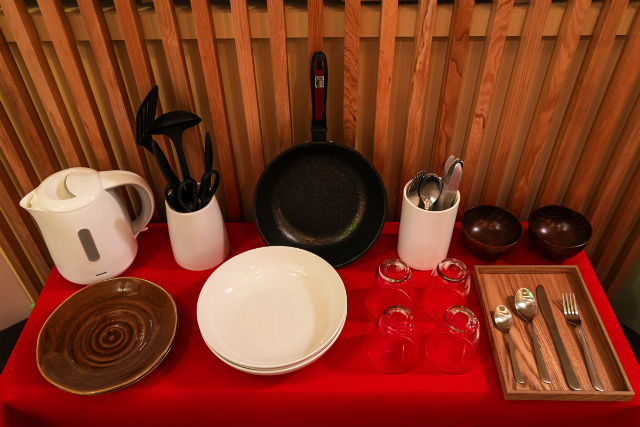
The suite is designed for those who seek an "experience-first" stay. It accommodates up to six guests, making it a rare find in the notoriously cramped urban landscape of central Tokyo. It functions as a hybrid space, offering the comfort of a luxury apartment alongside the curated atmosphere of a thematic gallery.
A Chronology of the Project
The evolution of Moshi Moshi Rooms reflects the shifting demands of international travelers visiting Japan.
- 2018–2019: The project gained its initial momentum with the launch of the "Sakura" room. This pilot project was an immediate success, capturing the hearts of social media users and travelers who sought a "quintessential" Japanese experience. The overwhelming positive reception of the cherry-blossom theme provided the blueprint for future expansions.
- The Conceptual Pivot: Asobi System recognized that while foreign tourists were drawn to the fleeting beauty of the sakura, there was a secondary demand for deeper, more tactile cultural connections. The team pivoted toward "Origami," a motif that allows for a more structural and architectural design language.
- The Launch of "Origami": Following the success of the sakura-themed penthouse, the Origami room opened its doors, cementing the project’s reputation as a leader in "design-led" hospitality. By applying the same rigorous attention to detail that defined the sakura room, the designers transformed the penthouse into a three-dimensional representation of Japanese paper-craft.
- The Current Status: Today, the rooms remain a fixture in the Harajuku lodging market, consistently booking out months in advance during peak travel seasons, even as global tourism patterns fluctuate.
The Design Aesthetic: An Immersive Breakdown
The experience of entering the Origami room begins before one reaches the living quarters. The staircase leading to the suite has been transformed into a geometric journey, with origami-inspired patterns guiding the visitor upward, setting a playful yet sophisticated tone.
The Living Area: A Modern Tea House
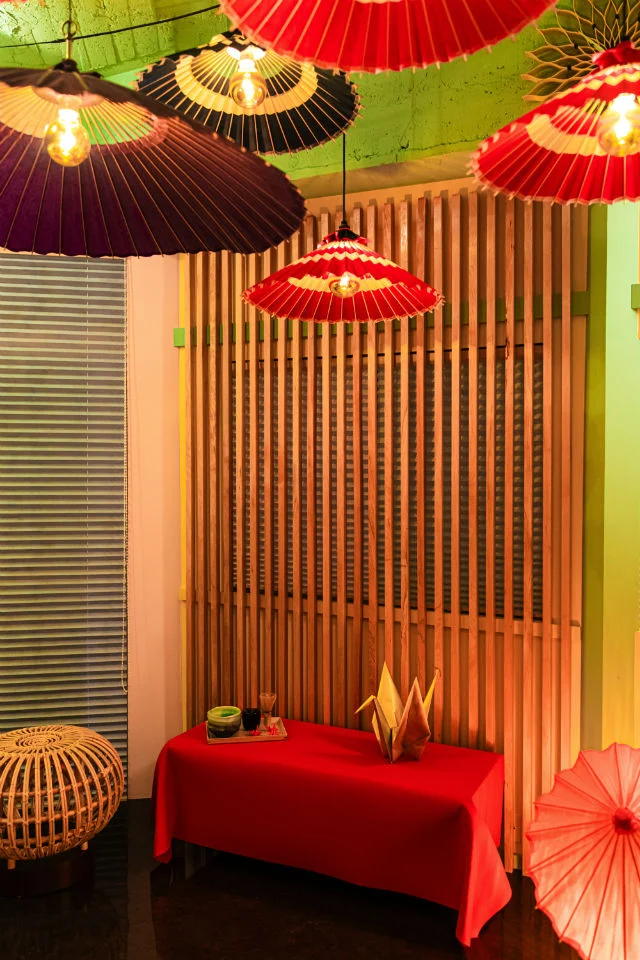
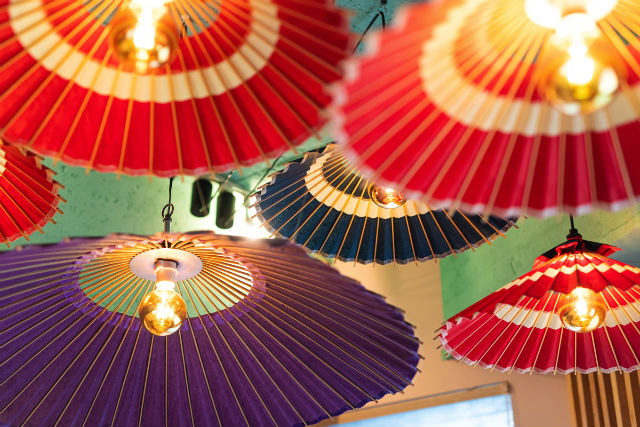
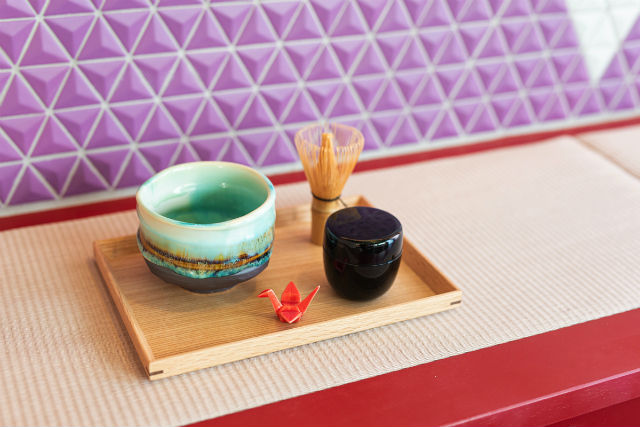
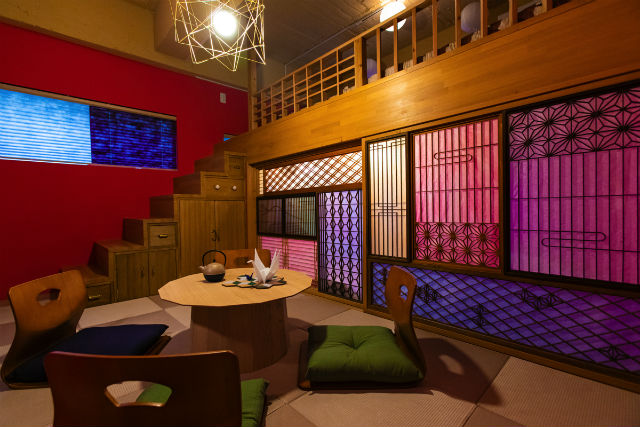
The central living space acts as a contemporary interpretation of a chashitsu (traditional tea room). Eschewing heavy, modern furniture, the room features low-profile benches and stools that mimic the minimalist seating of a traditional tea house. Overhead, traditional Japanese paper umbrellas—wagasa—are suspended from the ceiling, their delicate forms contrasting with the bold, paper-folded motifs that define the walls. It is a space designed for quiet contemplation, yet it vibrates with the playful energy of Harajuku.
The Bedroom: Sleeping in the Clouds
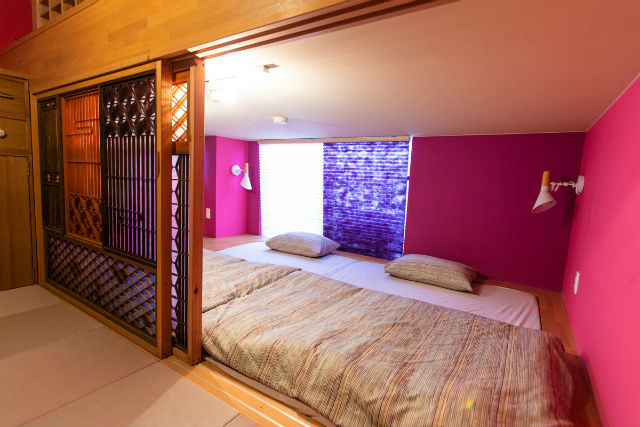
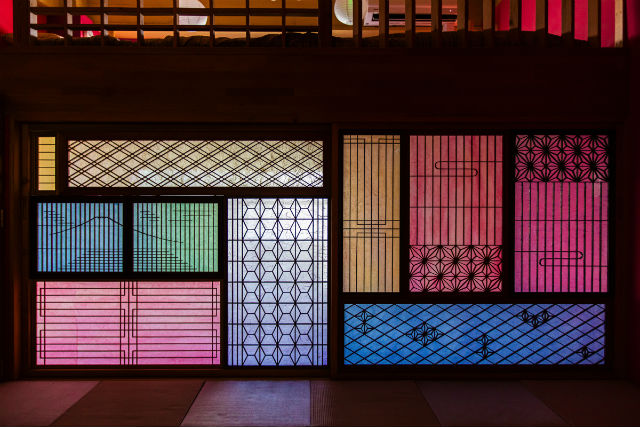
The bedroom is where the "traditional meets modern" ethos is most evident. The room utilizes sliding shoji-inspired doors, which allow natural light to filter in softly, creating a rhythmic play of light and shadow across the floor. Guests sleep on high-quality futons, providing a tactile connection to the traditional Japanese countryside inn, or ryokan. The atmosphere is one of serene isolation, despite the room being located mere minutes away from the chaotic, high-fashion streets of Takeshita-dori.
Utility and Artistry
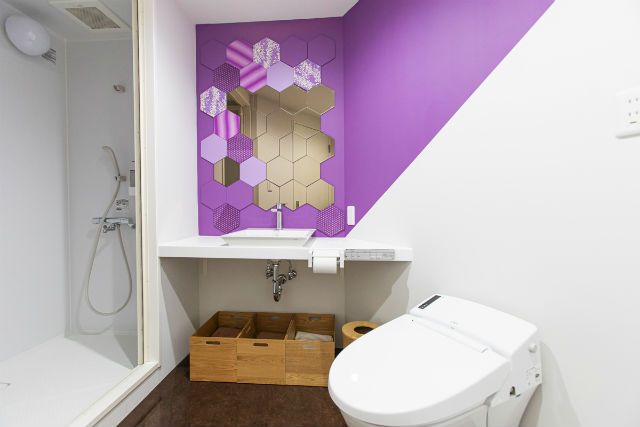
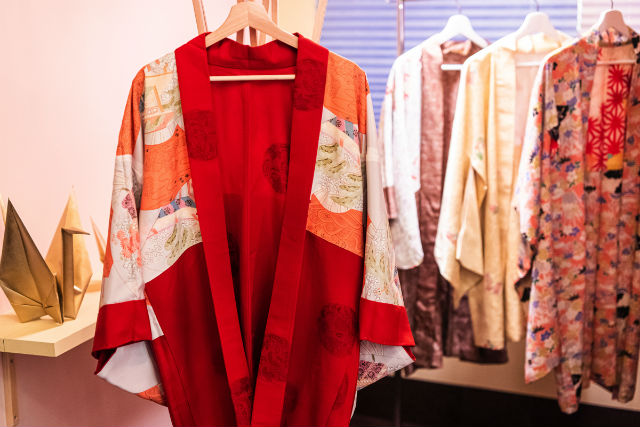
The design philosophy does not stop at the bedroom. Even the powder and shower rooms are fully integrated into the origami theme. Every surface—from the tiles to the fixtures—has been selected to echo the clean, sharp lines of folded paper. Furthermore, the provision of high-quality kimonos for guests serves as a "call to action," inviting visitors to step out of their role as passive observers and become active participants in the aesthetic of the room.
Supporting Data and Financial Implications
For the prospective traveler, the Moshi Moshi Rooms represent a premium investment. With base pricing typically hovering around 40,000 yen per night (excluding service fees and taxes), the cost is significantly higher than the average Airbnb listing in Tokyo. However, the value proposition is framed not by square footage, but by the uniqueness of the curated experience.
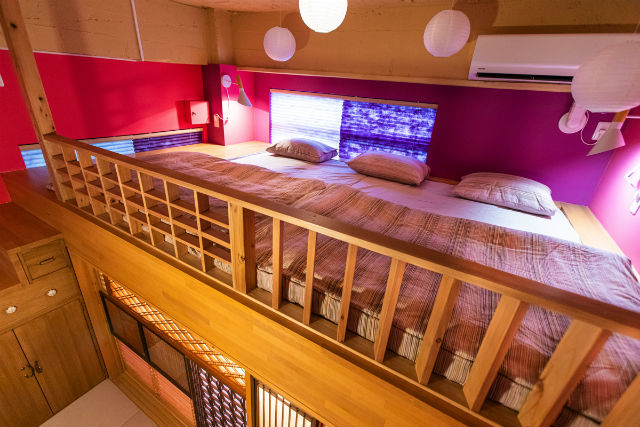
- Maximum Occupancy: 6 guests.
- Price Per Guest: When calculated for a full occupancy of six, the cost is approximately 6,666 yen per person, making it a surprisingly competitive option for families or groups of friends compared to traditional luxury hotels.
- Strategic Location: Situated at 2-18-7 Jingumae, the location is prime. It is an 8-minute walk from Meiji-Jingumae (Harajuku) Station, providing seamless access to the Chiyoda and Fukutoshin subway lines, effectively connecting guests to both the hipster enclaves of Shimokitazawa and the luxury shopping of Omotesando.
Official Responses and Industry Impact
Asobi System has framed the Moshi Moshi project as a "cultural bridge." According to company representatives, the objective was never to create a "Disney-fied" version of Japan, but rather to showcase the craftsmanship that remains vital to Japanese identity. By hiring local artisans and designers, the project has provided a platform for traditional techniques—such as paper folding and carpentry—to be viewed through a modern, pop-culture lens.
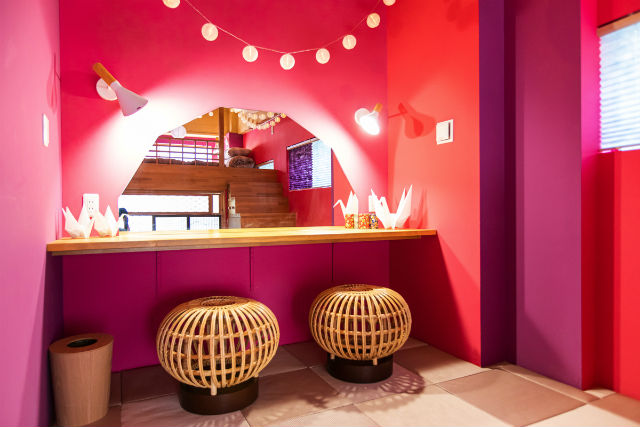
The industry response has been largely positive. Hospitality experts cite the Moshi Moshi Rooms as a prime example of "Instagrammable architecture," where the design is intentionally optimized for digital sharing without sacrificing the comfort of the physical experience. This digital-first strategy has essentially served as free, organic marketing, with the rooms appearing in thousands of social media posts, effectively turning guests into brand ambassadors.
Implications: The Future of Cultural Hospitality
The success of the Origami room raises important questions about the future of urban tourism. As travelers become increasingly wary of the "homogenization" of cities—where every hotel chain looks identical from New York to Tokyo—projects like Moshi Moshi Rooms offer a compelling alternative.
By grounding their lodging in local subculture, Asobi System has created a blueprint for other urban centers. The implication is that modern travelers are willing to pay a premium for "sense of place." They are no longer looking for a bed and a bathroom; they are looking for a story that they can inhabit for a few days.
Furthermore, the project highlights the sustainability of "cultural preservation through engagement." By making traditional arts like origami accessible and fashionable, the project ensures that these crafts remain relevant to a younger, international audience.
Conclusion
The Origami room is more than a place to sleep; it is a manifestation of Tokyo’s multifaceted personality. It captures the tension between the serene silence of a traditional tea house and the vibrant, neon-lit ambition of Harajuku. For the traveler who wishes to wake up in a space that feels distinctly, undeniably, and beautifully Japanese, the Moshi Moshi Origami suite remains one of the most significant lodging experiences in the capital. As the project continues to evolve, it stands as a testament to the fact that when tradition is treated with respect—and just a dash of pop-culture flair—it becomes the most exciting trend of all.












No comments yet. Be the first to join the conversation!