Neng Nana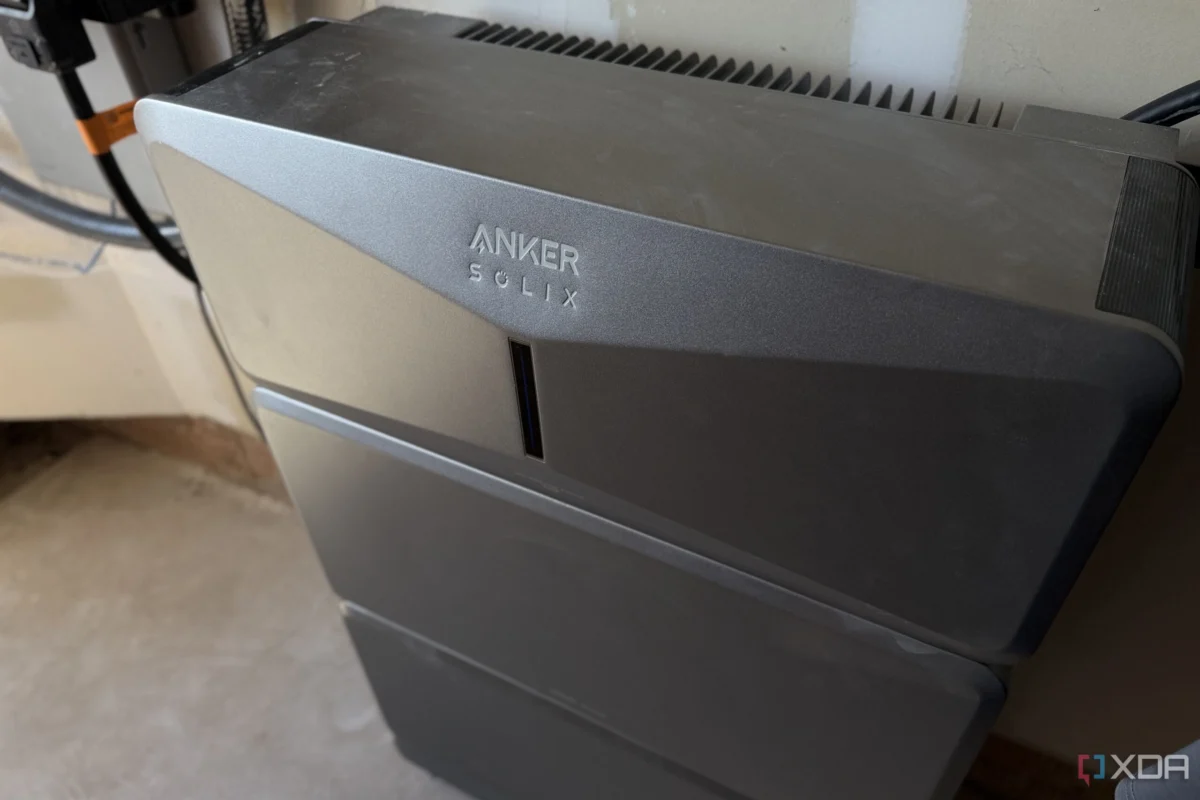
For years, the standard advice for the tech-conscious homeowner has been simple: buy an Uninterruptible Power Supply (UPS). Whether you are protecting a NAS array, a home office, or a delicate smart home hub, a UPS provides that vital buffer against voltage sags, spikes, and the inevitable blackout. However, as our reliance on electricity grows and the frequency of climate-driven power outages rises, the limitations of a standard UPS become glaringly obvious. A UPS keeps your router running for an hour, but it won’t keep your refrigerator cold, your HVAC system humming, or your lights on during a multi-day storm.
Enter the era of the whole-home battery backup. While the concept of residential energy storage is often associated with high-end solar installations or "off-grid" living, Anker—a brand synonymous with portable charging—has pivoted aggressively into this space with the SOLIX E10. After spending several months testing the system, it is clear that the E10 is not just a consumer gadget; it is a serious piece of critical infrastructure that bridges the gap between amateur home tinkering and professional-grade energy management.
The Evolution of Residential Power: A Chronology
The journey toward the SOLIX E10 began long before its official announcement in January 2026. Anker spent years refining its portable power stations, building a reputation for reliability in the PowerHouse series. By the mid-2020s, the company recognized that consumers weren’t just looking for portable power for camping; they were looking for resilience against a fragile power grid.
- Pre-2026: Anker establishes dominance in the portable battery market, focusing on LiFePO4 (Lithium Iron Phosphate) chemistry for longevity and safety.
- January 2026: Anker officially unveils the SOLIX E10, signaling a move into modular, stationary home storage.
- Spring 2026: The E10 hits the market, targeting homeowners who want a scalable, user-friendly alternative to traditional generator-only setups.
- Summer 2026: Widespread integration begins, with early adopters reporting on the system’s ability to handle extreme weather events and grid instability.
Technical Architecture: How the E10 Works
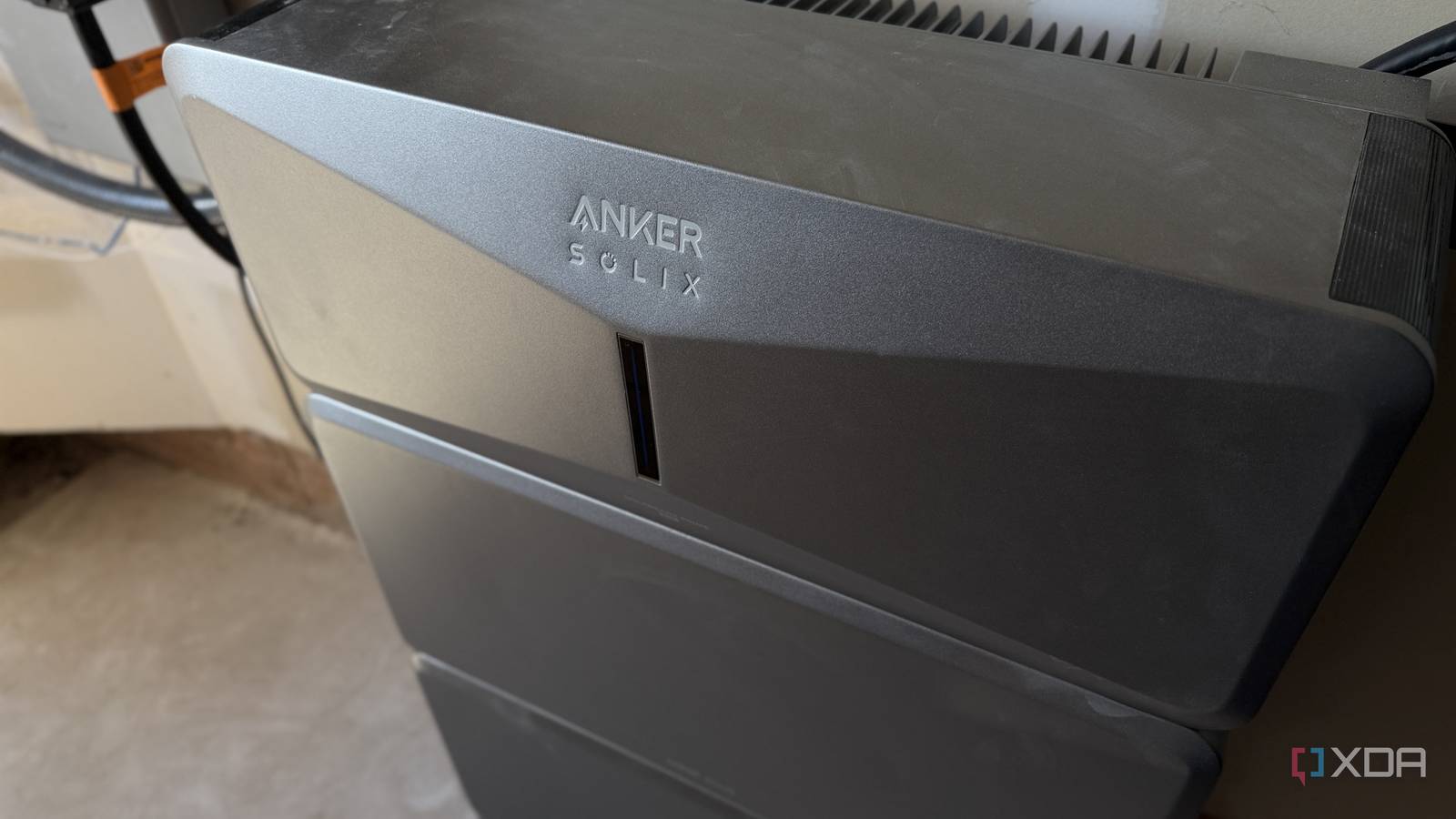
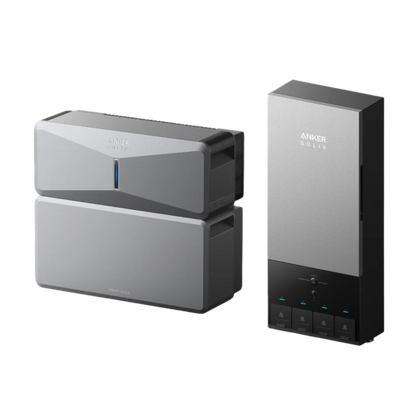
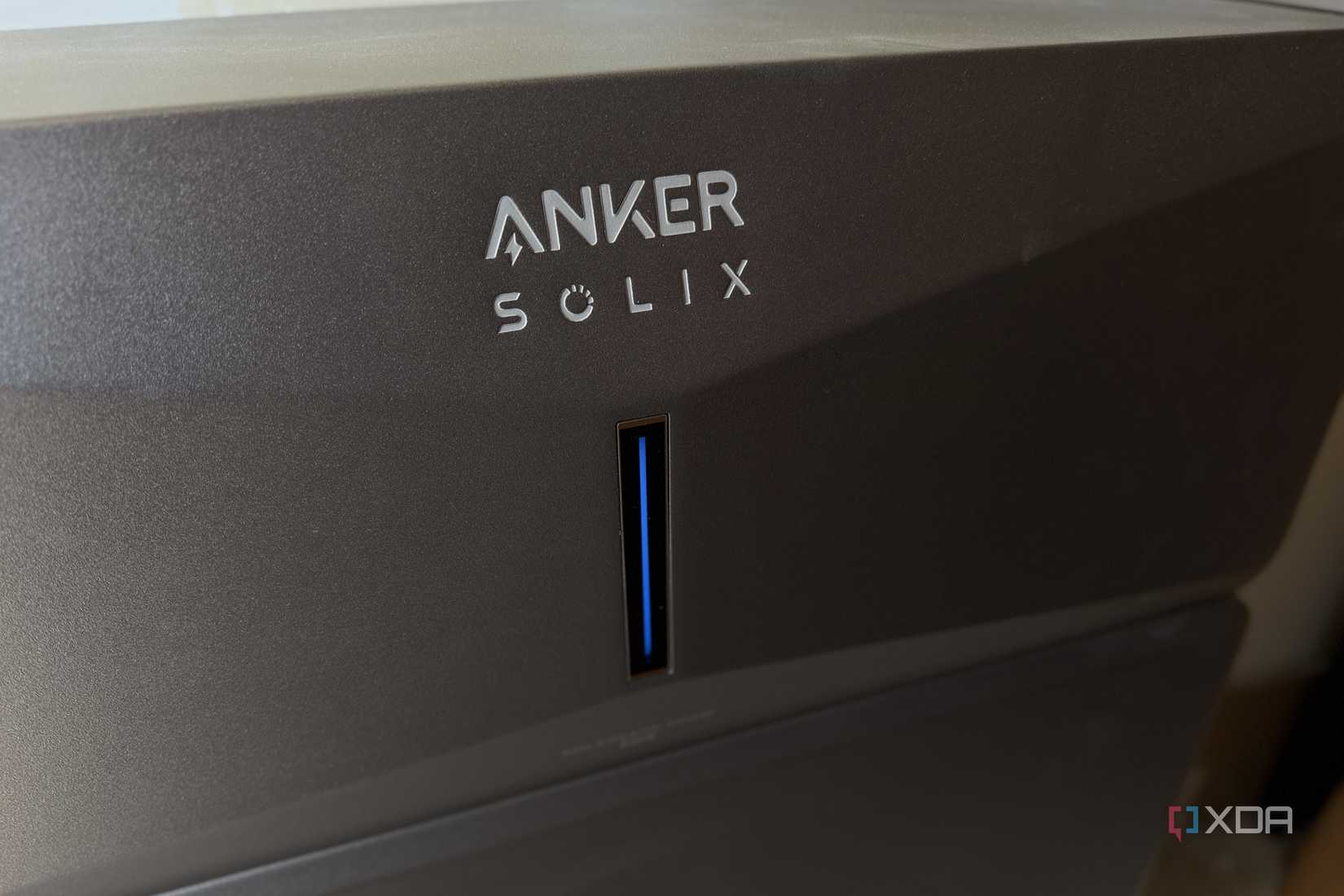
The SOLIX E10 is a marvel of modular engineering. At its core, the system consists of three main components: the Power Module (the brain and inverter), the Battery Modules (the storage units), and the Power Dock (the interface between your home and the battery system).
Scalability and Capacity
The system is built for growth. Each individual battery module packs 6,144Wh of capacity. Anker allows for up to five of these batteries to be stacked per Power Module, and the system can scale further by adding more Power Modules for a maximum potential capacity of 90kWh. This is a staggering amount of power, capable of sustaining a standard household for days, not just hours.
The Power Dock: Managing the Flow
The Power Dock is the most critical component for a seamless experience. It acts as a smart gateway, replacing the standard breaker box or working alongside it to manage 12 intelligent circuits. By prioritizing these circuits, the E10 ensures that when the grid fails, the most vital components—such as refrigerators, water pumps, and essential lighting—are maintained, while non-essential power draws are automatically curtailed.

Performance Under Pressure
One of the most impressive technical feats is the sub-20ms switchover time. In my testing, this transition was completely imperceptible. Whether I was working on a desktop PC, streaming 4K video, or monitoring sensitive home lab equipment, the system prevented any hardware reboots. This performance rivals enterprise-grade UPS hardware but operates at the scale of a full home.
Data Analysis: Powering Your World
The numbers behind the SOLIX E10 justify its position in the market. The system supports a massive discharge range of 7.6kW to 22.8kW, depending on the configuration. This ensures that even high-draw appliances, such as electric stoves or HVAC systems, can be supported simultaneously without tripping the system.
Charging Efficiency
Recharging is just as versatile as discharging. The system supports 1,800W at 120V and scales up to 9,600W at 240V. For those who want to be truly autonomous, the system integrates seamlessly with solar panels, allowing for up to 27kW of solar input across three Power Modules. This makes the E10 a "tri-fuel" capable ecosystem when you factor in the optional Smart Generator, which can run on gasoline, propane, or natural gas.
Idle Efficiency
One of the most common complaints regarding large-scale battery backups is "vampire draw"—the power the system consumes just to stay alive. The E10 impresses here with an idle draw of just 45W. For a system of this magnitude, that efficiency is exceptional, ensuring that your stored power is used to run your home, not the battery’s internal electronics.
The Software Layer: Control at Your Fingertips
Anker’s foray into smart home integration is handled via the Solix app. While app-based management is standard in 2026, the implementation here is particularly thoughtful.
Intelligent Load Management
The app allows users to categorize circuits. You can designate a circuit as "Essential" (always on) or "Nice-to-have" (shed during heavy outages). This granular control means that if you are in the middle of a three-day outage, you can use the app to shift power usage away from non-essentials like a home entertainment system to keep the freezer running.
Storm Mode: Proactive Protection
The standout software feature is "Storm Mode." By monitoring local weather forecasts, the system automatically prepares for incoming threats. If a storm is detected, the E10 prioritizes charging the batteries to 100% and ensures that all systems are optimized for an immediate cutoff from the grid. This level of automated disaster preparedness is what separates a "toy" from a genuine utility-grade system.
Official Stance and Market Implications
Anker has positioned the E10 as a "middle-ground" solution. It is more expensive than a basic gas generator but significantly more user-friendly and reliable than the DIY setups many enthusiasts have attempted in the past.
Official documentation from Anker emphasizes safety and longevity. By utilizing LFP chemistry, the company guarantees over 4,000 recharge cycles, meaning the system will remain viable for over a decade of heavy use. They have also been transparent about the need for professional installation, noting that while the hardware is modular, the integration with a home’s electrical panel requires a licensed electrician to ensure local code compliance.
The Verdict: Is It Worth the Investment?
The Anker SOLIX E10 is an investment. With prices starting at $3,999 for the base module and climbing to over $47,000 for a fully tricked-out maximum capacity setup, this is not an impulse purchase. However, when viewed as an insurance policy against the increasing unreliability of modern electrical infrastructure, the value proposition changes.
Pros
- Seamless Transition: Sub-20ms switchover time ensures no data loss or hardware resets.
- Unrivaled Modularity: Scale your storage as your budget and power needs grow.
- Smart Integration: The app-controlled circuit management is a game-changer for outage survival.
- Tri-Fuel Capability: The inclusion of a smart generator input provides a fail-safe for extended, sunless outages.
Cons
- The Learning Curve: While the hardware is intuitive, the initial configuration requires professional expertise.
- App Refinement: While functional, the UI still has room for improvement in terms of diagnostic depth.
- Weight: At 130 lbs per battery unit, this is not a system you will be moving around the house once installed.
Conclusion: A New Standard for Home Resilience
After living with the system for months, the appeal of the SOLIX E10 is undeniable. It transforms the home from a passive consumer of grid electricity into a resilient, self-contained energy hub. In an era where the "100-year storm" has become a biennial event, the peace of mind offered by the E10 is, for many, worth the cost of admission.
Anker has successfully taken the complexity of residential energy storage and distilled it into a cohesive, modular, and—most importantly—reliable system. For those who prioritize their data, their comfort, and their independence, the SOLIX E10 is likely the most significant upgrade you can make to your home this year. As we look toward a future of decentralized energy, Anker has proven that it is not just a player in the market—it is the one to beat.

 Raul Delapena Setiawan
 Asep Darmawan