In a landmark dialogue that has resonated across the global entertainment landscape, two of Japan’s most influential cinematic visionaries—Hideaki Anno, the creator of Neon Genesis Evangelion, and Takashi Yamazaki, the Academy Award-winning director of Godzilla Minus One—have issued a stark warning regarding the future of Japanese media. Speaking with Forbes Japan, the directors argued that the nation’s entertainment industry is facing a systemic crisis, primarily driven by a catastrophic decline in content specifically designed for children and a failure of state-level stewardship.
While the Japanese government continues to push its "Cool Japan" initiative with aggressive financial targets, Anno and Yamazaki suggest that the industry’s "soft power" is being hollowed out from within. Their critique touches upon the collapse of the apprentice system, the disappearance of educational and youth-oriented programming, and the precarious "tent pole" economic model that keeps the industry afloat.
Main Facts: The Warning from the Masters of Tokusatsu
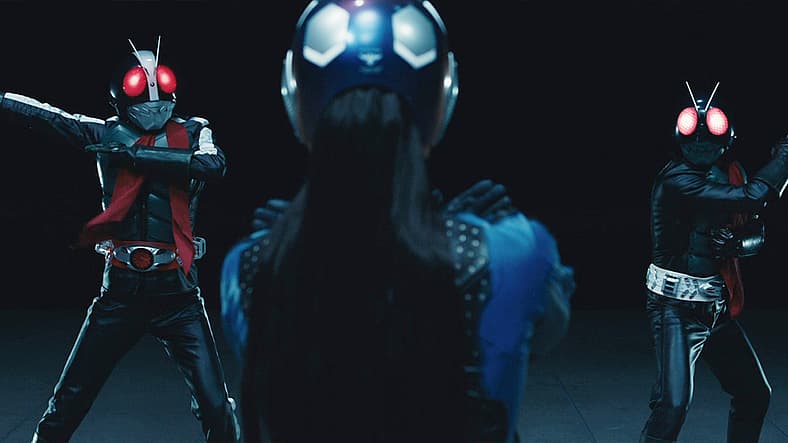
The core of the discussion centered on the current state of Japanese domestic media and its global exportability. Hideaki Anno, who has spent the last decade revitalizing Japan’s most iconic franchises through his "Shin" series (Shin Godzilla, Shin Ultraman, and Shin Kamen Rider), asserted that the most significant threat to the industry is the lack of "kid-specific" works.
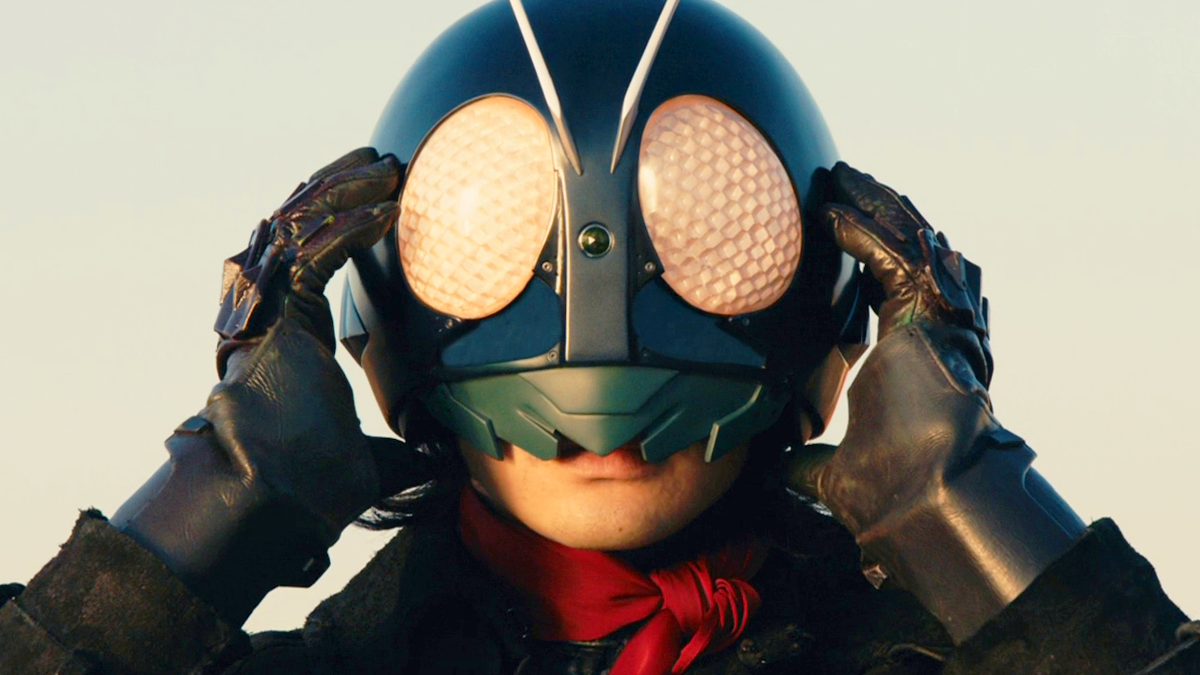
According to Anno, the vibrant ecosystem of anime and tokusatsu (special effects-heavy live-action) that defined his upbringing is being replaced by low-effort "variety shows" and content aimed at older, established fanbases. This shift, he argues, fails to cultivate the sensibilities of the next generation of creators and consumers.
Supporting this view, Takashi Yamazaki emphasized that entertainment is a "powerful weapon" for national standing. He noted that while Japan’s media exports now rival steel in economic value, the true worth of these works lies in their ability to foster international goodwill and domestic cultural identity—aspects that are currently being neglected in favor of short-term financial gains.
Chronology: From Post-War Reconstruction to the "Shin" Era
To understand the gravity of these concerns, one must look at the historical trajectory of Japanese media that Anno and Yamazaki represent.

The Post-War Transformation (1945–1970s)
In the aftermath of World War II, Japan underwent a radical cultural shift. Yamazaki pointed to the influence of American television, such as Father Knows Best, which helped transform the Japanese perception of Americans from "devilish enemies" (kichiku bei-ei) to a people with an aspirational lifestyle. This era saw the birth of the tokusatsu genre with the original Godzilla (1954) and the rise of "God of Manga" Osamu Tezuka, whose work laid the foundation for modern anime.
The Golden Age of Youth Programming (1970s–1990s)
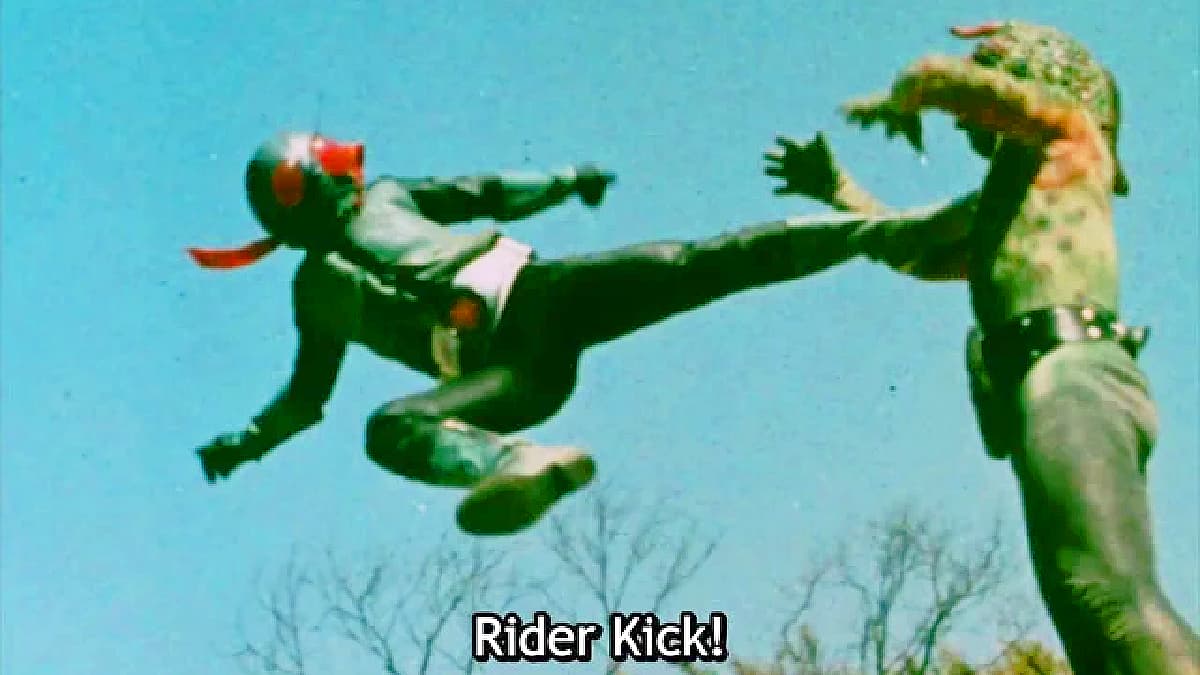
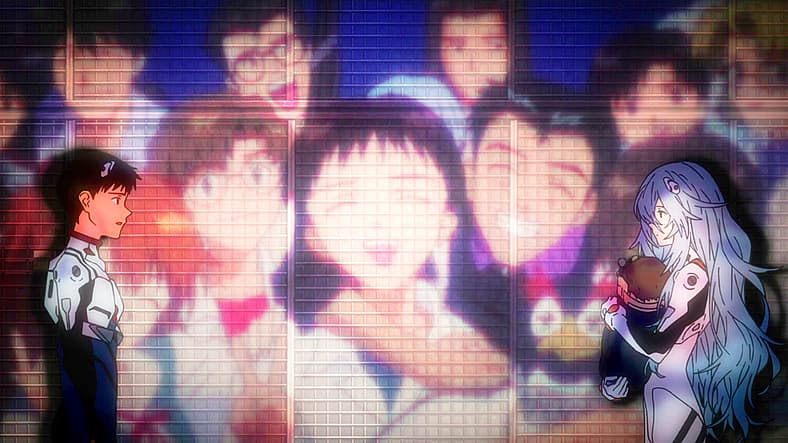
During Anno’s youth, Japanese television was "overflowing" with programs for children. Prime-time slots were dedicated to educational science programs, high-concept anime, and superhero dramas like Kamen Rider and Ultraman. This period created a massive, culturally literate audience that would eventually fuel the global "anime boom" of the 1990s, led by Anno’s own Neon Genesis Evangelion.
The Modern "Shin" Reboots and Global Recognition (2016–Present)
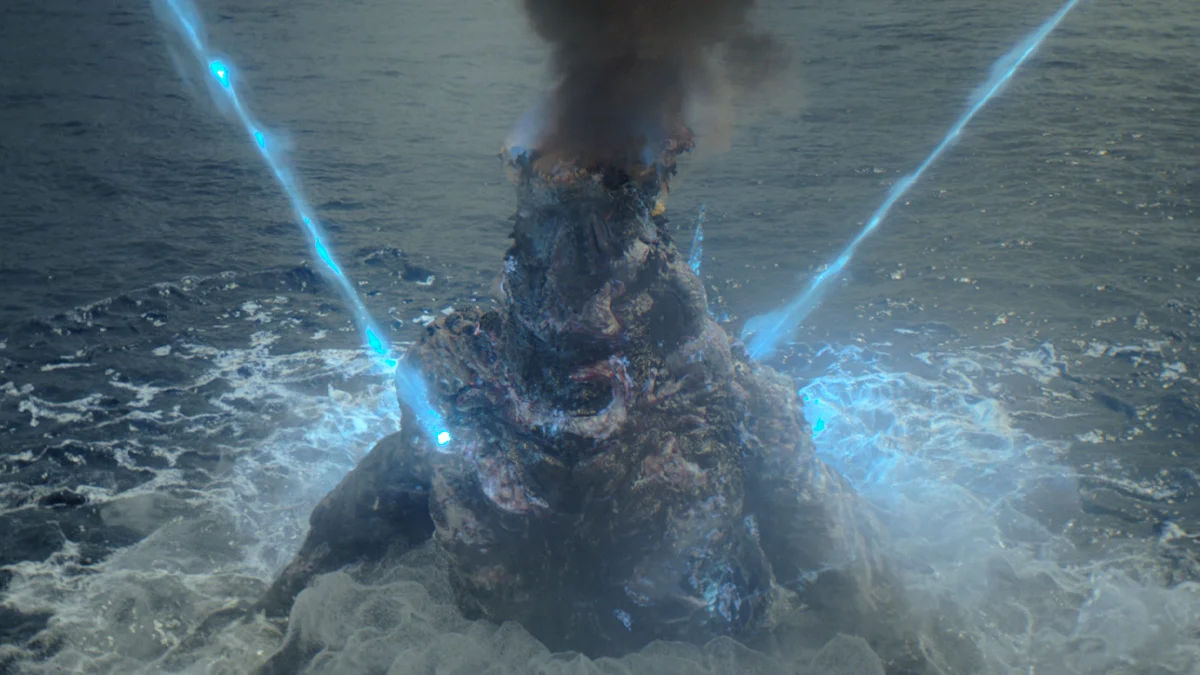
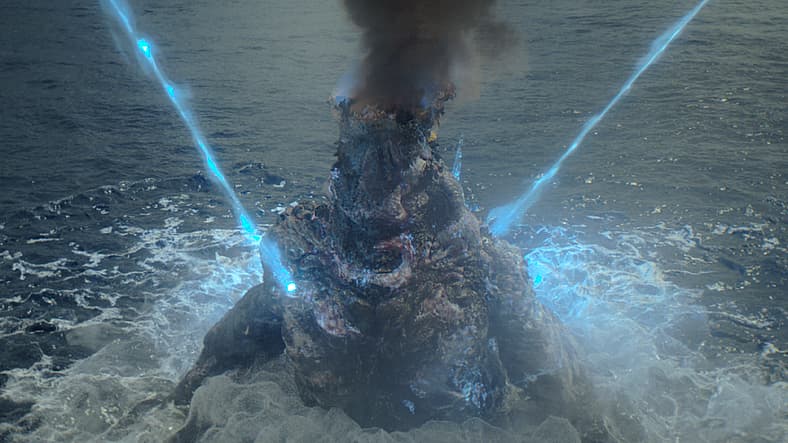
In recent years, Anno and Yamazaki have successfully modernized these legacy franchises. Shin Godzilla (2016) and Godzilla Minus One (2023) proved that Japanese stories, told with a focus on domestic themes rather than "globalized" tropes, could achieve massive international success. However, despite these individual hits, the directors believe the underlying infrastructure—the "soil" that grows such talent—is becoming infertile.
Supporting Data: The Economic and Demographic Reality
The concerns raised by Anno and Yamazaki are backed by sobering statistics regarding Japan’s demographic and economic landscape.
The Cool Japan Targets
The Japanese government’s "Cool Japan" initiative, revitalized in 2024, aims to triple overseas media sales to ¥20 trillion JPY (approximately $131.4 billion USD) by 2033. In 2023, Japan’s content exports reached a record $38 billion, nearly rivaling the export value of the nation’s steel industry. However, Anno argues that focusing solely on these "steel-like" export figures misses the point of cultural transmission.
The Demographic Compound Problem
Anno cited the "declining birthrate" as a primary cause for the reduction in children’s programming. With fewer children, television networks have pivoted to variety shows that appeal to a broader, older demographic at a much lower production cost. This creates a "compound problem":
- Audience Loss: Children are not being introduced to the "magic" of high-quality domestic storytelling.
- Talent Drain: Without a "prime time" for children’s content, there are fewer opportunities for new animators and directors to learn the craft through simpler, youth-oriented projects.
The Collapse of the Apprentice System
Traditionally, the Japanese animation and film industries relied on a shitei (master-disciple) or apprentice system. Anno noted that this system has "largely collapsed" due to high taxes and the extreme financial pressure on production houses. Studios can no longer afford the "labor and money" required to train the next generation, leading to a shortage of skilled human resources.
Official Responses and the Archiving Initiative
In response to the perceived lack of leadership within the industry, Hideaki Anno has taken matters into his own hands, though he calls for greater state intervention.
The Need for a "National Archive"
Anno criticized the lack of "critics with real insight" and the absence of a comprehensive state-run effort to organize the history of anime and tokusatsu. He is currently putting significant effort into archiving "intermediate production outputs"—sketches, scripts, models, and celluloids—from classic works. He believes that by preserving these materials, the next generation can see "how things were made," sparking the inspiration needed to create new works.

"Local governments or a single animation company have their limits," Anno stated. He argued that the state must take over the preservation of manga, games, and film as a matter of national heritage.
Tax Credits and Financial Support
Both directors called for a restructuring of how the state supports the industry. Rather than just marketing "Cool Japan" abroad, they suggested that domestic tax credits are essential to alleviate the "extremely tight" production floor. Anno highlighted that the current tax burden makes it nearly impossible to reinvest in human resource development.
Implications: The "Tent Pole" Gamble and the Global Future
The dialogue between Anno and Yamazaki concludes with a grim assessment of the industry’s current economic stability. Yamazaki used the term "tent pole" to describe the precarious nature of the film business.
The Gambling Economy of Media
"The film industry itself is always running a deficit," Yamazaki explained. "But occasionally there’s a major hit that supports it… It’s close to gambling." This reliance on infrequent "mega-hits" to subsidize a sea of losses means that when the industry hits a dry spell, the consequences are catastrophic. Without a steady stream of children’s content and trained apprentices to provide a foundation, the "tent" of Japanese media risks collapsing if the "poles" (the major hits) fail to materialize.
A Worldwide Sentiment
The issues identified by Anno are not unique to Japan. Critics in the United States and the United Kingdom have similarly noted a decline in mid-budget children’s programming and the "adultification" of traditionally youth-oriented genres like superhero films. Anno’s argument suggests that if a nation loses its ability to speak to its children through art, it eventually loses its ability to define itself on the world stage.
Conclusion: A Call for Cultural Stewardship
The takeaway from the Forbes Japan discussion is clear: Japan cannot rely on the nostalgia of the past to fund the future. While Godzilla and Evangelion continue to draw crowds, the "sensibilities" that created them were forged in an era that valued youth programming and artisanal training.
For the "Cool Japan" initiative to succeed in the long term, Hideaki Anno and Takashi Yamazaki argue that the government must move beyond viewing culture as a mere export commodity. It must instead become a steward of the industry—protecting its history through archives, supporting its workers through tax reform, and, most importantly, ensuring that the next generation of children has something worth watching. Without these foundations, the "cool" in Cool Japan may eventually run cold.