

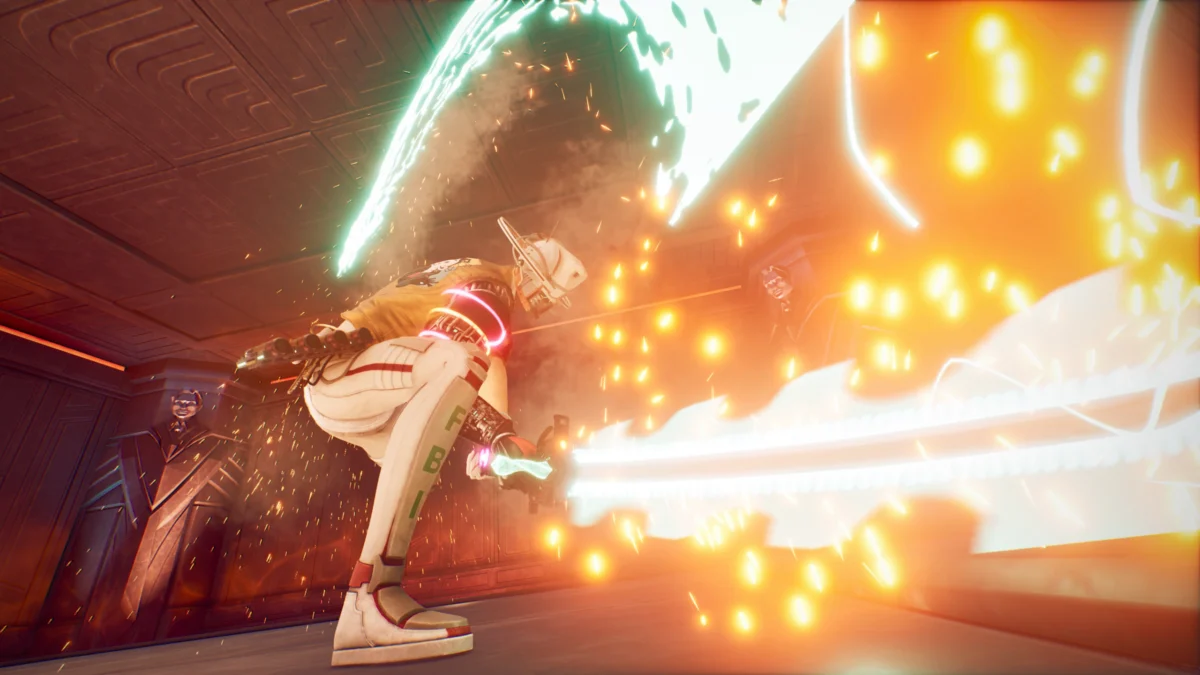
In the crowded landscape of modern gaming, where "live service" models and iterative sequels often prioritize retention over risk, Grasshopper Manufacture has once again defied industry conventions. With their latest intellectual property, Romeo is a Dead Man, the studio—led by the inimitable Suda51—has delivered a title that functions less like a product and more like a fever dream filtered through a high-octane action lens.
Romeo is a Dead Man is an unapologetic collision of high-concept surrealism and visceral, tactile combat. It asks the player to inhabit the role of a cybernetic agent for the Space-Time FBI, tasked with cleaning up after interdimensional threats that make standard alien invasions look like minor inconveniences.
The Core Experience: What Lies Beneath the Surface
At its most fundamental level, Romeo is a Dead Man is a character-action game, but to describe it as such is to overlook the sheer audacity of its presentation. The narrative premise is ostensibly absurd: you are Romeo, an agent who carries his grandfather inside his jacket—a detail the game treats with the same nonchalance as a sidearm holster.
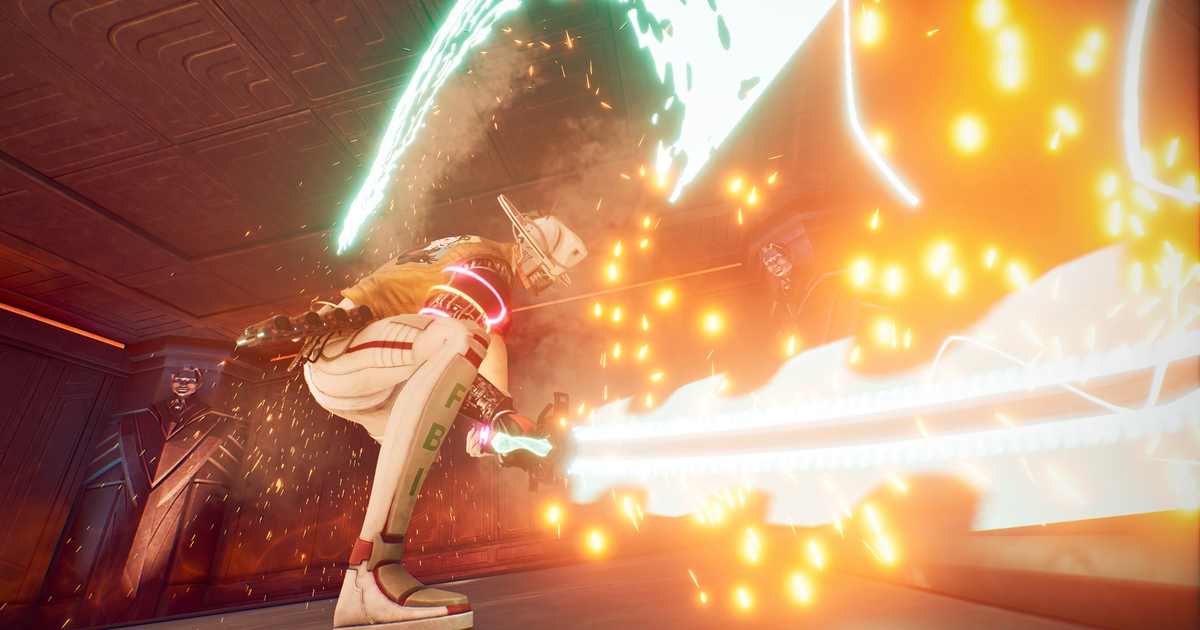
The gameplay loop is built upon a foundation of hyper-kinetic, "muscular" action. Players are granted access to a diverse arsenal that feels like a love letter to the history of the genre: from high-tech beam katanas reminiscent of the No More Heroes series to heavy, two-handed blades and brutal, over-the-shoulder firearms. The combat is frantic, requiring constant weapon swapping to exploit the weaknesses of a nightmarish bestiary.
However, the game’s true innovation lies in its aesthetic instability. It shifts seamlessly between visual mediums: one moment you are navigating a 3D environment powered by Unreal Engine, the next you are plunged into a grainy, VHS-filtered cutscene, or a lush, hand-drawn comic book sequence, or even a nostalgic 16-bit arcade aesthetic.
A Chronology of Style: The Evolution of Grasshopper’s "Dream Logic"
To understand Romeo is a Dead Man, one must look back at the trajectory of Grasshopper Manufacture’s design philosophy. For nearly two decades, the studio has been refining the "challenging action" framework, beginning with cult classics and reaching a point of extreme refinement in 2021’s No More Heroes 3.
- The Foundational Years: Early titles like Killer7 and No More Heroes established the studio’s obsession with the "cool factor" and the subversion of narrative expectations.
- The Mixed-Media Experimentation: No More Heroes 3 hinted at the future by integrating FMV (Full Motion Video) and varied art styles into the traditional gameplay loop.
- The Current Zenith: Romeo is a Dead Man represents the total synthesis of these ideas. It no longer treats these stylistic jumps as "gimmicks," but as the very fabric of the game’s reality.
The game embraces a "dream logic" that feels intentionally opaque. Just as David Lynch’s cinematic works force viewers to surrender the need for linear, literal explanations, Romeo demands that the player stop trying to solve the game and instead "feel" their way through it.
Supporting Data: The Mechanics of Chaos
While the presentation is transcendent, the mechanics are a mixture of brilliant innovation and frustrating opacity. Below is an assessment of the core systems:
The Combat Loop
- Weapon Variety: Excellent. The transition between melee and ranged weapons feels meaningful, with each weapon serving a distinct purpose in managing crowd control.
- The Reloading Controversy: The game requires manual reloading, which can feel clunky in the heat of a high-speed encounter. While some argue this adds a layer of "realism" or tension, it often disrupts the otherwise fluid flow of combat, leading to moments of unnecessary friction.
The "Meditation" Puzzles
One of the most polarizing aspects of the game is the meditation mechanic. Players are tasked with interacting with "fuzzy green tears in reality" by manipulating the analog stick to manifest environmental objects like ladders or stairs.
- The Problem: The game provides little to no feedback on whether the player is performing the action correctly.
- The Defense: Proponents argue that this is a deliberate attempt to force the player into a state of "meditative" focus, where the player must abandon standard gaming logic and "grope" for the solution until it clicks.
Environmental Hazards
In a departure from standard boss design, the game occasionally introduces intrusive button-mash sequences during boss battles. These segments often feature low-contrast button prompts that blend into the background, which feels less like a challenge and more like a failure of UX design.

Official Perspectives and Industry Context
In recent promotional interviews, the creative team at Grasshopper Manufacture has emphasized that Romeo is a Dead Man is not intended to be "comprehensible" in the traditional sense. When asked about the game’s surrealist inspirations—which draw heavily from the liminal spaces of Twin Peaks and the existential dread explored in titles like Alan Wake 2—the developers noted that they aimed to create a "vibe" rather than a coherent lore-heavy narrative.
"Romeo is not here to explain the universe," the team suggested. "He is here to make art and stop space crimes."
This response is telling of the industry’s current divide. While major publishers are focusing on "functional" and "repeatable" content, Grasshopper is leaning into the "mischievous." They are consciously avoiding the "boring but functional" trap, opting instead for a volatile experience that may stumble occasionally but ultimately feels alive.
The Implications: Is "Dream Logic" the Future?
Romeo is a Dead Man poses a significant question for the industry: Can an interactive experience that requires user input ever be as "dreamy" or surreal as a film or a book?
The game proves that it is possible, though the cost is a certain level of player frustration. By intentionally subverting player expectations—through opaque puzzles, sudden shifts in visual style, and spikes in difficulty—Grasshopper Manufacture creates a sense of vulnerability. When the player dies, or when they are lost in a bizarre cutscene, they are reminded that they are a guest in the game’s world, not its master.

This design philosophy carries major implications for indie and AA development. In an era where "player-first" design usually means "player-comfort," Romeo argues for the "artist-first" approach. It suggests that if a developer has a strong enough vision, they can guide the player through even the most confusing mechanics by sheer force of style and atmosphere.
Final Verdict
Romeo is a Dead Man is a flawed masterpiece. It is a game that will frustrate you with its manual reloading, baffle you with its meditation puzzles, and potentially anger you with its sudden difficulty spikes. Yet, it is also one of the most exciting, novel, and genuinely "cool" experiences in recent memory.
It is a game that never sits still. It is a chaotic, beautiful, and deeply strange journey that demands to be played not for its rewards or its completion metrics, but for the experience of existing within its dream logic. If you are tired of the sanitized, predictable nature of modern gaming, Romeo is the jolt to the system you’ve been waiting for. It is a game that dies with a live hand grenade slipping from its fingertips, and that is exactly how it should be.
Review Summary:
- Platform: PlayStation 5
- Rating: 4/5 Stars
- Tone: Ultra-violent, surreal, stylish, and challenging.
- Recommendation: A must-play for fans of Suda51, No More Heroes, and surrealist action cinema.









No comments yet. Be the first to join the conversation!