Nana Wu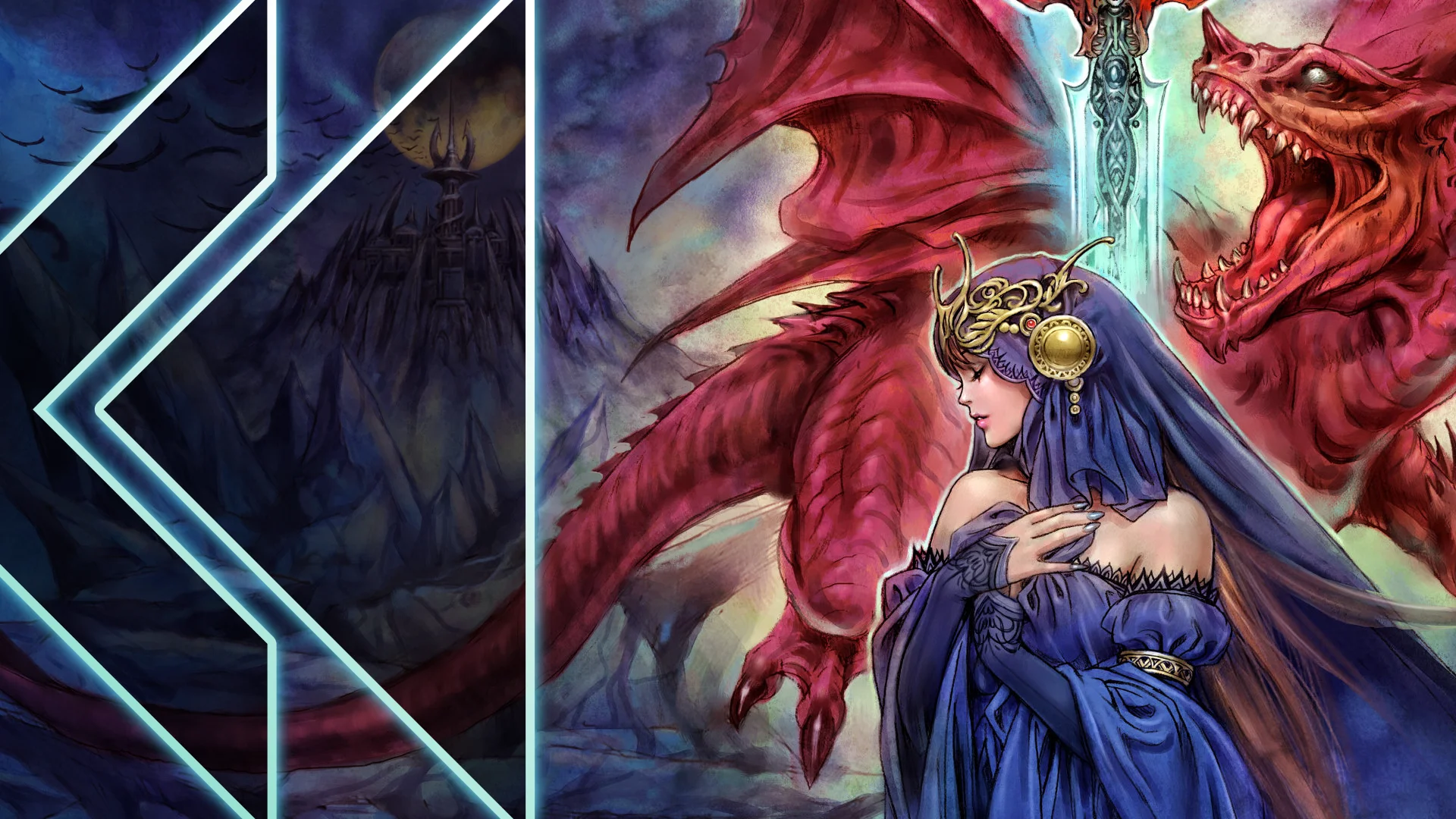
Introduction: The Castle in the Mist
"An ancient castle that only appears in the mist, and a holy sword that rests therein—it’s like a fairy tale! Just hearing about it makes my heart beat faster!"
This evocative quote captures the enduring allure of Xanadu Next, an action role-playing game that, despite its cult status, remains one of the most intriguing entries in Nihon Falcom’s storied history. In the latest installment of the Retro Encounter podcast, a panel of dedicated Falcom enthusiasts and curious newcomers dissect the atmospheric, somber, and mechanically dense world of Harlech Island.
For those who missed its initial 2005 Japanese release or its long-awaited 2016 Western localization by XSEED Games, Xanadu Next represents a fascinating crossroads in Falcom’s design philosophy. It is a game that defies the high-octane speed of the modern Ys series, opting instead for a contemplative, challenging, and intricately layered experience that shares more DNA with the melancholic precision of Yasumi Matsuno’s Vagrant Story than the traditional hack-and-slash tropes of the era.
The Chronology of a Cult Classic
To understand the significance of Xanadu Next, one must look at the landscape of the mid-2000s. Falcom, a company synonymous with the Ys and Trails franchises, was in a period of creative experimentation.
2005: The Original Vision
Released during a time when Falcom was transitioning between their classic PC-98 roots and the modern era of 3D gaming, Xanadu Next served as a spiritual successor to the original Xanadu (1985). It was designed to bridge the gap between old-school dungeon crawling and the emerging popularity of 3D isometric action RPGs.
2016: The Western Resurgence
For over a decade, Xanadu Next was effectively inaccessible to Western audiences without a mastery of the Japanese language or the use of fan-made patches. In 2016, XSEED Games—known for their commitment to niche Japanese titles—officially localized the game for PC. This release allowed a new generation of players to experience the game’s somber, atmospheric storytelling and challenging gameplay, cementing its place in the pantheon of "hidden gems."
Supporting Data: Examining the Mechanics
During the Retro Encounter episode (No. 488), hosts Aleks Franiczek, Ben Love, and Audra Bowling break down the pillars that make Xanadu Next a standout title.
The "Ivalice" Influence
Perhaps the most striking aspect of Xanadu Next is its tone. Unlike the bright, adventurous themes prevalent in many Japanese RPGs of the mid-2000s, Xanadu Next leans into a somber, almost gothic atmosphere. The panel highlights the game’s narrative and environmental design as heavily inspired by the works of Yasumi Matsuno. Specifically, the influence of Vagrant Story is palpable—not just in the visual aesthetic, but in the sense of isolation and the weight of the ancient, ruined world the protagonist explores.
Combat: Beyond the Click-Fest
While it occupies the same isometric plane as Diablo, Xanadu Next is far from a mindless click-fest. The combat system demands patience, strategic positioning, and a mastery of the game’s unique skill system. Unlike games where players simply spam abilities, Xanadu Next forces the player to engage with the environment, manage limited resources, and learn the rhythmic patterns of its formidable enemies.
The Key Economy
The podcast panel spends significant time discussing the game’s "key economy." In most RPGs, keys are simple progression markers. In Xanadu Next, they are a source of constant tension. Managing which doors to open and which secrets to prioritize creates a unique "metroidvania-lite" experience. While some players find this system occasionally frustrating, the Retro Encounter team argues that it is central to the game’s identity, forcing players to think critically about the path forward rather than blindly rushing into danger.
Official Perspectives and Community Reception
The Retro Encounter podcast serves as an unofficial archive for titles that might otherwise fade into obscurity. By providing a platform for in-depth discussion, the panel highlights why games like Xanadu Next remain relevant nearly 20 years after their inception.
The consensus among the panelists is that Xanadu Next is a triumph of design over graphics. While the 3D models and environments show their age, the artistic direction—the "castle in the mist"—remains as compelling today as it was in 2005. The game’s soundtrack, composed with the signature Falcom flair, acts as the glue that binds the somber world together, creating an immersive experience that few modern titles manage to replicate with the same level of sincerity.
Implications: The Legacy of Falcom’s Design Philosophy
What does the enduring interest in Xanadu Next say about the state of the RPG genre?
The Value of Pacing
Modern RPGs often feel the need to bombard players with constant dopamine hits: loot drops every five seconds, endless quest markers, and cinematic set-pieces. Xanadu Next offers a counter-narrative. It is a slow-burn experience that rewards curiosity and rewards the player for paying attention to the environment. It is a testament to the idea that games don’t need to be fast to be engaging; they need to be meaningful.
Interconnected World Design
The panel discusses the merits of the game’s map design, which remains a benchmark for the genre. Harlech Island is not a series of disparate zones, but a cohesive, interconnected ecosystem. As players unlock shortcuts and discover new areas, the world begins to feel like a living, breathing place. This design philosophy is something that later developers would master in the "Soulsborne" era, but Xanadu Next was walking that path long before it became an industry standard.
The Importance of Preservation
Finally, the discussion highlights the crucial role of companies like XSEED Games and platforms like Retro Encounter in the preservation of gaming history. Without the 2016 localization, the nuances of the story—such as the relationship between Charlotte Wells and the unnamed knight—might have remained locked away. By keeping these discussions alive, the community ensures that these "forgotten classics" continue to influence new game designers and players alike.
Conclusion: A Journey Worth Taking
Whether you are a long-time Falcom aficionado or a fan of atmospheric, challenging action RPGs, Xanadu Next is a title that deserves your attention. It is a game that respects the player’s intelligence, challenges their patience, and rewards them with a world that feels genuinely mysterious.
As the Retro Encounter panel concludes, the game is not without its flaws—the key economy can be punishing, and the visuals are certainly a product of their time. Yet, these "flaws" are part of the game’s character. They contribute to the feeling that you are a small, fragile entity exploring a vast, uncaring, and ancient mystery.
For those interested in exploring Harlech Island, the Retro Encounter podcast provides the perfect companion to your journey. You can listen to the full discussion, featuring Aleks Franiczek, Ben Love, and Audra Bowling, through various podcast platforms including Overcast, Pocket Casts, and Podbean.
If you have played Xanadu Next or have thoughts on the game’s legacy, the team invites you to reach out via email at [email protected]. In a world of fleeting trends, Xanadu Next remains a constant, waiting in the mist for those brave enough to seek it out.
This article was produced in collaboration with the Retro Encounter podcast team. For more deep dives into classic RPGs, subscribe to the show on your preferred podcasting app and join the conversation.


 Asro
Asro
 Muslim