Rifan Muazin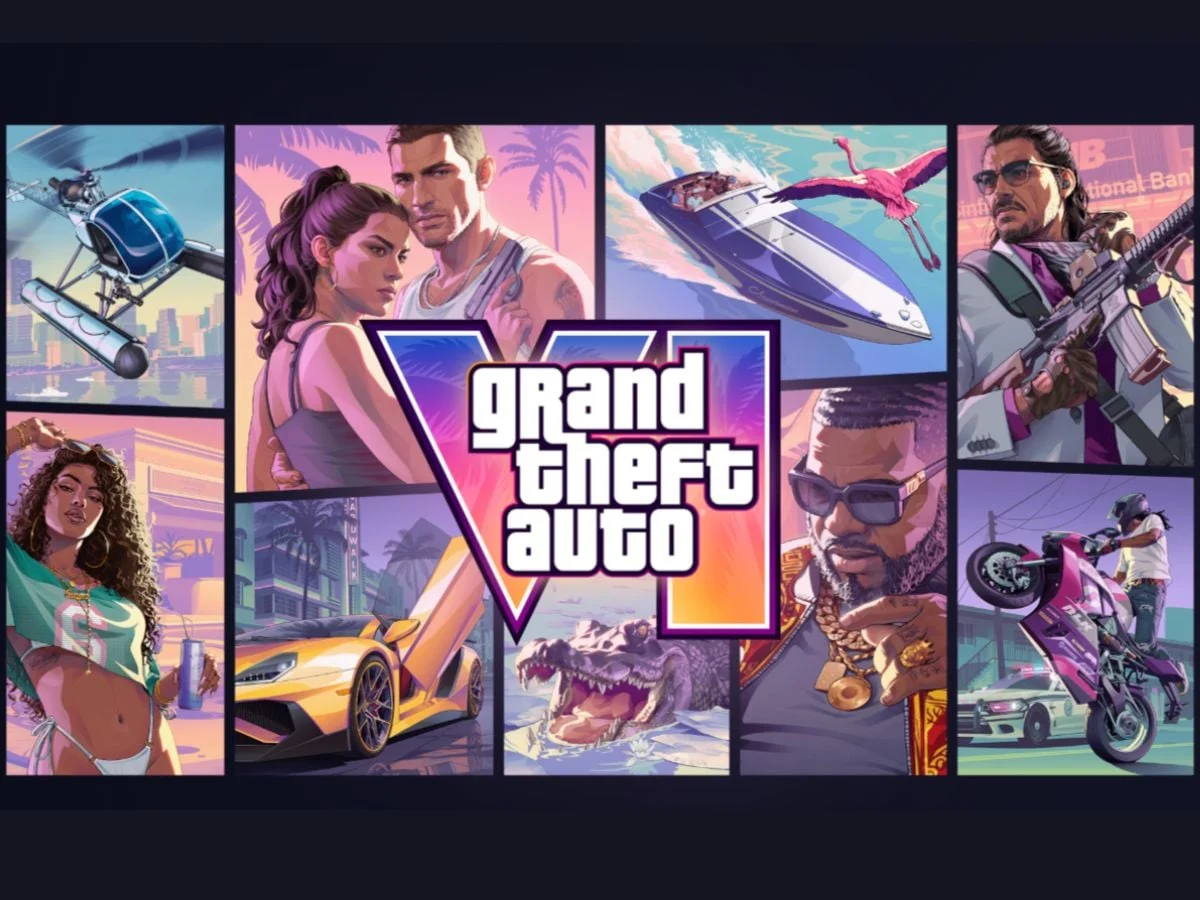
The era of physical media in gaming, once a cornerstone of the industry, is facing its most significant existential threat to date. For decades, the ritual of visiting a store at midnight, unboxing a fresh game, and hearing the mechanical whir of a disc spinning in a console has been a rite of passage for millions. However, as the industry pivots toward digital-first distribution, the line between "physical" and "digital" has blurred to the point of extinction. With the announcement that Grand Theft Auto VI—the most anticipated entertainment product in history—will ship without a disc, the debate over game ownership and the preservation of media has reached a fever pitch.
The News: A Digital Code in a Plastic Shell
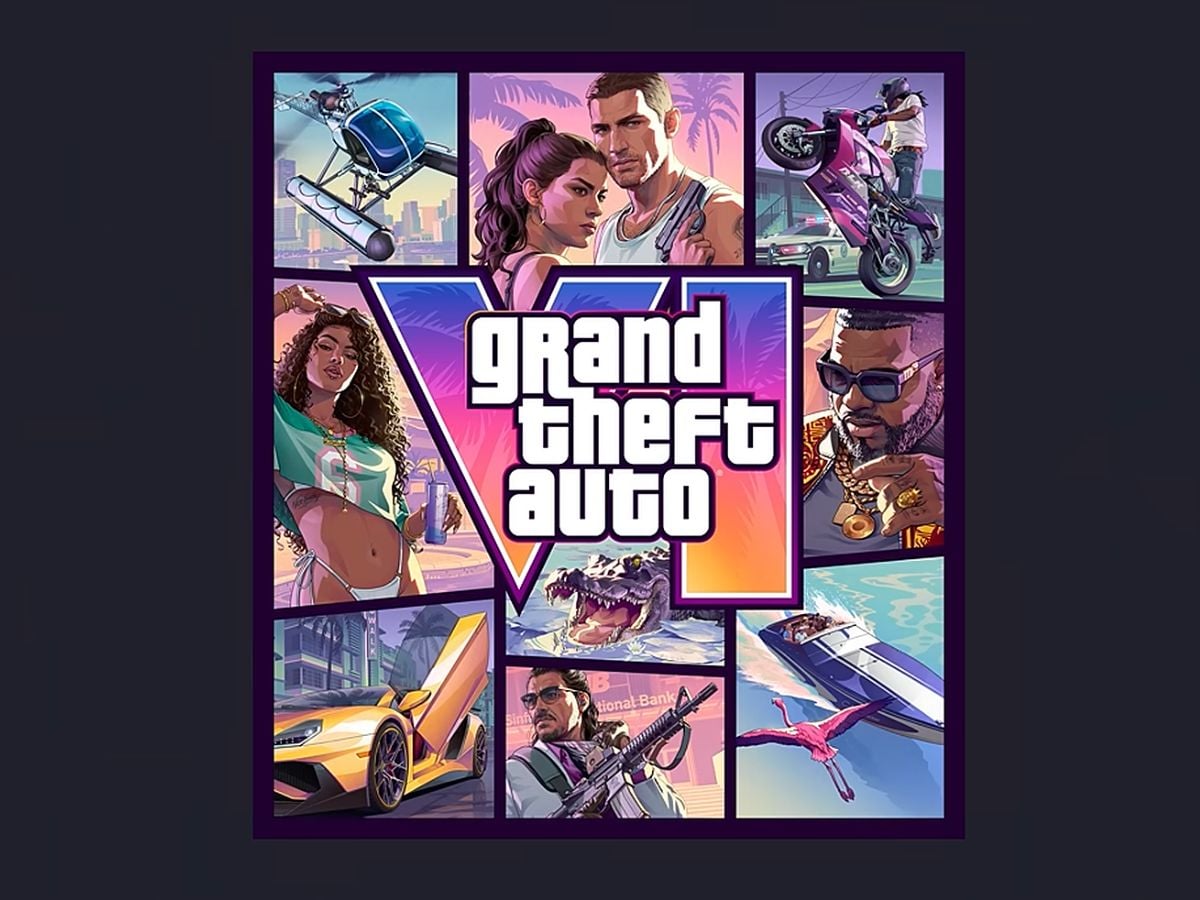
On June 25, Rockstar Games officially opened the floodgates for Grand Theft Auto VI pre-orders. While the excitement surrounding the game’s November 19, 2025, release date is palpable, it is accompanied by a wave of consumer frustration. According to official documentation on the Rockstar Games support portal, the "physical" version of Grand Theft Auto VI for PlayStation 5 and Xbox Series X|S will not contain a physical game disc. Instead, buyers who purchase the physical box will find nothing more than a digital download code.
This revelation has sparked an immediate backlash from long-time collectors and preservationists. For many, the physical box is not merely a container for data; it is a tangible piece of gaming history. By removing the disc, Rockstar and parent company Take-Two Interactive have effectively relegated the "physical edition" to the status of a glorified digital voucher, rendering the box a piece of shelf-filler rather than a functional piece of media.
A Chronology of Broken Promises
The disappointment among the fanbase is exacerbated by a history of mixed signals from Rockstar and its parent company, Take-Two Interactive. For months, rumors swirled that GTA 6 might skip a physical release entirely, a move that would have mirrored the industry’s broader shift toward digital-only ecosystems.
- Early 2024: Industry analysts and data miners began suggesting that the sheer file size of GTA 6—potentially requiring multiple discs—might lead Take-Two to reconsider traditional distribution methods.
- Mid-2024: Take-Two Interactive CEO Strauss Zelnick repeatedly downplayed rumors of a digital-only launch. In various interviews, including a notable appearance on CNBC, Zelnick suggested that the game would feature a "big physical component," leading many to believe that a high-capacity Blu-ray disc—or perhaps even a multi-disc set—was guaranteed.
- Late 2024: As the official pre-order date approached, leaks suggested a pivot. Rockstar Games confirmed in a press release to IGN and subsequent support pages that the physical SKU would strictly function as a pre-load vehicle for a digital download.
- June 25, 2025: Official pre-orders commenced, confirming that the "physical" edition provides no offline utility, as it relies entirely on server-side activation via a code.
This timeline highlights a disconnect between executive messaging and the final product, leaving fans feeling misled by the "big physical component" promise.
The Economics of the "Ultimate" Experience
While the core game faces scrutiny over its physical distribution, Rockstar has also unveiled a tiered pricing structure that pushes the boundaries of modern gaming monetization. The game will be available in two distinct configurations:
The Standard Edition ($80)
The base experience provides the full single-player campaign, with early pre-order incentives including the ’55 Vapid Stanier Sedan, a custom garage, various outfits, hairstyles, and an exclusive weapon pattern. Perhaps most notably, it includes one month of GTA+ membership, the company’s subscription service.
The Ultimate Upgrade ($100)
For those willing to spend a premium, the Ultimate Upgrade includes an extensive suite of in-game assets:
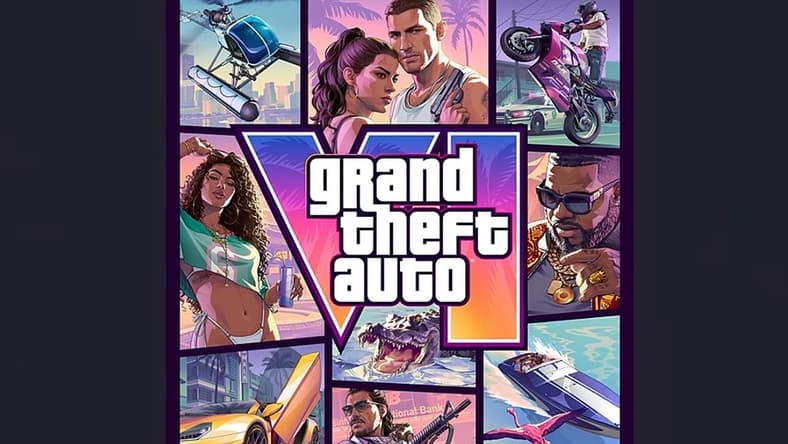
- Vehicles: ’95 Grotti Cheetah, Shitzu Squalo, and ’67 Vapid Dominator Buggy.
- Customization: Personalized weapon variants, Vice City-themed aesthetic styles, and various "mod shop" upgrades.
- Property & Lifestyle: Jason’s Safehouse, the Ganado Retro Build, Sara’s Unisex Salon, and the Electric Fang Tattoo Parlor.
- Collections: The "Classic Car Collection" and access to exclusive gear.
Rockstar has attempted to soften the blow of these prices by allowing players to purchase the Standard Edition and upgrade to the Ultimate version later. However, the $100 price point for a title that is fundamentally digital-only raises questions about the value proposition of physical packaging.
Official Responses and Corporate Strategy
Take-Two Interactive has remained largely quiet regarding the specific decision to omit the disc, preferring to focus on the technical capabilities of the game. However, industry insiders suggest that this decision is a result of several factors: the massive file size of the game, the need for day-one patches, and the desire to control the secondary market.
By forcing a digital download, Rockstar ensures that every player is utilizing the most current version of the game, mitigating the "disc-based bugs" that plagued earlier titles. Furthermore, this move effectively kills the used-game market. A digital code is a one-time-use asset; once redeemed, it is tethered to a specific account, making the "physical" copy impossible to resell or trade in. For a publisher like Take-Two, this is a massive win in revenue protection.
Implications for the Future of Gaming
The shift away from physical media is not just a trend—it is a transformation of the industry’s business model. This change carries several significant implications for the future:

1. The Loss of Ownership
When a game is sold on a disc, the consumer owns a tangible copy that can be played on any compatible console, independent of the developer’s server status. With a digital code, the consumer is essentially purchasing a revocable license to access software. If the servers are ever shut down or the storefront is discontinued, the game could theoretically disappear, leaving the consumer with nothing but a plastic box.
2. The Death of Game Preservation
Physical media has served as the backbone of gaming history. Disc-based games can be archived, collected, and played decades later. A reliance on digital codes creates a "black hole" in history. Once the activation servers go offline, the game becomes unplayable. This presents a massive challenge for museums, archivists, and fans who wish to preserve the cultural impact of Grand Theft Auto for future generations.
3. The Secondary Market Collapse
The ability to trade, sell, or lend physical games has been a consumer right for decades. By pushing the industry toward a digital-only future, publishers are centralizing the value of the game. Consumers are no longer allowed to recoup their investment by selling their used copies, effectively forcing them to buy every title at full price directly from the publisher.
4. Accessibility and Infrastructure
Not all players have access to high-speed, unlimited broadband internet. By forcing a massive download for a "physical" purchase, developers are alienating players in rural areas or regions with poor digital infrastructure. The promise of "pre-loading" is little comfort to those who cannot reliably download 100GB+ files.
Conclusion: A Turning Point
The decision by Rockstar Games to release Grand Theft Auto VI without a disc is a watershed moment for the industry. While the game will undoubtedly be a financial juggernaut, the method of its delivery signals the end of an era. For the collector, the "physical" edition of GTA 6 is a hollow tribute to a bygone age.
As the industry continues to prioritize subscription models, digital storefronts, and server-side control, the "physical" game is becoming a relic of the past. Whether this shift will lead to greater convenience for the casual player or the erosion of consumer rights remains to be seen. However, one thing is certain: when you buy a physical copy of GTA 6 this November, you are not buying a game—you are buying a memory of a time when the disc was king.

 Sagoh
Sagoh
 Ammar Sabilarrohman