Asep Darmawan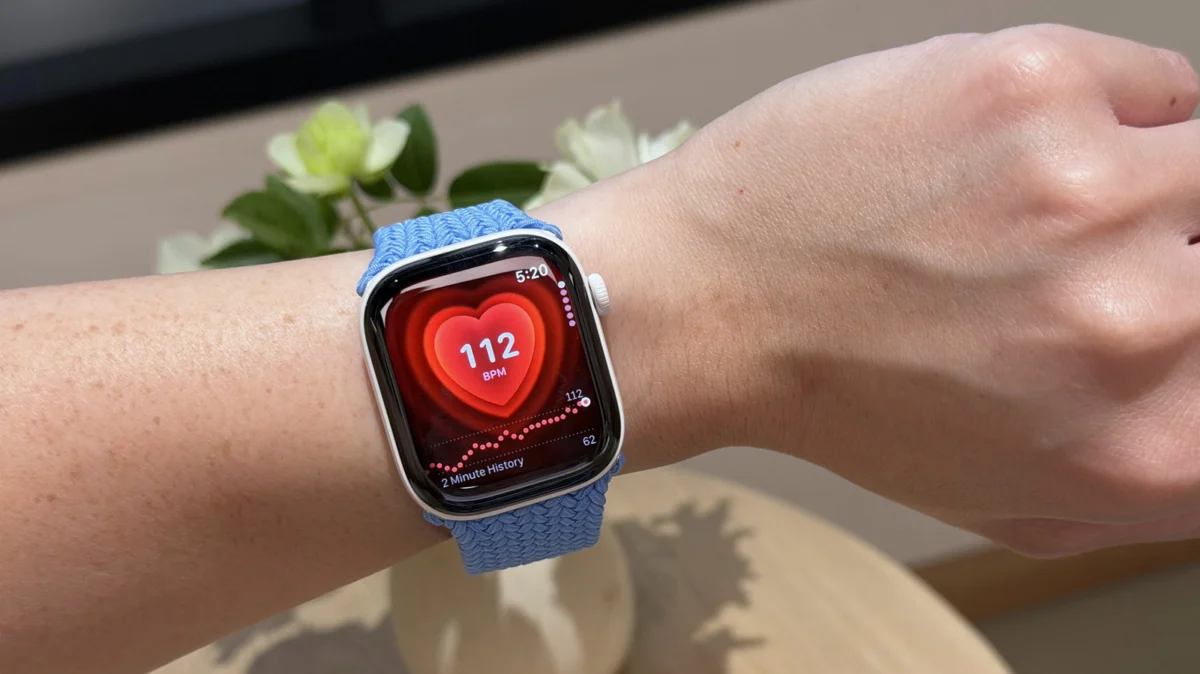
When Apple teased its “Surprise and Shine” keynote, industry analysts expected a modest iteration of their wearable lineup. Instead, the tech giant unveiled the Apple Watch Series 12—a device that represents one of the most significant architectural overhauls in the product’s history. From a completely re-engineered sensor array to a suite of "Audio Intelligence" features that push the boundaries of on-device machine learning, the Series 12 is less of a incremental update and more of a strategic pivot toward proactive health management and ambient computing.
The Core Transformation: A New Sensing Architecture
At the heart of the Series 12 lies a fundamental shift in how the watch interacts with the human body. Apple has abandoned the familiar four-LED diamond configuration found on the Series 11 in favor of a sophisticated ring of 12 high-precision sensors.
This is not merely a design choice; it is an architectural necessity. By increasing the surface area contact between the device and the user’s skin, Apple has enabled a higher sampling rate for biometric data. During hands-on demonstrations, the difference was physically apparent—the underside of the chassis is denser, housing a complex array of photodiodes and electrodes designed to capture a more granular picture of the wearer’s physiology.
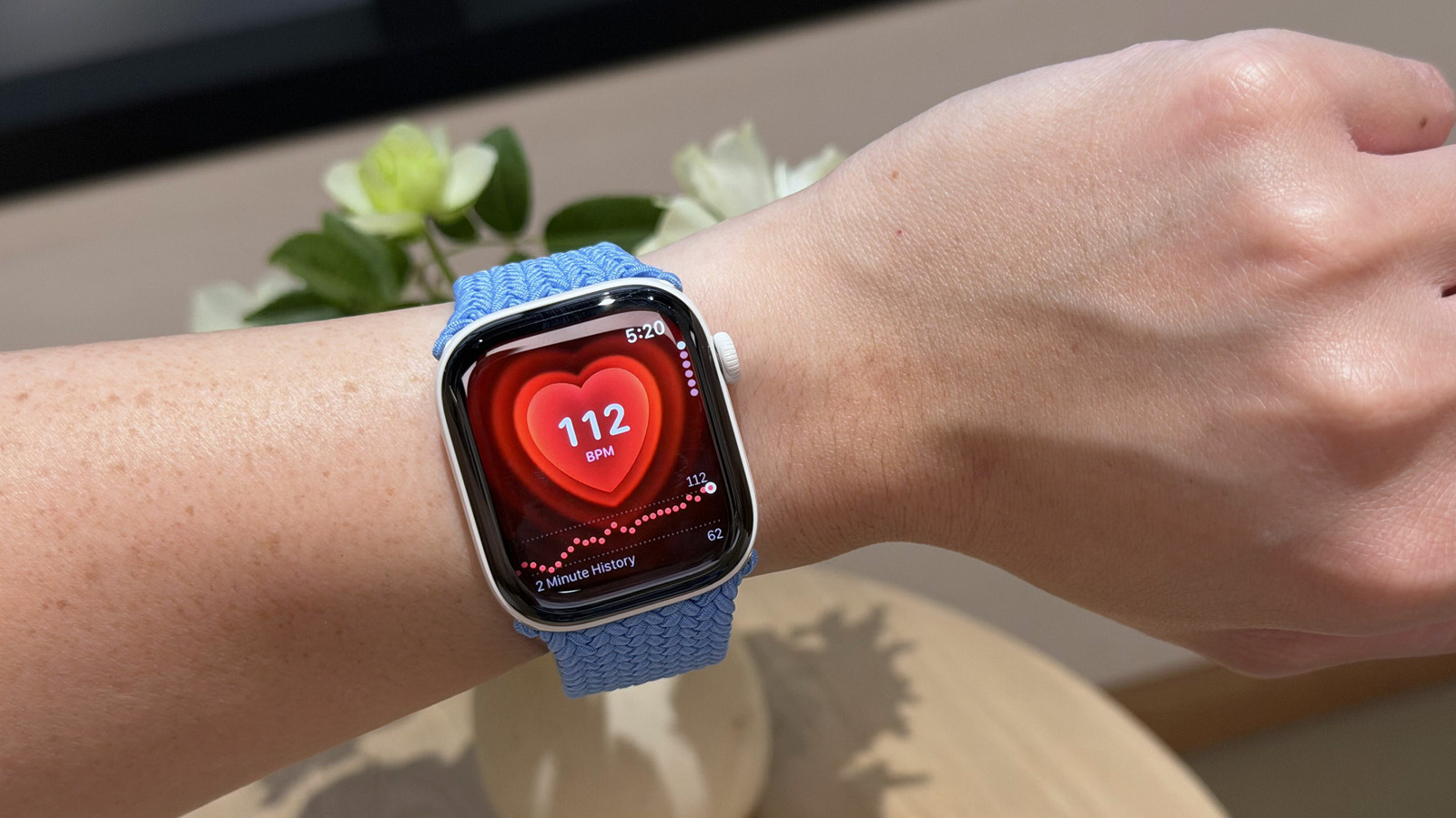
According to Apple, this new sensing system is the culmination of an internal study that positions the Series 12 as the most accurate heart-rate monitoring device in the current wearables market. By increasing the frequency of heart rate, VO2 Max, and Heart Rate Variability (HRV) measurements, the watch provides a depth of data previously reserved for clinical-grade monitoring equipment.
Chronology of the Update: From Passive Tracking to Proactive Insight
The evolution of the Apple Watch has historically been defined by its ability to collect data. The Series 12, however, focuses on contextualizing that data.
- Initial Launch: The announcement introduced the Series 12 alongside a revamped Health app, signaling a shift toward a "dashboard" philosophy.
- The Seven-Day Baseline: Apple has integrated a new "Readiness Score," a metric that requires at least a week of continuous wear to calibrate. This score synthesizes sleep, activity, and vitals to provide a 0-to-10 rating, intended to guide the user on whether they should push their workout intensity or prioritize recovery.
- The Redesigned Health Experience: Later this year, a significant UI overhaul will land on compatible iPhones. This update features an Apple Intelligence-powered summary layer, which adapts its information density based on the time of day, ensuring that users see their most critical health markers when they are most relevant.
- Long-Term Integration: The upcoming software suite will introduce a "Longevity" tab, aiming to gamify long-term wellness by calculating a user’s "health age" and offering guided assessments, such as at-home VO2 Max testing via jogging-in-place protocols.
Supporting Data: The Physics of "Audio Intelligence"
Perhaps the most controversial and innovative addition to the Series 12 is the integration of "Audio Intelligence." This feature set relies on the new S11 chip, which includes a "Secure Exclave"—a physically isolated processing environment designed to handle sensitive audio data without ever transmitting it to the cloud or storing it on the device’s general storage.
The Four Pillars of Audio Intelligence:
- Accelerated Shazam: By maintaining a 15-second rolling buffer of ambient audio, the watch can begin identifying songs the moment a user scrolls to the widget, rather than waiting for the user to initiate the request.
- Autonomous Sound Recognition: Building on existing iPhone accessibility features, the watch can now independently identify alarms, sirens, or glass breaking, alerting users even when their phone is out of range.
- Live Rewind: A tool for the hearing impaired or those in noisy environments, allowing users to double-click the digital crown to retrieve a transcript of the last 15 seconds of conversation.
- Siri Recap: A high-level summarization tool for meetings or long-form audio, which generates concise briefs of surrounding events.
Official Responses and the Privacy Paradigm
Apple was quick to address the inevitable privacy concerns surrounding a device that is essentially "listening" to its surroundings. In a 11-page technical white paper released alongside the launch, Apple emphasized that the S11 chip’s Secure Exclave is the gatekeeper of all audio data.
"The raw audio is never stored," an Apple representative stated during the demo session. "It is transcribed within the Exclave, and the only information that exits that environment is the processed text. We have architected this so that even the operating system cannot access the raw microphone stream."
Regarding the Siri Recap feature, which does involve transferring encrypted files between the watch and an iPhone, Apple has ensured that these files remain inaccessible to the user, third-party apps, and even Apple itself. The company’s stance is clear: they are banking on the trust built through their "privacy as a product" marketing to convince users that these AI features are a utility, not a surveillance mechanism.
Implications: The Future of Wearable AI
The implications of the Series 12 are profound. By moving toward "ambient intelligence"—where the device is constantly monitoring the environment and the body to provide real-time assistance—Apple is redefining what a smartwatch is for.
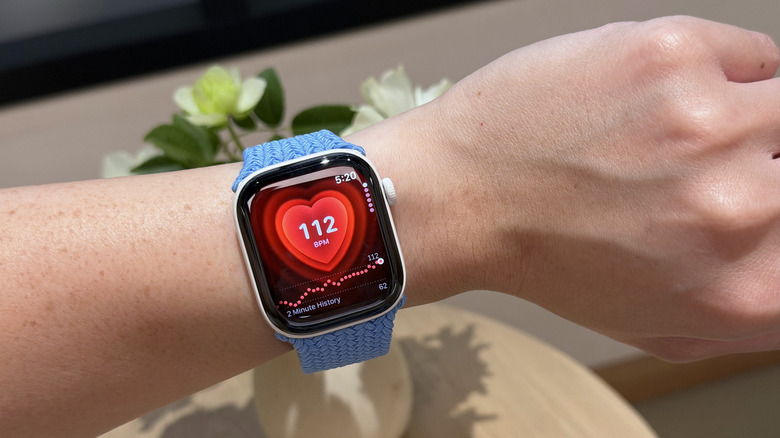
However, this transition comes with trade-offs. The reliance on the S11 chip for these tasks suggests that power consumption will be a major focal point in the coming months. If the watch is constantly transcribing audio and taking high-frequency health samples, battery life will be tested to its limits.
Furthermore, the introduction of the Ceramic variant highlights that Apple is also positioning the Series 12 as a luxury fashion statement. The material, which feels akin to high-end porcelain, is both a structural choice and a signal to the market that the Apple Watch is maturing into a permanent, high-value piece of everyday jewelry.
As we move toward the full retail release, the primary question remains: will users embrace an AI-powered companion that is constantly listening, or will the "creepy factor" outweigh the undeniable utility of features like Live Rewind and Readiness scores?
The Apple Watch Series 12 is an ambitious, high-stakes gamble. It effectively merges the health-tracking capabilities of a medical device with the processing power of a modern AI hub. Whether this combination creates a seamless experience or an overwhelming one will be determined by the nuances of the software updates arriving later this year. For now, the hardware suggests that the future of the wrist is far more intelligent—and perhaps more observant—than we ever imagined.

 Asro
Asro
 Laily UPN