Dwi Wanna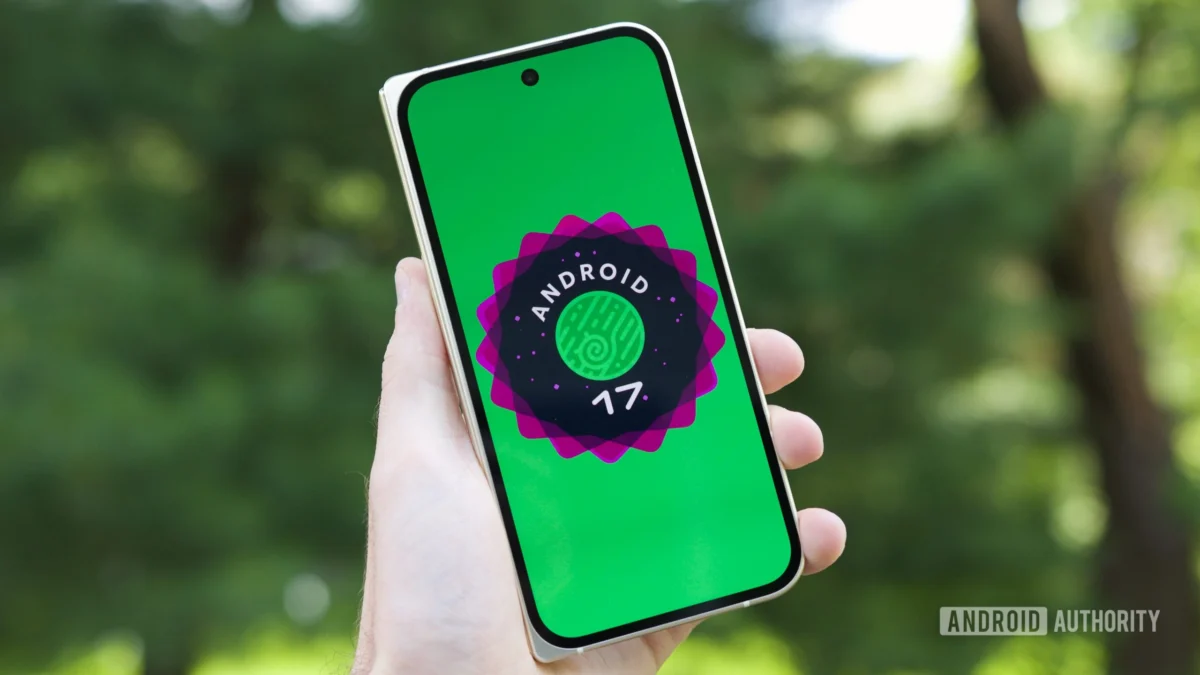
The recent rollout of Android 17, Google’s latest major operating system update, was intended to be a milestone for Pixel users, introducing a refined interface and enhanced productivity tools. However, for a specific segment of the user base, the transition has been marred by a disruptive software glitch. Numerous Pixel owners have reported that their home screen widgets vanish immediately following the update, leaving gaps in their personalized workspaces and hindering daily efficiency.
Google has officially acknowledged the issue, confirming that the bug is tethered to devices utilizing Work Profiles. While the company is working on a permanent software resolution, the situation highlights the ongoing challenges of managing complex, bifurcated environments within the Android ecosystem.
Main Facts: The Scope of the Issue
The primary symptom reported by users is the sudden disappearance or total unavailability of home screen widgets following the installation of Android 17. The issue appears to be highly specific to devices that have a managed Work Profile—a feature commonly used in corporate environments to isolate professional applications, data, and permissions from a user’s personal space.
When the OS update is applied, the system seems to struggle with the integration or permissions of these widgets, resulting in them being purged from the home screen layout. For power users who rely on calendar widgets, task managers, or communication portals to manage their professional and personal schedules simultaneously, this represents a significant interruption in workflow.
The core of the problem stems from how Android 17 handles the cross-profile data bridge during the initial boot sequence post-update. It appears that the system fails to correctly map the widget instances to the primary launcher when a Work Profile is active, causing the launcher to default to a "clean" state for those specific data-heavy components.
Chronology: From Launch to Acknowledgement
The timeline of this incident reflects the rapid pace at which software bugs can proliferate across a global user base following a major OS release.
- Initial Rollout (June 2026): Android 17 began its global stable rollout to Pixel devices, promising improved stability and a host of new OS-level features.
- The First Reports: Within 48 hours of the release, user forums, including the r/Android subreddit and the Google Pixel Help Community, saw an uptick in reports regarding missing widgets. Initially, the cause was unclear, with users speculating it was a launcher-specific bug.
- Pattern Recognition: By the fourth day of the rollout, community moderators and technical observers began to notice a pattern: nearly every user complaining about the bug confirmed they were operating a device with a dual-profile (Personal/Work) setup.
- Official Confirmation: On June 12, 2026, Mishaal Rahman, a prominent figure in the Android community and a former Android Authority editor, intervened in a public Reddit thread. Representing the official line, he confirmed that Google’s engineering teams were actively investigating the bug and that a fix was in development.
- Current Status: As of today, the fix is still listed as "coming soon," with no specific date provided for a patch release.
Supporting Data: Why Work Profiles Are Vulnerable
To understand why this bug exists, one must understand the architecture of Android Work Profiles. Android Enterprise, the framework that governs these profiles, is designed to create a "container" within the phone’s OS. This container holds separate apps, separate encryption keys, and, crucially, separate widget permissions.
The Complexity of Dual-Profile Management
When a user adds a Work Profile, they are essentially running two instances of the OS’s core services simultaneously. The Android launcher must act as a bridge, querying both the personal profile and the work profile for data to display in widgets.
In Android 17, the API layer that manages these inter-profile communications underwent significant optimization. It is highly probable that a regression in these APIs caused the launcher to misidentify the "Work" side of the widget, leading the system to drop the widget entirely to prevent a potential crash or security vulnerability.
Evidence gathered from user reports indicates that the issue is not limited to a specific Pixel model, as both older Pixel devices and the latest flagships are affected equally. This confirms that the bug is rooted in the OS framework rather than hardware-specific drivers.
Official Responses and Remediation Efforts
Google has been relatively transparent regarding the situation, though they have been conservative in offering a timeline for the fix.
Mishaal Rahman’s Statement
The acknowledgment from Mishaal Rahman serves as the current source of truth for affected users. By addressing the concern directly on public forums, Google has managed to prevent the spread of misinformation and has provided a sense of assurance to frustrated users. The statement confirmed that the bug is recognized by internal engineering teams and that a "patch is in the works."
The "Workaround" Dilemma
For those who cannot wait for an official update, there is a manual workaround, though it comes with a significant caveat.
- Removal: Users can delete their Work Profile via the settings menu.
- Restart: A full reboot of the device is required to clear the system cache.
- Re-installation: The user can then re-enroll their work account.
- Replacement: Manually adding the widgets back to the home screen.
The Catch: This process is non-trivial. For many users, removing a Work Profile involves re-authenticating with enterprise security tools (such as Microsoft Intune or VMware Workspace ONE), which may require IT department authorization. Consequently, for the average employee, this "fix" is often impossible or impractical.
Implications: The Stability vs. Innovation Paradox
This incident raises broader questions about the balancing act Google performs every time a major version of Android is released.
The Cost of Iteration
Android 17 was marketed as an OS that would redefine "pro" productivity. However, this bug serves as a reminder that as the OS becomes more complex—incorporating deeper security sandboxing, AI-driven widget intelligence, and enterprise-grade cross-profile management—the surface area for potential bugs increases exponentially.
User Trust and Corporate Adoption
For Google, the implications go beyond just annoyed users. Pixel devices are increasingly being positioned as the gold standard for secure, enterprise-ready smartphones. When a core feature like widget functionality breaks—specifically for users who rely on Work Profiles—it impacts the device’s reputation in the corporate sector. Enterprise IT managers prioritize stability above all else; if an OS update creates a high volume of support tickets, they may be less inclined to recommend Pixel hardware for fleet deployments.
The Future of Android Updates
This scenario underscores the need for more robust "pre-flight" testing in environments that mimic real-world enterprise configurations. While Google’s beta testing programs are extensive, they often lean toward enthusiasts and developers rather than corporate users who operate in highly restricted, managed environments.
Moving forward, the industry will be watching to see how quickly Google can push the patch. The speed of the response will serve as a litmus test for the company’s commitment to its professional user base.
Conclusion: A Lesson in Modern Software Deployment
The "Android 17 Widget Bug" is a classic example of the challenges inherent in modern mobile operating systems. While the bug itself is relatively minor—it does not compromise security or brick the device—it disrupts the user experience in a way that is highly visible.
As Google works toward a solution, users are advised to exercise patience and, if possible, avoid removing their Work Profiles unless absolutely necessary. For those affected, the inconvenience is a stark reminder of the complexity behind the smooth animations and refined aesthetics that define the modern Android experience.
The promise of Android 17 remains high, but this episode highlights that even the most anticipated updates can have hidden costs. We will continue to monitor the situation and provide updates as soon as the patch is pushed to the stable channel. In the meantime, the resilience of the Pixel community—and the responsiveness of Google’s public-facing technical leads—remains the best bridge between the current frustration and the eventual resolution.

 Azzam Bilal Chamdy
 Jia Lissa