


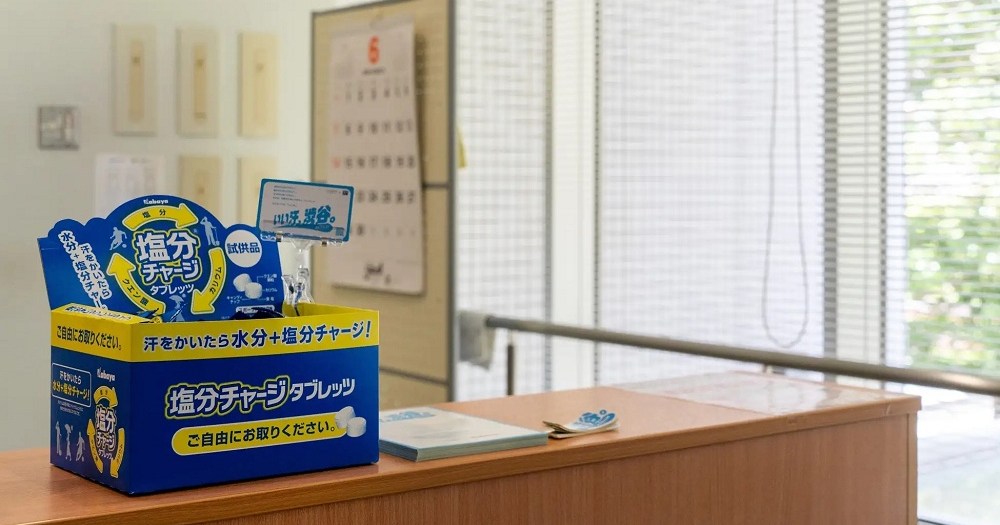
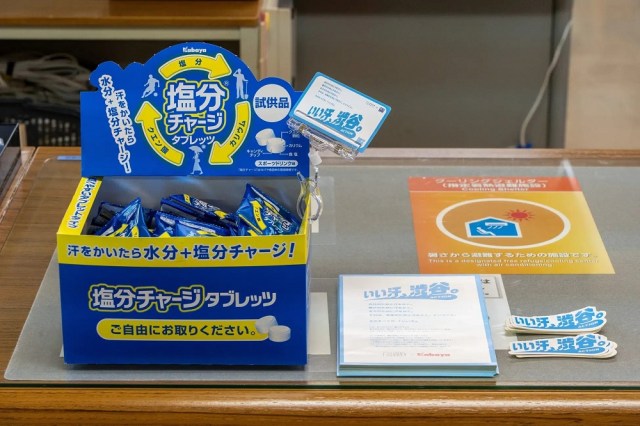
As the sweltering summer months descend upon Tokyo, the Shibuya Ward Office has introduced a proactive, public-health initiative designed to protect residents and tourists alike from the debilitating effects of Japan’s notorious heat and humidity. Starting June 1, the municipal government began distributing free "Enbun Charge" (salt) tablets at the Shibuya Ward Office and 29 other public facilities across the district. This effort, titled the "Good Sweat Shibuya Action," serves as a vital safeguard against heat-related illnesses in one of the world’s busiest urban centers.
The Rising Threat of Heatstroke in Urban Japan
The Japanese summer is characterized by high temperatures combined with oppressive humidity, creating an environment where the human body struggles to regulate its core temperature. As the thermometer climbs, the risk of heatstroke—a medical emergency where the body’s internal cooling mechanisms fail—becomes a daily concern for city officials.
Sweating is the body’s primary defense against overheating, but it comes at a physiological cost. Through perspiration, the body loses not only water but also essential electrolytes, most notably sodium. While many Western diets are high in salt, the standard Japanese diet, combined with the extreme physiological stress of a Tokyo summer, can lead to rapid electrolyte depletion. When sodium levels plummet, individuals may experience dizziness, muscle cramps, lethargy, and, in severe cases, loss of consciousness.
The Shibuya Ward Office, recognizing that tourists and busy commuters may not always have the foresight to carry electrolyte supplements, has taken the initiative to provide these essential minerals at no cost to the public.
Chronology of the "Good Sweat Shibuya Action"
The rollout of this program is a strategic component of a larger, seasonal public awareness campaign.
- Early May 2026: Shibuya Ward officials finalized plans to integrate salt supplement distribution with their "Cool Sharing" initiative, a sustainability-focused project that encourages citizens to congregate in climate-controlled public spaces to reduce individual energy consumption.
- June 1, 2026: The official launch date. Boxes of Kabaya Foods Corporation’s "Enbun Charge Tablets" were placed in the second-floor atrium of the Shibuya Ward Office.
- Early June 2026: The program expanded to 29 auxiliary locations, including regional libraries, public athletic facilities, and local medical centers.
- Ongoing: The campaign is expected to run through the peak heat months of July and August, with staff monitoring supply levels and replenishing stocks as needed based on foot traffic and demand.
Supporting Data: Why Sodium Matters
The efficacy of the "Good Sweat Shibuya Action" is backed by the widespread recognition of salt tablets within the Japanese healthcare and retail landscape. Major brands like Kabaya Foods have long marketed these tablets as an essential survival tool during the summer.
Medical experts often note that thirst is a lagging indicator of dehydration. By the time an individual feels thirsty, they are already significantly dehydrated. Similarly, the symptoms of hyponatremia—low blood sodium—often manifest suddenly.
The strategy behind the ward’s distribution program is twofold:
- Immediate Relief: Providing tablets to those who are already feeling the early onset of fatigue or dizziness while navigating the city.
- Preventative Education: By placing these tablets in high-traffic public areas, the ward is signaling the importance of proactive electrolyte management to a population that might otherwise underestimate the intensity of the Tokyo sun.
The tablets are individually wrapped, allowing residents and visitors to pocket a few for later use, effectively extending the reach of the campaign beyond the walls of the government offices.
Official Responses and Strategic Vision
The Shibuya Ward government has framed this initiative as a "multi-faceted" approach to public safety. A spokesperson for the ward noted that the program is not merely about providing a free product, but about fostering a culture of mutual care during extreme weather events.
"We want our citizens and the millions of visitors who flock to our district to enjoy Shibuya without the looming fear of heat exhaustion," a municipal representative stated. By integrating these tablets into "cool sharing spots," the ward is creating a network of safety hubs.
The "cool sharing" concept is particularly noteworthy. By encouraging residents to use libraries or public centers instead of keeping home air conditioning running at maximum power, the ward is addressing the dual challenges of climate change and public health. The availability of salt tablets at these cooling hubs ensures that those who seek relief from the heat are also given the tools to rehydrate and replenish minerals, creating a holistic approach to summer survival.
Implications for Public Health and Urban Planning
The Shibuya model provides a blueprint for how modern, high-density cities can manage the escalating risks associated with global warming.
1. The Intersection of Tourism and Infrastructure
Shibuya is a global tourism destination. From the iconic scramble crossing to the Hachiko statue and the bustling shopping centers like Shibuya Parco (home to Nintendo Tokyo and the Pokémon Center), the area is perpetually crowded. Managing the health of thousands of transient visitors requires infrastructure that is accessible and intuitive. By placing these tablets in government offices and libraries—places that are already part of the urban fabric—the city minimizes the friction involved in accessing health support.
2. Economic and Sustainability Benefits
The "Good Sweat Shibuya Action" aligns with broader Japanese sustainability goals. When people utilize centralized cooling facilities, the city reduces the "urban heat island" effect—a phenomenon where the collective heat exhausted by millions of individual air conditioning units warms the city air further. This, combined with the health benefits of preventing heatstroke, reduces the burden on the emergency medical system. Each person who avoids a heatstroke-related ambulance call is a win for the city’s strained public health budget.
3. A Precedent for Other Districts
The success of this program in Shibuya is likely to be monitored closely by other Tokyo wards, such as Shinjuku, Chuo, and Minato. If the initiative proves effective in reducing the number of heat-related illnesses treated at local clinics, it is highly probable that other districts will adopt similar distribution models for the summer of 2027 and beyond.
Navigating Summer in Shibuya: A Visitor’s Guide
For those traveling to Tokyo this summer, the "Good Sweat Shibuya Action" offers a practical way to manage the climate. While you explore the fashion meccas and gaming hubs of Shibuya, keep these tips in mind:
- Locate the "Cool Sharing" Spots: If you feel the heat becoming overwhelming, look for signage regarding public cooling zones. These are often located in ward-operated buildings.
- Stay Prepared: Don’t hesitate to take a tablet from the provided boxes, but remember to drink water alongside the salt intake. Sodium helps the body retain the water it needs to function, but it is not a replacement for hydration.
- Plan Your Day: Try to limit intense outdoor activity during the peak hours of 12:00 PM to 3:00 PM. Utilize the morning and evening hours for sightseeing, and take advantage of the air-conditioned malls and public buildings during the heat of the day.
Conclusion
The Shibuya Ward Office’s decision to provide free salt tablets is a testament to the importance of proactive urban governance. By acknowledging the reality of the Japanese climate and providing simple, effective solutions to the public, Shibuya is setting a new standard for how cities can protect their residents and visitors. As the world faces rising temperatures, such initiatives are no longer just a luxury—they are a fundamental necessity for maintaining a safe, vibrant, and welcoming city for all.
Whether you are a local resident heading to the library or a tourist caught in the rush of the Shibuya scramble, remember to take care of yourself. Grab a tablet, find a cool spot to rest, and stay hydrated. Your health is the key to enjoying everything that one of Tokyo’s most dynamic neighborhoods has to offer.











