Layla Zulfa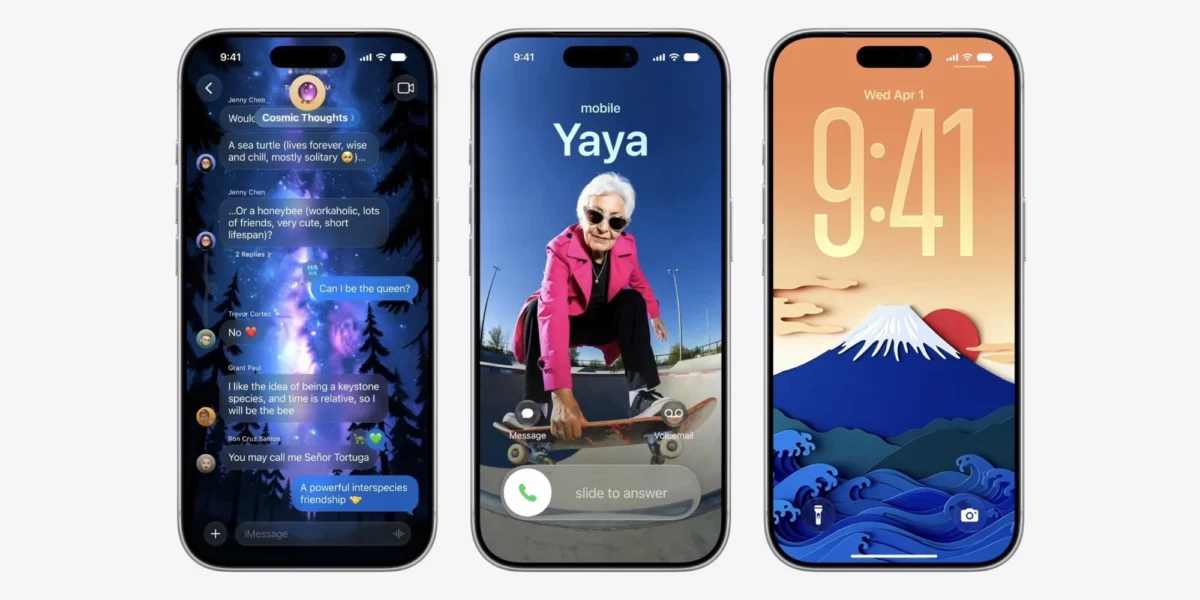
The curtains have officially closed on Apple’s Worldwide Developers Conference (WWDC) 2026, an event that arguably set the stage for the next decade of personal computing. While the keynote was dominated by the sophisticated evolution of Siri AI and a sweeping commitment to system-wide stability, the post-event atmosphere has been one of quiet anticipation. According to industry insiders, most notably Mark Gurman of Bloomberg, the software narrative for 2026 is far from complete. As we march toward the September hardware cycle, a suite of anticipated features—initially expected to debut in the first developer betas—remains conspicuously absent.
This report delves into the "hidden" roadmap for iOS 27, analyzing the technical, strategic, and user-experience implications of the features Apple is holding back for its autumn hardware launch.
Main Facts: The "Phase Two" Rollout
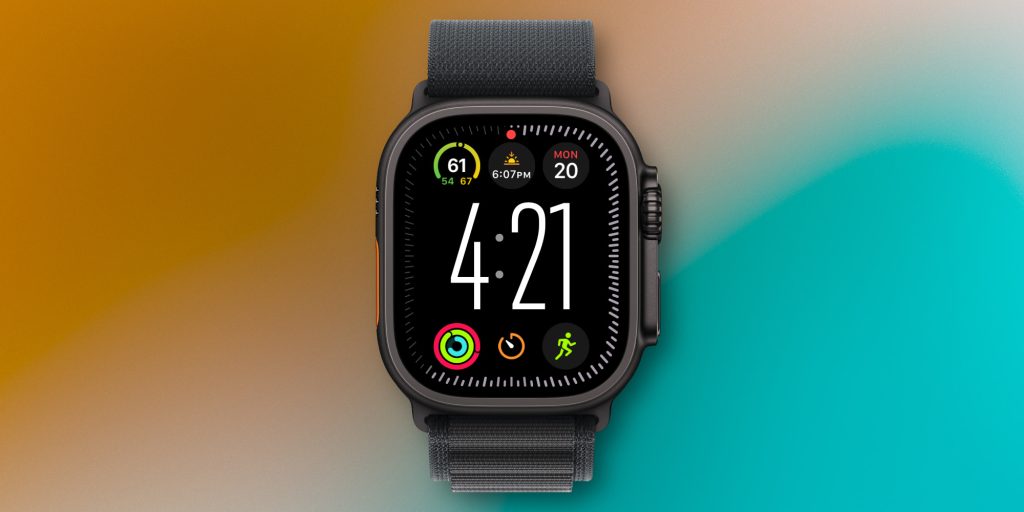
While the headlines following WWDC focused on Apple’s internal AI breakthroughs, the software ecosystem is preparing for a significant expansion. The features currently in internal testing—or held back for strategic marketing reasons—include a refined "Modular Ultra" watch face, a more open-ended Siri Extensions API, and a deeply customizable native Camera application.

These features represent a shift in how Apple manages its release cadence. By separating core system stability from "feature drops," Apple aims to generate sustained momentum for the iPhone 18 Pro release, ensuring that the hardware launch feels like a meaningful upgrade rather than a marginal improvement.
Chronology: The Timeline of Anticipation
The trajectory of these features follows a distinct pattern of development and strategic holding:
- Q1 2026: Initial reports emerge regarding an open-source-style approach to Siri, allowing it to interface with third-party Large Language Models (LLMs) such as Claude and Gemini.
- May 2026: Leaks surface regarding a complete overhaul of the Camera app interface, suggesting a modular approach to UI controls.
- June 2026 (WWDC): Apple focuses on the foundation of iOS 27 and its integrated AI. These "extra" features are omitted from the initial beta seeds to maintain focus on core system stability.
- June–August 2026: Continued internal testing and refinements of the Modular Ultra watch face and Siri extensions.
- September 2026 (Projected): Official public release of iOS 27 alongside the iPhone 18 Pro and the next generation of Apple Watch, marking the "Feature Drop" phase.
Supporting Data: Why the Delay?
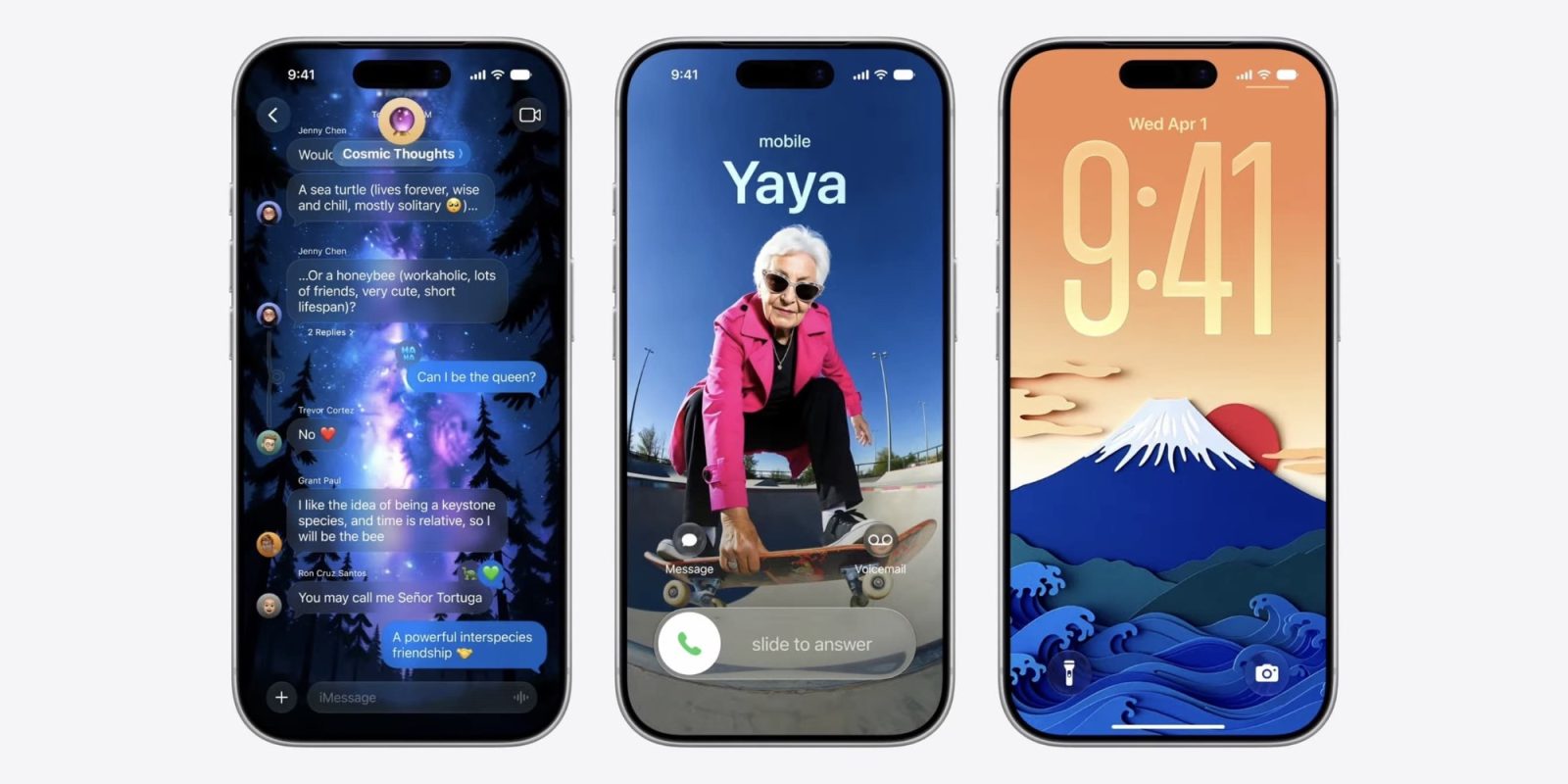
The absence of these features has prompted speculation regarding Apple’s internal priorities. In the case of Siri Extensions, the transition from a bespoke partnership model (like the current OpenAI integration) to a universal Extensions API is a massive technical undertaking.
The Privacy Conundrum
Apple’s brand is built on privacy. The current ChatGPT integration is a "walled garden" partnership, governed by strict data-sharing agreements. Moving to a general-purpose API for third-party AI chatbots introduces complexity. How does Apple ensure that an AI model from a third party respects the user’s privacy settings? The delay is likely due to the creation of an "entitlement" system—a rigorous vetting process that ensures third-party developers adhere to Apple’s sandbox requirements before they can gain access to system-wide Siri hooks.
The "Modular" Aesthetic
The Modular Ultra watch face remains a crown jewel for Apple Watch Ultra users. The proposed "Simplified" version—which retains the bold, industrial clock aesthetic but removes the second row of complications—is a design-focused update. While it may seem trivial, it targets the high-end user base that values clean, readable data over sheer information density.
Official Responses and Industry Outlook
While Apple has remained characteristically silent on unannounced features, the company’s recent rhetoric surrounding its "AI-first" philosophy offers a window into their strategy. Apple executives have emphasized that their approach to AI is "deliberate and measured."
Industry analysts suggest that this strategy is designed to combat "AI fatigue." By spacing out major updates, Apple ensures that the user experience remains stable, even as the feature set expands. Furthermore, the inclusion of these features in the iPhone 18 Pro marketing cycle is a deliberate tactic to differentiate the new hardware from the preceding generation.
Implications for the Ecosystem
1. The Death of the "Bespoke" Partnership
The shift to a Siri Extensions API marks a major pivot in Apple’s service philosophy. If Apple successfully opens Siri to the broader AI market, it will effectively turn the voice assistant into a hub for multiple intelligence engines. Users will no longer be limited to Apple’s chosen partner; they may eventually be able to select their preferred AI model (e.g., "Siri, summarize this with Claude") directly within the iOS environment.
2. User Empowerment in Photography
The customizable Camera app is perhaps the most requested feature by photography enthusiasts. For years, Apple has maintained a strict, minimalist UI. Allowing users to move controls—such as exposure, white balance, or even third-party filter shortcuts—to the primary interface represents a concession to "power users." It signals that Apple is listening to the creative community, moving beyond the "point-and-shoot" simplicity that has defined the iPhone experience for nearly two decades.

3. Apple Watch Personalization
The simplified Modular Ultra face suggests that Apple is maturing in its design language. It acknowledges that the "Ultra" aesthetic—once reserved for rugged, data-heavy displays—can also be refined for everyday professional use. It provides a more streamlined, elegant look without sacrificing the distinctiveness of the Ultra branding.
The Road to September: What to Expect
As we look toward the final public release of iOS 27, the focus will undoubtedly shift from the backend "stability" updates shown at WWDC to these user-facing customizations. Developers should expect to see documentation regarding the Siri Extensions API late in the summer, giving them time to prepare their apps for the September launch.
For the average user, these changes represent a more fluid, personalized, and capable operating system. The iPhone 18 Pro will likely serve as the vessel for these updates, providing the hardware overhead (and perhaps specialized neural processing) required to handle the more intensive AI integrations.

Strategic Conclusion
Apple’s decision to hold back these features is a masterclass in product marketing. By layering the release of new functionalities, they keep the conversation surrounding iOS 27 alive long after the initial excitement of WWDC fades. Whether it is the granular control of the new Camera app or the expanded intelligence of an open-Siri ecosystem, the remaining features of iOS 27 promise to redefine what is possible on a handheld device.
As we approach September, the industry will be watching not just for the new hardware, but for the software refinements that will dictate the standard for mobile computing for the next twelve months. The transition from a "closed-partner" AI model to an "open-extension" model will be the most significant shift to watch, as it marks the moment Apple stops trying to compete with AI and starts building the infrastructure that hosts it.
With the autumn horizon in sight, the message is clear: WWDC was just the introduction. The real evolution of the 2026 Apple ecosystem is still waiting in the wings.

 Rifan Muazin
 Asro
Asro