Rifan Muazin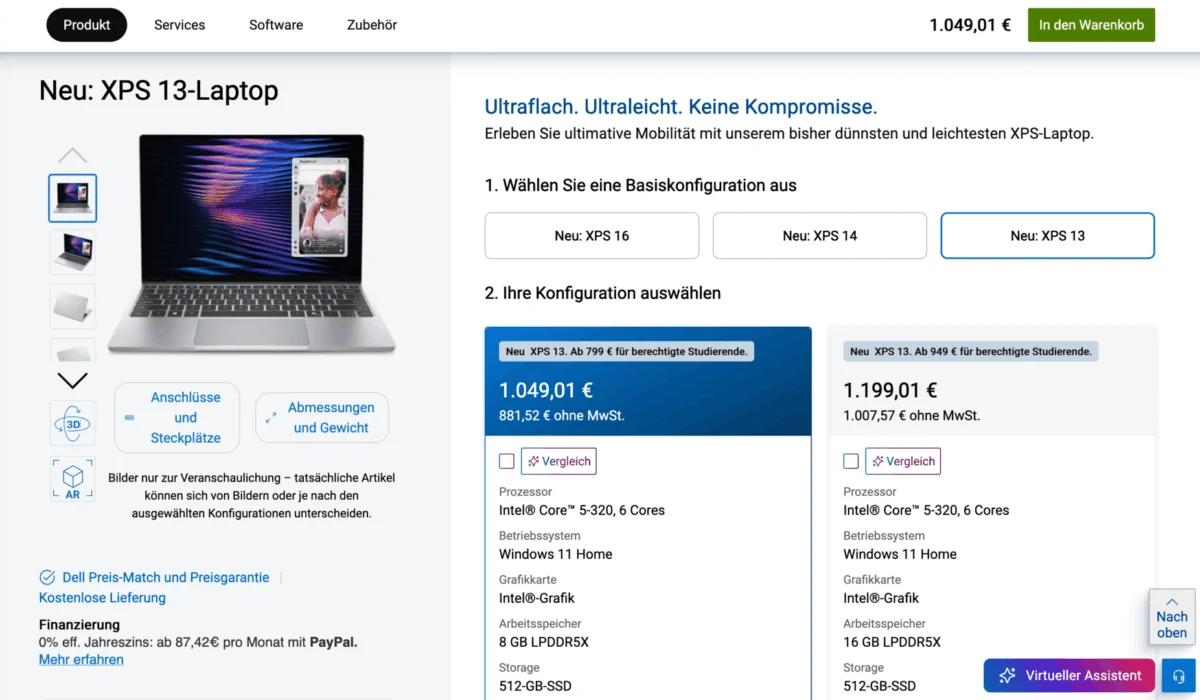
The recent unveiling of the new Dell XPS 13, powered by Intel’s "Wildcat Lake" architecture, was initially met with enthusiasm at Computex 2026. Touted as an accessible, entry-level powerhouse, the device promised to redefine the budget-to-mid-range segment. However, as the notebook hits European markets, a significant disconnect has emerged. With a price tag starting at €1,049 in Germany compared to a $699 MSRP in the United States, Dell is facing scrutiny over what consumers and industry analysts describe as an aggressive, if not prohibitive, pricing strategy.
The Core Conflict: A 47 Percent Premium
In the global electronics market, minor price adjustments to account for regional taxes, logistics, and import duties are standard. However, the markup applied by Dell to the new XPS 13 goes far beyond these typical adjustments.
When comparing the raw numbers, the disparity is stark. The US base model, priced at $699, positions the device as an entry-level contender. In the German market, the exact same hardware configuration—featuring 8 GB of RAM and a 512 GB SSD—demands a retail price of €1,049. Even when stripping away the Value Added Tax (VAT) from the German price, the pre-tax cost sits at approximately €882. When converted, the US base price of $699 equates to roughly €602 at current exchange rates. This results in a staggering 47 percent price premium for European consumers before local taxes are even factored in.
This delta has effectively pushed the XPS 13 out of the "affordable notebook" category and into the mid-range bracket. For a consumer, the psychological difference between a $699 "budget" purchase and a €1,049 "mid-range" investment is profound, drastically altering the value proposition of the hardware.
Chronology of a Controversial Launch
The narrative surrounding the XPS 13 began at Computex 2026, where the device was showcased as a premium-built, entry-level solution.
- Early June 2026: During Computex, Dell generated excitement by highlighting the entry-level pricing. The company announced that the device would start at $699 in the US, with a special education discount bringing the price down to $599 for students and faculty.
- Mid-June 2026: As the product began to transition to European retail channels, Dell Germany announced an entry-level price of €799 for students and educators. While this was framed as a competitive offer, it was already significantly higher than the US equivalent.
- Late June 2026: The full retail pricing was confirmed for the German market, setting the standard price for the general public at €1,049. This revelation caused a ripple of dissatisfaction among European tech enthusiasts, who noted that the "entry-level" promise of the device had been effectively nullified by the regional markup.
Hardware Limitations vs. Price Positioning
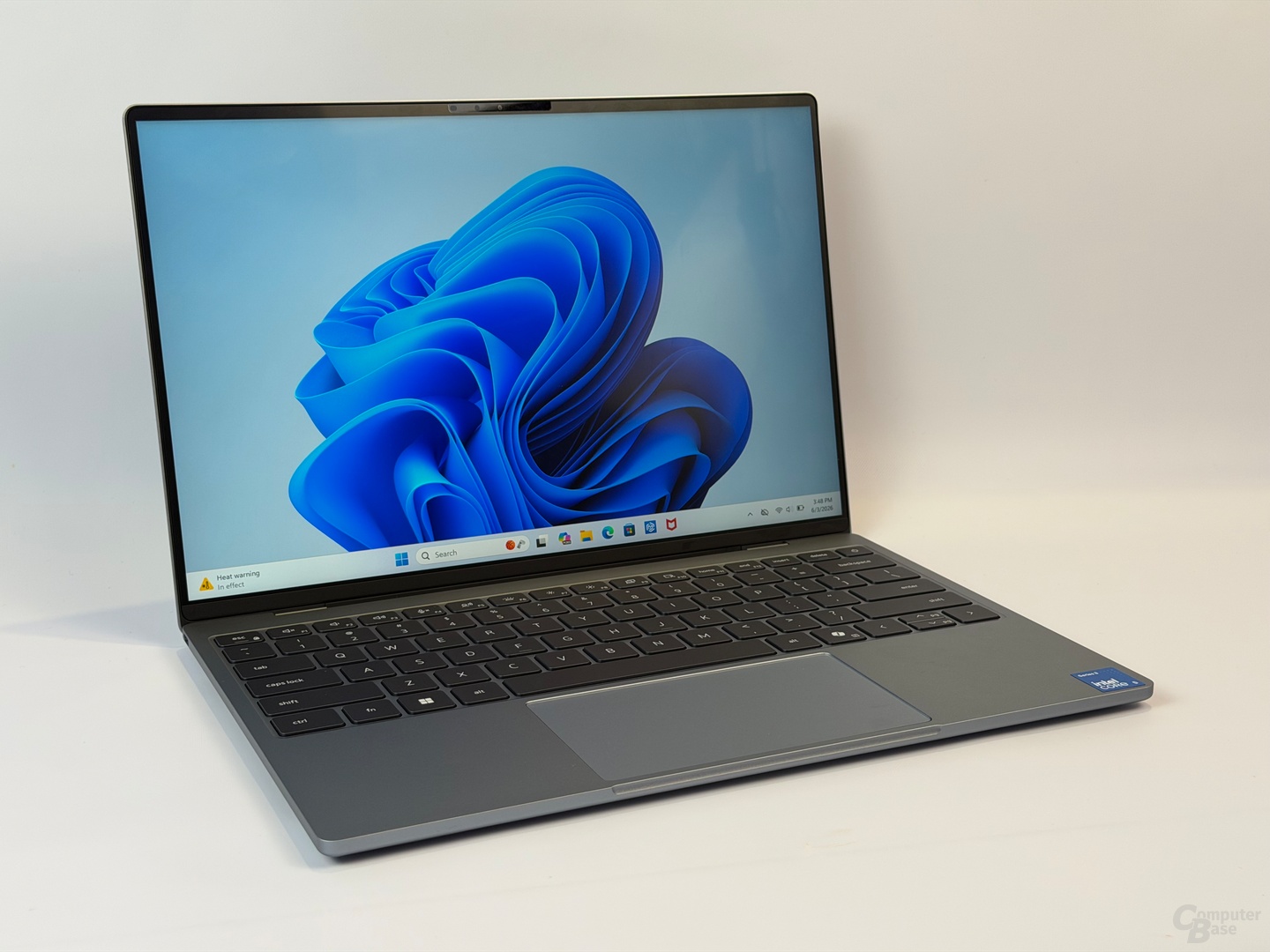
The controversy is not merely about the price tag; it is about what the consumer receives for that investment. Our hands-on analysis of the XPS 13 revealed a machine with impeccable build quality, consistent with the high standards of the XPS line. However, the internal specifications tell a more complicated story.
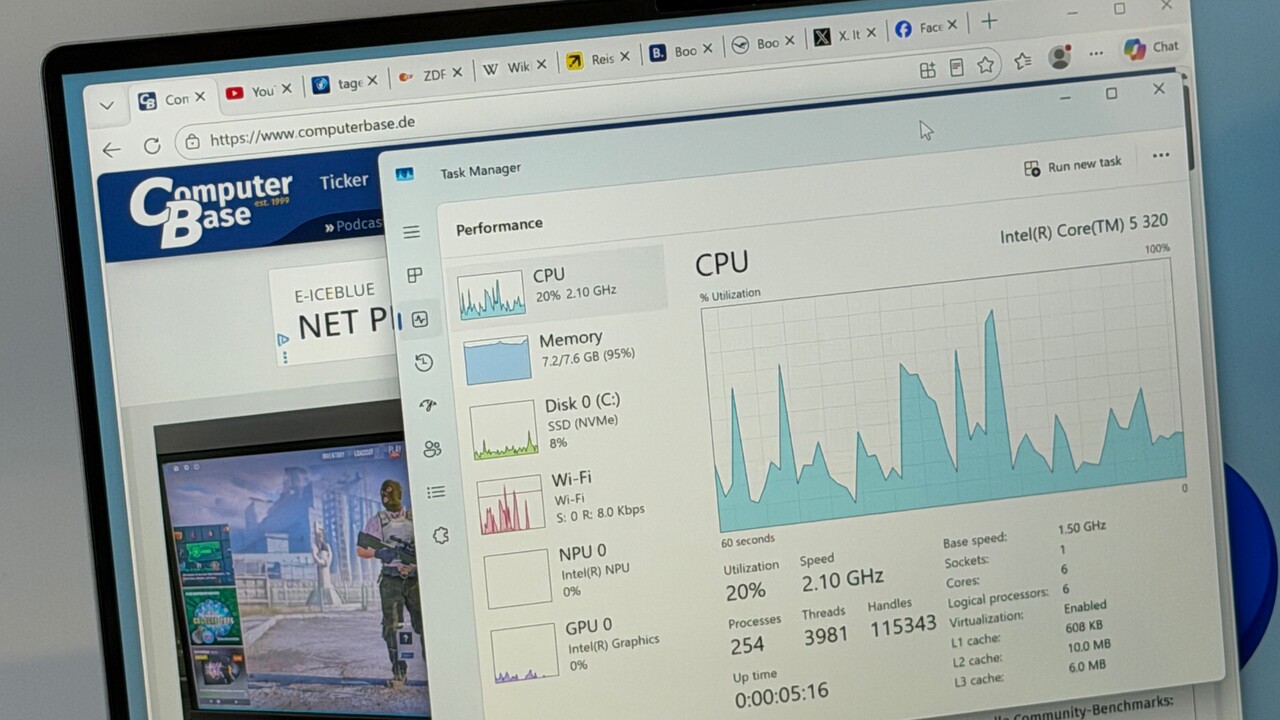
The base model, which carries the €1,049 price tag in Europe, is restricted to 8 GB of RAM. In the landscape of 2026, where Windows 11 serves as the default operating system, 8 GB of memory is increasingly inadequate. Our testing showed that the system experiences high memory utilization almost immediately after booting. For a machine marketed at over a thousand euros, the inability to multitask effectively or handle memory-intensive modern applications creates a glaring disconnect between price and performance.
When a product is priced as a "budget" device, consumers are often willing to overlook hardware bottlenecks like limited RAM. However, at a mid-range price point of over €1,000, these limitations become significant friction points that can drive potential buyers toward competing brands or higher-end configurations that are even more expensive.
The Global Price Gap: A Statistical Breakdown
To understand the severity of this discrepancy, one must look at the math behind the regional pricing.
| Metric | US Price | EU Price (Pre-Tax) |
|---|---|---|
| Base MSRP | $699 | ~€882 |
| Exchange Rate Conversion | $699 | ~€602 |
| Delta | – | +€280 |
| Percentage Increase | – | 47% |
The variance in the education discount also highlights the disparity. In the United States, the gap between the standard price ($699) and the education price ($599) is $100. In Germany, the gap between the standard price (€1,049) and the education price (€799) is €250. This creates a massive barrier to entry for the general public, suggesting that Dell is using the student discount to mask a higher base price rather than providing a true, universally accessible entry point for the new Wildcat Lake architecture.
Implications for the "MacBook-Neo-Killer" Narrative
At its debut, the XPS 13 was whispered to be a "MacBook-Neo-Killer"—a device capable of challenging the dominance of Apple’s entry-level silicon laptops. However, the pricing strategy currently being deployed by Dell risks turning this potential market disruptor into a "short-lived storm in a teacup."
If the device cannot compete on price, it must compete on pure value. With 8 GB of RAM, it struggles to offer a superior experience to the MacBook Air, which, while also entry-level in its base configuration, has a different ecosystem and hardware optimization profile.
Furthermore, the broader market is not standing still. Competitors like Chuwi have already announced plans to launch notebooks featuring Intel’s entry-level CPUs for as little as $449. While these may not offer the same build quality as the XPS series, the sheer price gap creates a "pincer movement" on Dell. On one side, budget-conscious consumers are being pulled toward low-cost alternatives; on the other, power users are looking at the €1,049 price tag and questioning whether they should spend a little more to get a machine with 16 GB of RAM and a more robust feature set.
Industry Outlook: A Warning Sign?
The situation with the Dell XPS 13 serves as a case study in the challenges of global hardware distribution. Manufacturers often blame high European energy costs, complex logistics, and the need to hedge against currency fluctuations for these premiums. However, a 47 percent markup is difficult to justify purely through operational costs.
If Dell continues with this pricing strategy, they risk alienating a key demographic: the value-oriented professional and the student. If the "Wildcat Lake" notebooks fail to gain traction in Europe due to pricing, other manufacturers may be hesitant to bring their own budget-friendly Intel-based models to the region, fearing a lack of consumer appetite for higher-priced "entry" devices.
Ultimately, the XPS 13 is a fine piece of engineering that has been sabotaged by its own pricing strategy in the European market. Unless Dell reevaluates its regional pricing or introduces more flexible configurations at the €799 price point for the general public, the "Wildcat" might find itself locked out of the very market it was designed to capture. As the year progresses, all eyes will be on whether Dell adjusts these figures or if the €1,049 barrier becomes the new, unfortunate status quo for premium entry-level computing.


 Layla Zulfa
 Nana Muazin