Lina Hope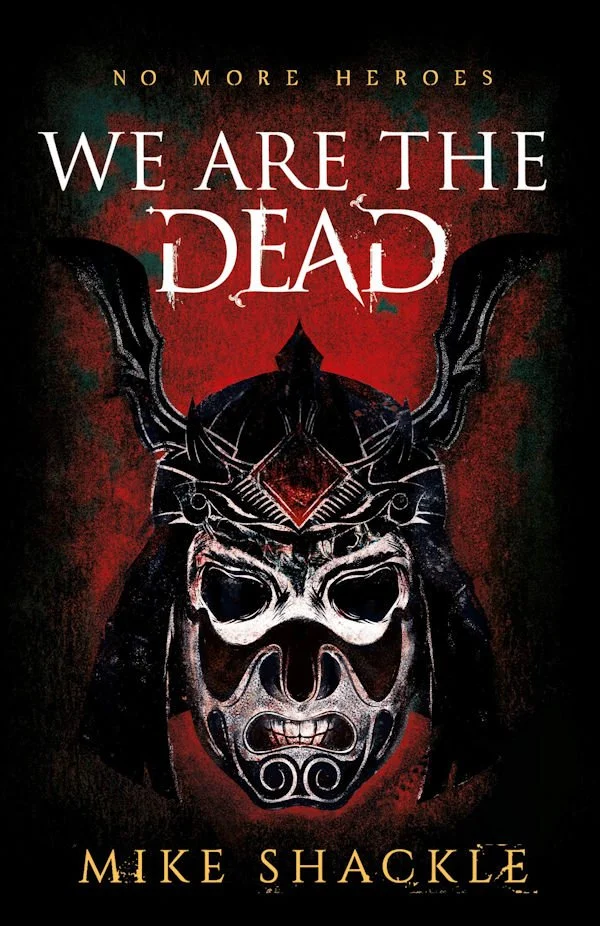
In the landscape of contemporary fantasy, the "hero’s journey" is a well-trodden path. It is a narrative framework built upon the assumption of eventual triumph, the reclamation of lost kingdoms, and the fulfillment of ancient prophecies. However, Mike Shackle’s The Last War trilogy—comprising We Are the Dead, A Fool’s Hope, and Until the Last—systematically dismantles these tropes, offering instead a harrowing, claustrophobic study of occupation, identity, and the brutal redefinition of survival.
Shackle does not present a world where good inevitably confronts evil in a grand field of battle. Instead, he presents a world already lost. When the empire of Jia falls to the technologically and militarily superior Egril, the story shifts from a traditional quest to a visceral, street-level account of life under an uncompromising boot.
The Chronology of Collapse: A Three-Part Descent
The trilogy functions as a continuous, tightening noose, moving from the initial trauma of invasion to the hollow illusions of resistance, and finally to the devastating cost of survival.
Book I: We Are the Dead
The inaugural volume introduces the shock of total societal collapse. The Egril occupation is not a background element; it is the environment. Readers are introduced to a cast of characters who are stripped of their previous identities: Tinnstra, the would-be hero forced into the role of a reactive survivor; Dren, the soldier who finds his honor eroded by the necessity of compromise; and Yas, the rebel whose dissent is tempered by the reality of the enemy’s dominance. The narrative here is one of mourning for a collective identity that has been erased overnight.
Book II: A Fool’s Hope
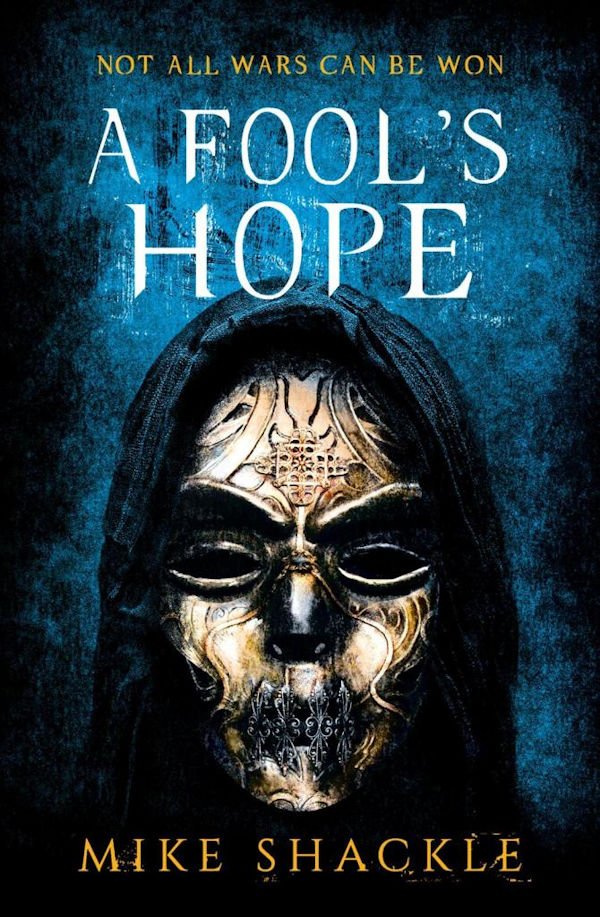
As the occupation settles into a permanent reality, the second installment shifts focus to the psychological toll of resistance. Shackle masterfully charts the "illusion of resistance," exploring how hope—so often championed as a weapon in fantasy—can be a dangerous, even lethal, distraction. The stakes are raised not through grand magical revelations, but through the accumulation of losses that force the protagonists into impossible moral corners.
Book III: Until the Last
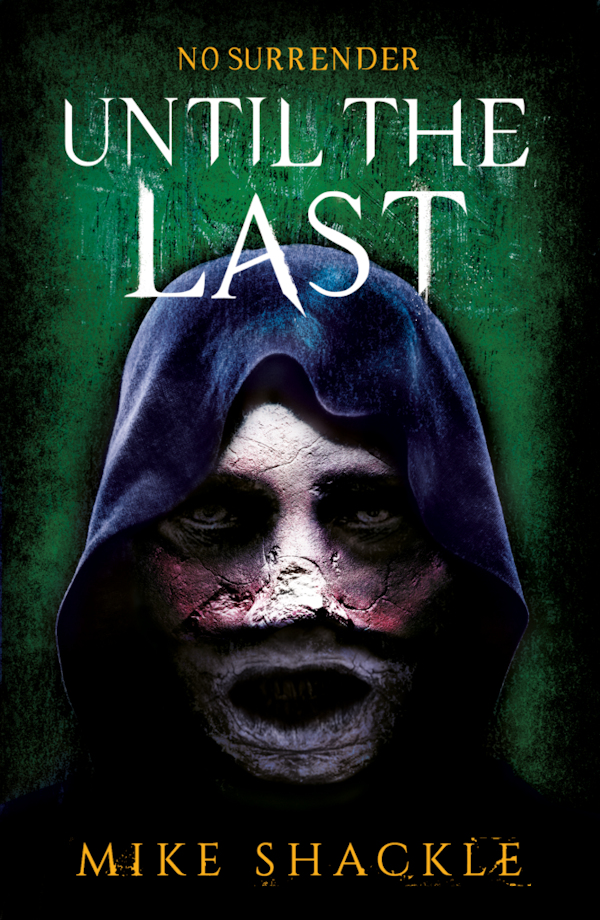
The conclusion of the trilogy abandons the comforting notion that resistance must lead to victory. Until the Last redefines success, shifting the goalpost from liberation to endurance. It is here that Shackle forces the reader to reconcile with the consequences of their characters’ choices throughout the war, offering a finale that prioritizes thematic integrity over fan-service catharsis.
Supporting Data: Narrative Mechanics and Stylistic Choices
To understand why The Last War resonates with such intensity, one must look at Shackle’s deliberate manipulation of narrative pacing and character archetypes.
The Internalization of Momentum
Unlike epics that rely on vast maps and intricate political maneuvering, Shackle’s narrative is built on "mounting pressure." There is little breathing room provided to the reader, a choice that mimics the experience of the citizens of Jia. By stripping away the traditional quest structure, the author ensures that every twist is earned through internal development rather than external plot convenience. The "momentum is internal," creating a sense of a prolonged, inescapable societal collapse.
Stress-Testing the Archetypes
Shackle’s most daring stylistic choice is his treatment of fantasy staples. He takes the "noble warrior" and the "reluctant hero" and places them in environments where those roles are not merely unhelpful—they are liabilities.
- Tinnstra: Forced to discard the mantle of the hero to remain alive.
- Dren: A man whose military training becomes a burden as he is forced into acts of "compromised battler" survival.
- Yas: A character whose arc from rebel to dissenter tracks the growing realization that the enemy is an "inevitable machine" rather than a villain to be defeated.
Worldbuilding Through Destruction
In most fantasy literature, worldbuilding is a process of expansion. In The Last War, it is a process of subtraction. Shackle builds his world by showing us what is being taken away from it. By documenting the loss of culture, infrastructure, and human life in real-time, the stakes become profoundly personal. Readers do not need an encyclopedia of lore to understand the weight of the loss; they see it in the eyes of the survivors.
Official Perspectives and Critical Reception
While The Last War has been compared to the "grimdark" subgenre, such a label is perhaps too narrow to capture its nuance. As critics have noted, Shackle avoids the nihilistic excesses that often plague the genre. While the violence is frequent and the world is bleak, it is never gratuitous. Every act of brutality is consequential, serving to advance the character-driven narrative rather than provide shock value.
The prose style is functional and lean. Shackle’s writing does not prioritize flowery descriptions; it prioritizes "wearing the reader down." Much like the torture methods depicted within the books, the prose is designed to be relentless, ensuring the reader feels the same exhaustion and despair as the protagonists. It is an exercise in empathy through endurance.
Implications: The Legacy of The Last War
The implications of Shackle’s trilogy for the future of the genre are significant. The Last War signals a shift away from the "chosen one" narrative and toward a more grounded, human-centric form of storytelling.
Redefining the "Successful" Fantasy Story
For years, the measure of a successful fantasy series was the defeat of the Dark Lord. Shackle’s trilogy proposes a new metric: the preservation of the self. By framing survival as the ultimate achievement, the books elevate the stories of the common person over the mythos of the conqueror. This provides a more authentic, albeit difficult, reflection of real-world history and human resilience.
The Ethics of Narrative Brutality
Shackle raises an important question regarding the ethics of fiction: Is it responsible to expose readers to such consistent, unrelenting darkness? The success of the trilogy suggests that the answer is yes, provided that the darkness is rooted in "sincerity." By avoiding the glorification of war, Shackle creates a narrative space where bleakness is not a substitute for depth, but a gateway to it.
The Audience for "Consequence"
This trilogy is clearly aimed at a demographic that values "consequence over spectacle." In an era where blockbuster fantasy is often synonymous with visual grandiosity and high-fantasy magic, The Last War offers a stark counter-programming. It is a work that demands time and emotional labor from its audience. It is not an easy read, but for those who value character-driven depth and moral complexity, it stands as a landmark of modern fiction.
Final Assessment: A Masterclass in Tension
The Last War is a series that refuses to be "liked" in the conventional sense. It does not offer the reader an escape; instead, it offers an immersion into a world where hope is a resource to be rationed rather than a feeling to be indulged.
For the reader, the experience of finishing the trilogy is akin to surviving a storm. There is no joy in the destruction, only the profound, quiet realization of what remains when the wind dies down. Mike Shackle has achieved something rare in the genre: he has written a war story that feels entirely indifferent to the reader’s desire for a happy ending, and in doing so, he has created something far more powerful—a story that feels undeniably true.
As the genre continues to evolve, The Last War will likely be remembered as a crucial turning point—a moment where fantasy dropped its armor and looked squarely at the fragility of the human spirit. It is a haunting, relentless, and deeply moving testament to the fact that sometimes, the greatest victory is simply the act of existing until the very end.

 Layla Zulfa
 Ali Ikhwan