

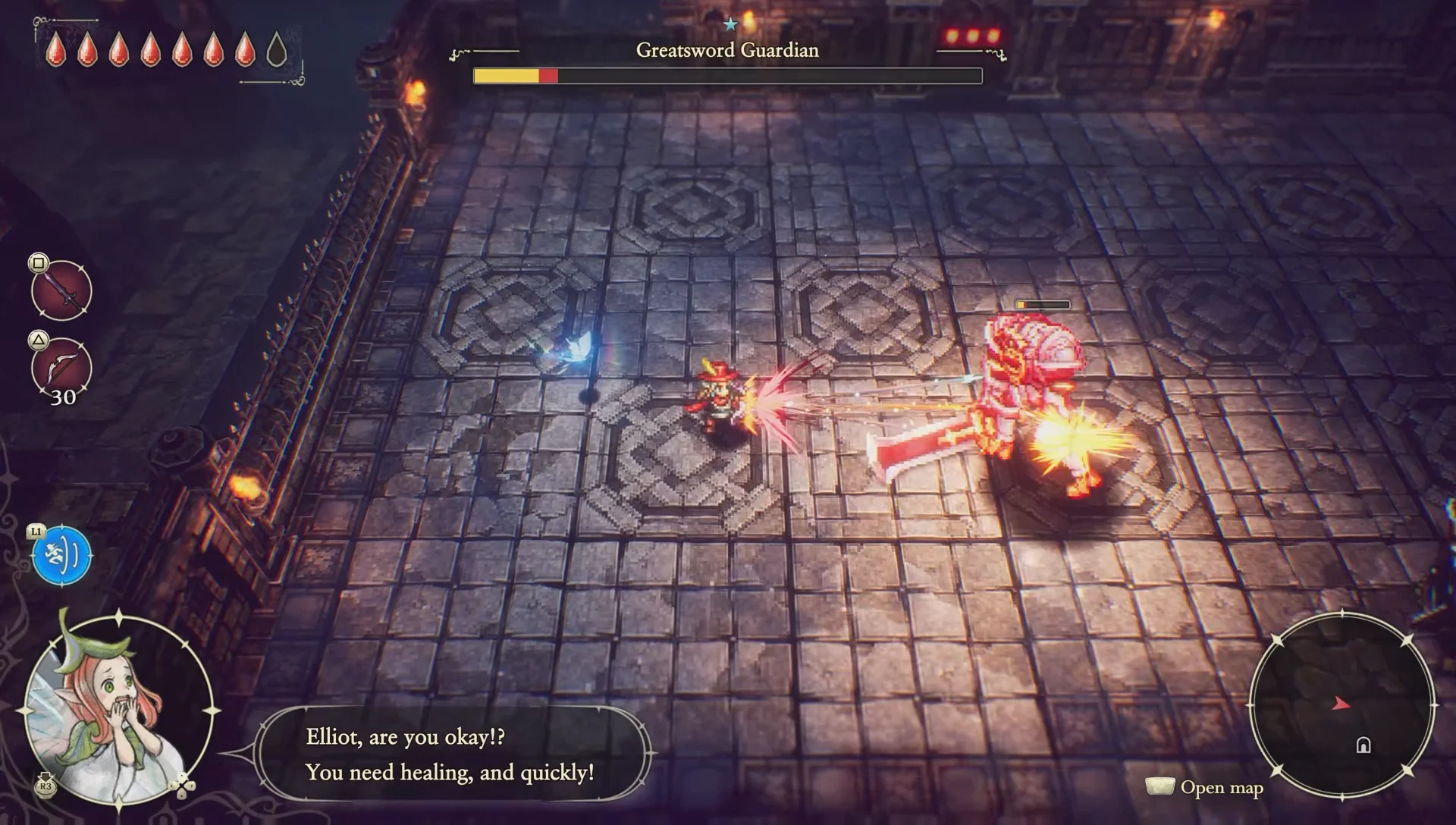
As the gaming landscape continues to evolve, few visual styles have captured the industry’s imagination quite like the HD-2D aesthetic pioneered by Square Enix. With the upcoming release of The Adventures of Elliot: The Millennium Tales, the development team is looking to push these boundaries further by pivoting away from the turn-based tactical roots of Team Asano to embrace the fast-paced world of real-time action RPGs.
Recently, I had the privilege of sitting down with the game’s producer, Naofumi Matsushita, to discuss the philosophy, technical hurdles, and creative inspirations behind this ambitious title. Through our correspondence, it became clear that Elliot is not merely an homage to the past, but a deliberate attempt to marry the nostalgia of classic top-down adventures with modern, immersive design.
The Genesis of an Action RPG
Drawing from the Titans of the Genre
When players first engage with The Adventures of Elliot: The Millennium Tales, the visual and mechanical comparisons to legendary titles like The Legend of Zelda are inevitable. However, Matsushita is quick to clarify that while such comparisons are flattering, the project’s DNA is deeply rooted in a different lineage of action-oriented storytelling.
"We anticipated that some players might draw comparisons between this game and The Legend of Zelda series, and we are truly honored by those parallels," Matsushita noted. "However, throughout development, we were consistently inspired by Square Enix’s own action RPG heritage, specifically the Mana series, and particularly the Game Boy classic, Final Fantasy Adventure."
The Mana series was a seminal work in the genre, successfully bridging the gap between RPG depth and the visceral thrill of real-time combat. Matsushita highlights this "balance" as the core pillar of Elliot. By integrating the signature HD-2D visual fidelity—which utilizes 3D backgrounds to provide a sense of scale—with a narrative centered on time travel, the team aims to deliver an experience that feels simultaneously classic and refreshingly novel.
Technical Hurdles: Mastering the HD-2D Perspective
For a studio accustomed to the rhythmic, grid-based nature of turn-based combat, the transition to real-time action presented unique logistical challenges. Specifically, how does one maintain the distinct "diorama" aesthetic of HD-2D without sacrificing the spatial awareness required for fluid combat?
The "Drumroll" Technique
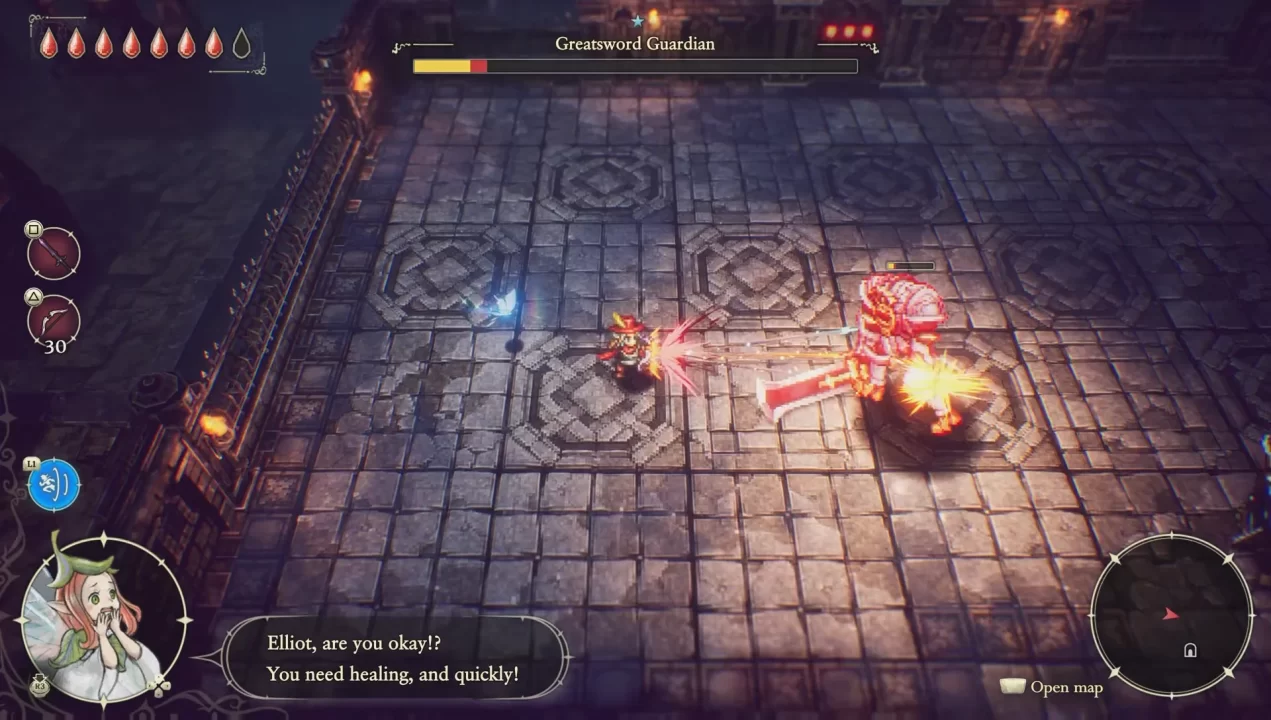
In standard 2D pixel art, the ground plane can often feel flat, making it difficult for players to judge distance or height. To combat this, the team implemented what Matsushita calls a "drumroll" approach to world-building.
"We curved the map into the background so that distant terrain becomes visible," Matsushita explained. "By incorporating original techniques to maximize the visible range, we were able to create an experience that conveys a strong sense of depth while still functioning as a 2D action game. This was an area where we spent a significant amount of time fine-tuning the details in close collaboration with the development studio."
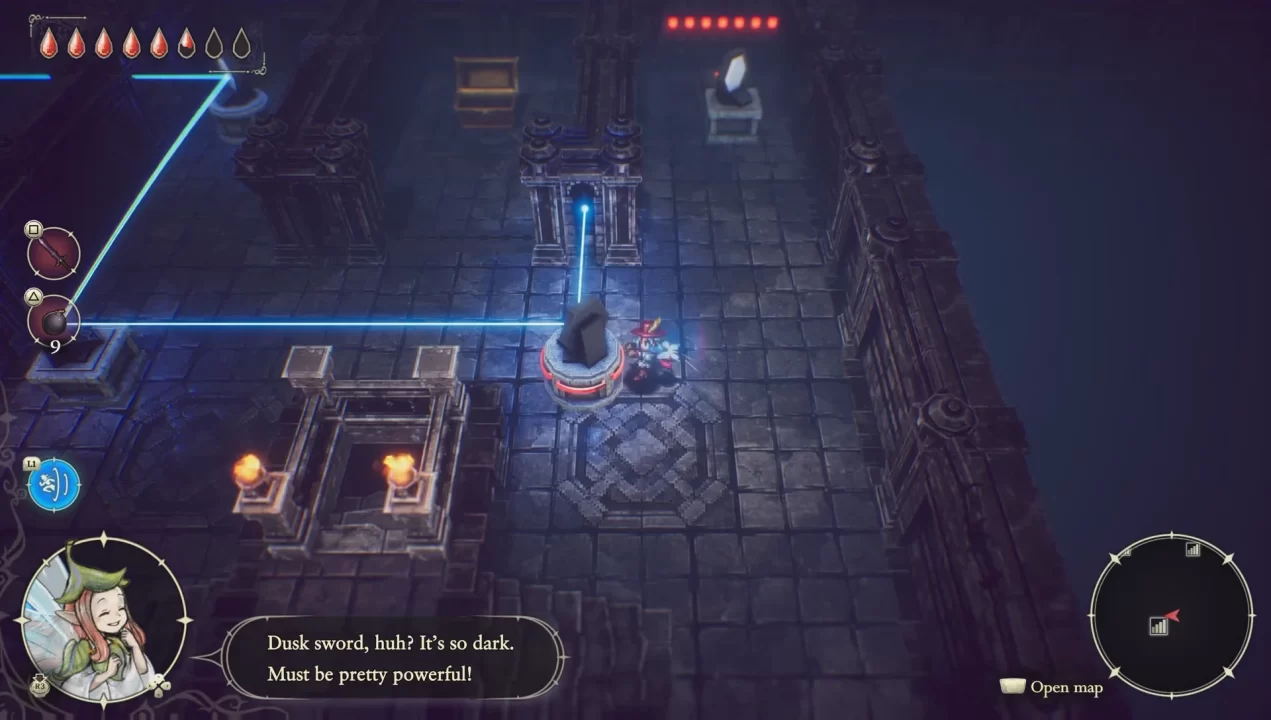
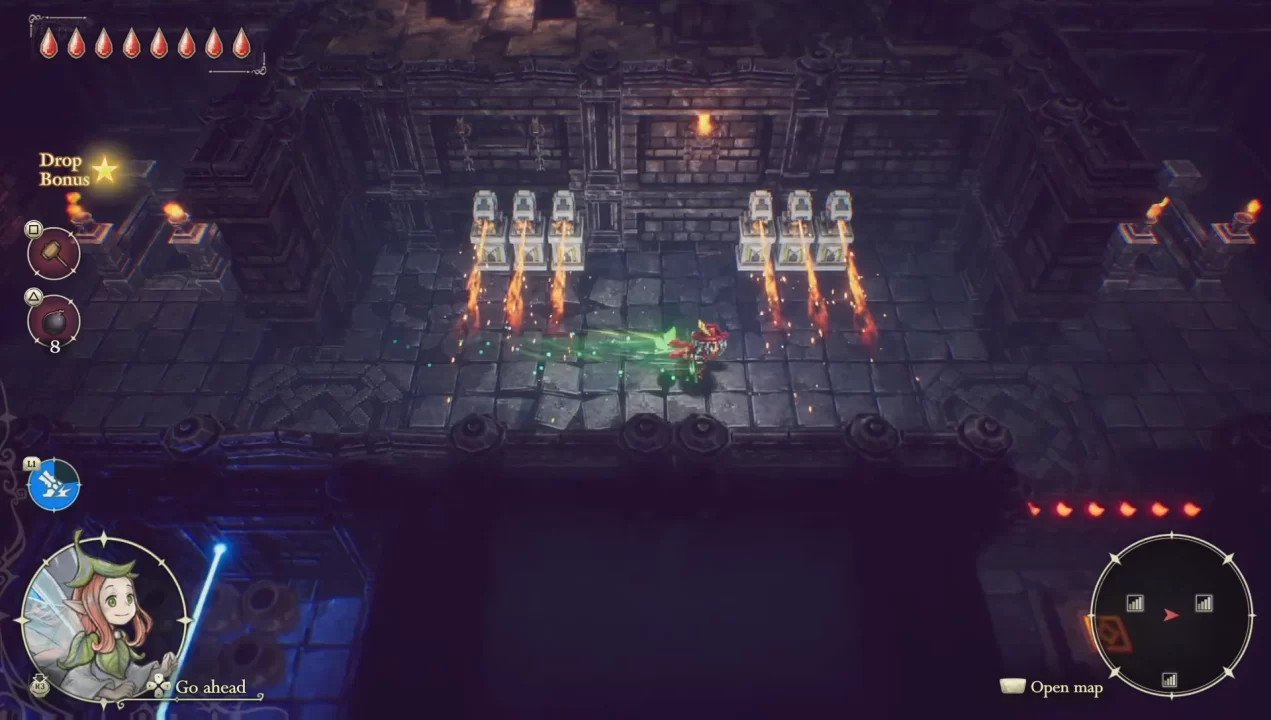
This attention to depth is not merely cosmetic; it is essential to the gameplay. As seen in the recent demo, players are tasked with navigating complex environments, including intricate mirror-and-laser puzzles that require a keen eye for spatial positioning.
A Symphony of Time: The Musical Landscape
Music is the soul of any RPG, and for a project defined by a time-traveling narrative, the auditory experience is paramount. To score The Adventures of Elliot, the team sought out fresh talent, eventually settling on composers Tomohiro Nakamachi and Yuto Moritani.
While their backgrounds in projects like The Idolm@ster and Umamusume: Pretty Derby might seem far removed from a sweeping fantasy action RPG, their contributions have been transformative. The selection process was rigorous, involving a blind audition of demo tracks. Ultimately, the quality was so high that the production team decided to bring both on board to manage the expansive scope of the game’s score, which must reflect the atmosphere of multiple distinct eras.
Gameplay Mechanics: Personalizing the Combat
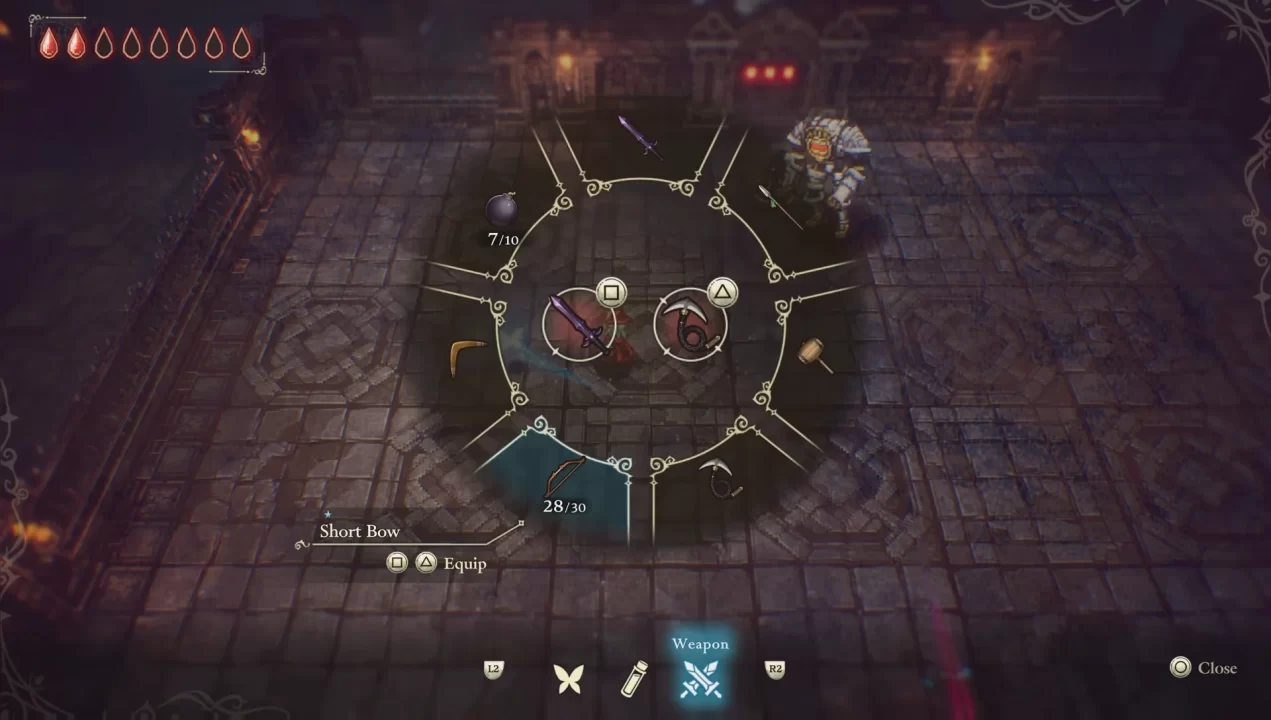
One of the most engaging aspects of The Adventures of Elliot is its modular approach to combat. Rather than locking the player into a single playstyle, the game offers a diverse arsenal of seven distinct weapons, ranging from the long-range bow to the versatile chain-and-sickle.
The Developer’s Perspective on Playstyles
During our discussion, Matsushita revealed that the development team itself was divided on the "optimal" way to play. "Asano-san preferred the boomerang, while Director Fukebaru-san preferred the hammer," he shared.
Matsushita himself leans toward the chain-and-sickle, valuing its utility in both close-quarters skirmishes and mid-range encounters. The key, however, lies in the "magicite" system. Players who worry about resource management—such as limited ammunition for bows or bombs—can alleviate these pressures through strategic customization. This level of agency ensures that no two playthroughs need to feel identical.
Faie: More Than a Mechanic
A recurring trope in the genre is the "companion character" who exists solely to provide hints or solve puzzles. In The Adventures of Elliot, the fairy character, Faie, was designed to be much more than a narrative device.
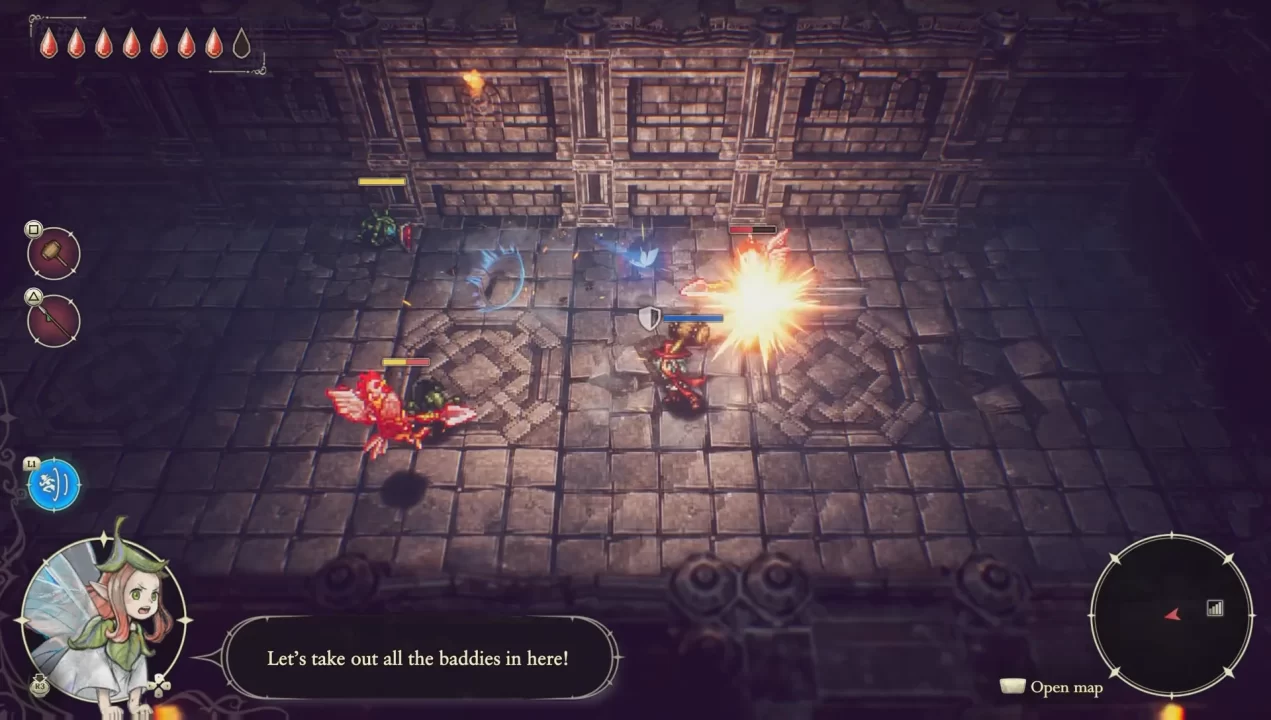
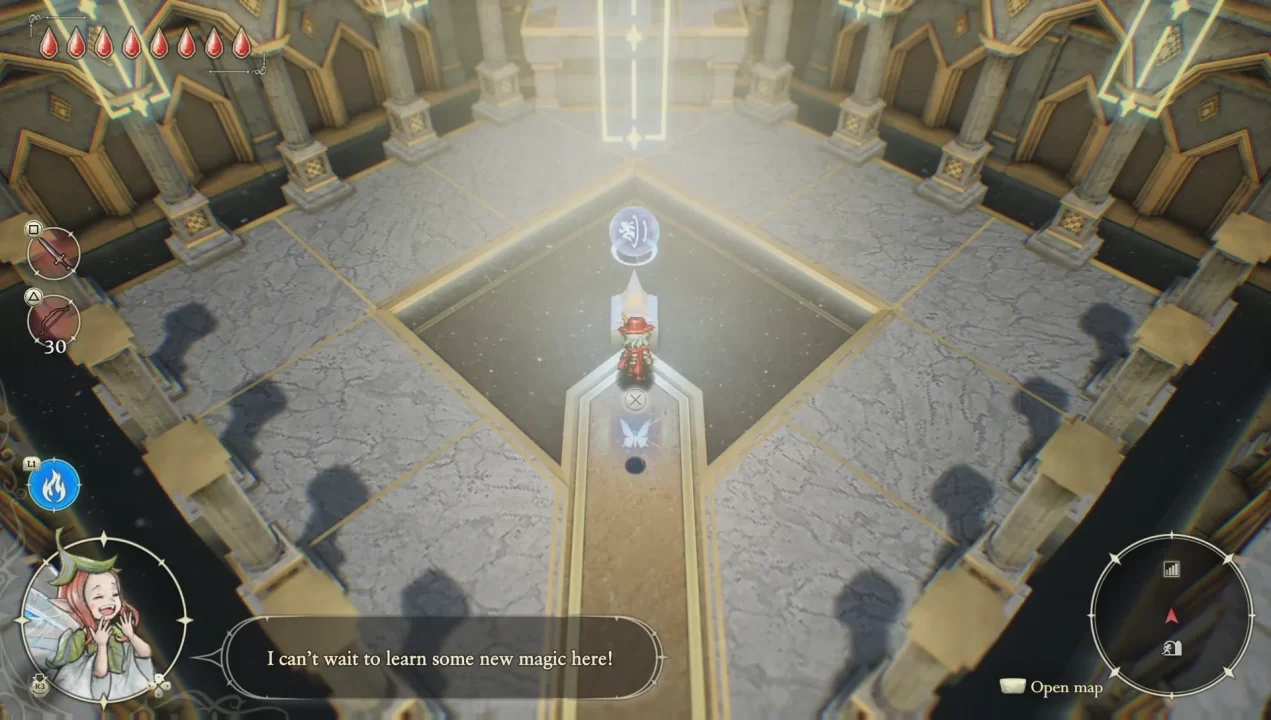
From the outset, the team knew Faie would possess five unique, core abilities. However, her role expanded significantly during the development cycle. Recognizing that action games can sometimes feel isolating, the team introduced voiced lines where Faie provides encouragement and praise during combat. This creates a symbiotic relationship between the player and their companion, turning a solitary journey into a shared experience.
The Road to Launch: Implications for the Genre
As we look toward the June 18th, 2026, release date for PlayStation 5, Xbox Series X|S, the Nintendo Switch 2, and PC, the implications for The Adventures of Elliot: The Millennium Tales are significant.
A New Standard for HD-2D
If Elliot succeeds, it proves that the HD-2D aesthetic is not tethered to the turn-based format. By successfully translating this visual language to real-time action, Team Asano is potentially opening the door for a new wave of action-heavy titles that retain the charm of the 16-bit era.
The Balancing Act
The game’s core tension—balancing simplicity with challenge—is the hallmark of the "easy to learn, hard to master" philosophy. If the final release can maintain the fluid, smooth performance seen in the demo, it will likely be heralded as a masterclass in modernizing classic tropes.
Conclusion: Why It Matters
In an era where "bigger" is often equated with "better," The Adventures of Elliot chooses to focus on the precision of its systems and the richness of its world-building. Whether you are a fan of the Mana series looking for that same sense of wonder or a newcomer drawn in by the stunning HD-2D visuals, The Adventures of Elliot promises to be a standout title in a crowded 2026 release calendar.
The fusion of a time-traveling narrative, the innovative "drumroll" perspective, and a robust, player-driven combat system positions The Adventures of Elliot as a title that respects its ancestors while boldly charting its own path. As we count down the days to its launch, the anticipation is palpable—not just for the story of Elliot and Faie, but for the evolution of the genre they represent.
For more on the game, be sure to check out our comprehensive hands-on preview detailing the early hours of the journey.











No comments yet. Be the first to join the conversation!