Main Facts
Supercell, the acclaimed mobile gaming giant, has offered a compelling glimpse into the future of its enduring strategy title, Clash of Clans. In a recent interview, Community Manager Fernando Ferri confirmed that the game is gearing up for a significant evolutionary leap, headlined by the impending arrival of Town Hall 19 (TH19) later this year. This major update promises not only new content but also a strategic overhaul aimed at making "older troops interesting again," a move that could fundamentally reshape the game’s long-standing meta. Beyond the structural expansion, Supercell is actively addressing critical player feedback regarding the Ranked Mode, with changes in development to alleviate pressure and enhance the overall battle experience. Additionally, players can anticipate the long-awaited Elephant Rider temporary troop, alongside a suite of quality-of-life (QoL) improvements designed to streamline progression and improve user experience across various game modes.
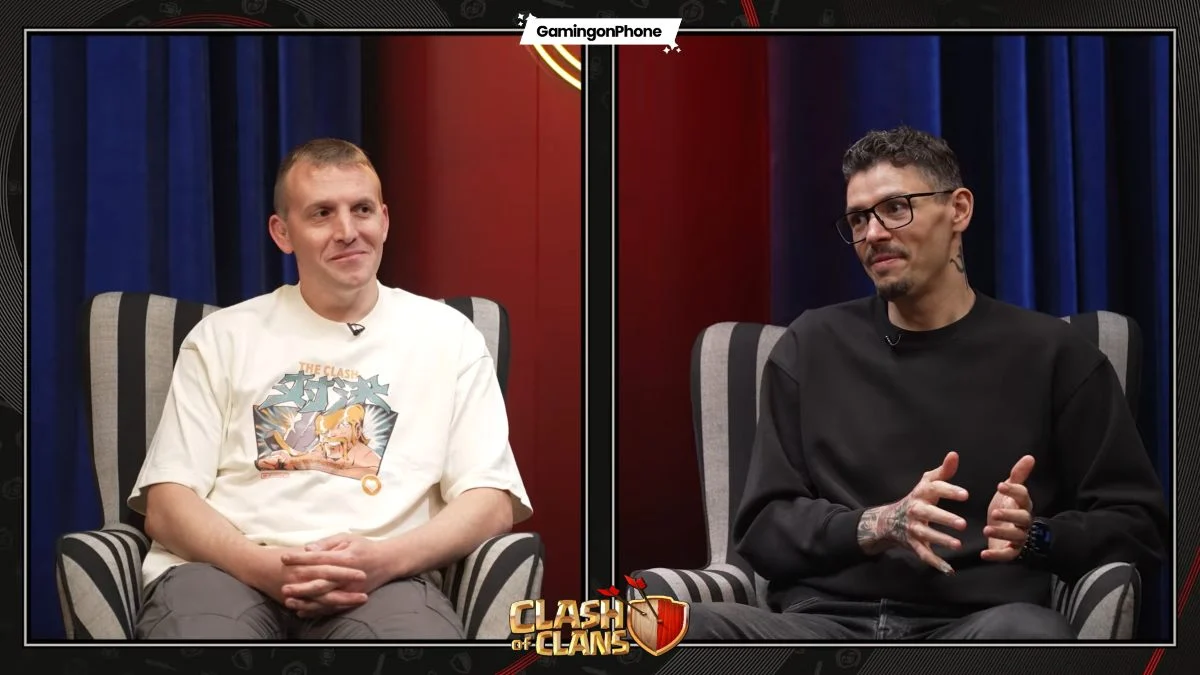
Ferri’s revelations, shared during Episode 2 of the "Judo Sloth Talks 2026" interview series, underscored Supercell’s commitment to continuous innovation and responsiveness to its vast global community. The discussions touched upon crucial aspects ranging from competitive play to base management, signalling a holistic approach to the game’s future trajectory. The overarching goal appears to be fostering a more diverse and engaging strategic environment, ensuring Clash of Clans remains fresh and captivating for its millions of players worldwide.
Chronology
The journey of Clash of Clans has been marked by a consistent cadence of updates, each introducing new Town Hall levels, troops, spells, and defensive structures that incrementally push the boundaries of strategic gameplay. The current discussions around Town Hall 19 and associated changes are the latest in a long line of developmental phases, reflecting an ongoing commitment to evolve the game rather than letting it stagnate.
Supercell’s approach to major updates typically involves a multi-stage process: initial teases by community managers or content creators, followed by sneak peeks, and finally, a full release. This recent interview with Fernando Ferri serves as the earliest stage of this cycle, setting expectations for what’s to come later in the year. The mention of "Town Hall 19 goes live in Clash of Clans this year" positions this as a significant event within the game’s annual update calendar, likely following a similar pattern to previous Town Hall releases which often occur in the latter half of the year.
The introduction of the Ranked Mode, while achieving its primary objective of separating competitive and casual play, has, according to Ferri, inadvertently created a new set of challenges. The community’s concerns about the mandatory nature of Ranked Mode due to its exclusive ore rewards have been building over time. Ferri’s acknowledgment of these concerns and the confirmation that "changes are in development" indicate a reactive and adaptive development cycle, where player feedback directly influences future design decisions. This isn’t the first time Supercell has iterated on core game mechanics; the Builder Base, for example, underwent significant reworks to improve its reception and playability after initial feedback.
The Elephant Rider troop’s journey is also notable chronologically. Originating from a "Supercell Make campaign," a community-driven design initiative, its confirmation for release "later this year after delays" highlights the complexities of integrating player-conceived ideas into a live game. The delay itself speaks to the meticulous balancing and technical integration required to ensure new content enhances the game without disrupting its delicate ecosystem. This demonstrates a phased development, where even successful community concepts require extensive internal refinement.
Furthermore, the continuous "targeted quality-of-life improvements" for Builder Base and Clan Capital, rather than waiting for Home Village "perfection," signifies a parallel development approach. This strategy ensures that all facets of the game receive attention and iterative improvements, preventing any single mode from feeling neglected while larger updates are in the pipeline for the main village. This mirrors Supercell’s past efforts to maintain engagement across different game components, acknowledging that a diverse player base enjoys different aspects of Clash of Clans.

Supporting Data
The interview provided concrete data points that underscore the scale and engagement of Clash of Clans‘ player base, particularly within the competitive sphere. Ferri revealed that players have collectively completed over 4.55 billion Ranked battles since the mode’s inception. This staggering figure illustrates the immense player engagement with competitive play, showcasing both the mode’s popularity and the potential for burnout or pressure when rewards are perceived as mandatory.
The core issue identified by Ferri regarding Ranked Mode is the direct tie between competitive progression and the acquisition of "valuable ore rewards." Ore is a critical resource for upgrading Hero Equipment, a relatively recent addition that has profoundly impacted troop effectiveness and attack strategies. The necessity of ore for maintaining competitive viability effectively forces players into Ranked battles, even if they prefer a more casual experience. This creates a psychological burden, transforming what should be an optional challenge into a perceived chore for many. The 4.55 billion battles, while impressive, likely include a significant portion of players who felt compelled to participate for resources rather than pure enjoyment, validating Supercell’s decision to re-evaluate the system.
The "older troops will become interesting again" promise for Town Hall 19 is supported by the historical evolution of the game’s meta. With each new Town Hall level, Supercell introduces new troops, spells, hero equipment, and defensive levels. While this injects novelty, it often leads to power creep, where newer, stronger units or combinations overshadow older, less effective ones. Troops like the Golem, Witch (prior to certain buffs), or even basic Barbarians and Archers at higher Town Hall levels, often become niche or entirely unviable in competitive play, despite being foundational units. The game’s current meta often revolves around a select few powerful army compositions, leading to a lack of strategic diversity and a feeling of staleness for veteran players. The "Supercell Make campaign" for the Elephant Rider troop is further evidence of Supercell’s strategy to leverage community creativity and introduce fresh, albeit temporary, elements to diversify gameplay and provide unique strategic options. These campaigns allow players to submit designs, fostering a sense of ownership and direct contribution to the game’s evolving content.
Official Responses
Fernando Ferri’s statements during the "Judo Sloth Talks 2026" interview serve as the primary official responses from Supercell regarding these upcoming changes. As a Community Manager, Ferri acts as a crucial liaison between the development team and the player base, making his insights particularly significant.
Regarding the Ranked Mode, Ferri’s acknowledgment was direct and empathetic: "He confirmed that the team recognizes this issue and is already working on ways to make Battle Mode better while reducing the feeling that Ranked is mandatory." This is a crucial admission, demonstrating Supercell’s awareness of player sentiment and its commitment to rectifying perceived flaws. His statement validates the community’s frustration, assuring players that their feedback has been heard and is actively being addressed. The developers are not merely observing but are "already working" on solutions, indicating that these changes are past the conceptual stage and are in active development. The intention is clear: to maintain the integrity of competitive play while ensuring that resource acquisition does not inadvertently coerce players into a mode they may not enjoy.
On the topic of Town Hall 19 and troop revitalization, Ferri’s hint that "the next major update could make older troops relevant again" is a strategic tease designed to generate excitement without revealing specifics. This indirect confirmation allows the development team flexibility while signaling a significant shift in design philosophy. It suggests a departure from merely adding new, more powerful units, towards a more balanced ecosystem where existing content receives renewed attention.
Ferri also confirmed the long-awaited arrival of the Elephant Rider, stating it "is finally ready and will arrive later this year after delays." This direct confirmation is important for players who participated in or followed the Supercell Make campaign, as it resolves uncertainty about the troop’s fate. The transparency about "delays" is also characteristic of Supercell’s communication, acknowledging development hurdles without over-promising.
Furthermore, Ferri’s comments on Builder Base and Clan Capital highlight a pragmatic development philosophy: "Supercell plans to continue delivering targeted quality-of-life improvements… instead of waiting until Home Village reaches a ‘perfect’ state." This reinforces the idea of continuous, iterative development across all game modes, ensuring that smaller but impactful improvements are delivered regularly, rather than being bundled solely with major Home Village updates.

Finally, the discussion around frequently requested quality-of-life features, such as "merging the Pet House with the Laboratory by introducing a second researcher," "Clan name changes," and "easier account switching while under attack," demonstrates Supercell’s internal discussions are directly influenced by long-standing community desires. While Ferri noted these are "under discussion" and "none have been officially scheduled yet," the fact that they are being considered at a high level indicates a proactive approach to enhancing player convenience and reducing friction points within the game.
Implications
The forthcoming updates teased by Fernando Ferri carry significant implications for the future of Clash of Clans, impacting gameplay, player engagement, the in-game economy, and the game’s overall longevity.
The most profound implication stems from the promise that Town Hall 19 will make "older troops interesting again." For years, the Clash of Clans meta has often been dominated by a relatively small set of powerful strategies, particularly at higher Town Hall levels. Newer troops and hero equipment, while exciting, often marginalize older, foundational units due to power creep. Should Supercell succeed in revitalizing these troops, it could lead to an unprecedented diversification of attack strategies. This might manifest through:
- Level Increases and New Abilities: Older troops could receive additional levels at TH19, coupled with new abilities or statistical buffs that make them viable against the increased defensive capabilities.
- Hero Equipment Synergy: New Hero Equipment could be introduced that specifically buffs certain older troop types, encouraging players to experiment with previously neglected compositions. For example, an Archer Queen ability that significantly boosts the damage or health of Barbarians or Archers.
- Defensive Rebalancing: Defensive changes at TH19 might inadvertently create vulnerabilities that older troops are uniquely suited to exploit, shifting the strategic landscape.
- Spell Interactions: New spells or reworks of existing ones could create powerful synergies with older troop combinations.
Such a shift would breathe new life into the game, rewarding strategic creativity over rote memorization of a few dominant attack strategies. It would encourage players to revisit and master a wider array of units, deepening the tactical experience and potentially extending the lifespan of the game for veteran players who crave novelty.
The impending changes to Ranked Mode also hold substantial implications. By reducing the feeling that Ranked is mandatory for ore rewards, Supercell aims to alleviate player stress and burnout. This could lead to:
- More Genuine Competition: Players engaging in Ranked Mode would do so primarily for the challenge and glory, rather than resource acquisition, leading to a healthier competitive environment.
- Increased Engagement in Casual Play: If ore is distributed more broadly or through alternative Battle Mode improvements, casual players might find more enjoyment in the game without feeling pressured. This could involve new daily challenges, event modes, or even a revamp of the standard multiplayer battles to offer more meaningful rewards.
- Improved Player Retention: Reducing the "grind" aspect associated with competitive rewards could prevent players from quitting due to frustration, thereby bolstering the game’s long-term player base. The 4.55 billion battles statistic, while impressive, likely masked a significant portion of forced engagement; a less pressured environment could convert this into more enjoyable, voluntary play.
The confirmation of the Elephant Rider, while a temporary troop, implies Supercell’s continued commitment to seasonal content and community-driven initiatives. Temporary troops offer a low-risk way to inject fresh mechanics and strategic puzzles into the game without permanently altering the meta. They keep events exciting and provide unique challenges for players to overcome.
The proposed quality-of-life improvements, especially the potential "second researcher" by merging the Pet House with the Laboratory, could dramatically accelerate player progression. Currently, the Laboratory is often a major bottleneck, as troop and spell upgrades take significant time, especially at higher Town Hall levels. A second researcher would effectively halve the research time for many players, allowing them to max out their offensive capabilities much faster. This has several implications:
- Faster Progression: Players will reach maxed Town Hall levels quicker, potentially keeping them engaged rather than feeling stuck in a prolonged upgrade cycle.
- Impact on Game Economy: Faster upgrades mean players will consume resources (Elixir and Dark Elixir) at an accelerated rate, potentially increasing the demand for loot and encouraging more active farming.
- Accessibility for New Players: Newer players might find the daunting progression path slightly less intimidating, making the game more welcoming.
Other QoL features like Clan name changes and easier account switching, while seemingly minor, address long-standing frustrations within the community. Clan name changes, for instance, have been requested for years, facing technical hurdles related to unique identifiers. Their potential implementation indicates a deeper backend overhaul. Easier account switching caters to multi-account players, a significant segment of the Clash of Clans community, streamlining their gameplay experience.
In conclusion, Supercell’s outlined plans paint a picture of a game that is not content to rest on its laurels. The strategic revitalization of older troops, the empathetic overhaul of the Ranked Mode, and the persistent drive for quality-of-life enhancements collectively signal a robust future for Clash of Clans. These changes are poised to foster a more diverse, engaging, and less stressful gameplay experience, ensuring the beloved title continues to thrive and evolve for years to come in the competitive mobile gaming landscape.