

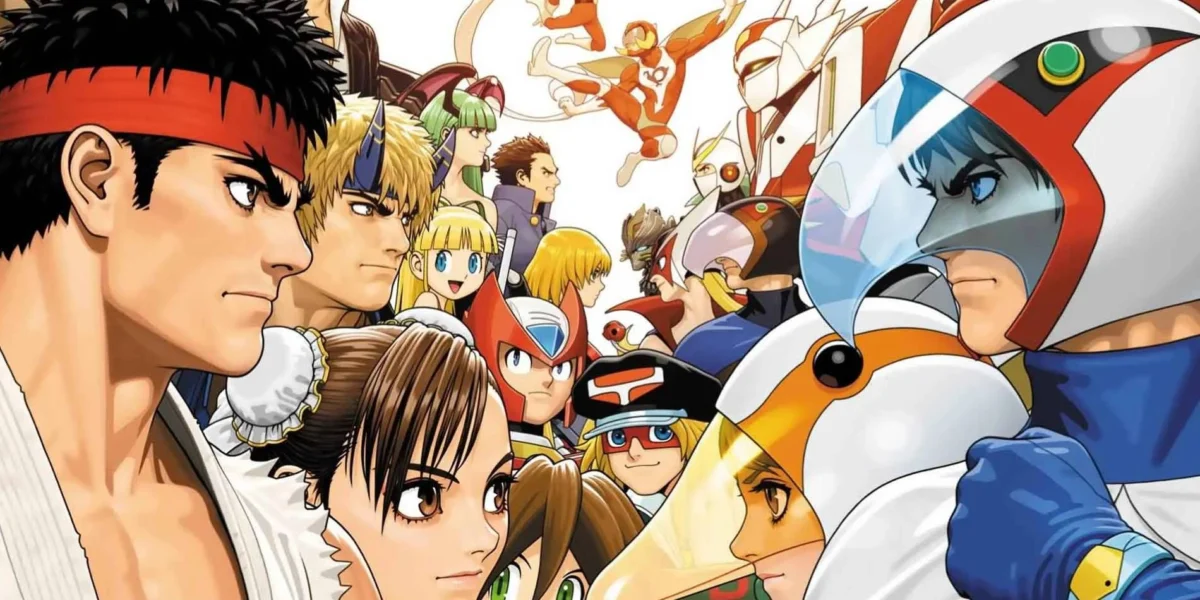
In the fast-paced landscape of modern gaming, few companies have demonstrated the consistent, high-octane excellence that Capcom has maintained over the last half-decade. From the survival-horror masterclasses of the Resident Evil remakes to the global phenomenon that is Monster Hunter, the Japanese powerhouse has effectively monopolized the conversation regarding quality control and technical proficiency. However, even with these titans dominating the charts, a segment of the gaming community has felt a growing sense of abandonment regarding the studio’s deeper catalog of legacy intellectual properties.
That atmosphere of uncertainty is finally beginning to shift. In a recent investor presentation, Capcom signaled a strategic pivot that promises to breathe new life into its vault of dormant or underutilized franchises. By committing to a multifaceted approach involving "sequel remakes, ports, and more," the company is laying the groundwork for a broader, more inclusive future that honors its storied history while leveraging contemporary technological capabilities.
The Pillars of Success: Where We Stand
For years, Capcom’s output has been defined by a "three-pillar" strategy: Resident Evil, Monster Hunter, and Street Fighter. While this hyper-focused approach yielded record-breaking financial success and high critical acclaim, it inevitably led to the stagnation of other beloved brands. Titles like Devil May Cry, Dead Rising, Dragon’s Dogma, and Ace Attorney—all critical to the company’s identity in the 2000s and 2010s—had been relegated to sporadic remasters or long periods of dormancy.
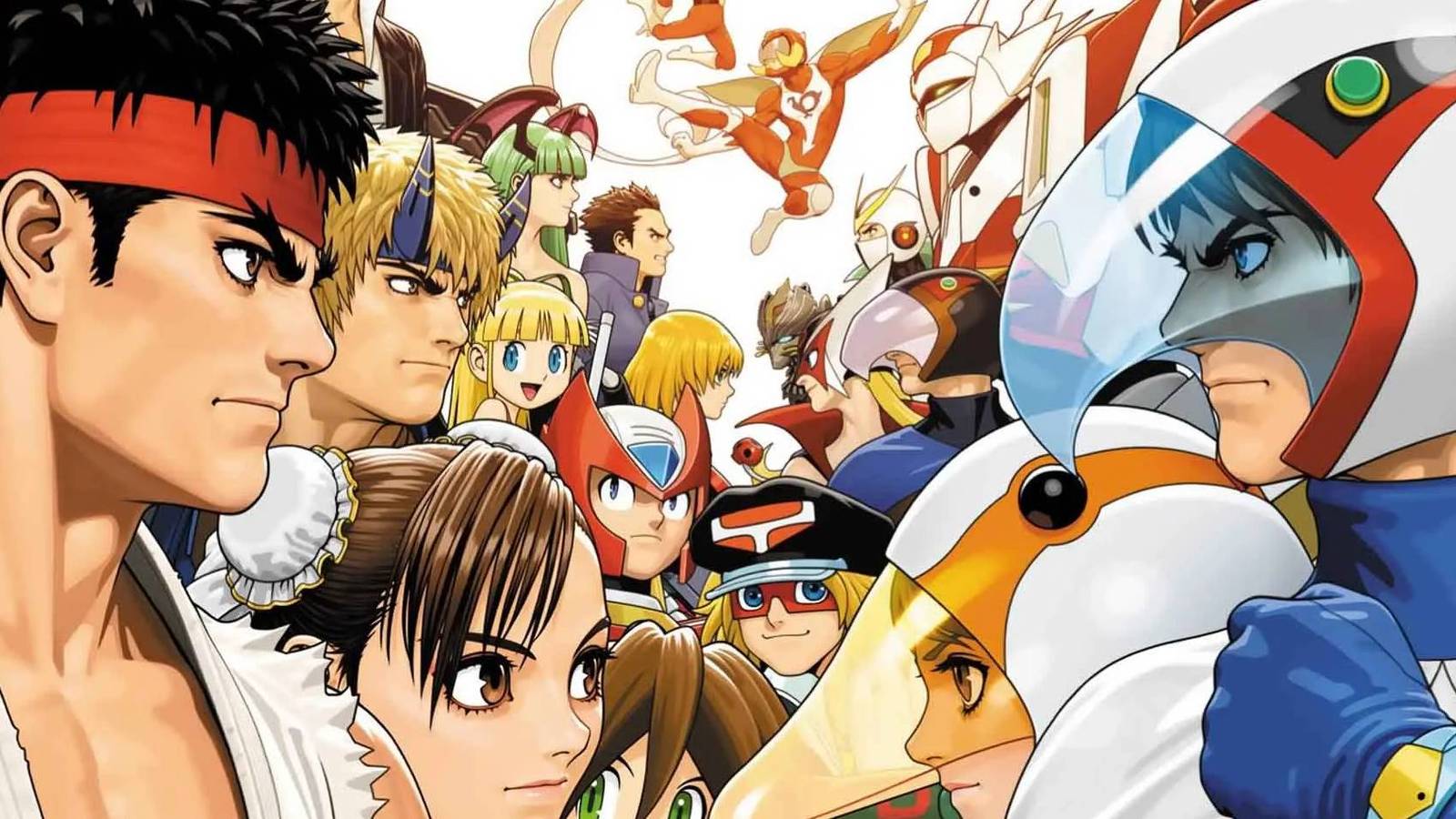
The recent investor briefing, which surfaced via industry discourse on platforms like Reddit, has provided the first official confirmation that Capcom is cognizant of this imbalance. The company has explicitly stated its intention to dedicate increased resources toward its "legacy brands." For the millions of fans who have waited years for a new entry in their favorite cult-classic series, this is more than just a corporate update; it is a declaration of intent.
A Chronology of the Capcom Revival
To understand the significance of this shift, one must look at the trajectory of the company’s recent output.
- 2017–2020: The Foundation: The release of Resident Evil 7: Biohazard and the critically lauded Resident Evil 2 Remake signaled a total overhaul of the company’s engine technology (RE Engine) and a return to form.
- 2021–2023: Scaling Up: With the massive success of Monster Hunter Rise and the consistent performance of the Street Fighter series, Capcom found itself in a position of unprecedented financial stability. During this time, however, legacy fans began to voice frustration as projects like Dragon’s Dogma remained in development hell for over a decade.
- 2024–2025: The Bridge: The release of the Dead Rising Deluxe Remaster and the successful launch of Dragon’s Dogma 2 served as a proof-of-concept. These titles demonstrated that there was still a massive, hungry market for mid-to-high-tier legacy titles.
- 2026 and Beyond: The Expansion: The current year marks the beginning of the "Portfolio Expansion" phase. By focusing on sequels, remakes, and modern ports, Capcom is attempting to diversify its release schedule to ensure that it isn’t relying solely on its top three juggernauts.
Supporting Data: Why the Shift Makes Sense
The decision to pivot toward legacy IPs is not merely a gesture of goodwill toward fans—it is a calculated business maneuver. Data from 2026 indicates that while Monster Hunter continues to lead in total revenue, the "long-tail" sales of titles like Devil May Cry 5 have remained surprisingly robust.

Market analysis suggests that consumer fatigue is setting in for annualized franchise models. Players are increasingly turning toward established, high-quality, single-player experiences that offer a distinct "Capcom feel." By porting older titles to modern platforms (such as the rumored Switch 2 iterations of DMC5) and investing in full-scale remakes, the company is mitigating the risk associated with developing entirely new, unproven IPs.
Furthermore, the expansion of the Ace Attorney series—a franchise that has historically maintained a dedicated, loyal, and vocal fanbase—highlights that Capcom is looking to capitalize on "niche" but highly profitable segments of the market. When these smaller titles are given the same level of polish as a Resident Evil title, they provide a stable revenue stream that buffers the company against the development cycles of massive, AAA blockbusters.
Official Responses and Strategic Vision
While Capcom’s leadership remains tight-lipped regarding specific project titles, the language used in their investor presentations is telling. The company emphasized a strategy of "brand awareness," which includes potential licensing deals, media adaptations, and—most importantly—the revitalization of arcade and console software.
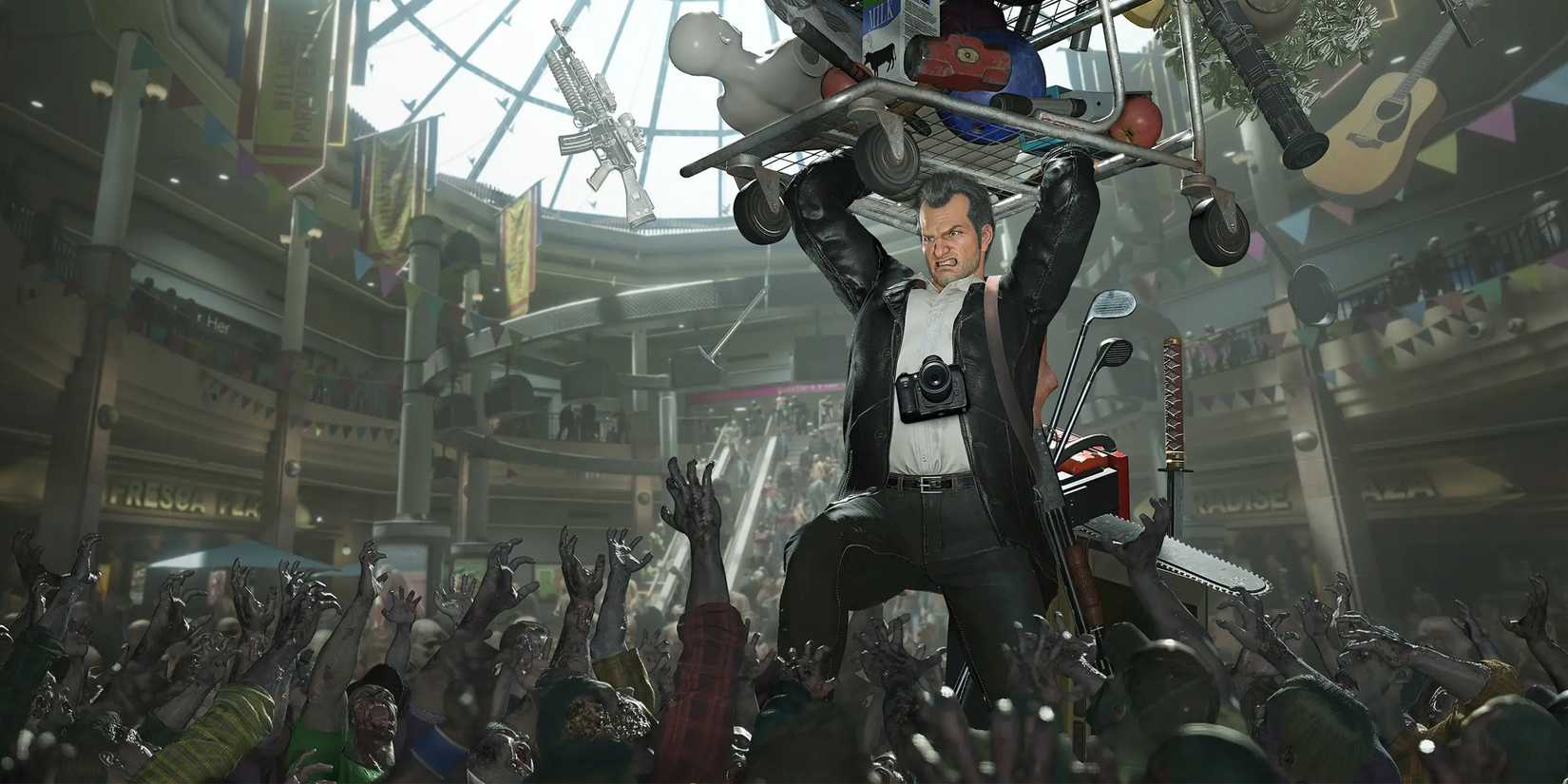
In previous interviews, executives hinted that the studio was looking for ways to utilize its vast library without diluting the quality of its flagship franchises. The recent commitment to "sequel remakes" suggests that the company is interested in revisiting original concepts with modern gameplay loops. For example, a potential Dead Rising sequel would likely lean into the physics-based chaos that made the original unique, while integrating the fluid controls and environmental interaction developed for the Resident Evil remakes.
This strategy is also designed to act as a funnel. By porting a classic Onimusha or Mega Man title to modern consoles, Capcom effectively "tests the water," gathering data on consumer interest before committing the tens of millions of dollars required for a full-scale modern reboot.
The Implications: What This Means for the Future
The implications of this shift are profound for the gaming industry at large.

- The "Quality Over Quantity" Paradox: Capcom has successfully avoided the trap of oversaturating the market. By carefully selecting which legacy IPs to revive, they maintain a high standard of quality that has become their hallmark.
- Technological Leveraging: The RE Engine has become one of the most versatile tools in the industry. The ability to easily scale this engine across different platforms—from handhelds like the Switch 2 to high-end PCs—allows Capcom to revive old games with minimal friction.
- Community Engagement: By listening to the feedback loop—evidenced by the response to leaks and rumors—Capcom is fostering a symbiotic relationship with its players. They are no longer dictating what the fans should play, but rather responding to the clear, decade-long demand for specific sequels.
The Road Ahead
As we look toward the remainder of 2026 and into 2027, the gaming community should prepare for a series of announcements that could see the return of characters and worlds that have been absent for far too long. Whether it is the seventh mainline entry in the Ace Attorney series, a new, high-fidelity Devil May Cry installment, or an unexpected return to the world of Onimusha, the outlook for Capcom fans is brighter than it has been in years.
While it is unlikely that the company will abandon its current "Big Three" to focus exclusively on the past, the inclusion of these older brands into the active development pipeline ensures that Capcom will continue to be a dominant force in the industry. For the player, this means a wider variety of experiences, the preservation of gaming history, and the simple, nostalgic thrill of seeing a dormant icon return to the screen, polished and ready for a new generation.
In an era where many publishers are chasing trends or focusing on live-service models, Capcom’s dedication to its own legacy serves as a reminder that a company’s history is its greatest asset. By mining its past, Capcom is securing its future.











No comments yet. Be the first to join the conversation!