

By Alfredo Federico Robelo | May 29, 2026
The global phenomenon of J.K. Rowling’s Harry Potter series did more than just sell books; it fundamentally altered the economic landscape of Hollywood. When Chris Columbus’s Harry Potter and the Sorcerer’s Stone hit theaters in 2001, it proved that a multi-film saga anchored by young protagonists and a sprawling, immersive magical world could generate billions in revenue.

However, the success of the Wizarding World was a perfect storm of timing, cultural zeitgeist, and an unprecedented literary fan base. In the years that followed, major studios—desperate to replicate this "lightning in a bottle"—poured billions into various young-adult (YA) and middle-grade fantasy adaptations. Many of these projects possessed strong source material and A-list talent, yet they often collapsed under the weight of their own ambition.
The Anatomy of the "Potter-Clone" Strategy
In the mid-2000s and early 2010s, "YA Fantasy" became a buzzword in executive suites. The formula was rigid: find a best-selling book series with a teenage protagonist, introduce a "hidden" world operating in tandem with our own, establish a destiny-driven plot, and bank on the hope that a single film would spawn a decade-long cinematic universe.
While some franchises, such as The Hunger Games, managed to carve out distinct identities, many others were cannibalized by their desire to mimic the Harry Potter aesthetic. This led to a series of creative misfires where the "magic" felt manufactured rather than organic.

Chronology of Failed Ambitions: A Look at the Graveyard
The graveyard of failed franchises is populated by ambitious projects that, in retrospect, serve as a cautionary tale for studio executives.
The Mid-2000s Wave
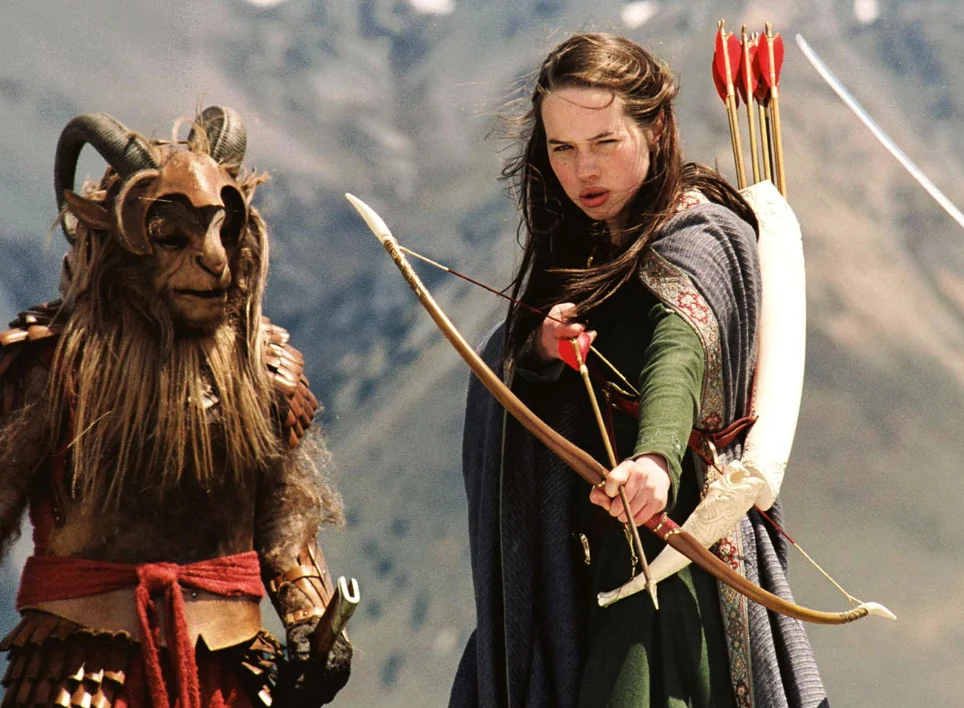
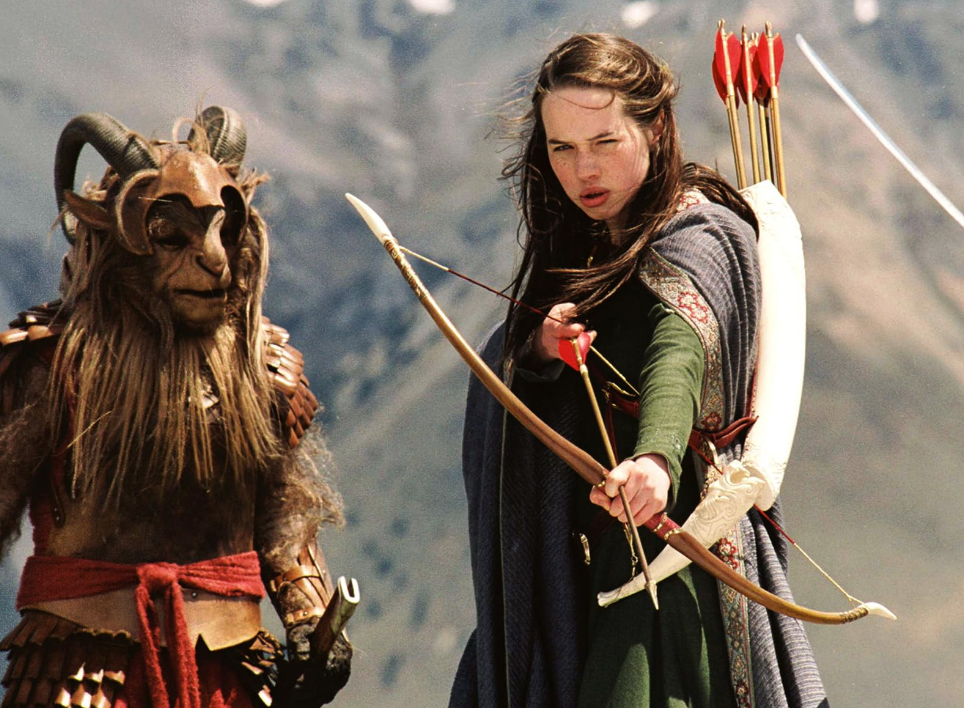
- The Chronicles of Narnia: The Lion, the Witch and the Wardrobe (2005): Disney and Walden Media entered the fray with high hopes. While the first film was a massive success, the franchise struggled to maintain its footing as it shifted into darker, more complex sequels, eventually stalling out.
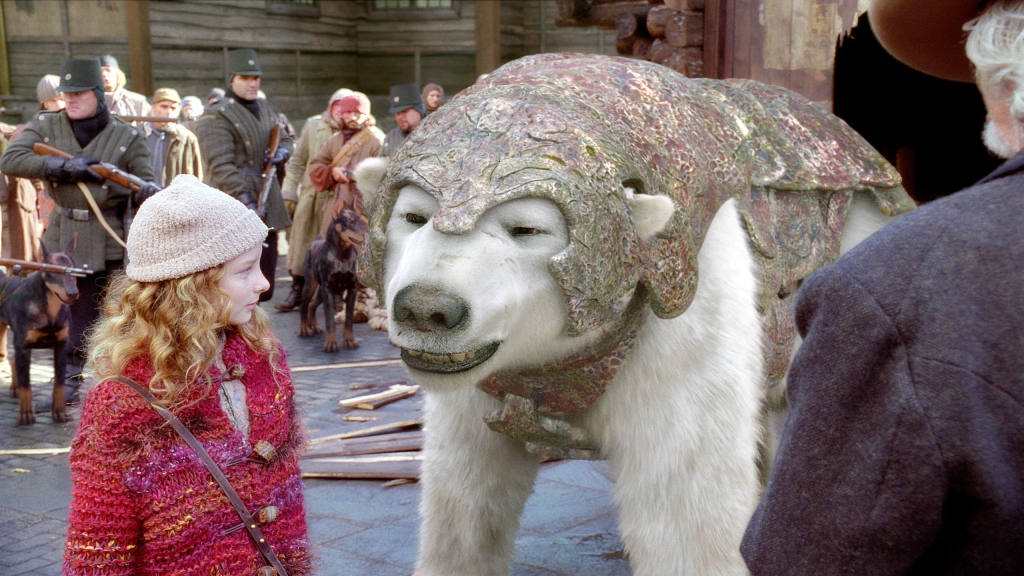
- The Golden Compass (2007): New Line Cinema envisioned a trilogy that would rival the scale of The Lord of the Rings and Harry Potter. Despite a star-studded cast, the film failed to connect with the audience’s expectations of the source material, and the planned sequels were scrapped indefinitely.
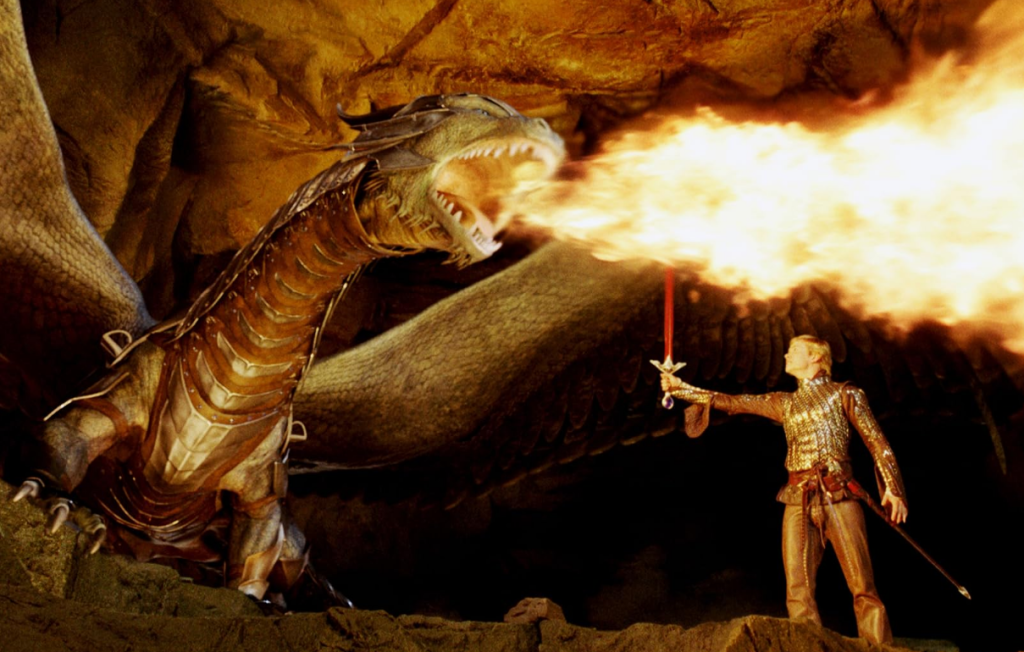
- Eragon (2006): With its heavy reliance on dragon lore and "chosen one" tropes, Eragon was marketed as the next great epic. However, scathing reviews and poor fan reception ensured that Christopher Paolini’s beloved world never saw a second cinematic chapter.
The Late 2000s and 2010s
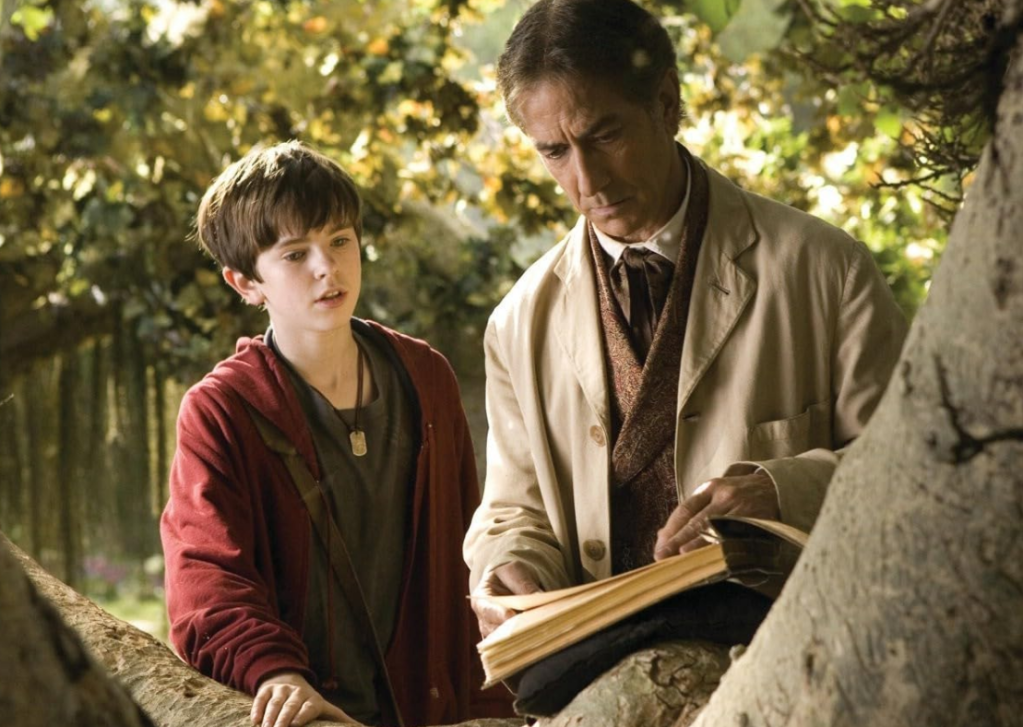
- The Spiderwick Chronicles (2008): This adaptation managed to capture a sense of wonder, but it remained a standalone entity. It lacked the expansive, interconnected narrative structure required to sustain a ten-year franchise.
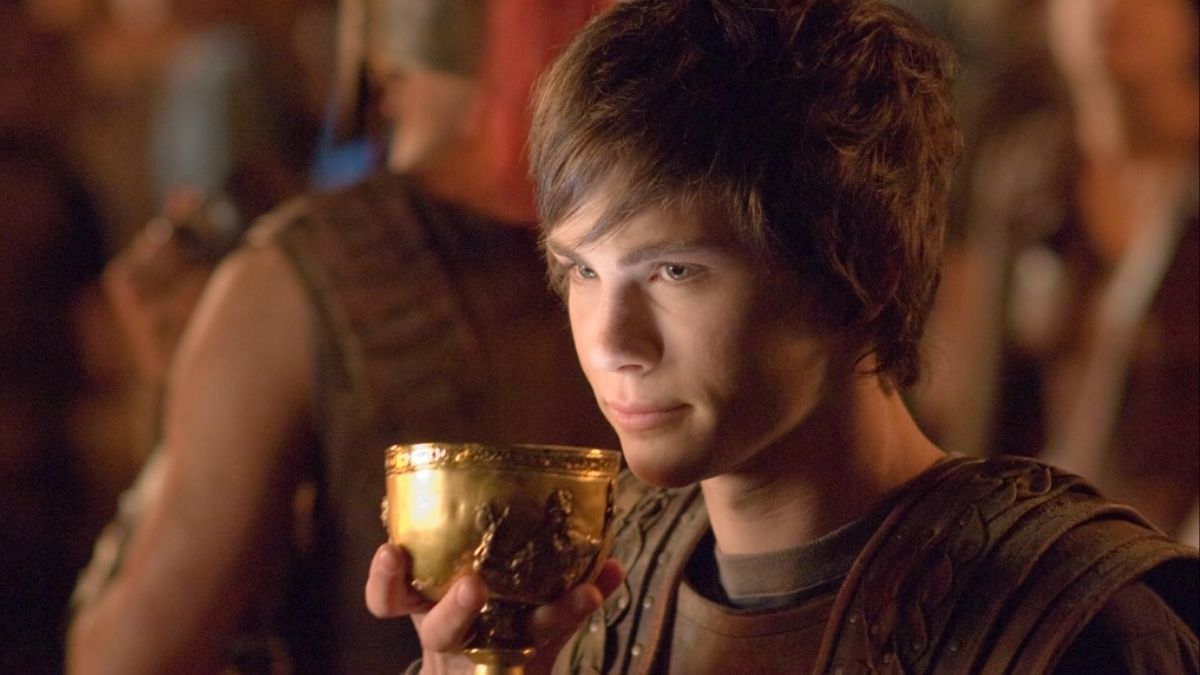
- Percy Jackson & the Olympians: The Lightning Thief (2010): Fox attempted to merge Greek mythology with contemporary teen angst. The film series, however, was plagued by tonal shifts that alienated the core fan base of Rick Riordan’s books. (The property has since found a more successful second life on Disney+).
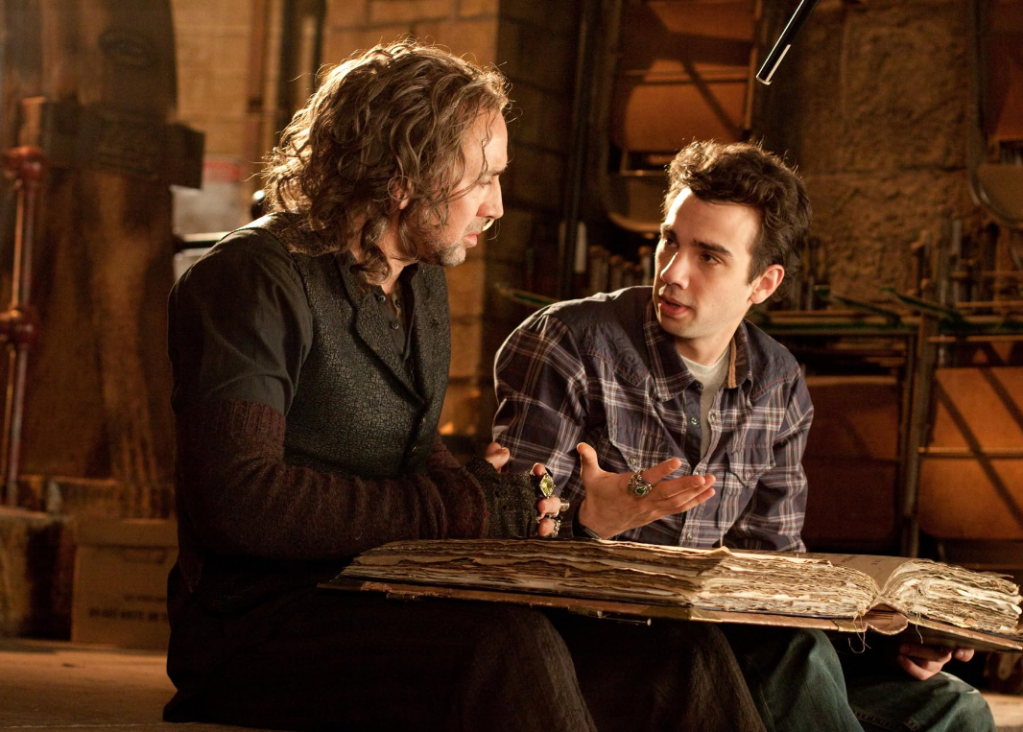
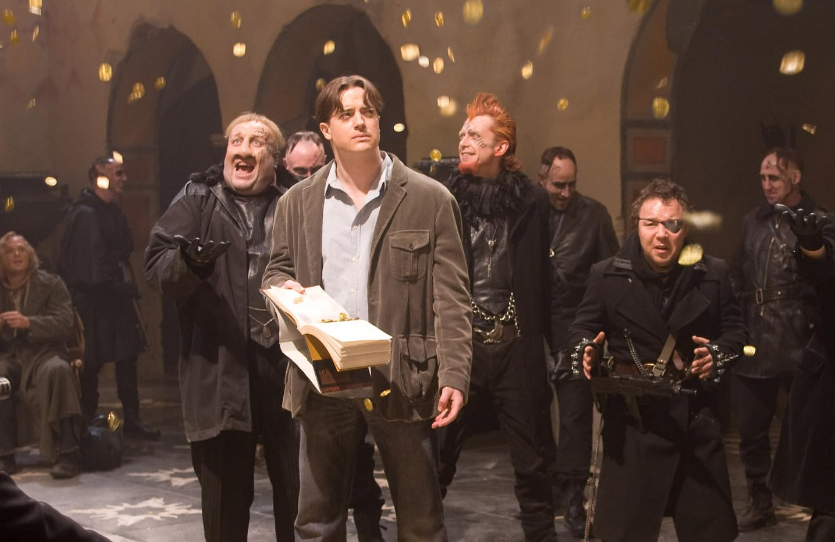
- The Sorcerer’s Apprentice (2010): A direct attempt by Disney to channel the "magic school" vibe, this film leaned heavily on CGI spectacles. It failed to capture the heart that made audiences return to Hogwarts for eight films.
- The Mortal Instruments: City of Bones (2013): As the YA market grew saturated, this film attempted to blend urban fantasy with supernatural romance. It failed to launch the intended cinematic series, proving that the market was becoming increasingly fatigued by "chosen one" narratives.
The Final Pushes
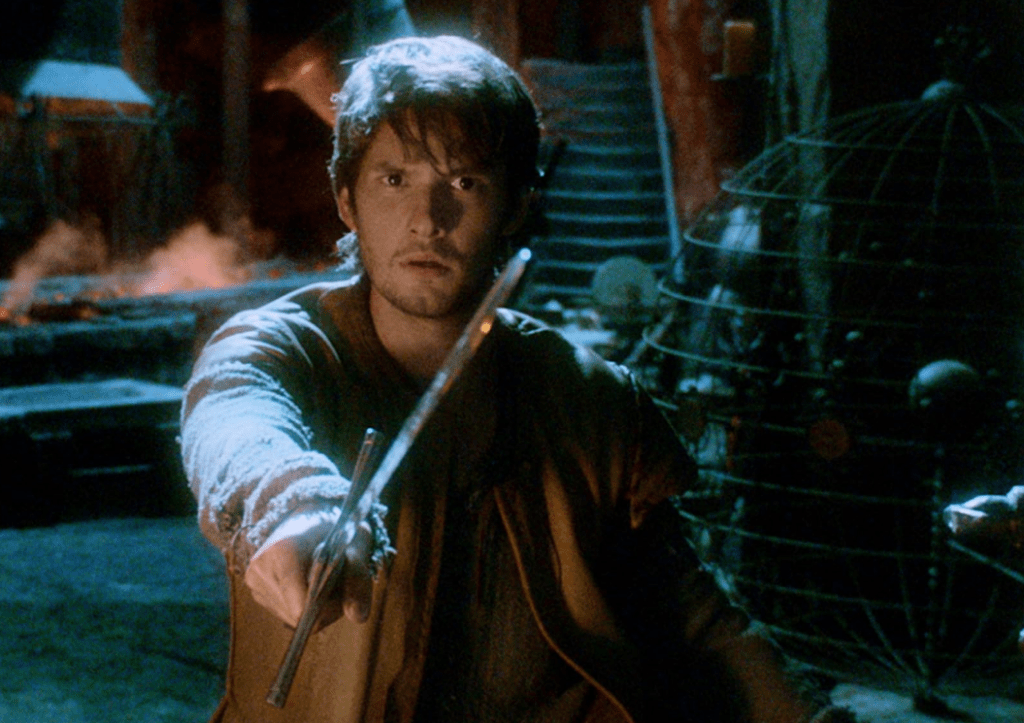
- Seventh Son (2014) & Beautiful Creatures (2013): Both films were victims of market oversaturation. Despite high-concept premises, they failed to distinguish themselves from the sea of competitors, ultimately becoming expensive footnotes in fantasy film history.
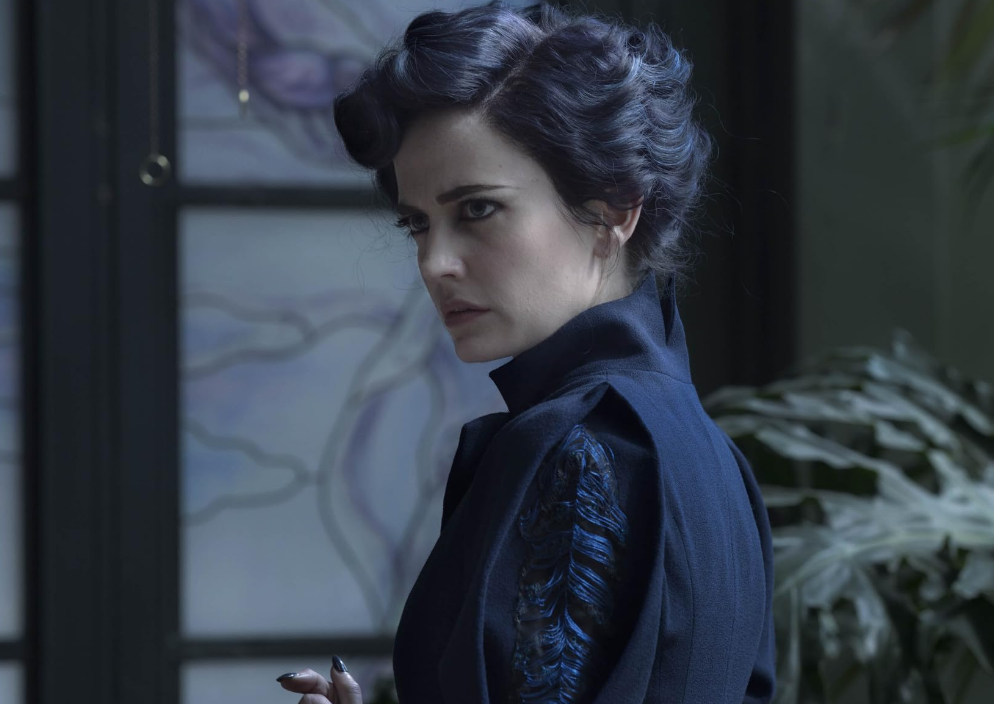
- Miss Peregrine’s Home for Peculiar Children (2016): Even with Tim Burton’s unique visual style, the film could not spark the necessary fervor to justify a sprawling franchise.
- Artemis Fowl (2020): Perhaps the most infamous of the group, this long-gestating project was hit by the pandemic and, more crucially, by a critical reception that signaled a complete lack of interest in further sequels.
- The School for Good and Evil (2022): Netflix’s entry into the genre showed that even streaming giants were not immune to the urge to build a "magical academy" franchise, though it struggled to match the cultural footprint of its predecessors.
Supporting Data: Why Did They Fail?
The failure of these franchises was rarely due to a lack of money. Production budgets for these films routinely exceeded $100 million, with marketing spends often matching that amount. The disconnect lies in three key areas:
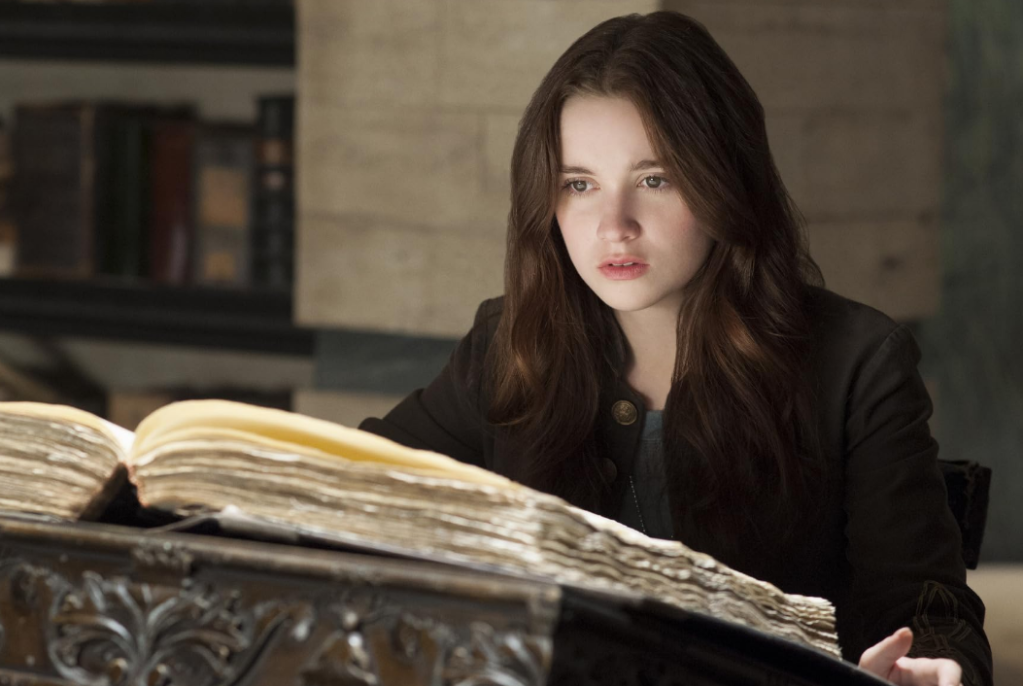
- Creative Homogenization: By forcing stories into the "Potter-mold," studios stripped away the unique qualities of the original books. Authors often complained that the film versions prioritized world-building tropes over character development.
- The "Adaptation Trap": Many of these films tried to condense hundreds of pages of intricate lore into a two-hour runtime. This often led to pacing issues that confused audiences unfamiliar with the source material.
- Audience Fatigue: By 2015, the market was flooded with dystopian and supernatural YA adaptations. Audiences stopped viewing these films as "events" and began seeing them as interchangeable products.
Official Responses and Industry Perspectives
In interviews over the last two decades, directors and producers have often pointed to the "impossible standard" set by the Harry Potter series. Producer David Heyman, who helmed the Potter films, noted in 2018: "You cannot replicate a phenomenon. You can only create a story that is honest to its source and hope the audience finds a connection to it."
Conversely, critics have argued that the studios were too focused on the end goal—the franchise—rather than the beginning—a compelling film. "They were selling sequels before they had even sold the characters," says media analyst Sarah Jenkins. "They forgot that Harry Potter earned its sequels through audience demand, not through a pre-planned corporate mandate."
The Implications: A Shift in Fantasy Storytelling
The failure of these 15 films has led to a significant shift in how fantasy is handled in Hollywood today. The "Franchise-First" model is increasingly being replaced by the "Platform-First" model.
Instead of dumping $150 million into a risky feature film, studios are now opting for serialized television adaptations. Percy Jackson on Disney+, The Witcher on Netflix, and the massive investment in Amazon’s Lord of the Rings: The Rings of Power demonstrate that fantasy works better when given the "breathing room" of a television season.
The era of the "Next Harry Potter" film is effectively over. Audiences have moved on to more nuanced, character-driven storytelling, and studios have learned that you cannot manufacture magic in a boardroom. The legacy of these failed films is not necessarily one of total loss, but rather a harsh lesson in the difference between a successful product and a true cultural milestone.
As we look toward the future, the industry appears to be moving away from the assembly-line production of YA fantasy. The lesson learned is clear: the next Harry Potter won’t be found by looking for a copy—it will be found by finding something entirely new.











No comments yet. Be the first to join the conversation!