Muslim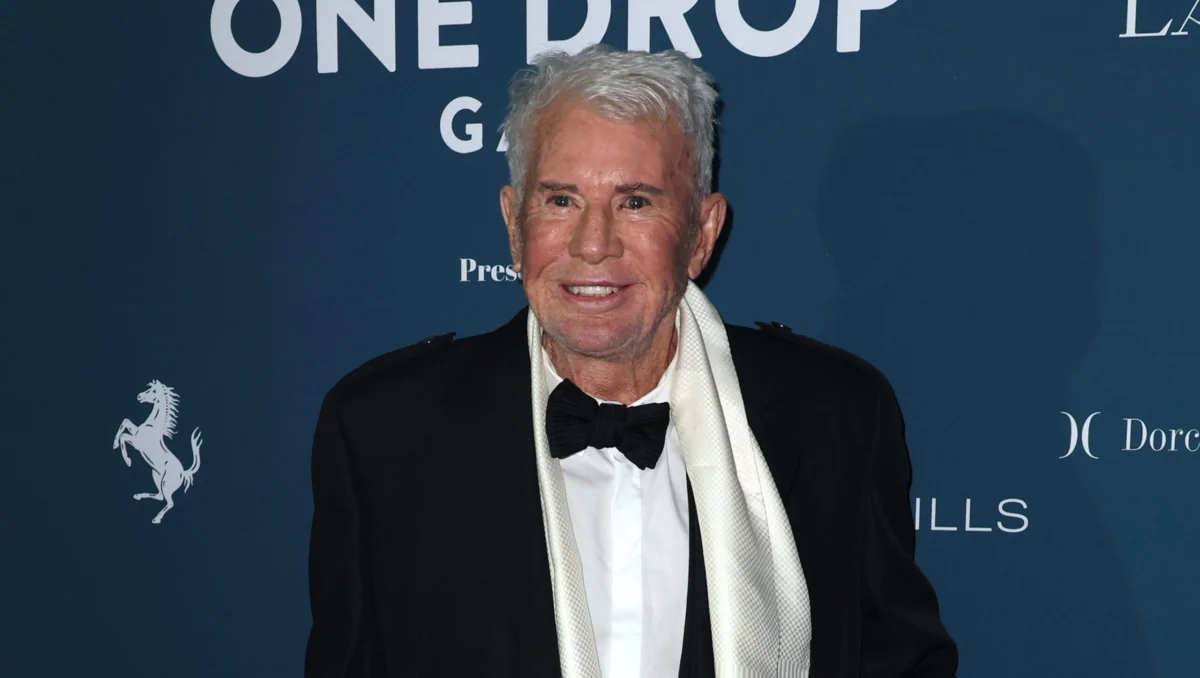
The entertainment industry is mourning the loss of a foundational figure in broadcast history. Gary L. Pudney, the esteemed television executive whose career spanned over two decades at the helm of ABC’s most ambitious projects, has passed away at the age of 91. According to family members, Pudney died peacefully on Monday, surrounded by his loved ones.
Pudney was more than a mere executive; he was a master architect of the "event television" format, a genre that defined the cultural landscape of the late 20th century. During his tenure as senior vice president of specials, talent, and special projects at ABC, he helped shape how millions of viewers experienced the world’s most significant ceremonies, awards shows, and cultural milestones.
The Chronology of a Storied Career
Gary L. Pudney’s ascent within the hierarchical structures of mid-century network television was marked by an uncanny ability to balance creative vision with logistical precision. Joining ABC during a period of intense growth and competition, Pudney quickly distinguished himself as an executive who could handle the high-stakes environment of live television.
The ABC Years: Redefining Live Spectacle
Throughout his two-decade tenure at ABC, Pudney’s portfolio became synonymous with the network’s prestige. He was the driving force behind the production and supervision of the industry’s most coveted broadcasts. Under his watchful eye, the network became the home of the Academy Awards, the American Music Awards, and the Emmy Awards. His remit extended far beyond the standard awards circuit, however.
In the 1970s and 80s, Pudney oversaw the International Special Olympics Opening Ceremonies, an undertaking that required unparalleled coordination and sensitivity. He was also the mastermind behind ABC’s 50th Anniversary celebration at the legendary Radio City Music Hall, a sprawling, multi-act production that served as a tribute to the medium of television itself.
The Independent Era: The Gary L. Pudney Company
In 1988, having solidified his reputation as an industry titan, Pudney pivoted to independence. He founded the Gary L. Pudney Company, an organization designed to serve as an extension of his work as a producer and executive producer for global live events and television. This transition allowed him to cultivate a more diverse slate of programming, applying the same rigor and standard of excellence he had established at the network level to independent productions and international ventures.
A Legacy of Excellence: Supporting Data and Key Productions
Pudney’s impact on television history can be measured not just by the frequency of his appearances on screen, but by the critical reception of his work. His portfolio is a testament to the versatility of his craft, spanning variety specials, historical retrospectives, and prestige dramatic works.
A Master of Variety and Cultural Milestones
Pudney’s influence on the "special" format was profound. He was the executive behind Julie Andrews’ Sound of Christmas, a perennial favorite that helped define the aesthetic of holiday programming. His international reach was evidenced by his work on the "Royal Gala," a high-profile tribute honoring HRH Prince Charles and Princess Diana, which showcased his ability to navigate the complexities of global broadcasting and high-society protocol.
He was also instrumental in bringing the energy of print media to the screen, overseeing the anniversary celebrations for Rolling Stone magazine and producing the star-studded Night of 100 Stars.
The Prestige of Television Drama
While he was a titan of variety and live events, Pudney was also a key advocate for high-quality, made-for-television films and miniseries. He championed projects that brought intellectual depth to the small screen, including:
- Jane Fonda’s The Dollmaker: A gripping, emotional narrative that solidified the potential of the TV movie as a vehicle for serious dramatic acting.
- Truman Capote’s A Christmas Memory: A nuanced adaptation that displayed his commitment to literary integrity.
- Neil Simon’s Plaza Suite: A production that highlighted his ability to translate classic stagecraft into the visual language of television.
Quantifiable Success
The statistics of his career speak for themselves. Under his leadership, the productions he oversaw or championed accumulated a staggering total of over 50 Emmy Awards. These accolades were not merely ornamental; they represented a consistent standard of excellence that defined the "Golden Era" of ABC programming.
Philanthropy and Arts Advocacy: Beyond the Camera
Pudney’s professional life was inextricably linked to his personal values. He viewed the influence he gained through the entertainment industry as a tool for societal improvement.
The Princess Grace Foundation
His commitment to the arts was best exemplified by his long-standing tenure as an arts advisor to the Princess Grace Foundation-USA. In this capacity, he worked diligently to preserve the legacy of Princess Grace, helping to identify and support the next generation of emerging artists in theater, dance, and film. His mentorship in this area ensured that his influence would extend long after his own retirement.
Global Humanitarian Efforts
Pudney was a formidable force in the world of non-profit fundraising. He recognized the power of television to mobilize public sentiment and raise capital for critical causes. Throughout his life, he was a tireless advocate for:
- The American Foundation for AIDS Research (amfAR): At a time when the epidemic was often ignored by mainstream media, Pudney used his platform to bring awareness and resources to the crisis.
- The International Red Cross: Assisting in global disaster relief efforts through high-profile fundraising.
- The Special Olympics and United Cerebral Pulsage: Organizations that he supported consistently, both through his professional production expertise and personal generosity.
Official Responses and Industry Reflections
The news of Pudney’s passing has triggered an outpouring of tributes from across the entertainment world. Former colleagues, proteges, and industry peers have characterized him as the last of a dying breed: a "consummate showman" who operated with a level of grace and integrity rarely seen in modern corporate environments.
In a formal statement released by his family and associates, the sentiment reflected a life well-lived:
"Those who knew Gary Pudney remember not only a successful entertainment executive, but also a gracious host, trusted mentor, consummate showman, and passionate advocate for the arts. His legacy lives on through the productions he created, the careers he helped launch, and the friendships he maintained throughout the entertainment world."
Industry analysts noted that Pudney’s death marks the end of an era where television executives were also cultural arbiters. Unlike the algorithmic, data-driven approach to programming today, Pudney relied on intuition, taste, and a genuine love for the craft of performance.
Implications for the Future of Television
The passing of Gary L. Pudney provides a moment for the industry to reflect on the nature of the "Special." As streaming services and social media have fragmented the viewing audience, the kind of "event television" that Pudney mastered—where the entire nation pauses to watch a singular, live, shared experience—has become increasingly rare.
Pudney’s career teaches us that the success of these programs was not just about the budget or the star power involved; it was about the intention behind the production. He believed in the power of television to act as a communal hearth, a place where art, charity, and entertainment could converge to create a shared cultural memory.
As the industry continues to evolve in a digital-first world, the legacy of Gary L. Pudney remains a benchmark. He proved that excellence is not an accident but a result of rigorous curation, respect for the audience, and a deep, unwavering commitment to the arts. Whether he was producing the Oscars or advocating for a charitable cause, Pudney approached his work with the same philosophy: that the medium of television is at its best when it serves as a bridge between the viewer and the sublime.
He is survived by a family who will continue to honor his memory and a vast professional network of individuals who owe their start to his mentorship. The "Gary L. Pudney standard" will undoubtedly continue to influence producers for generations to come, reminding them that behind every great production is an executive who knew that television, at its heart, is a show worth doing right.


 Sagoh
Sagoh
 Nana Wu