

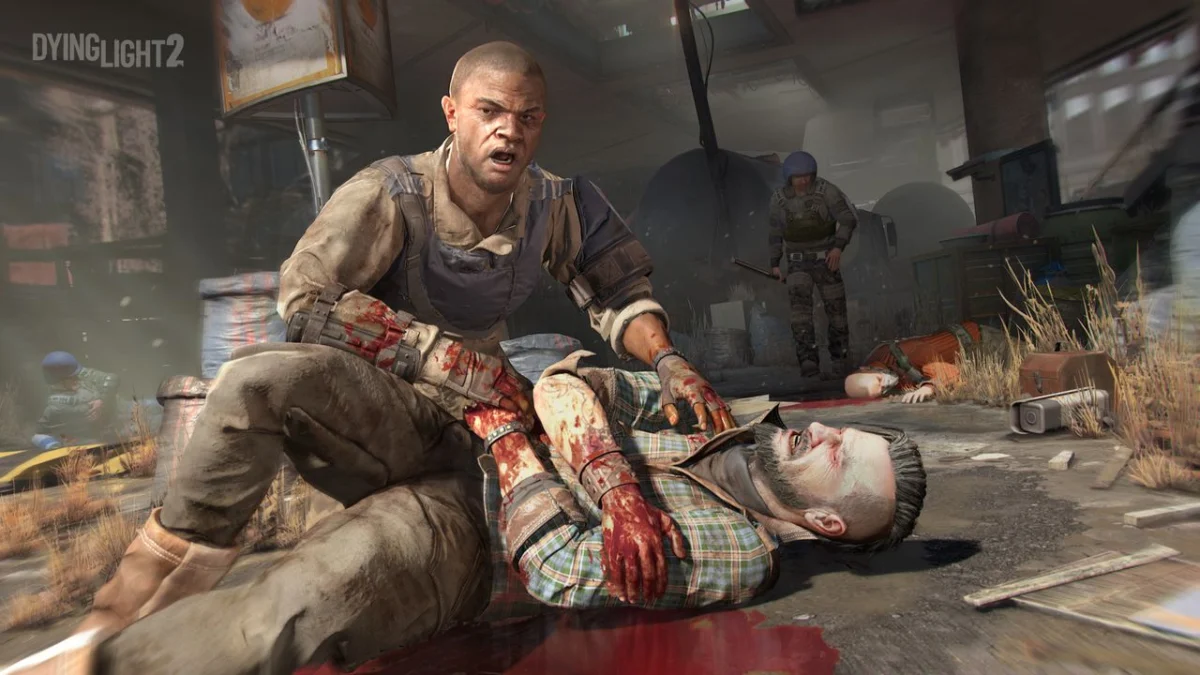
In the high-stakes world of AAA game development, where multi-million dollar budgets and years of crunch are the industry standard, the most vital component of success is often the one least prioritized: documentation. As major studios like CD Projekt Red and Techland look back at their most successful franchises, a common, sobering realization has emerged. The "move fast and break things" mentality, while effective for shipping a debut title, often plants the seeds for a development nightmare when it comes time to build a sequel.
Recent testimonies from industry leaders at the Digital Dragons conference have highlighted a growing trend: the realization that shoddy internal record-keeping is not just a minor annoyance, but a systemic threat to long-term creative sustainability.
The Foundation of Frustration: Techland’s Hard Lesson
At the recent Digital Dragons panel, former Dying Light franchise lead Tymon Smektala offered a candid, albeit regretful, reflection on the early days of Techland’s flagship zombie series. For Smektala, the experience of developing the original Dying Light was a masterclass in what not to do regarding project architecture and lore management.
"If I could go back in time, the lesson I would teach our team is simple: take care of your documentation," Smektala told an audience of developers.
The core of the issue, according to Smektala, was a lack of foresight. When the studio began work on the first Dying Light, they operated under the assumption that it would be a standalone experience. Consequently, there was little pressure to maintain a "source of truth." Design decisions, technical implementation details, and narrative lore were often confined to the personal computers of individual programmers and designers. When these team members eventually moved on to other projects or left the studio, the institutional knowledge went with them.
The Wiki Dependency: A Professional Embarrassment
The most stinging part of Techland’s struggle, as Smektala admitted, was the reliance on community-driven resources to fill the gaps in their own internal archives. When the team began pre-production for Dying Light 2, they found themselves trapped in a cycle of "reverse engineering." They needed to understand how systems worked in the first game to ensure continuity and mechanical synergy, but the official documentation was either missing, outdated, or incomplete.
"We spent a lot of time trying to reverse engineer some of the features or collect our lore in one place," Smektala explained. "And usually, we were doing this by going to Wikis made by players, always feeling a little bit ashamed about it, that we had to take it from the players."
For a studio as experienced as Techland, relying on fan-maintained Wikis to reconstruct their own game’s continuity is a poignant illustration of how poor documentation can undermine professional authority and efficiency.
The CD Projekt Red Parallel: Echoes of the Witcher
Techland is not alone in this struggle. CD Projekt Red (CDPR), the studio behind The Witcher series and Cyberpunk 2077, has recently echoed these sentiments. As the studio pivots toward the next generation of its franchises—including the upcoming Witcher 4 and the Cyberpunk sequel—it has had to confront the ghosts of its past development cycles.
During the same event at Digital Dragons, representatives from CDPR discussed the grueling process of beginning the remake of the original Witcher game. The studio found itself in a position where, despite the massive success of the trilogy, the technical documentation for the inaugural 2007 title was virtually nonexistent. This created a significant hurdle: how do you faithfully remake a game when the original blueprints are lost to time?
This lack of documentation is arguably one of the "development mistakes" that CDPR has publicly committed to avoiding in the future. As they attempt to manage an incredibly ambitious roadmap—squeezing three new Witcher games into a six-year window—the studio knows that it cannot afford the luxury of having to "rediscover" its own IP every time a new project kicks off.
Chronology of a Crisis: Why Documentation Fails
To understand why this happens, one must look at the lifecycle of a modern game studio.
- The Incubation Phase: A small team works in a "garage" style environment. Documentation is viewed as a distraction from the immediate need to create a vertical slice or a prototype.
- The Production Phase: As the team scales from 20 to 200, communication becomes fragmented. "Tribal knowledge" becomes the standard, where developers ask their neighbor how a feature works rather than checking a central database.
- The Launch Phase: The focus shifts entirely to bug fixing and shipping. Documentation is permanently sidelined.
- The Post-Mortem/Sequel Phase: The team realizes that the "lore experts" have left the studio, and the code base has been modified so many times that its original intent is obscured.
This cycle is common across the industry. When developers do not document features, they aren’t just failing to write a manual; they are failing to build a scalable infrastructure for their intellectual property.
Implications for the Industry
The call for better documentation is not merely a bureaucratic preference; it is a vital necessity for the long-term health of the gaming industry. As games become more complex—incorporating procedural generation, massive open-world narrative branches, and "live service" elements—the margin for error shrinks.
1. The Cost of "Technical Debt"
Documentation is the primary hedge against technical debt. When a studio fails to document its code, it creates a "black box" that new developers must spend weeks or months deciphering. This is not just a loss of time; it is a direct financial drain. If a studio is spending 20% of its development time on a sequel just to figure out how the previous game worked, that is a massive, preventable capital loss.
2. Narrative Consistency and Brand Value
In franchises like The Witcher or Dying Light, the world-building is the product. When developers lose track of their own lore, the narrative suffers. Continuity errors, such as conflicting dates or characters who appear in two places at once, can break the immersion of the player base. For a studio, this can lead to a erosion of brand trust, as fans often pride themselves on their deep knowledge of the game’s universe.
3. Sustainability and Workforce Health
One of the most overlooked aspects of the documentation crisis is its impact on staff morale. "Crunch" is often exacerbated by poor organization. If a developer is asked to build a system based on an undocumented, fragile framework, they are inevitably going to run into roadblocks that require late nights and weekend work to resolve. Proper documentation is, therefore, a tool for worker protection, reducing the chaos that leads to burnout.
The Future: Toward a Culture of Documentation
As the industry moves forward, there is a clear shift toward treating documentation as a first-class citizen in game development. Studios are increasingly hiring dedicated technical writers, lore masters, and project management specialists whose sole job is to ensure that the "institutional brain" of the company remains intact.
CD Projekt Red’s commitment to avoiding the mistakes of the past is a hopeful sign. By acknowledging that they had "nothing to reference" for their early projects, they are signaling a shift in corporate culture—one that values long-term stability over short-term velocity.
For developers at smaller studios or indie teams, the lesson from Techland and CDPR is clear: start now. Even if you are working on your very first game and have no intention of making a sequel, the act of documenting your process is an act of respect for your future self.
Conclusion: Lessons for the Next Generation
The testimonies of Tymon Smektala and the teams at CD Projekt Red serve as a cautionary tale for the industry. While the allure of creation and the pressure to launch often dominate the development cycle, the quiet, unglamorous work of documenting features and narrative history is what differentiates a "one-hit wonder" from a sustainable, multi-generational franchise.
In the end, the most important tool in a developer’s kit may not be their game engine or their art software, but their ability to effectively capture and store the knowledge that makes their world come to life. As these studios look toward the future, they are doing so with a newfound respect for the written word—a lesson hard-won, but essential for the survival of the games we love.











No comments yet. Be the first to join the conversation!