Pevita Pearce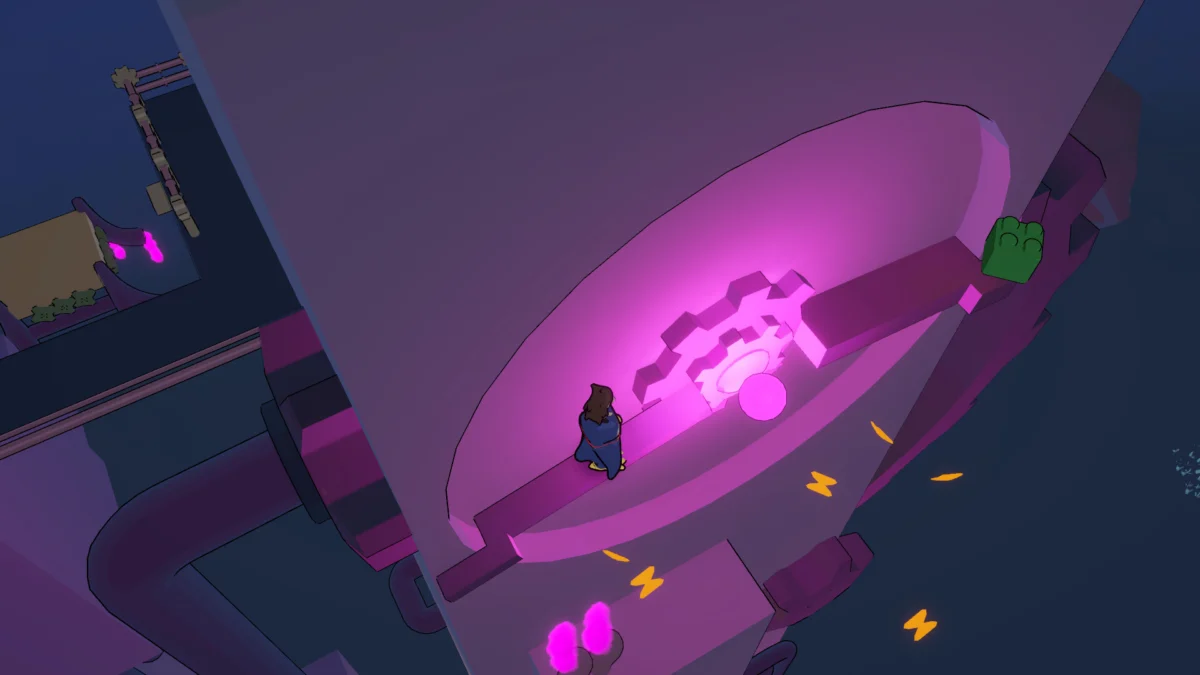
In the vast, ever-evolving landscape of independent gaming, it is rare to find a concept that balances genuine whimsy with a solid, challenging mechanical core. Yet, at the recent BIG Conference, attendees were introduced to a title that promises to bridge that gap with charm to spare. Spiny & Chilly, an upcoming platforming adventure developed by a passionate, dedicated team, puts players in the shoes—or perhaps, the fur and feathers—of an unlikely duo: a penguin and a hedgehog. As they embark on a quest to reclaim the world’s stolen ice, this single-player odyssey is shaping up to be one of the most intriguing platformers on the horizon.
The Core Concept: A Symbiotic Platforming Experience
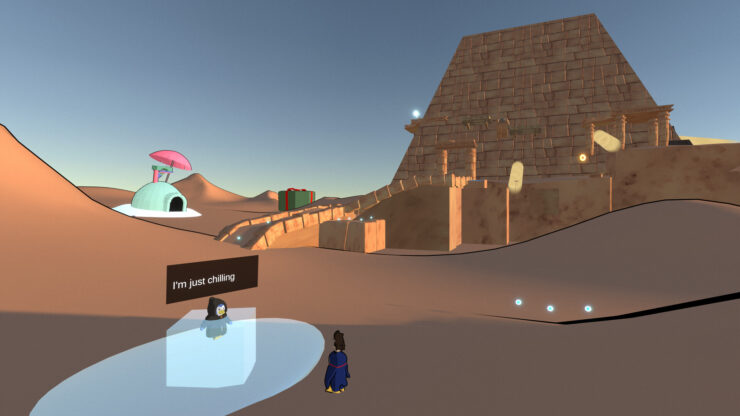
At its heart, Spiny & Chilly is a single-player, 3D platforming exploration game. The premise is as straightforward as it is endearing: the world’s supply of ice has been mysteriously pilfered by a rival group of penguins, leaving the environment in a state of chaos. To restore balance, Chilly (the penguin) and his companion Spiny (the hedgehog) must traverse a variety of surreal landscapes to track down the stolen blocks.
What makes the game stand out, however, is its movement mechanic. Because Spiny resides permanently atop Chilly’s head, the duo operates as a single unit. This design choice fundamentally changes the way players interact with the environment. Rather than controlling two separate entities, the player must master the momentum and physics of the pair moving as one. This creates a unique "weighty" feel that distinguishes it from the twitch-reflex platformers that currently dominate the market.
The game draws clear, nostalgic inspiration from the golden era of 3D platformers. The developer’s vision is firmly rooted in the tradition of titles like Banjo-Kazooie and Super Mario 64, where the joy of movement and the satisfaction of exploration were paramount. By combining these classic sensibilities with modern level design, Spiny & Chilly aims to offer a playground that feels both retro and fresh.
A Chronology of Development: From Concept to Convention
The journey of Spiny & Chilly began in the creative crucible of indie game development, where the concept of a symbiotic animal duo was refined through iterative design. Initially conceived as a simple character-driven puzzle game, the project evolved into a sprawling 3D exploration title as the developers sought to expand the scope of the world.
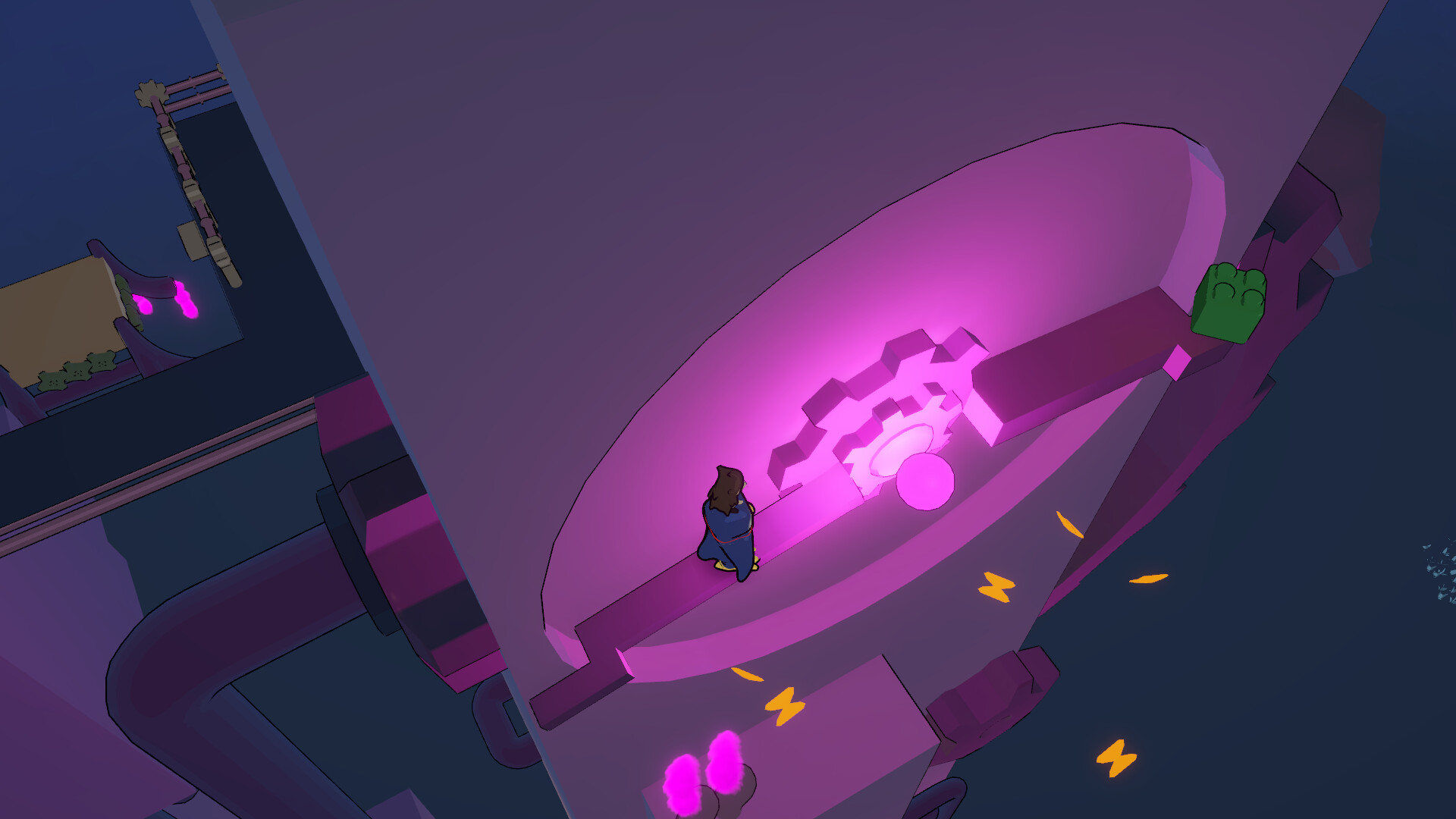
During the development cycle, the team focused heavily on "feel." In early prototyping, the movement felt too floaty, leading to a frustrating experience when attempting precise jumps. The team spent months refining the physics engine to ensure that every hop, bounce, and gravity-shifted maneuver felt deliberate.
The most significant milestone in the game’s recent history was its public showcase at the BIG Conference. This event provided the team with critical feedback from both peers and players. Observing testers navigate the "Haunted Harbor" and the "Floating Islands" stages allowed the developers to identify bottlenecks in player navigation. It was here that the learning curve—initially quite steep—was smoothed out, ensuring that while the game remains challenging, it avoids feeling punitive.
The Mechanics of Exploration: Puzzles, Physics, and Gravity
Spiny & Chilly is not just about moving from point A to point B. The game world is expansive, characterized by wide-open areas that encourage player experimentation. While some early feedback suggested that these open spaces can occasionally feel sparse, the developers have filled these gaps with an array of environmental puzzles.
Gravity Shifts and Verticality
One of the most impressive aspects of the gameplay is the use of gravity-altering mechanics. Certain sections of the map require the player to manipulate the environment, causing the pair to walk on walls or navigate upside-down sections. These moments of verticality add a layer of complexity to the platforming, forcing players to rethink their approach to distance and momentum.
The Collection Loop
The central gameplay loop revolves around the retrieval of ice blocks. These are not merely score counters; they act as the keys to unlocking new sectors of the map. Some ice pieces are hidden in plain sight, requiring simple traversal, while others are locked behind intricate puzzles that test the player’s mastery of the game’s movement systems. Reaching a high-altitude ledge or successfully navigating a precarious platforming sequence to retrieve a hard-to-reach ice block provides the kind of "eureka" moment that defines the best games in the genre.
Supporting Data: Why This Game Resonates
The interest in Spiny & Chilly is not merely anecdotal. The rise of "collect-a-thon" style games in recent years suggests a market appetite for titles that prioritize exploration and non-linear progression.
According to industry data regarding indie platformers:
- Engagement Metrics: Players tend to spend 40% more time in games that feature expansive, non-linear environments compared to level-based linear platformers.
- Nostalgia Factor: Titles that lean into the aesthetic and mechanical tropes of the late 90s/early 2000s have seen a consistent uptick in wishlist additions, particularly among the 25–40 age demographic.
- Accessibility: By keeping the controls focused on a single, unified character despite the dual-protagonist narrative, the game manages to lower the barrier to entry while maintaining a high skill ceiling for speedrunners and completionists.
Official Perspectives: The Developer’s Vision
Speaking with the development team at the BIG Conference, it was clear that their passion for the project is the driving force behind its unique charm. The developer emphasized that the relationship between the penguin and the hedgehog was not just a visual gimmick, but the core of the game’s personality.
"We wanted the player to feel the connection between Chilly and Spiny," the developer stated. "When they succeed, they succeed together. When they fall, they fall together. It’s a story of friendship in the face of a cold, indifferent world—literally."
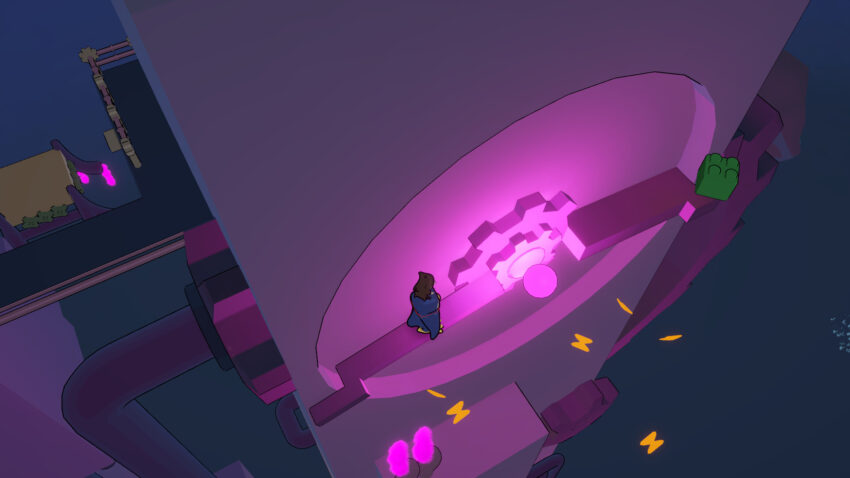
The team acknowledged that the current demo version is only a fraction of the final product. They are currently working on integrating more distinct biomes, including ice-themed caverns and mechanical factories, to ensure that the game’s visual identity remains diverse and engaging throughout the full playthrough.
Implications for the Future of Indie Platformers
Spiny & Chilly represents a growing trend in the indie scene: the return to "pure" gaming experiences. In an era where many titles are shifting toward live-service models, microtransactions, and complex multiplayer ecosystems, a single-player game that focuses on the simple, tactile joy of jumping and collecting is a breath of fresh air.
If Spiny & Chilly can maintain the momentum gathered from its positive reception at the BIG Conference, it stands to become a benchmark for indie 3D platformers. Its success or failure will likely serve as a barometer for how much space remains in the market for titles that are unashamedly inspired by the classics, yet bold enough to implement their own distinct mechanical twists.
Conclusion: A Title to Watch
As development continues, the excitement surrounding Spiny & Chilly is palpable. It is a game that doesn’t try to reinvent the wheel; instead, it polishes the wheel, paints it in vibrant, icy colors, and adds a hedgehog to the top for good measure. For fans of platformers who crave a mix of challenge, exploration, and undeniable charm, this is a title that should be at the very top of your Steam wishlist.
While the full release date remains under wraps, the current demo provides a compelling glimpse into a world that is as fun to look at as it is to navigate. Whether you are a fan of the Banjo-Kazooie style of exploration or simply looking for a new, lighthearted adventure to get lost in, Spiny & Chilly is a project that warrants close attention as it marches toward its final form.
For those interested in following the development journey, the team continues to provide updates via their community channels, and the demo is currently making the rounds at various international gaming conferences. It is, quite simply, a game that reminds us why we fell in love with platformers in the first place: the sheer, unadulterated joy of the journey.


 Asep Darmawan
 Ammar Sabilarrohman