

By Mustafa Mahmoud
The "Souls-like" subgenre, birthed from the uncompromising vision of Hidetaka Miyazaki and FromSoftware, has seen countless iterations since the release of Demon’s Souls and Dark Souls. While many studios have attempted to capture the specific alchemy of methodical combat, environmental storytelling, and punishing difficulty, few have managed to carve out a distinct identity of their own. Among the most successful of these challengers is Cold Symmetry’s Mortal Shell. Released in 2020, the game did more than just emulate the masters; it introduced a unique "shell" mechanic that prioritized defensive timing and character customization over traditional stat-heavy builds.
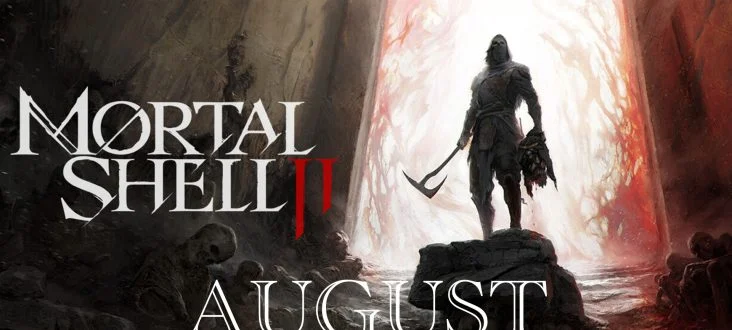
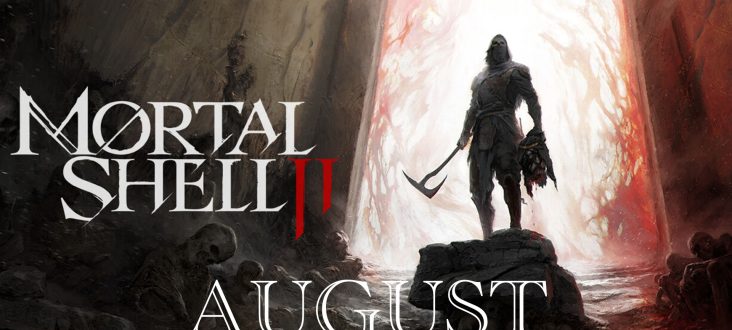
Following a remarkably successful debut that saw the title cross the 1-million-copy threshold, developer Cold Symmetry and publisher Playstack have officially pulled back the curtain on the game’s long-awaited successor. Mortal Shell II is officially slated for release on August 10, 2026, promising a more ambitious, expansive, and refined experience for fans of the genre.
Main Facts: The Evolution of the Shell
The announcement, accompanied by a gritty, high-stakes trailer, confirms that Mortal Shell II is designed as a standalone sequel. The core hook remains the titular "Shell" system—the ability for the protagonist to inhabit the hardened husks of fallen warriors. However, the developers have stated that this mechanic is being significantly overhauled to provide deeper tactical agency.
In the original, the hardening mechanic allowed players to turn into stone for a brief moment, effectively turning defense into an offensive window. In the sequel, the team at Cold Symmetry is leaning into "unrestricted, adrenaline-charged combat." While the trademark weight and deliberate pacing of the original are expected to remain, the studio has emphasized that the sequel will feature:
- Deeper Weapon Design: A complete overhaul of the weapon system, moving away from simple upgrades toward a more granular customization suite.
- Expansive Exploration: Where the first game was praised for its atmospheric, claustrophobic world, the sequel aims to open up the map, prioritizing free-roam discovery and environmental storytelling.
- Adaptive Combat: A refined approach to the Shell mechanic, allowing for more fluid transitions between playstyles, ensuring that players are not locked into a single approach when facing the game’s increasingly difficult bosses.
Chronology: From Debut to Sequel
To understand the significance of Mortal Shell II, one must look at the trajectory of Cold Symmetry.
2020: The Breakthrough
When Mortal Shell launched, it was the studio’s maiden voyage. In an industry dominated by massive AAA teams, a small indie collective delivering a polished, visually striking, and mechanically competent Souls-like was a major industry narrative. It proved that the "Souls" formula was not proprietary to its originators.
2021: The Enhanced Edition
Following the game’s initial success, Cold Symmetry released the Enhanced Edition, which introduced 4K resolution, 60FPS support, and improved textures. This period also saw the release of the Virtuous Cycle expansion, which added a rogue-like mode to the game, significantly increasing its replayability.
2023: The Tease
During the summer of 2023, Cold Symmetry officially announced that development on a sequel had begun. The announcement was brief, focusing on the team’s desire to leverage the technical lessons learned from their first outing.
2026: The Release
With the August 10, 2026, date now set, the studio is moving into the final phase of production. The long lead time between the initial announcement and the launch date suggests a commitment to polish—a critical requirement in a genre where mechanical precision is the difference between a cult classic and a commercial failure.
Supporting Data: Why It Matters
The commercial success of Mortal Shell is a testament to the enduring appetite for challenging action RPGs. Crossing the 1-million-copy mark is a significant milestone for an independent studio, placing Mortal Shell in an elite tier of non-FromSoftware titles, alongside games like Lies of P and Lords of the Fallen.
Furthermore, the shift in market dynamics over the last five years has created a more competitive landscape. With titles like Palworld (which recently surpassed 40 million players) dominating the indie headlines and AAA studios pouring resources into high-fidelity action titles, Mortal Shell II faces a saturated market. However, the data suggests that niche, high-quality experiences that respect the player’s intelligence—and their time—continue to perform well. The "Souls-like" tag has become a shorthand for high-quality, high-difficulty design, and Cold Symmetry’s ability to refine their existing engine puts them in a strong position to capture the core segment of this demographic.
Official Responses and Studio Vision
In statements accompanying the trailer, the team at Cold Symmetry reflected on the challenges of their first project. "The first Mortal Shell was a labor of love, an attempt to distill what we personally loved about the genre into something that felt like it belonged to us," a spokesperson noted. "With Mortal Shell II, we aren’t just making a bigger game; we are making a deeper one. We’ve listened to every critique, every piece of community feedback, and every moment of joy players experienced while playing the original."
The collaboration with Playstack continues to be a strategic advantage for the developers. Playstack’s expertise in indie publishing has allowed Cold Symmetry to focus almost entirely on the iterative design process, ensuring that the combat feels "crunchy" and responsive, a common failing in lesser-funded titles.
Implications: A New Standard?
The release of Mortal Shell II has profound implications for the indie sector. If the game succeeds, it confirms that a studio can successfully build a long-term franchise based on a single, strong mechanical hook. It also raises the bar for what players expect from independent studios.
1. The End of the "Clunky" Indie Trope
Historically, independent titles in this genre were often given a pass for slightly "janky" animations or unrefined hitboxes. As the genre matures, that leniency is fading. Mortal Shell II will likely be held to the same standard as titles like Elden Ring or Sekiro.
2. Mechanical Innovation over Imitation
The most important takeaway from the announcement is the emphasis on "unrestricted" combat. This implies that Cold Symmetry is looking to move away from the "slow and methodical" trap that some Souls-likes fall into, opting instead for a more responsive, perhaps faster-paced experience.
3. The Future of the "Shell" Mechanic
If the Shell mechanic is expanded successfully, it could become the defining feature of the series, potentially spawning a sub-genre of character-swapping action RPGs. The ability to switch "classes" or "shells" on the fly, mid-combat, could offer a level of strategic depth that is currently missing from the market.
Final Thoughts: The Road to August
As we move toward the August 10, 2026, release, the gaming community will be watching closely. Can Cold Symmetry transition from a "promising new studio" to a "genre-defining powerhouse"? The evidence suggests they are on the right path. By refining the systems that worked, discarding those that didn’t, and focusing on the core fantasy of their world, they have positioned Mortal Shell II as one of the most anticipated titles of the year.
The question remains: will it fade away in the sea of upcoming releases, or will it stand as a monument to the evolution of the Souls-like genre? The answer will lie in the feel of the controller, the timing of the parry, and the depth of the world they have built. For now, the stage is set for a return to a world of stone, steel, and shadow.
KitGuru says: The original Mortal Shell was a bold, atmospheric, and technically impressive debut. Seeing the studio take five years to refine their craft is encouraging. Do you think Cold Symmetry can take the crown among non-FromSoftware developers? Share your thoughts below.











