The landscape of indie-adjacent action-adventure games is often defined by a delicate balance between mechanical innovation and narrative weight. Occasionally, a title emerges that promises to marry these elements with a distinct visual flair that defies conventional expectations. Enter Waltz and Jam, the highly anticipated project from Flyway Games, a subsidiary studio under the KRAFTON umbrella. With the release of a fresh, evocative trailer, the gaming community has been treated to a deeper look at what is shaping up to be one of the most conceptually daring titles in the current development cycle.
The Core Concept: A Journey Through the Afterlife
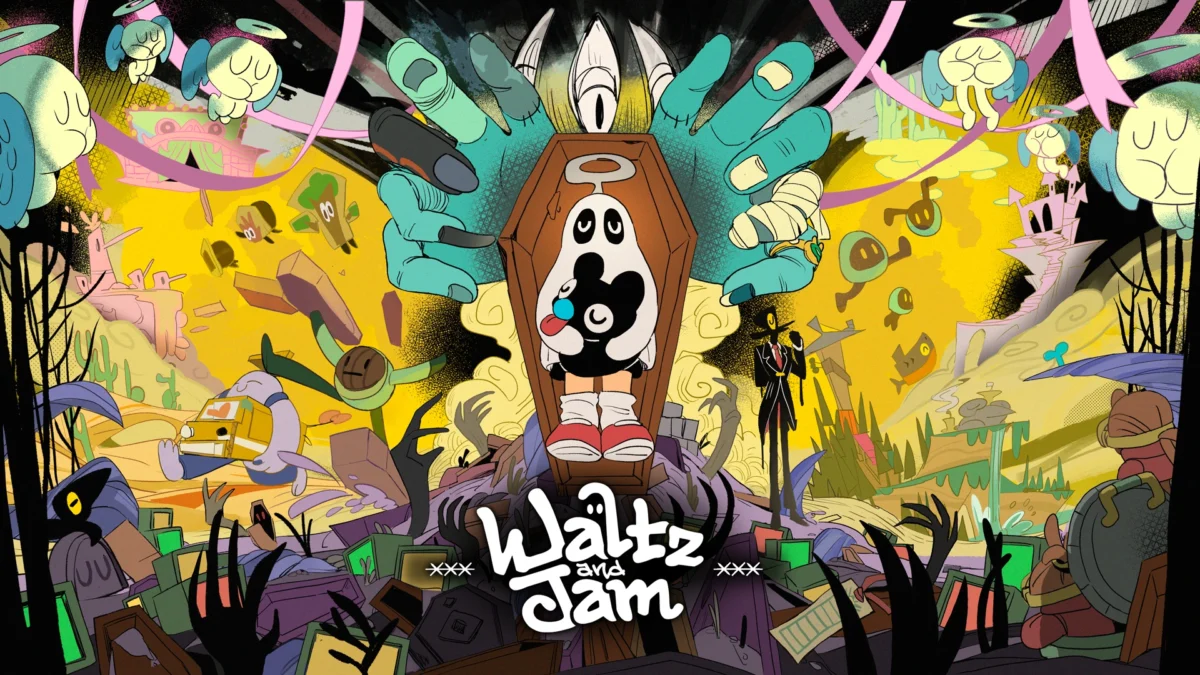
At its most fundamental level, Waltz and Jam is an action-adventure title that invites players into "Downtown," a surreal, magical interpretation of the afterlife inspired by the theological concept of the Seven Deadly Sins. The narrative follows two protagonists: Waltz, an innocent, lost ghost, and his unwavering companion, a spectral puppy named Jam.
While the "protagonist and animal companion" trope is a staple of the medium—ranging from ICO to The Last Guardian—Flyway Games appears to be grounding this relationship in a deeper, more emotional exploration of loss and destiny. The game’s premise hinges on the duo’s journey toward the "Gate of Judgment," a trek that takes them across seven distinct realms, each seemingly thematic to the sins that define the world of Downtown.
Chronology: From Initial Tease to Modern Reveal
The journey of Waltz and Jam into the public consciousness has been one of slow, deliberate anticipation.
- 2024: The Initial Announcement: The title was first unveiled to the public in 2024. At the time, the announcement was met with intrigue, as KRAFTON’s backing of a smaller, stylized project signaled a diversification of the publisher’s portfolio, which is historically dominated by high-octane titles like PUBG: Battlegrounds.
- 2024–2025: The Silence: Following the announcement, information remained sparse. The project entered a period of "polishing and refinement," a standard practice for studios aiming to achieve a specific, high-fidelity hand-drawn aesthetic.
- July 2026: The Trailer Renaissance: The most recent development marks a significant shift in the game’s marketing. By releasing a trailer that blends hand-drawn animation with actual gameplay footage, Flyway Games has successfully transitioned from "conceptual teaser" to "tangible project," giving players a clear sense of the game’s mechanical identity.
Visual and Mechanical Framework: The Anatomy of Gameplay
The standout feature of Waltz and Jam is undoubtedly its aesthetic. The game utilizes a comic-inspired visual language that feels vibrant, slightly eerie, and inherently whimsical. This is not merely a stylistic choice; it serves to ground the otherworldly nature of the afterlife in a digestible, storybook-like quality.
Environmental Puzzles and Gadgetry
The gameplay loop revolves around a dual-character mechanic. Waltz, the human spirit, serves as the primary interface for the game’s puzzle-solving elements. Players will utilize a variety of gadgets and collectible toys found throughout the environment to manipulate the world. This focus on "environmental interaction" suggests a design philosophy that prioritizes player curiosity and experimentation.
The Role of Jam
Jam, the spirit puppy, is not merely a cosmetic companion or an AI-controlled follower. The trailer reveals that Jam is the key to unlocking the game’s traversal and combat mechanics. Jam possesses transformative abilities that allow the duo to reach hidden paths, solve complex environmental riddles, and turn the tide during encounters with the "mighty foes" that populate the afterlife. The synergy between Waltz’s gadget-based puzzle solving and Jam’s fluid, transformative movement suggests a platforming experience that demands both precision and tactical foresight.
Combat and Boss Design
The developers have emphasized that the journey is fraught with danger. The "towering bosses" mentioned in the official rundown represent a significant escalation in difficulty and scope. By tying these bosses to the Seven Deadly Sins, Flyway Games has an opportunity to create encounters that are as thematically resonant as they are mechanically challenging.

Supporting Data: The Flyway Games Philosophy
Flyway Games, as a KRAFTON subsidiary, occupies a unique position in the industry. They are tasked with bringing "indie-spirit" innovation to the resources and infrastructure of a global publisher.
- Artistic Direction: The commitment to hand-drawn animation is a resource-intensive choice. It suggests that the studio is prioritizing artistic integrity over the photorealism often demanded by larger studios.
- Steam Integration: With a dedicated Steam page already active (App ID: 2686570), the studio is positioning itself within the PC-first ecosystem. This indicates that the game is being optimized for the keyboard-and-mouse or controller setups typical of the PC gaming audience.
- The Emotional Hook: The marketing messaging—repeatedly using words like "heartfelt," "lost," and "innocent"—suggests that Waltz and Jam is aiming for a specific emotional beat. It is a game designed to evoke empathy, a risky strategy in the action-adventure genre that, if executed well, often leads to high critical acclaim.
Official Stances and Industry Implications
While an official release date remains absent, the release of the new trailer is a clear indicator that the game is moving into the final stages of production.
Why the "Seven Deadly Sins" Matters
The choice of the afterlife as a setting, specifically one modeled after the Seven Deadly Sins, is a classic trope that has been reimagined countless times. However, by framing it through the lens of a lost ghost and a loyal puppy, Flyway Games is subverting the "dark and gritty" expectations usually associated with such subject matter. Instead of focusing on the punishment of the wicked, the game focuses on the vulnerability of the innocent.
KRAFTON’s Strategic Diversification
For KRAFTON, Waltz and Jam represents a strategic pivot. While the company remains a juggernaut in the battle royale genre, its expansion into boutique action-adventure titles allows it to capture a different demographic of gamers—those who prefer intimate, narrative-driven experiences over competitive multiplayer. If Waltz and Jam succeeds, it could set a precedent for KRAFTON to continue funding "niche" projects that have the potential for massive cult-following success.
The Path Forward: What to Expect
As we look toward the potential release window in late 2026 or early 2027, the primary questions surrounding Waltz and Jam remain:
- Mechanical Depth: Will the puzzle-solving mechanics evolve significantly as the player progresses through the seven realms, or will they become repetitive?
- Narrative Delivery: How will the game tell its story? Will it rely on environmental storytelling, or are there scripted cutscenes that delve into the past lives of the characters?
- Performance and Optimization: Given the complex, hand-drawn aesthetic, how will the game handle frame rates and high-fidelity transitions on various PC hardware configurations?
Conclusion
Waltz and Jam is more than just an action-adventure game; it is a testament to the enduring appeal of the "whimsical-melancholy" genre. By blending a high-stakes setting—the afterlife—with the grounded, relatable partnership of a lost boy and his puppy, Flyway Games has carved out a unique space for itself in the upcoming release calendar.
The trailer released this July serves as a promising beacon for fans of titles like Hollow Knight, Spiritfarer, or Ori and the Blind Forest. It suggests that while the road to the Gate of Judgment may be filled with danger, the journey itself—defined by the bond between Waltz and Jam—will likely be the most memorable part of the experience. As the community waits for an official release date, the anticipation only continues to grow for what promises to be one of the most visually and emotionally distinct titles in recent memory.