In the rapidly evolving landscape of the digital games industry, few artists manage to strike the delicate balance between grounded realism and evocative stylization. Samuel Selami, a France-based 3D character artist, has emerged as a prominent voice in this niche. By marrying the technical precision of industry-standard software with a profound appreciation for the dark fantasy and MMORPG aesthetics that defined a generation of gaming, Selami’s work stands as a testament to the power of artistic intent in 3D modeling.
The Foundations of an Artistic Career
Samuel Selami’s journey into the professional sphere of 3D art is built upon a mastery of the industry’s most essential tools. His workflow is a sophisticated pipeline that encompasses ZBrush for high-fidelity sculpting, Maya and 3ds Max for structural modeling and rigging, and Marmoset Toolbag for rendering. Crucially, his integration of Unreal Engine allows him to visualize his characters within the interactive environments where they are intended to live, ensuring that their visual impact translates from a static concept to a dynamic, in-game asset.
Selami’s philosophy is rooted in the "less is more" approach to stylization. Rather than opting for pure hyper-realism, he focuses on shapes and silhouettes—an approach he credits to his long-standing fascination with the visual language of Korean MMORPGs. This genre, known for its emphasis on ornate armor, expressive character proportions, and high-impact visual effects, has provided the bedrock for his design language.
Chronology of Craft: Three Defining Projects
To understand Selami’s evolution, one must look at his specific character designs, each of which represents a unique challenge in the pipeline of modern character creation.
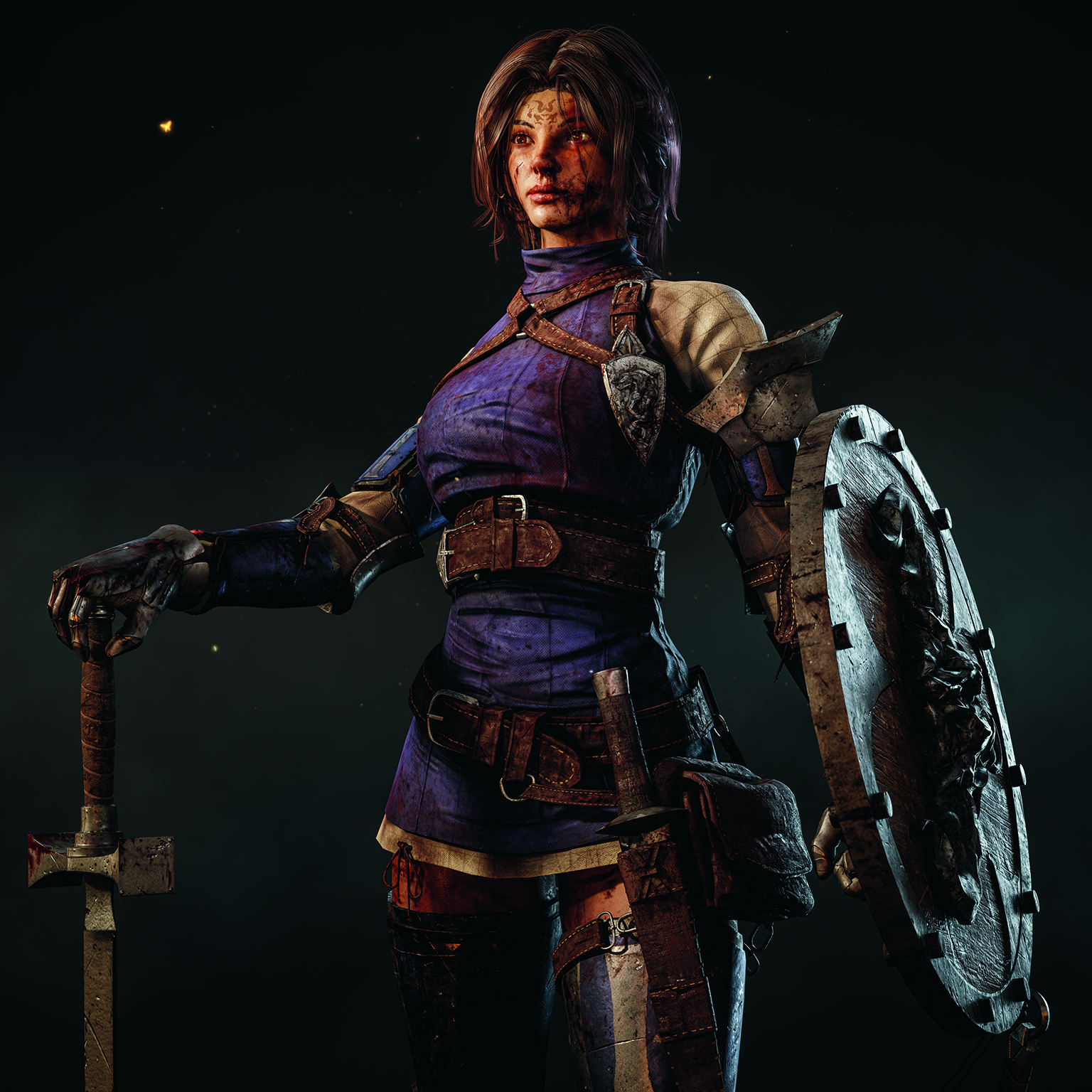
1. The Mercenary: Establishing the Grounded Fantasy Look
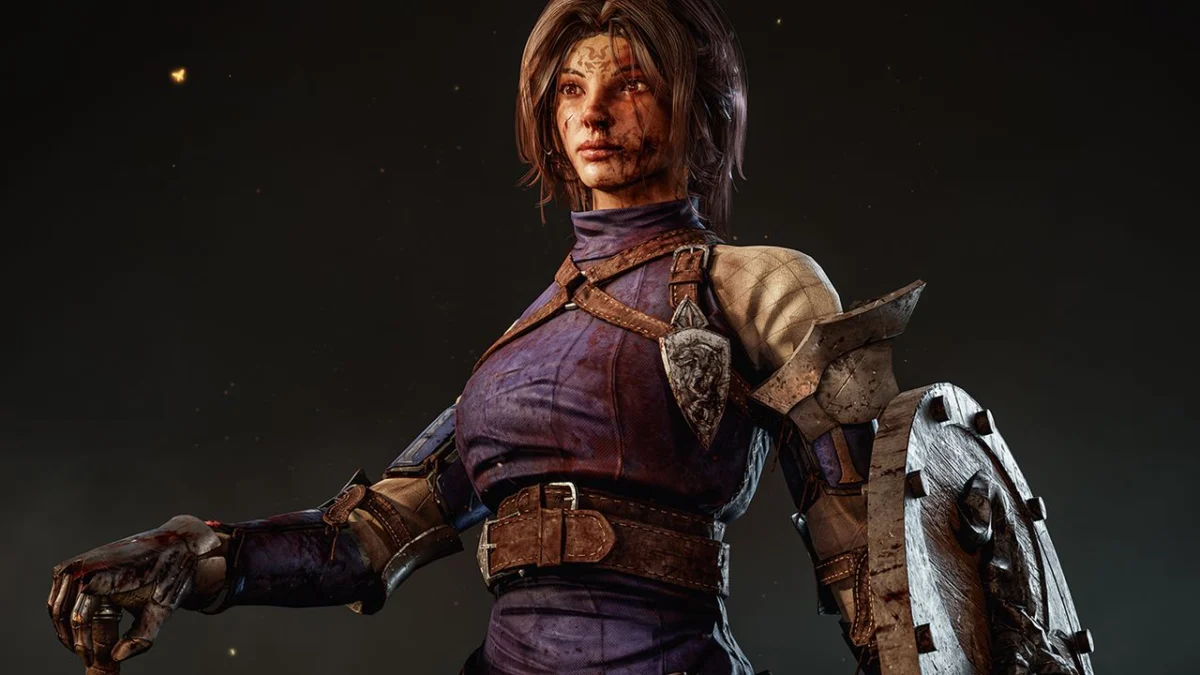
"The Mercenary" served as a pivotal project for Selami. When asked about his initial inspirations, he points directly to the aesthetic dominance of Korean game studios. "Korean games and their character art direction played a big part in inspiring me to become a 3D character artist," Selami notes. "With this piece, I wanted to recreate that grounded semi-realistic fantasy look."
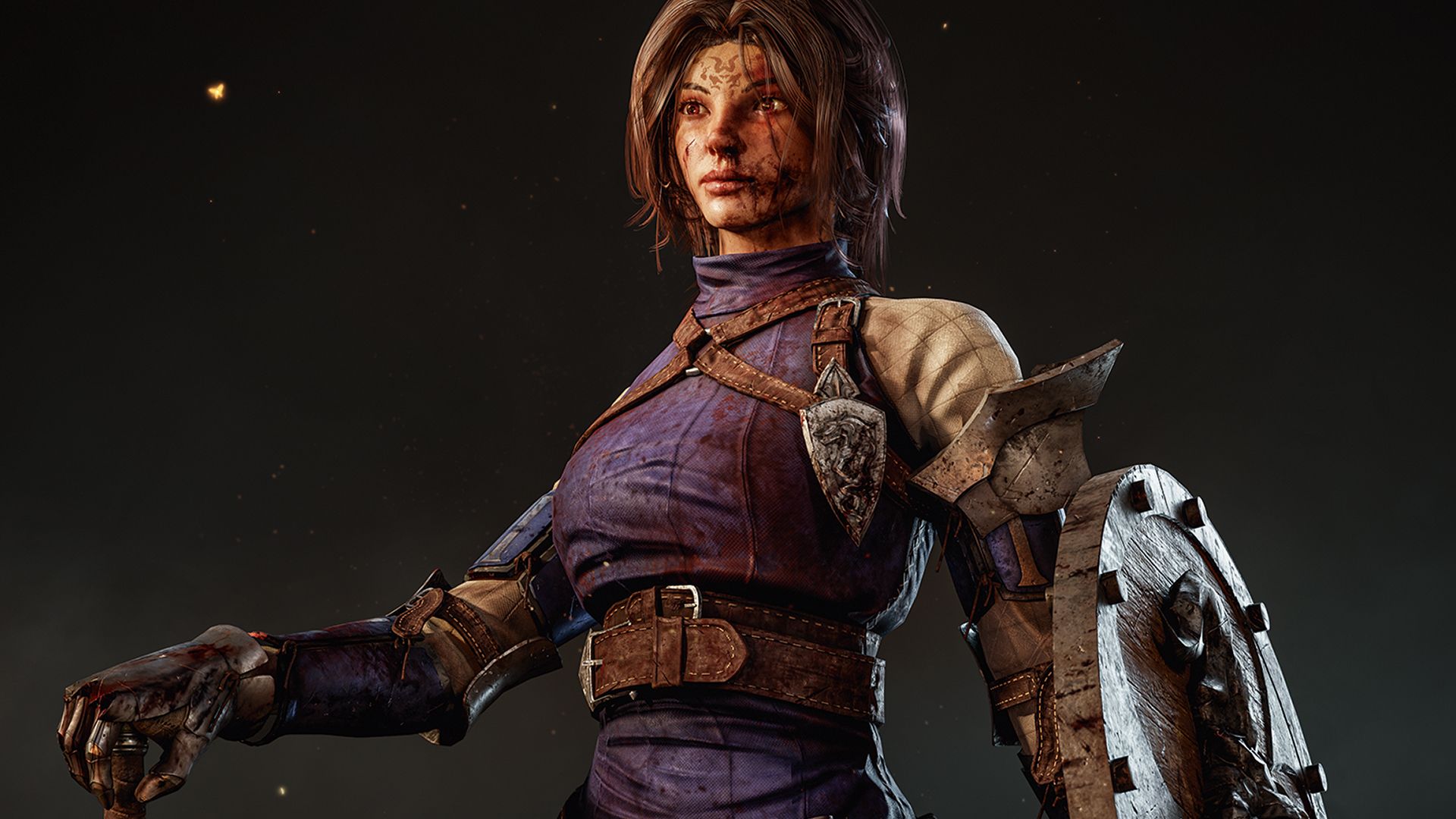
The project required a deep dive into material definition. By contrasting worn, functional leather with metallic, slightly idealized weapon designs, Selami successfully communicated a narrative of a character who exists in a world of high magic but relies on grit to survive.
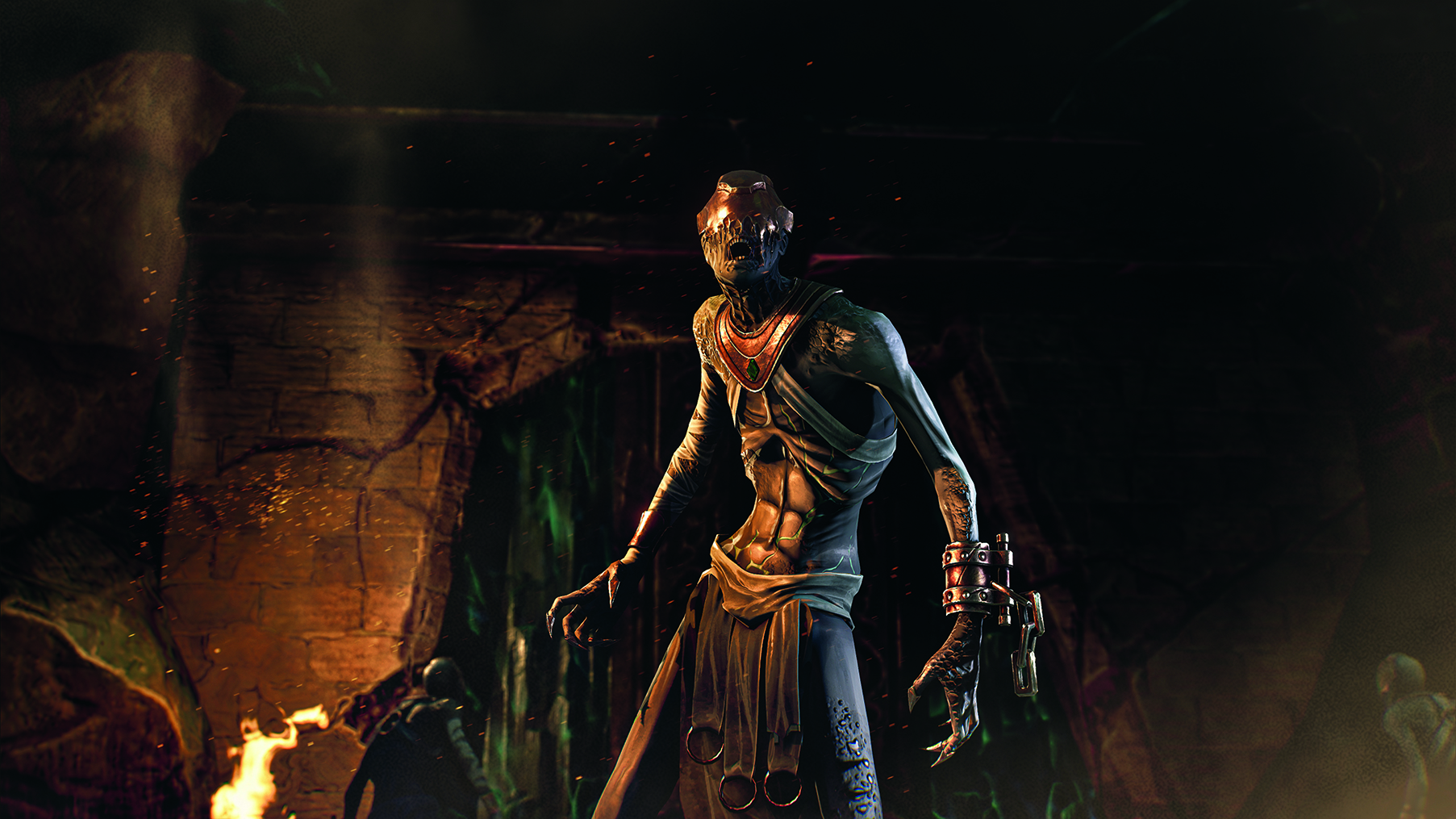
2. Follower: Balancing Horror and Silhouette
With his project titled "Follower," Selami shifted his focus toward the darker, more unsettling corners of his fantasy repertoire. The goal was to create a creature that felt physically imposing and psychologically disturbing.
"One of the biggest challenges with this character was balancing stylization with horror elements," he explains. "I wanted the creature to feel disturbing from far away while keeping a strong, recognizable silhouette." This highlights the core principle of character design: a silhouette must communicate a character’s role and threat level before the player even notices the fine textures on the skin or the intricacies of the armor.
3. Zealot: Iteration as the Key to Presence
The "Zealot" project represents the peak of Selami’s iterative process. By utilizing Unreal Engine’s real-time capabilities, he was able to test how the character appeared under varying lighting conditions—a vital step for any character destined for a dark, moody environment.
"This character went through many in-engine iterations to find the right silhouette and presence," Selami reflects. "I wanted the Zealot to feel instantly imposing and violent, marking a difficulty step in a stylized dark fantasy setting." This level of refinement, where the character’s design serves the gameplay intent, is what elevates his work from mere fan art to professional-grade production assets.
Supporting Data: The Tools of the Trade
For aspiring 3D artists, the question is often which tools are essential for achieving such high-quality results. Selami’s pipeline confirms that there is no singular "magic" software, but rather a combination of industry-standard tools that, when used in tandem, create a seamless experience:
- ZBrush: The industry standard for high-frequency detail sculpting. It is essential for capturing the organic nuances of anatomy and the intricate carvings on armor.
- Maya/3ds Max: The workhorses of polygon modeling and retopology. These are vital for converting a "high-poly" sculpt into a "low-poly" mesh optimized for real-time game engines.
- Marmoset Toolbag: The go-to tool for lighting, material previewing, and high-quality portfolio rendering.
- Unreal Engine: The environment in which these assets eventually "breathe," providing the final feedback loop for how materials react to light and motion.
Official Perspectives on the Evolution of 3D Art
The industry surrounding character art has undergone a paradigm shift in the last five years. With the democratization of high-end tools, the barrier to entry has lowered, but the standard for "professional quality" has risen significantly. Industry publications, such as ImagineFX, have frequently highlighted artists like Selami because they represent the intersection of traditional artistic fundamentals—anatomy, color theory, and silhouette—with modern computational power.
Experts in the field suggest that the future of 3D character art lies in "stylized realism." This is the practice of exaggerating key features for readability (stylization) while maintaining realistic material physics and anatomy (realism). Selami’s work is a perfect case study for this trend, showing that players are often more engaged by characters that possess a clear "read" from a distance than those that are simply hyper-detailed.
Implications for Future Game Design
The implications of Selami’s work for the wider game industry are significant. As hardware becomes more powerful, the temptation to push for total photorealism can lead to "the uncanny valley," where characters look almost human but not quite, causing a sense of discomfort in the viewer.
By leaning into stylized aesthetics, artists like Selami bypass this issue entirely. Their work suggests that:
- Readability remains king: No matter how many millions of polygons are on screen, if the character’s silhouette is muddy, the gameplay suffers.
- Narrative is encoded in design: Every scar, every dent in armor, and every choice of silhouette tells a story before the character ever speaks a line of dialogue.
- Iteration is non-negotiable: As seen with his "Zealot" project, even the best concepts require multiple passes in a real-time engine to ensure they function as intended.
Conclusion
Samuel Selami’s portfolio serves as both an inspiration and a roadmap for those looking to enter the competitive world of 3D character art. By focusing on the fundamentals of shape, silhouette, and the evocative power of dark fantasy, he has carved out a distinct style that feels both familiar and refreshingly new.
For those inspired by his process, the path forward is clear: master the fundamental software, develop a deep understanding of anatomy and form, and never underestimate the importance of testing your work within the context of a game engine. As the gaming industry continues to demand more immersive and visually arresting experiences, the contribution of artists who can bridge the gap between imagination and digital reality will only become more vital.
To explore more of Samuel Selami’s work and witness the evolution of his upcoming projects, you can view his full portfolio on ArtStation. In an era of infinite visual noise, artists like Selami remind us that intentional, focused design will always find its audience.