

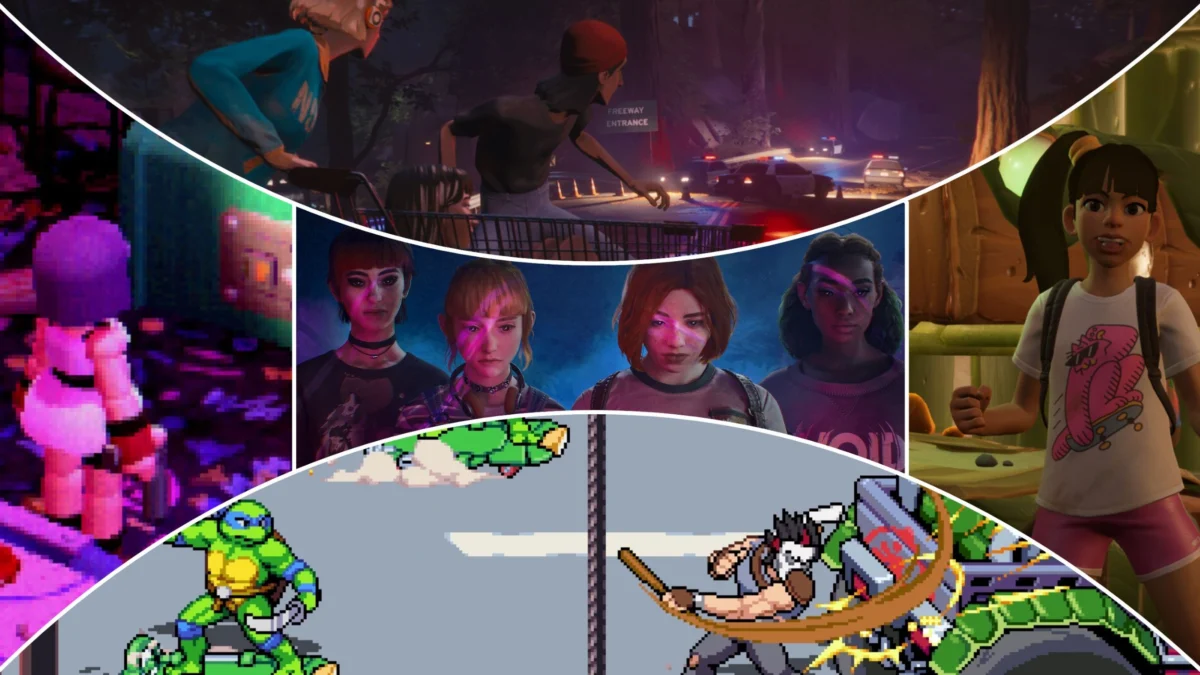
For those born in the early 1990s, the decade serves as a final, analog frontier. It was a time of sticky floors in arcades, the distinct hum of CRT monitors, and the tactile ritual of swapping physical media. As the last generation to experience a childhood largely unmediated by the constant connectivity of the modern smartphone era, 90s kids hold a specific, perhaps slightly mourning, affinity for the period.
Today, that demographic has matured. Many who spent their formative years fueled by sugary cereal and Saturday morning cartoons are now driving the creative direction of the gaming industry. The result is a surge in titles that do not merely mimic 90s gameplay mechanics but painstakingly reconstruct the decade’s distinct "vibe"—a blend of grunge, rebellious optimism, and the slow, deliberate pace of a world not yet hyper-accelerated by high-speed internet.
The Chronology of a Cultural Shift
The 90s were a transitional decade. We moved from the physical to the digital, from the local to the global. The games highlighted here act as "living time capsules." They capture the essence of a period where communication was asynchronous, mystery was a byproduct of limited information, and identity was forged through shared, physical experiences rather than social media profiles.
10. Gone Home: The Archeology of Absence
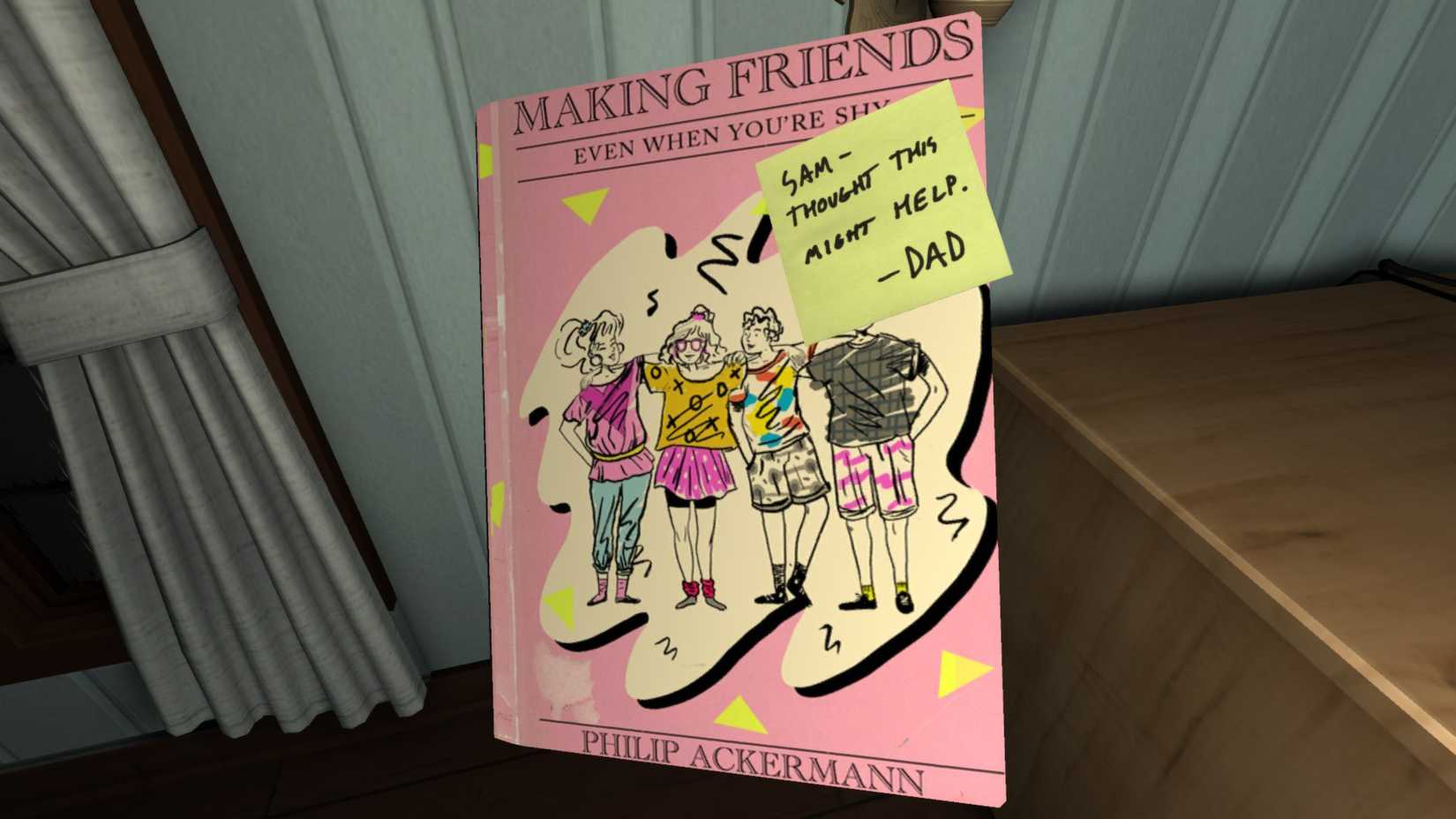
Gone Home (2013) remains the gold standard for atmospheric storytelling. Set in 1995, it thrusts the player into a quiet, empty house in rural Oregon. Without the modern crutch of a smartphone to call ahead, Katie Greenbriar is forced to navigate her family’s home, piecing together the narrative through letters, notes, and physical artifacts. It captures the specific, poignant loneliness of the era—a time when finding "your people" required shared physical spaces and the serendipity of discovering a common love for punk rock or arcade fighters.

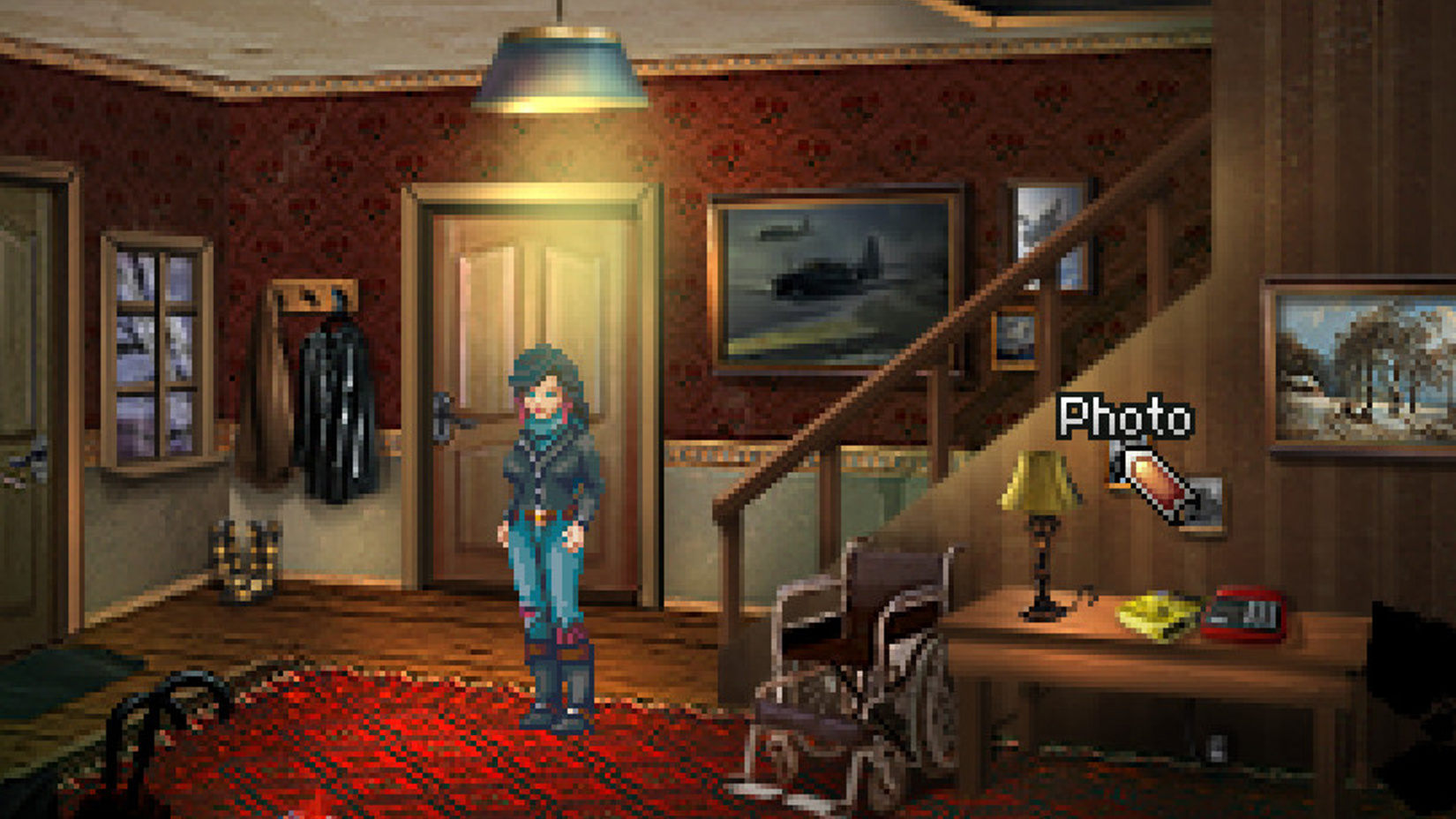
9. Kathy Rain: The Point-and-Click Revival
Drawing from the golden age of Sierra and LucasArts adventures, Kathy Rain channels the spirit of King’s Quest VI. The game features a protagonist who embodies the era’s "tough-girl" archetype: a journalism student riding a motorcycle and chain-smoking her way through a supernatural mystery. It is a masterclass in tone, using color-rich, pixelated aesthetics to evoke the PC gaming landscape of the mid-90s.
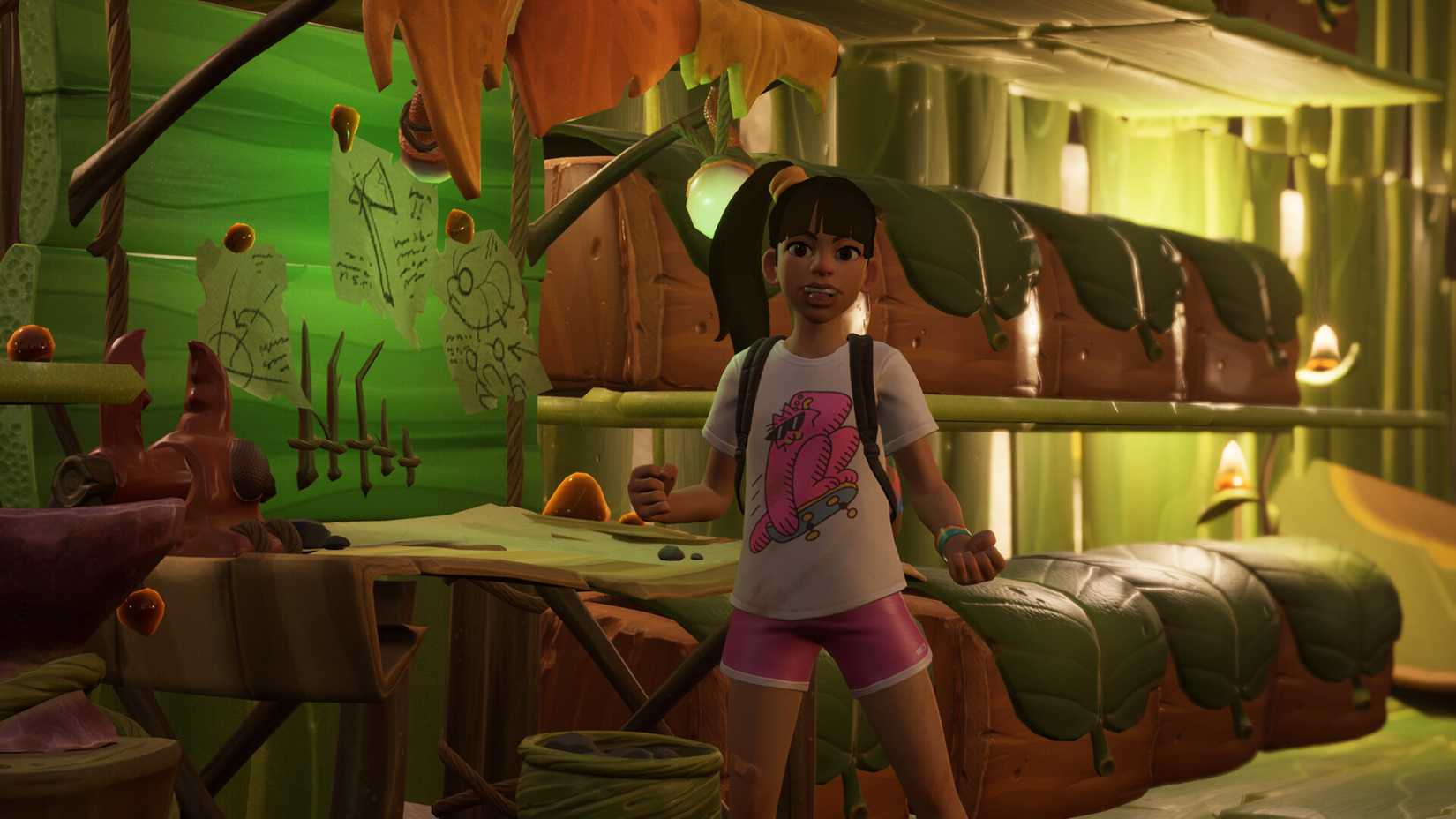
8. Grounded: The Shrink-Ray Obsession
The 90s were inexplicably fascinated with the concept of shrinking—a trend kicked off by the 1989 success of Honey, I Shrunk the Kids. Grounded leans into this nostalgia, placing youths in a backyard rendered as a treacherous, oversized wilderness. The branding on the scattered soda cans and toys is a masterclass in era-appropriate design, utilizing the jagged, neon-splattered logos that defined suburban product design in 1995.
7. Home Safety Hotline: The Clunky Corporate Interface
Few things define the 90s workplace like the "clunky" PC interface. Home Safety Hotline uses a deliberately slow, low-fidelity UI to simulate the experience of a 90s administrative role. While the gameplay involves managing supernatural disasters—fae folk infestations rather than simple IT support—the experience of navigating menus with that specific, dated aesthetic serves as a nostalgic mirror for anyone who spent time in a parent’s office during the pre-millennial era.
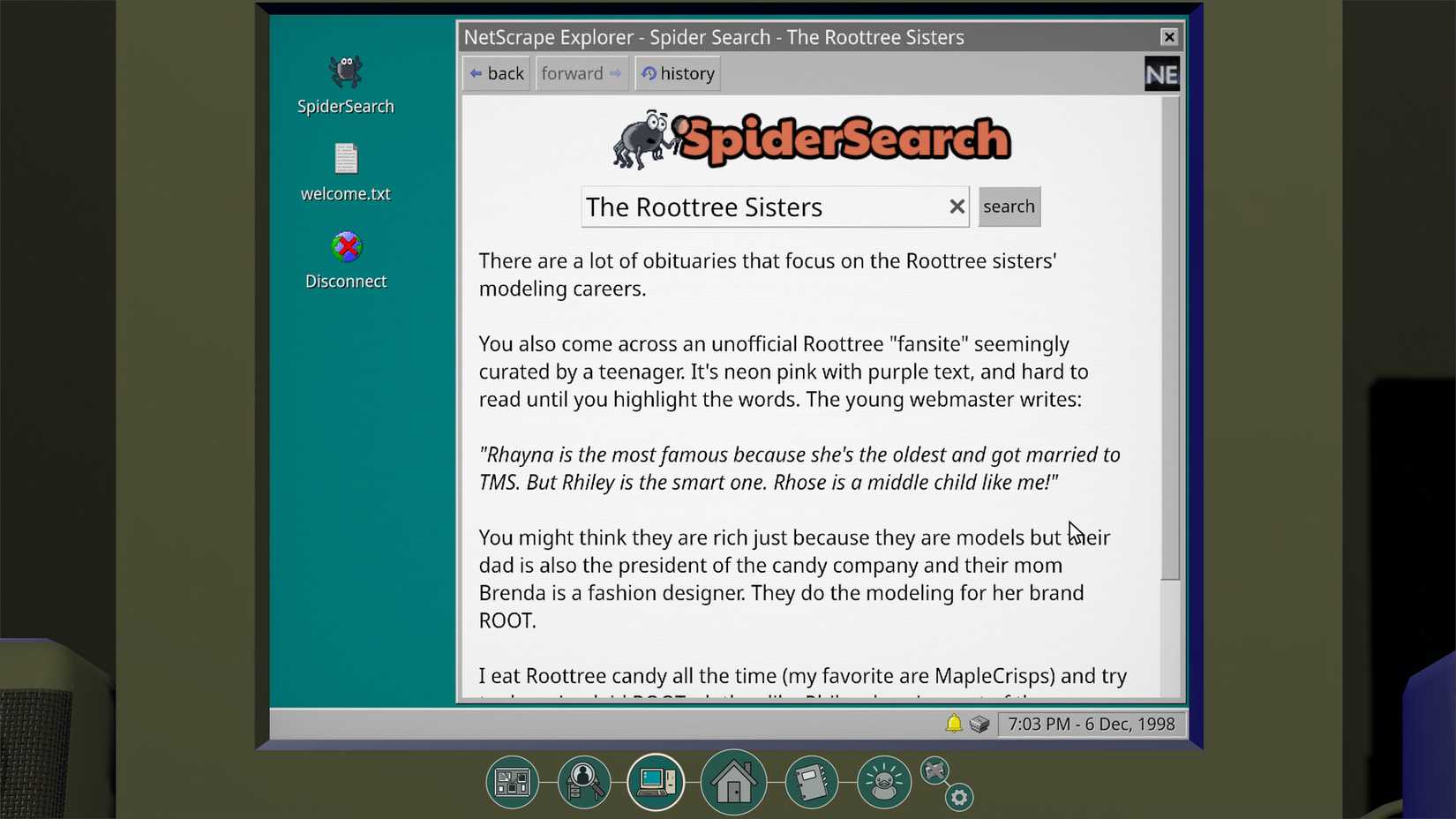
6. The Roottrees are Dead: The Pre-Google Grind
Before Google became a verb, finding information was a test of endurance and clerical skill. The Roottrees are Dead (2025) tasks players with solving a complex mystery using an in-game search engine accessed via a dial-up modem. It is a profound reminder that "Google-fu" is a learned skill, not an innate human trait. The game celebrates the intellectual labor that defined the 1.0 internet.
5. Hypnospace Outlaw: The Wild West of Webpages
Hypnospace Outlaw is perhaps the most accurate recreation of the "Geocities" era of the web. It depicts a world where the internet was a collection of individual, often bizarre, homemade websites rather than the monolithic platforms we use today. By tasking players with moderating this content, the game highlights the shift from a chaotic, user-driven web to a curated, corporate-controlled digital landscape.
4. Teenage Mutant Ninja Turtles: Shredder’s Revenge
The TMNT franchise is synonymous with the 90s. Shredder’s Revenge does not just reference the 1987 cartoon; it resurrects the specific atmosphere of the arcade cabinet. The game functions as a love letter to the "pizza-and-quarters" era, complete with the original voice cast and a visual style that perfectly captures the anachronistic fashion of the early 90s, from skateboards to wild, rebellious hair.
3. Crow Country: Survival Horror’s Roots
Crow Country (2024) looks back at 1996, the year Resident Evil redefined the horror genre. By setting the game in an abandoned theme park—complete with vending machines and unsettling, low-polygon mascots—the developers tap into the "crummy regional park" aesthetic that many 90s kids experienced firsthand. It manages to modernize the gameplay while keeping the eerie, claustrophobic spirit of the original survival horror pioneers.
2. Lost Records: Bloom & Rage: The Camcorder Memoir
If the 90s had one defining piece of hardware, it was the handheld camcorder. Lost Records focuses on the weight of memory. By using a camcorder as a core narrative tool, the game explores how our recollection of the past is often shaped by the physical media we used to record it. The transition between the protagonist’s youth in 1995 and her adulthood in 2022 provides a poignant look at how we process the "halcyon" days of our youth.
1. Mixtape: The Final Act of Physical Media
Released in 2026, Mixtape acts as the ultimate farewell to the era. Following three teenagers on their final night together, the game utilizes a soundtrack that spans decades, culminating in the 90s. It captures the essence of "letting go"—a theme that resonates deeply with those who grew up in the last years of analog dominance. It is a narrative adventure about the music we loved and the physical tapes we used to curate our identities.
Supporting Data: The Nostalgia Economy
Market data from the last five years indicates that "nostalgia-bait" is no longer a pejorative term in the gaming industry; it is a primary driver of revenue. Indie developers, often operating with smaller teams and tighter budgets, have found that focusing on specific, identifiable aesthetics—such as the 32-bit era or the pre-social media internet—allows them to build highly engaged, dedicated communities.

The success of titles like Crow Country and Hypnospace Outlaw demonstrates that players are increasingly looking for "authenticity" in their retro experiences. They do not want a shallow skin of the 90s; they want the mechanics, the pacing, and the specific technological limitations that defined the era.
Implications for Future Game Design
The trend of "90s-core" gaming has broader implications for how we view the history of technology. As the 90s move further into the rearview mirror, these games serve a vital function: they humanize a period of technological transition. By gamifying the experience of dial-up, point-and-click navigation, and physical media, developers are ensuring that the specific quirks of the decade—the patience required to browse, the importance of physical artifacts, and the "wild west" nature of early digital spaces—are not forgotten.
We are entering an era where the 90s are treated with the same historical reverence as the Victorian era or the Great Depression. These games are not just "fun"; they are cultural artifacts that help younger generations understand why their parents feel a sense of loss when they look at a smartphone, and why, for a generation of 90s kids, the best stories were always found on a tape, in a house, or at the back of an arcade.











No comments yet. Be the first to join the conversation!