Muslim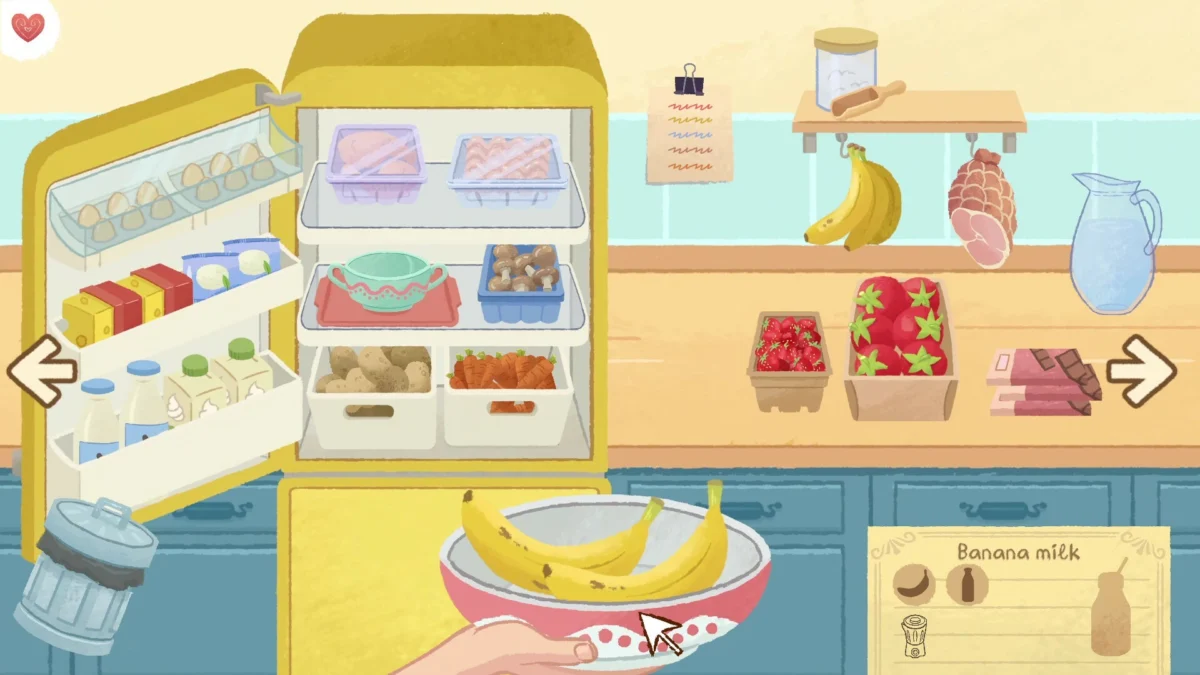
For many gamers, the "cozy game" genre serves as a digital sanctuary—a place to escape the high-stress, fast-paced environments of competitive shooters and complex RPGs. It is into this relaxing niche that Cook for Love steps, inviting players to step into the shoes of Clement, a young Frenchman tasked with revitalizing a small, struggling restaurant. As you navigate the delicate art of plating, chopping, and simmering, the game promises a serene journey of self-discovery and culinary mastery. But does this title deliver a gourmet experience, or is it simply a snack-sized diversion?
The Premise: From Home Kitchen to Restaurant Success
At its core, Cook for Love is a simulation title that prioritizes atmosphere over intensity. The narrative follows Clement, who finds himself in charge of an eatery, forced to learn the nuances of French cuisine from the ground up. Unlike the chaotic, high-pressure environments of titles like Overcooked, where players frantically manage time limits and customer demands, Cook for Love offers a distinctively low-stress approach.
The game is best described as a culinary puzzle-platformer that utilizes a point-and-click interface. Each session tasks the player with mastering a specific recipe, guiding them through a sequence of steps—chopping, blending, boiling, and frying—before presenting a beautifully plated final dish. The aesthetic is intentionally calming, pairing a soft, lo-fi-inspired soundtrack with clean, charming visuals that invite the player to take their time and appreciate the process.
The Mechanics: Navigating the Kitchen Environment
The gameplay loop of Cook for Love is centered around spatial management. The kitchen is divided into several distinct workstations, each dedicated to a specific part of the preparation process. Players must manage their inventory carefully, as they are limited to carrying one bowl and two plate items at any given time.
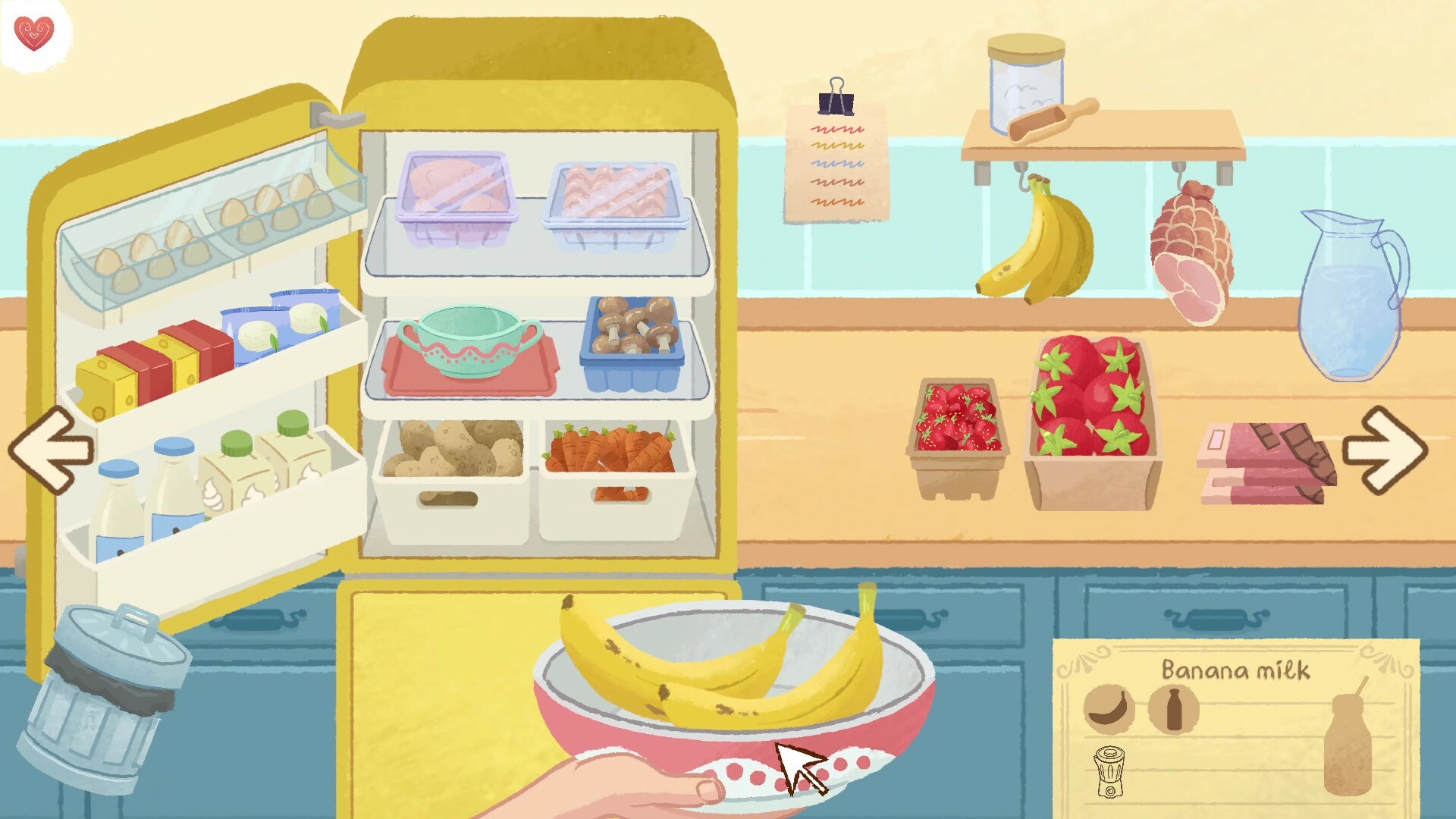
This limitation forces a rhythmic, almost meditative flow to the gameplay. You find yourself moving ingredients from the fridge to the prep station, then to the heat source, and finally to the plating area. While the game provides clear, easy-to-follow instructions at the top of the screen, players who find themselves overwhelmed by a complex recipe can opt for a more granular, step-by-step breakdown.
However, this mechanical simplicity is a double-edged sword. While it succeeds in keeping the game "cozy," it can also lead to frustration. For instance, when preparing more complex dishes like pasta, the need to shuttle ingredients between stations because of limited carrying capacity can feel cumbersome rather than challenging. Moving a bowl of sauce, plating it, and returning to the stove to move the pasta creates a repetitive loop that occasionally breaks the player’s immersion.
Chronology of the Experience: A Slow-Burn Progression
The progression in Cook for Love is linear, moving from simple, foundational tasks to more intricate culinary challenges.
- Early Game: Players start with basic recipes, such as "cream of" soups. Interestingly, even though the ingredients are readily available in the fridge, the game requires the player to perform all prep steps—chopping and blending—regardless of the simplicity of the dish.
- Mid-Game: The difficulty ramps up through volume rather than complexity. Players might be tasked with creating multiple fruit pancakes or various pasta dishes in succession. This phase helps establish the rhythm of the game, teaching the player to balance multiple components simultaneously.
- Late Game: As the restaurant officially opens, the complexity of the dishes increases. Players unlock new kitchen tools and additional stations, allowing for more elaborate culinary creations.
One of the most notable aspects of the game’s structure is the absence of a traditional timer. In most restaurant sims, the clock is the primary antagonist. In Cook for Love, you are only pushed by the desire to complete the next recipe in your catalog. However, this creates an odd narrative dissonance: while you are supposed to be running a bustling restaurant, the lack of customer orders or time constraints makes the environment feel somewhat static.
Supporting Data and Observations
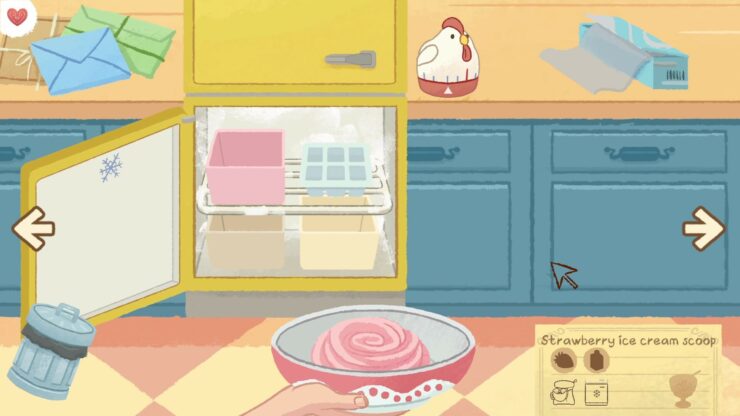
While the game is marketed as a relaxing experience, it does contain "failure states" that may surprise players expecting a completely friction-less experience. For example, if ice is left in the freezer for too long, it will spoil. Similarly, items can be burnt if left on the stove unattended, forcing the player to discard the dish and start over.
These mechanics are an interesting attempt to introduce stakes into a game that otherwise avoids them. However, for some players, these moments can feel jarring. When the game’s primary draw is its slow-paced, soothing atmosphere, a sudden, "silly" penalty for leaving a pot on the stove for an extra few seconds can feel like an intrusion of "gamey" logic into an otherwise grounded experience.
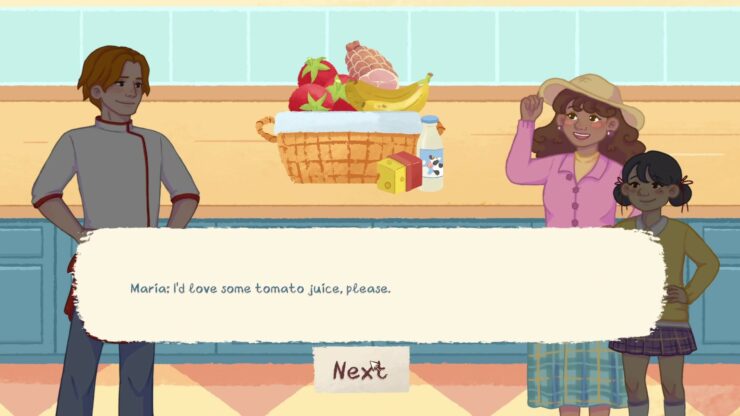
Furthermore, the story elements—delivered through brief interactions with patrons—often feel secondary. While guests visit your restaurant, their dialogue rarely reflects the quality of the meal you just spent minutes carefully preparing. This lack of feedback loops between the player’s effort and the narrative’s reaction makes the story feel like a garnish rather than the main course.
Official Stances and Development Philosophy
The development team behind Cook for Love has clearly prioritized the "vibe" over the "challenge." In an industry saturated with high-octane simulations, there is a specific market for games that serve as a decompression tool. The inclusion of an in-depth instruction mode for those who find the recipes confusing suggests a desire to be inclusive, ensuring that players of all skill levels can enjoy the satisfaction of completing a dish.
The game is currently available across multiple platforms, including the Nintendo Switch, Xbox, and Steam, indicating a broad appeal to console and PC players alike. By avoiding the common pitfalls of the genre—such as punishing time limits or overly complex controls—the developers have successfully carved out a space for a specific type of player: one who wants to listen to the birds, enjoy a quiet Saturday morning, and simulate the act of cooking without the stress of a real-world kitchen.
Implications for the Genre
Cook for Love serves as a case study in the evolution of the casual simulation genre. It raises the question: how much "game" do you need in a game? For players who enjoy the tactile satisfaction of clicking through a recipe and seeing the final, polished result, Cook for Love is a resounding success. The visuals are consistently lovely, and the sense of accomplishment from completing a complex dish is genuine.
However, for those seeking a deeper, more rewarding gameplay loop, the title may fall short. The repetitive nature of moving items between screens, combined with the lack of meaningful narrative progression or customer engagement, means that the game may struggle to hold the interest of players looking for a more substantial experience.
Ultimately, Cook for Love is a title that succeeds on its own terms. It is not trying to be the next Cooking Mama or Overcooked. Instead, it is a quiet, contemplative exercise in digital domesticity. It offers a beautiful, low-pressure environment that rewards patience and attention to detail. Whether it is worth your time depends entirely on whether you are looking for a game to test your reflexes or a game to soothe your mind. For those in the latter camp, Cook for Love is a charming, if slightly flawed, addition to the cozy game canon.


 Jia Lissa
 Azzam Bilal Chamdy