Asro
Asro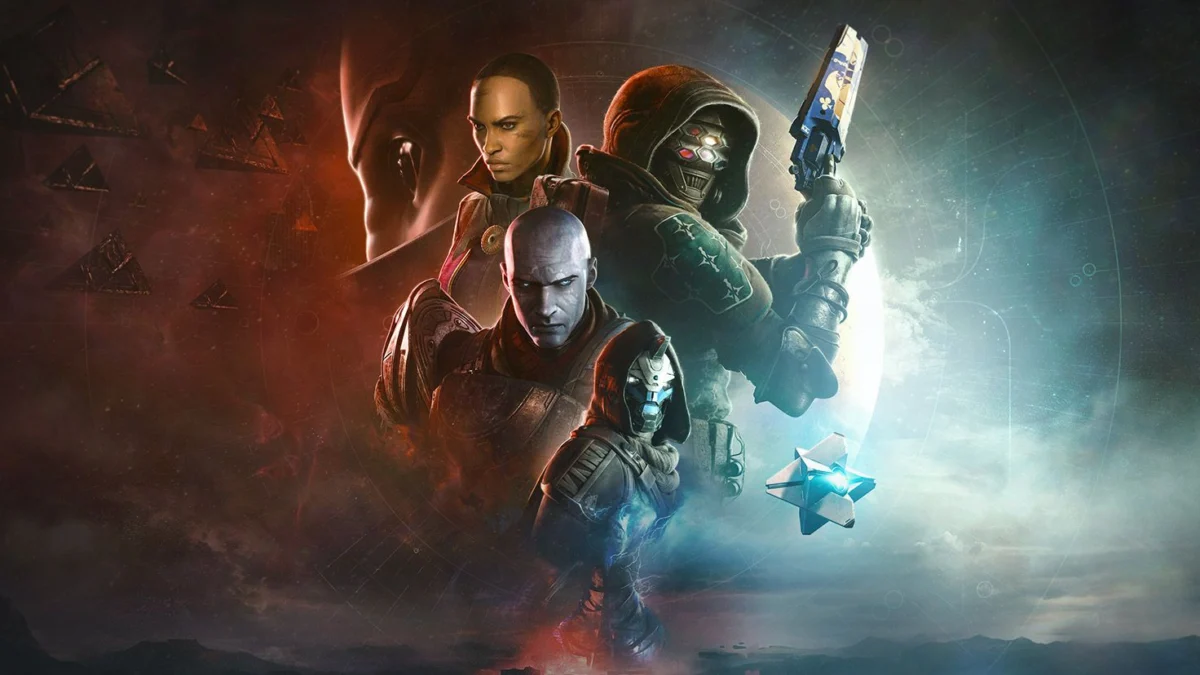
By Patricia Hernandez
Published May 26, 2026, 1:46 PM EDT
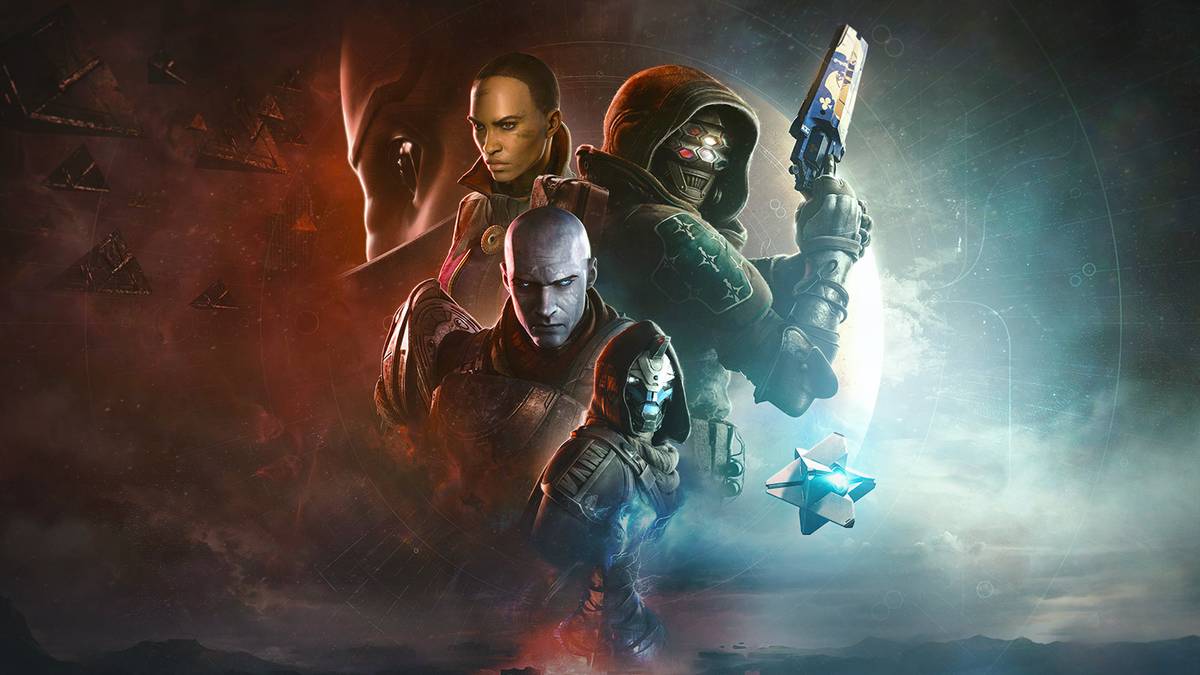
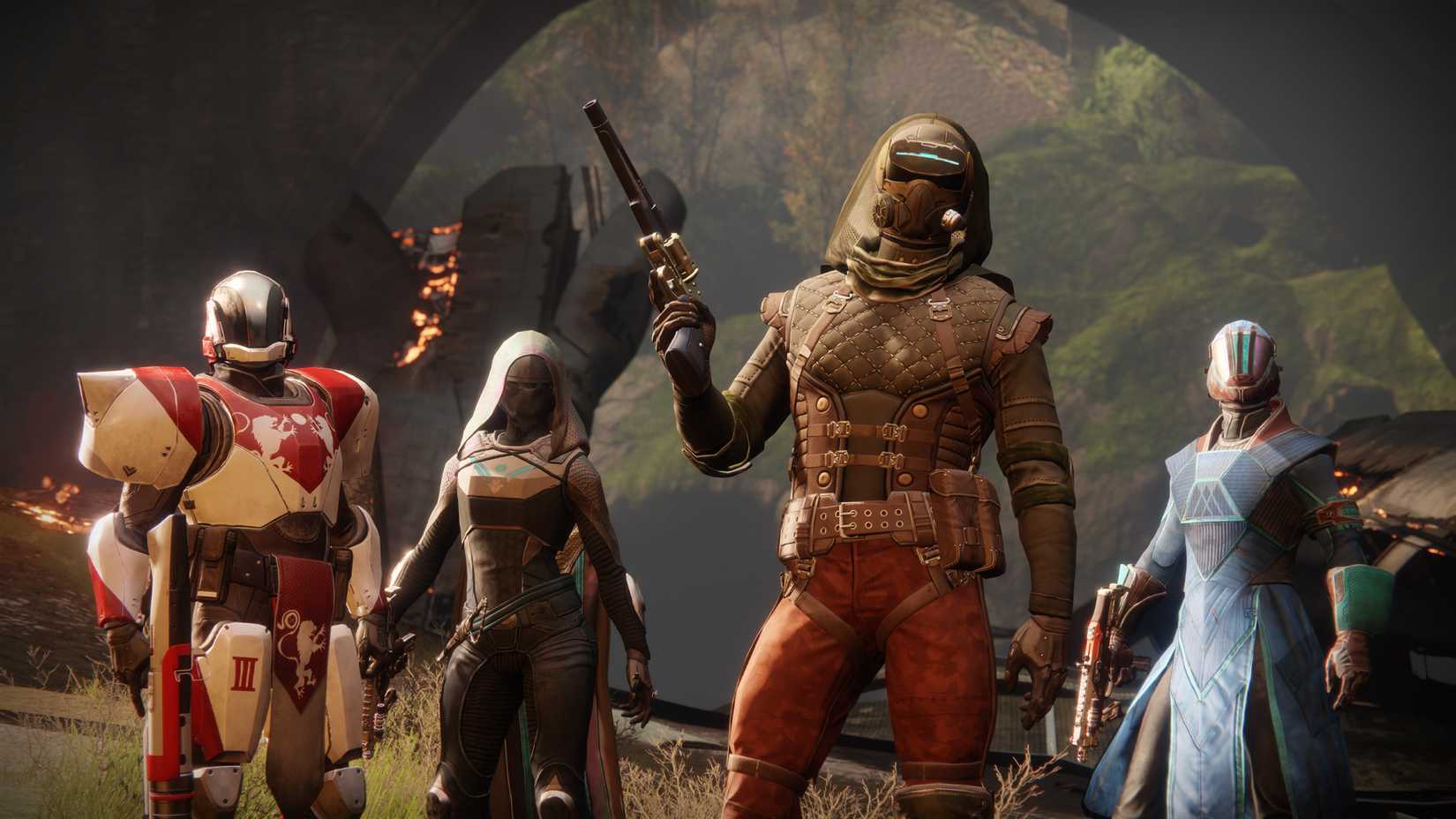
The cosmos of Destiny 2, once a boundless frontier for millions of Guardians, has reached its narrative zenith with the climactic release of The Final Shape. As Bungie prepares to deliver what it has described as the game’s "final update" on June 9, signifying the conclusion of active new content development, a palpable sense of apprehension and anticipation ripples through the gaming community. The question on every Guardian’s lips isn’t just about the fate of the Traveler, but the very trajectory of the venerable studio behind it: What now for Bungie, and will Destiny 3 ever see the light of day?
The future of Bungie, a studio synonymous with groundbreaking first-person shooters and immersive universes, has arguably never been more uncertain. Plagued by recent significant layoffs, a new game struggling to find its footing, and intense financial scrutiny from its parent company, Sony, the path forward is fraught with both peril and opportunity.
Main Facts: A Studio in Flux
The immediate landscape for Bungie is defined by a series of critical developments. Destiny 2, after nearly a decade of continuous evolution, is transitioning out of active development for new seasonal content post-The Final Shape. This shift has ignited a fervent debate among its dedicated player base regarding a potential sequel. A widely circulated online petition, reflecting the community’s desire for a fresh start, explicitly states, "The desire for new adventures, fresh storylines, and innovative gameplay features is palpable among players everywhere. Destiny 3 would not only meet these demands but also expand the horizons of what is possible within this universe."
This renewed interest is not just theoretical. Data from SteamDB indicates a remarkable 46% surge in Destiny 2‘s active player count on Steam over the last week. While console figures remain proprietary, it’s widely estimated that PC players constitute a minority of the overall Destiny 2 population, suggesting an even broader resurgence across platforms as Guardians flock back to witness the saga’s conclusion and potentially experience the game before its live-service model changes.
However, behind this surge of player engagement, the reality at Bungie is stark. Reports from Bloomberg, corroborated by reliable industry insiders like Jason Schreier, paint a grim picture of "significant" layoffs within the studio. Crucially, Schreier’s reporting on social media platform Bluesky confirmed that "Destiny 3 is NOT in active production. Some Bungie staff are pitching and prototyping new ideas including Destiny games, but none are yet greenlit." The primary impediment, according to these reports, is the astronomical cost associated with developing a full-fledged sequel.
Further complicating matters is Bungie’s newest IP, Marathon. Launched just two months prior, this brutal extraction shooter has, according to Forbes, "struggled to find an audience," failing to gain significant traction in a highly competitive market. The prospect of a Destiny 3 in development could inadvertently draw attention and resources away from Marathon, or worse, invite unfavorable comparisons that could hinder its growth even further. The live-service gaming landscape of 2026 is vastly different and more cutthroat than when Destiny 2 first launched in 2017, posing immense challenges for any new title, let alone a costly sequel to an industry titan.
Chronology: A Decade of Destiny and Dramatic Shifts
To fully grasp Bungie’s current predicament, it’s essential to trace the studio’s journey through the Destiny franchise.
2014: Destiny Launches with Grand Ambitions: Bungie, fresh from its highly successful Halo saga, launched the original Destiny with Activision. Pitched as a "ten-year plan," it promised an evolving universe unlike anything seen before. While met with mixed reviews initially, its innovative blend of first-person shooting, RPG mechanics, and MMO elements quickly cultivated a dedicated fanbase.
2017: Destiny 2 Arrives: Building on the foundation of its predecessor, Destiny 2 launched to critical acclaim and strong sales, becoming the best-selling game of 2017 in the U.S. within its first month. It initially seemed to fulfill the promise of a more expansive and refined experience. However, over time, the game began to face challenges, including content droughts, an often-criticized seasonal model, and the controversial "content vaulting" strategy, where older content was removed to manage game size and development resources. This period also saw the introduction of microtransactions and a battle pass system, reflecting the industry’s shift towards live-service monetization.
2019: The Break from Activision: A pivotal moment for Bungie was its amicable split from publisher Activision. This move granted Bungie full creative and publishing control over the Destiny franchise, a freedom many fans believed would lead to a more player-focused experience. The subsequent Shadowkeep expansion and the "Beyond Light" era were seen as a testament to this newfound independence, with Bungie delivering a more cohesive narrative and improved content cadence.
2022: Sony Acquires Bungie for $3.6 Billion: In a seismic industry move, Sony Interactive Entertainment announced its acquisition of Bungie for a staggering $3.6 billion. The acquisition was touted as a strategic move to bolster PlayStation’s live-service offerings, with assurances that Bungie would retain its creative independence and continue developing multi-platform titles, including Destiny. This acquisition placed significant financial expectations on Bungie’s performance.
2023: Early Warning Signs and Reports of Pressure: Despite the initial optimism, reports began to surface in late 2023 suggesting internal friction and financial pressure. Kotaku reported that if Destiny 2 continued to miss financial targets, Bungie could face a loss of its much-vaunted independence, with Sony potentially exerting more direct control. This period coincided with increasing player dissatisfaction over the perceived quality of Destiny 2‘s seasonal content and balancing issues.

March 2026: Marathon Launches Amidst Mixed Reception: Bungie’s highly anticipated new IP, Marathon, a spiritual successor to its classic 90s shooter, was released. As a brutal, PvPvE extraction shooter, it attempted to carve out a niche in a crowded market. However, its launch was met with a lukewarm reception, struggling to attract a substantial player base and grappling with a steep learning curve that alienated many potential players.
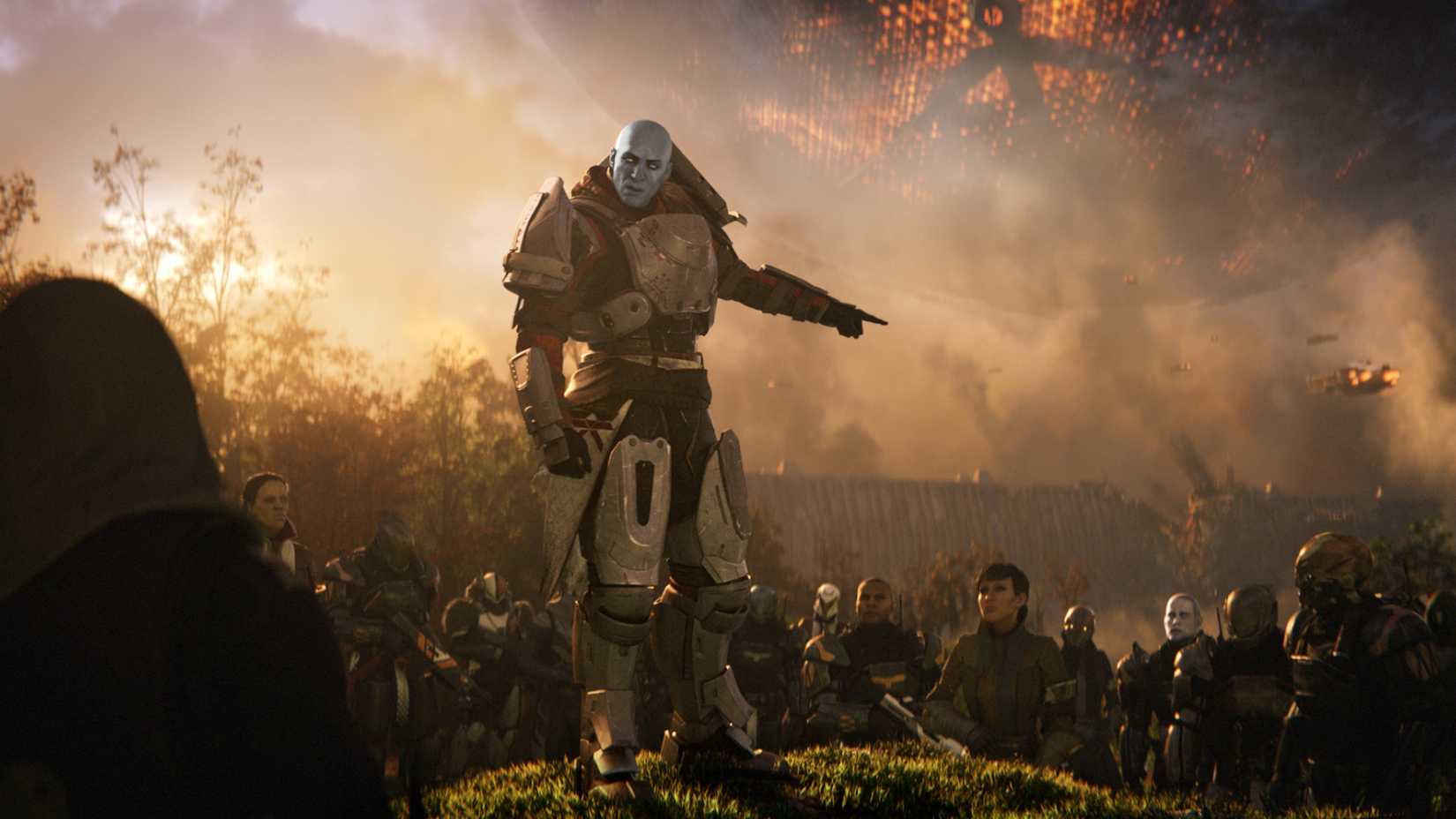
May/June 2026: The Final Shape and Destiny 2‘s Transition: The release of The Final Shape marks the dramatic conclusion of Destiny 2‘s overarching Light and Darkness saga, a storyline nearly a decade in the making. While intended as a celebratory capstone, the simultaneous announcement of Destiny 2‘s shift away from active new content development casts a long shadow, forcing players and industry observers to confront the inevitable question of what comes next.
Supporting Data: The Numbers Behind the Narrative
The narrative of Bungie’s current challenges is not merely anecdotal; it’s underscored by significant financial and player data.
Player Resurgence and Demand: The 46% jump in active Destiny 2 players on Steam, as tracked by SteamDB, is a testament to the franchise’s enduring appeal. This surge, following news of The Final Shape and the game’s inclusion in the PlayStation Plus Game Catalog, demonstrates a latent desire within the community for engaging Destiny content. It suggests that while Destiny 2 may have hemorrhaged players during its more stagnant periods, the IP itself retains immense gravitational pull. The sheer volume of signatures on petitions for Destiny 3 further quantifies this demand, making it difficult for Bungie to ignore.
The $3.6 Billion Bet: Sony’s acquisition of Bungie for $3.6 billion in 2022 was a monumental investment, signaling the console giant’s ambition to become a major player in the live-service space. This figure alone sets a formidable benchmark for success, requiring Bungie to deliver consistent, high-performing titles to justify the expenditure.
The $565 Million Impairment Loss: Perhaps the most alarming data point arrived in early May 2026, when Sony attributed a staggering $565 million impairment loss directly to Bungie’s performance. An impairment loss occurs when the fair value of an asset (in this case, Bungie’s value post-acquisition) falls below its carrying value on the company’s balance sheet. This public acknowledgment from Sony is a clear and unequivocal statement of dissatisfaction with Bungie’s financial output since the acquisition, putting immense pressure on the studio to turn its fortunes around. This loss is a direct indicator of missed revenue targets and underperformance.
Cost of Development: Jason Schreier’s report highlighting the "costly undertaking" of Destiny 3 is not to be underestimated. Modern AAA game development, especially for a live-service title with the scope and expectations of a Destiny sequel, can easily run into hundreds of millions of dollars, if not more, before marketing. Given Bungie’s current financial woes and Sony’s recent impairment loss, securing such an investment for a new project, particularly one that might cannibalize their struggling new IP, Marathon, is an incredibly tough sell.
Official Responses: Silence, Speculation, and Scrutiny
Bungie itself has remained largely silent regarding the direct prospect of Destiny 3, preferring to focus its public messaging on The Final Shape and the immediate future of Destiny 2. This strategic silence is understandable given the internal turmoil and the sensitive nature of their relationship with Sony. Any premature announcement could either deflate interest in The Final Shape or further destabilize the precarious position of Marathon.
However, unofficial "official responses" can be gleaned from reliable journalistic sources and corporate statements:
Jason Schreier’s Disclosures: Bloomberg reporter Jason Schreier, known for his deep industry connections, has become a de facto source for insight into Bungie’s internal workings. His clear statement that "Destiny 3 is NOT in active production" is the closest the public has to an official stance, derived from inside sources. His additional context about the pitching process and the financial hurdles provides crucial clarity, indicating that while ideas exist, concrete development is far off.
Sony’s Financial Reporting: Sony’s direct attribution of the $565 million impairment loss to Bungie’s performance serves as a stark "official response" from the parent company. It’s a public signal of accountability and unmet expectations. While not a direct comment on Destiny 3, it profoundly impacts the feasibility of any new, expensive project Bungie might propose. It underscores that Sony is watching Bungie’s financial health with intense scrutiny, and future investments will be predicated on demonstrable performance.
Bungie’s Public Communications: Bungie’s own communications have focused on the longevity of Destiny 2 post-The Final Shape, emphasizing its inclusion in the PlayStation Plus Game Catalog and the continued availability of core content. This messaging aims to reassure players that the universe isn’t simply disappearing, but it carefully sidesteps the question of a direct sequel. The focus is on Destiny 2‘s legacy and Marathon‘s future, implying that these are the immediate priorities.
Implications: The High Stakes for Bungie, Sony, and the Future of Destiny
The confluence of these factors presents profound implications for Bungie, Sony, the Destiny franchise, and the broader live-service gaming market.
For Bungie: A Defining Moment: The studio is at a critical juncture. The layoffs indicate a restructuring under duress, likely aimed at streamlining operations and aligning with new financial realities. The success of Marathon is paramount, not only for diversifying Bungie’s portfolio but also for demonstrating its ability to launch and sustain a new IP. A struggling Marathon coupled with Destiny 2‘s transition could leave Bungie dangerously reliant on past successes without a clear path forward. The question of creative autonomy, a cornerstone of Bungie’s post-Activision identity, is also on the table, especially with Sony’s increased financial pressure.
For Sony: The Live-Service Gambit: Sony’s acquisition of Bungie was a strategic gambit to strengthen its live-service offerings and expand its multi-platform presence. The $565 million impairment loss is a significant setback to this strategy. Sony needs Bungie to deliver, and deliver soon, to justify the multi-billion-dollar investment. This could lead to a more hands-on approach from Sony, potentially influencing future game designs, release schedules, and even IP development, which could clash with Bungie’s historical independence. The success of Destiny 3, if it ever materializes, would be a critical component of Sony’s long-term vision.
The Future of Destiny: Reboot or Reinvention? The potential for Destiny 3 is a double-edged sword.
-
The Case FOR Destiny 3: A new game offers a clean slate, an opportunity to shed Destiny 2‘s accumulated "baggage." This baggage includes years of technical debt, engine limitations, convoluted narrative threads, and balancing issues that have plagued the game. A sequel could feature a brand-new engine, modern gameplay mechanics, and a simplified narrative entry point, attracting new players while reinvigorating lapsed veterans. The passionate player petition highlights the pent-up demand for this fresh start, suggesting that a well-executed Destiny 3 could be the ultimate "ace up Bungie’s sleeve" for Sony. It could represent a true evolution, rather than incremental updates to an aging framework.
-
The Case AGAINST Destiny 3 (for now): The financial and market risks are immense. Developing Destiny 3 would be a multi-year, multi-million-dollar endeavor in a live-service market far more competitive than 2017. Fortnite and Roblox have redefined player expectations for content cadence and user-generated experiences, making it harder for traditional AAA live-service games to capture and retain massive audiences. Furthermore, launching Destiny 3 prematurely could cannibalize Marathon‘s already struggling player base, jeopardizing Bungie’s efforts to establish a second major franchise. The high expectations, both from fans and Sony, mean that Destiny 3 wouldn’t just be another shooter; it would need to fundamentally redefine the genre, as its predecessors did, to be considered a success. The specter of Sony’s influence also raises concerns among fans about potential monetization pressures or creative compromises.
The Live-Service Market: A Cautionary Tale: Bungie’s struggles reflect a broader trend in the gaming industry. Many studios have attempted to replicate the live-service model, often with limited success. The high cost of maintenance, the relentless demand for new content, and the fickle nature of player engagement have led to numerous cancellations and underperforming titles. For Destiny 3 to succeed, it would need to navigate this treacherous landscape with unprecedented innovation and a deep understanding of player psychology.
In conclusion, Bungie finds itself at a pivotal moment, caught between the legacy of a hugely successful franchise, the pressures of a demanding parent company, and the challenges of a rapidly evolving market. While Destiny 2 celebrates its narrative finale, the true test for Bungie lies in what comes next. Whether it’s a revitalized Marathon, a long-awaited Destiny 3, or an entirely new venture, the decisions made in the coming months will undoubtedly shape the studio’s destiny for years to come, and profoundly influence Sony’s ambitious live-service strategy. For now, Guardians can enjoy the culmination of Destiny 2‘s epic saga, but the path to a potential Destiny 3 remains shrouded in the mists of uncertainty.


 Lina Irawan
 Sagoh
Sagoh