

By Investigative Desk
Updated: Wednesday, 2026
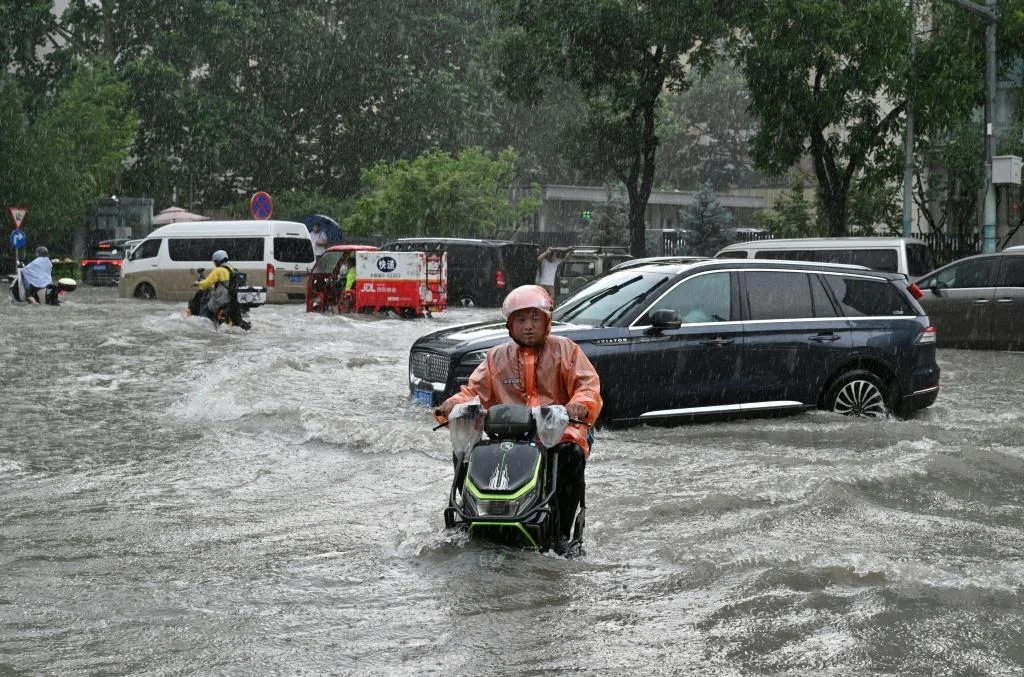
China is currently grappling with a cascading series of natural disasters that have left a trail of destruction across the nation’s southern, central, and northwestern provinces. As torrential rains, catastrophic dam failures, and deadly landslides converge, the death toll has surged, triggering a massive, nationwide emergency response. Government officials, backed by urgent directives from the highest levels of leadership, are racing against time to reach isolated communities as meteorological agencies warn that the worst of the weather systems may not yet have passed.
Main Facts: A Nation Under Siege
The scale of the disaster is vast, spanning thousands of miles across diverse geographical regions. Recent reports confirm that at least 38 people have lost their lives in a matter of days due to a combination of typhoon-related flooding, extreme thunderstorms, and a massive landslide in Gansu province.
In the southern region of Guangxi, the situation remains dire. Torrential downpours, exacerbated by the tailwinds of Typhoon Maysak, have forced the evacuation of over 130,000 residents. The infrastructure in the region has been pushed to the breaking point; 40 rivers and waterways have breached their banks, and critical reservoir dams have collapsed, sending torrents of mud and debris into surrounding villages.
Simultaneously, the central province of Hubei has been struck by freak weather patterns, including gale-force winds and tornadoes, which have crippled power grids and razed thousands of homes. In the northwest, the remote province of Gansu is mourning the loss of 21 individuals following a massive landslide that buried a village in the early hours of Tuesday morning.
Chronology of the Catastrophe
The current crisis began unfolding late Monday, as unstable atmospheric conditions triggered severe thunderstorms across central China.
- Monday Evening: Hubei province experienced a rapid escalation of gale-force winds and sudden tornadoes. By nightfall, emergency services were overwhelmed by reports of collapsed structures and trapped civilians.
- Tuesday, 6:56 AM: A massive landslide struck Rencang village in Dangchang County, Gansu province. Local rescue teams were deployed immediately, but the sheer volume of earth made the operation perilous.
- Tuesday Throughout the Day: As Typhoon Maysak’s influence reached the southern provinces, Guangxi saw record-breaking rainfall. The strain on water management infrastructure became apparent as several reservoirs failed, including one high-profile breach captured on surveillance video, showing concrete walls crumbling under the force of the deluge.
- Wednesday: Official search and rescue operations in Gansu concluded with a confirmed death toll of 21. Meanwhile, in Guangxi, the State Flood Control and Drought Relief Headquarters maintained a "Level II" emergency response, as Minister of Water Resources Li Guoying warned that the situation in the Wuzhou region would likely deteriorate by Thursday morning.
Supporting Data and Meteorological Impact
The meteorological data behind these events underscores the volatility of the current climate cycle. According to the State Flood Control and Drought Relief Headquarters, the flood peaks in Guangxi are expected to exceed warning levels by more than six meters at the Wuzhou Hydrological Station.
Agricultural damage has been substantial. In Guangxi alone, nearly 13,000 acres of prime farmland have been inundated, threatening the local food supply and rural livelihoods. In Hubei, the damage is more structural; 4,800 houses have been reported damaged, with at least 22 completely flattened by the ferocity of the tornadoes.
The landslide in Gansu presents a different, albeit equally deadly, challenge. While the investigation into the specific trigger for the landslide is ongoing, experts note that such events are frequently caused by the saturation of soil following prolonged rainfall, which destabilizes slopes. The economic cost of the recovery is already mounting, with the central government earmarking an initial 30 million yuan ($4.4 million) for immediate reconstruction in the affected Gansu region.
Official Responses and Rescue Mobilization
The central government has adopted a posture of total mobilization. President Xi Jinping issued a stern directive on Tuesday, urging all relevant authorities to "go all out" in organizing emergency operations. The directive emphasized the need for rapid deployment of rescue teams and the prioritization of civilian life above all other concerns.
In response, the Ministry of Emergency Management has fast-tracked the delivery of disaster relief supplies. Xinhua reported that shipments of food, water, heavy-duty raincoats, and rubber boats have been dispatched to the hardest-hit areas in the south.
Minister Li Guoying has been particularly vocal regarding the integrity of China’s hydraulic infrastructure. He noted that the "prolonged passage of floodwaters at high levels" places unprecedented stress on the nation’s network of reservoirs and embankments. "The safety of reservoirs and embankments in the affected areas faces a severe test," Li remarked during a press briefing on Wednesday, signaling that local officials will be held strictly accountable for maintaining the structural integrity of these defenses.
Implications: A Summer of Extremes
The recurrence of these disasters has reignited the national conversation regarding climate adaptation and infrastructure resilience. Natural disasters are a perennial challenge in China, particularly during the summer months when the contrast between heatwaves in the north and deluge-prone weather in the south becomes most pronounced.
However, observers note that the intensity and frequency of these events appear to be shifting. As the country faces increasingly erratic weather patterns, the economic and human costs are rising. The destruction of 13,000 acres of farmland in Guangxi alone could have long-term implications for local commodity prices and regional food security.
Furthermore, the failure of reservoir dams—structures designed specifically to prevent the very flooding they were overwhelmed by—has prompted calls for a comprehensive audit of water-management infrastructure built during periods of rapid, often less-regulated, development.
The Path Forward
As rescue teams shift from the emergency phase to the recovery and rehabilitation phase, the focus will turn to displaced populations. The 130,000 people evacuated in Guangxi face an uncertain return home, as many of their dwellings have been compromised by floodwaters or remain in high-risk zones.
For the victims in Hubei and the families in Gansu, the path to normalcy will be long. The government’s promise of 30 million yuan in aid is viewed as a "down payment" on a much larger reconstruction bill. As rain continues to fall across the southern provinces, the primary concern remains the prevention of further loss of life.
With floodwaters still rising and the ground in many provinces saturated to the point of liquefaction, the coming 48 hours are critical. China’s ability to manage this crisis will serve as a definitive test of its disaster preparedness and its capacity to protect its citizens from an increasingly unpredictable environment.
This report was compiled using information provided by AFP, Xinhua, and official statements from the State Flood Control and Drought Relief Headquarters.











