
 Pevita Pearce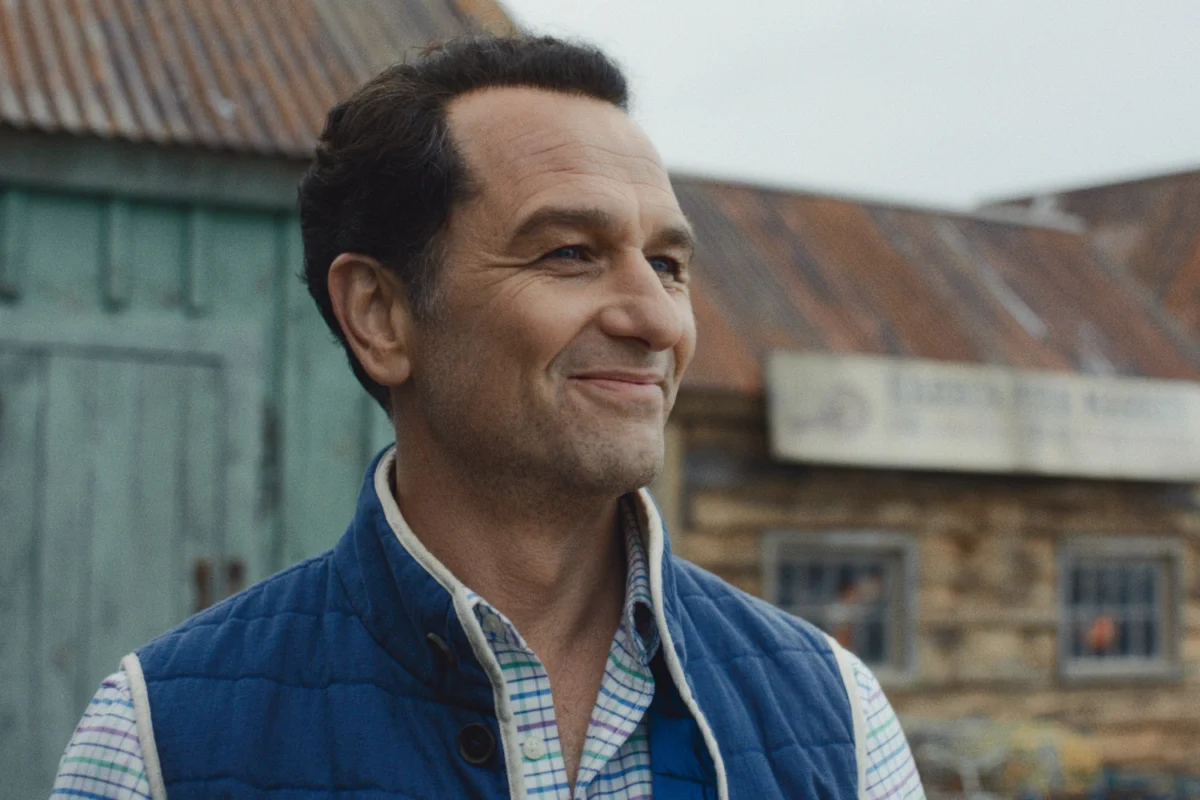
The cultural zeitgeist is a restless entity, shifting from the blockbuster spectacle of a galaxy far, far away to the nuanced, often uncomfortable realities of historical economic exploitation. As we navigate a week marked by the theatrical return of Star Wars—specifically the latest iteration in the Mandalorian saga—it is worth pausing to examine the broader cultural currents that are defining our current moment. While massive intellectual properties continue to dominate the discourse, smaller, more subversive works and re-examinations of history are providing the real substance of contemporary intellectual life.
The Cinematic Landscape: The "Star War" Phenomenon
The theatrical release of The Mandalorian and Grogu has once again ignited the perpetual cycle of the "Star War" event. For many observers, the distinction between high-concept cinematic events and extended television programming has blurred to the point of irrelevance.
Critics have noted that the current trajectory of the Star Wars franchise reflects a broader trend in Hollywood: the "television-ization" of the blockbuster. When a feature film feels indistinguishable from a streaming episode—save for the venue—the question arises: does the theatrical experience still hold the gravity it once did? While the franchise remains a juggernaut of engagement, the casual viewer’s relationship with the content is changing. It is less about the "event" and more about the ongoing, ambient maintenance of a narrative that has become a permanent fixture of our cultural background noise.
Tatiana Maslany and the Art of the Pivot
While the Star Wars machine churns, individual performances continue to offer a more grounded, compelling form of entertainment. Tatiana Maslany, an actress whose range was cemented by her transformative, Emmy-winning performance in Orphan Black, has long been regarded as one of the most versatile talents of her generation.
Her latest project, Maximum Pleasure Guaranteed, is currently generating significant critical buzz. Though the series does not fall into the traditional Science Fiction or Fantasy categories that often define cult-favorite viewing, it is being hailed as a career-defining turn. The AV Club recently remarked that Maslany is “better here than she’s been anywhere since her Emmy-winning turn on Orphan Black,” a sentiment that resonates with fans who have felt her talents were underutilized in recent high-profile roles.
The series, which follows a newly divorced mother navigating a surreal and dangerous intersection of blackmail, murder, and youth soccer, serves as a masterclass in tone. It highlights an industry trend of pairing prestige acting talent with domestic, "cozy" settings that quickly descend into darkness, proving that human complexity is often more riveting than the most advanced special effects.
Resetting the Canon: Paige Lewis and the Deconstruction of Myth
In the world of literature, the release of Paige Lewis’s Canon marks a significant departure from standard genre fare. The novel acts as a biting, surrealist critique of the Western literary and religious tradition. By positing that God is essentially a writer running out of ideas—recycling tropes from Homer, Virgil, Dante, and the Bible—Lewis engages in a necessary, if irreverent, act of literary housecleaning.
The 90s as Historical Fiction
There is a profound irony in the current trend of treating the 1990s as a period piece. Canon leans into this aesthetic, framing its narrative in a decade that now feels as distant and culturally specific as the Victorian era. The story centers on a nonbinary hero named Yara, tasked with a monumental, world-saving mission, while navigating the interference of a self-anointed prophet.
The critical reception has been rapturous, with noted author Karen Russell labeling it an “unprecedented page-turner.” By challenging the stale, recycled nature of traditional "Chosen One" narratives, Lewis is not just writing a novel; she is engaging in a meta-commentary on how stories are constructed, consumed, and ultimately exhausted.
The True History of Monopoly: A Study in Economic Irony
Perhaps no story this week highlights the dissonance of modern branding more than the unveiling of a Monopoly-themed steakhouse. This "high-end culinary experience" leans into the "luxurious aesthetic" of the game, a move that is as tone-deaf as it is profitable.
However, the backlash to this branding has prompted a much-needed historical correction. The game of Monopoly, often viewed as the quintessential American capitalist pastime, was actually the brainchild of Elizabeth "Lizzie" Magie, a radical anti-monopolist. Magie created The Landlord’s Game in 1903 as a didactic tool to demonstrate the predatory nature of land-grabbing and wealth concentration.
The Divergence of Rules
Magie’s original vision included two distinct sets of rules:
- The Anti-Monopolist Rules: Where all players were rewarded when wealth was created, emphasizing collective progress.
- The Monopolist Rules: Where the explicit goal was to crush opponents and monopolize resources.
The irony is that the public, and subsequently the publisher, Parker Brothers, discarded the former in favor of the latter. As Mary Pilon details in her seminal book, The Monopolists: Obsession, Fury, and the Scandal Behind the World’s Favorite Board Game, the history of the game is a story of theft and corporate erasure. Charles Darrow, the man who eventually sold the game to Parker Brothers and reaped the royalties, effectively patented a game he did not create. The modern steakhouse, which celebrates the "luxurious" Monopoly aesthetic, represents the final, hollowed-out victory of the very system Magie sought to critique.
The Anatomy of Suffering: Widow’s Bay and the Modern Mayor
Television continues to explore the breakdown of local governance through the lens of dark comedy and horror. The series Widow’s Bay has emerged as a standout, particularly for its depiction of Mayor Tom Loftis, played by Matthew Rhys.
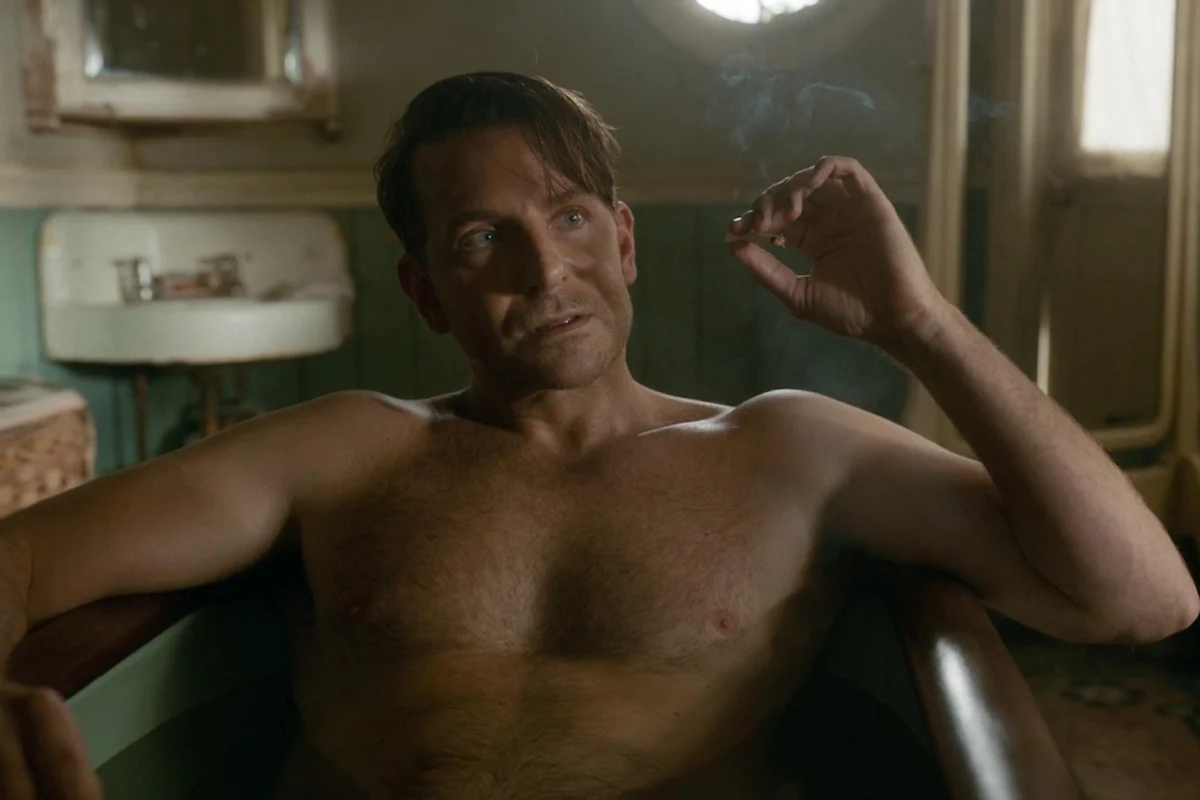
The character of Loftis is a study in denial. He is a man obsessed with "putting his town on the map," desperate for tourism and external validation. The show uses the supernatural—scary encounters in bathtubs, disastrous public events—as a metaphor for political obstructionism. Rhys’s performance is remarkable because he captures the specific, tragic humor of a man who would rather ignore the encroaching apocalypse than admit that his municipal management is failing.
It is a poignant reflection of our current political climate, where the rejection of reality has become a viable, if ultimately catastrophic, strategy for those in power. By keeping his eyes wide and his mind closed, Mayor Loftis becomes an everyman for a generation that feels like they are watching their own municipal and national leaders ignore the fires burning in the background of their ribbon-cutting ceremonies.
Implications for Cultural Consumption
As we reflect on these disparate cultural threads, a common theme emerges: the struggle between the established narrative and the hidden truth. Whether it is the erasure of Lizzie Magie’s radical intent in the board game industry, the "recycling" of God’s tropes in contemporary literature, or the denial of reality by fictional politicians, we are currently witnessing a period of intense scrutiny.
The audience is no longer content to accept the "blockbuster" version of history or entertainment at face value. We are looking for the subtext. We are reading the fine print of the history books, and we are finding the cracks in the cinematic facades. This shift suggests that the next wave of cultural production will be defined not by the scale of the intellectual property, but by the depth of its interrogation of the status quo.
In the end, whether we are watching Tatiana Maslany navigate the absurdity of modern suburban life or reading about the theft of The Landlord’s Game, we are all participating in a collective, ongoing effort to understand why things are the way they are—and how they might be different if we dared to look behind the curtain.

 Nana Wu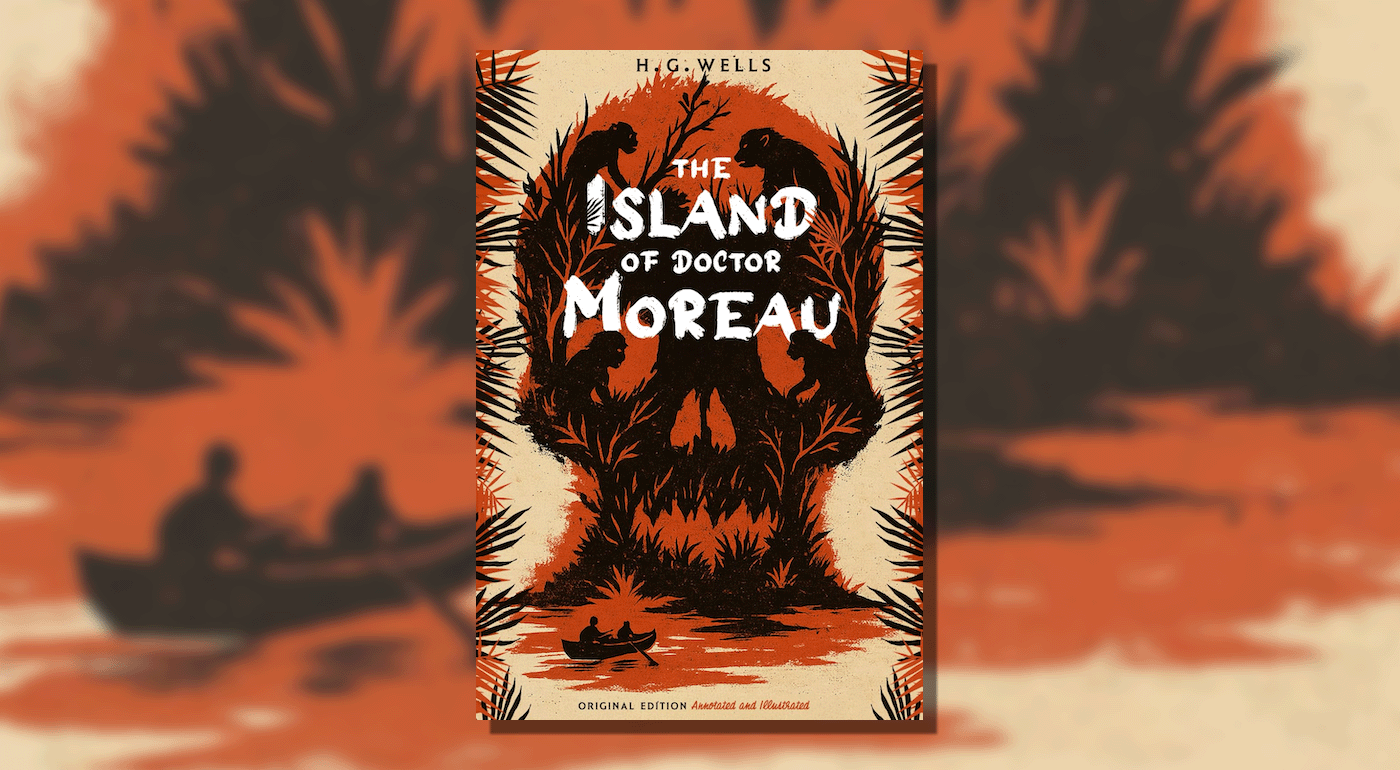
 Ali Ikhwan





